Sunday's technology stories

Twitter turns on Uber over Trump’s immigration ban
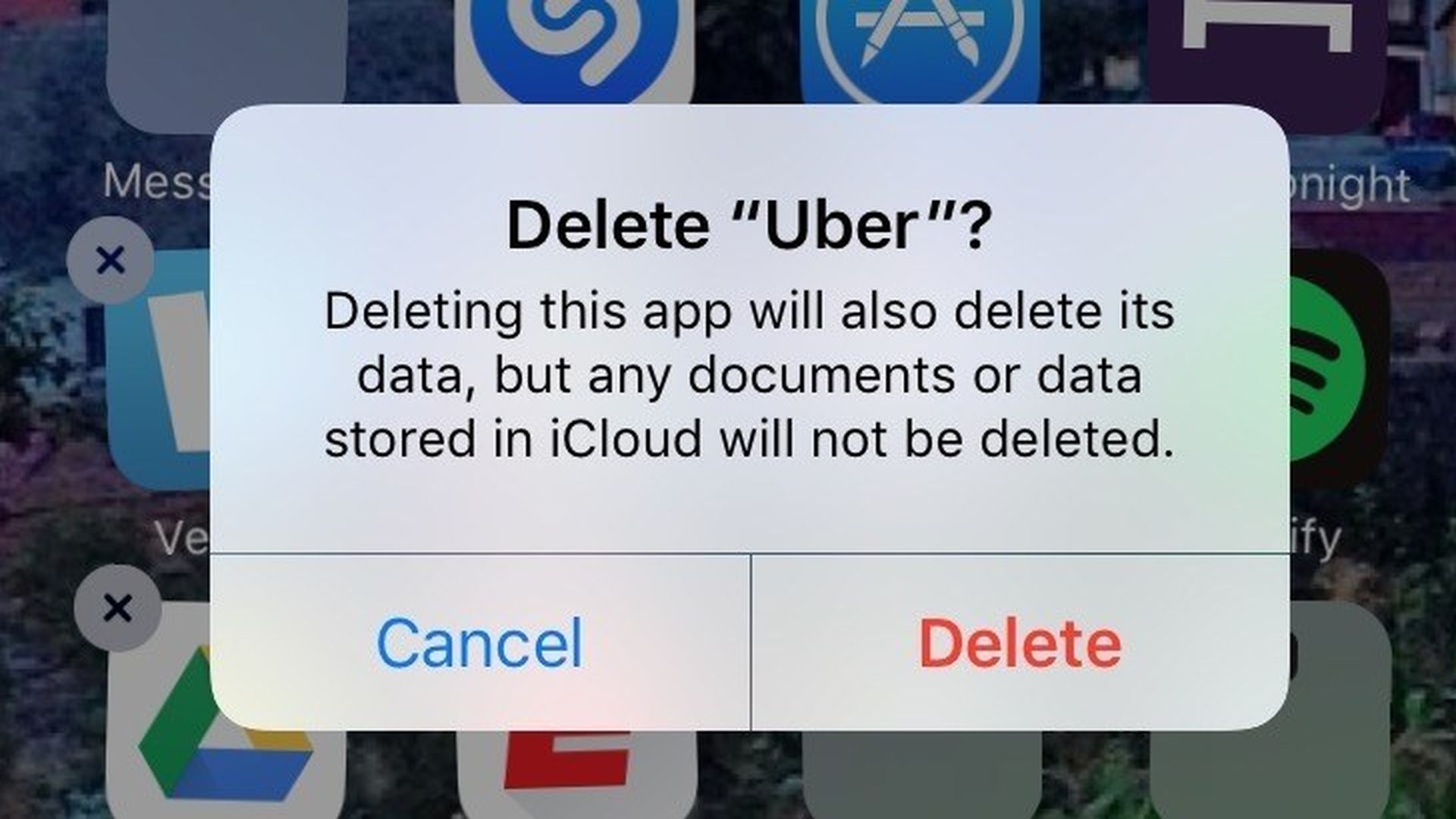
Uber finds itself dealing with #DeleteUber, an online Twitter backlash to its decision to suspend surge pricing around JFK International Airport in New York on Saturday night. People are sharing pictures of themselves deleting the app from their phones.
Why? The New York Taxi Workers Alliance declared a one-hour work stoppage at the airport to show their support for protests, so Uber's decision and a tweet encouraging people to "be patient" while waiting for rides were seen by some as an attempt to break the strike.
The bigger picture:
- Trump critics — including some of Uber's own employees — are already upset with the company's chief executive for serving on a Trump advisory council. Some cited his involvement as a reason they were deleting the app.
- Uber rival Lyft said on Sunday morning it would give a million dollars over four years to the ACLU, which sued to halt the refugee ban.
Uber's counterpoint: The company denies trying to break the strike and noted to BuzzFeed News that its tweet was sent out after the appointed hour for the work stoppage. CEO Travis Kalanick said Saturday that the ban "will impact many innocent people" and pledged to bring up that concern when he and other business leaders meet with the president this week.
Update: Uber said on Sunday afternoon that it would create a $3 million fund to assist drivers with immigration law and translation services and reiterated its intention compensate drivers who lost money because of the executive order. Kalanick also said the company would push policymakers to "reinstate the right of U.S. residents to travel — whatever their country of origin."

Amazon, Netflix drop major cash at Sundance
- Netflix screened eight films, breaking its own Sundance record: Hasting's mega-service also purchased a $5 million deal for documentary "Icarus," one the most expensive nonfiction film to date
- Amazon dropped $12 million for "The Big Sick," as well as distribution rights to three other films, beating out their Oscar-nominated investment in Manchester by the Sea last year for $10 million.
Why it matters: Digital companies investing big dollars in content to distribute marks a major shift for the movie business. Per CNET, streaming companies screened more projects at the festival this year than ever before, and Sundance creatives responded accordingly. This year more than ever, a swell of films with niche creative flooded the scene in Utah, frustrating commercial studios, who rely on broad, thematic pieces to captured large, national audiences.
Who's winning? As of now, Amazon, but that could change given Netflix's big investment this year. Last week, Amazon beat Netflix to become the first streaming company to own a film nominated for an Oscar best picture. Their win followed financial gains over Netflix at the box office in 2016. Amazon released Manchester by the Sea to theaters traditionally, making $36 million at the box office. Hastings released Beasts of No Nation in theatres and on his streaming app simultaneously, bringing in a dismal $91,000 at the box office.

Lyft's new strategy to take on Uber
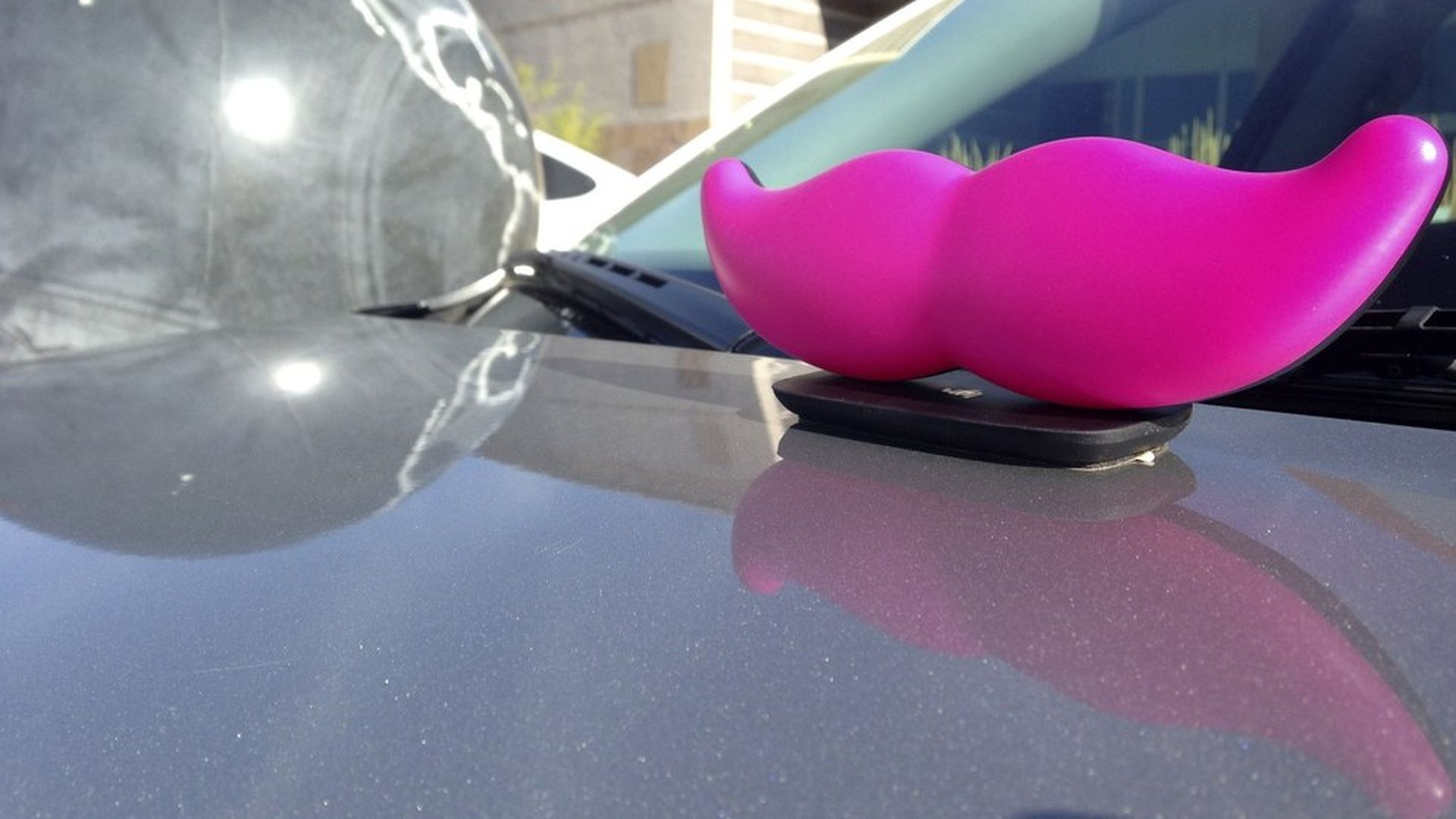
Lyft, Uber's pink-colored rival in the U.S., has laid off 17 sales employees, the company told Bloomberg.
The reason: According to chief business officer Baga, Lyft is adjusting its corporate sales strategy away from pitching banks, consulting firms, and other companies to use its service. Instead, it will focus on government and health care organizations, he told Bloomberg. For example, Lyft recently announced a partnership with the National MedTrans Network in New York City to provide rides for medical appointments.
Lyft's tough challenge: Uber has a growing share of business travel. Just this week, expense software management company Certify released a report that found that Uber now makes up 52% of all ground transportation business expenses in the U.S. What's more, it was the vendor with the most transactions overall, making up 6% of all transactions. Lyft, on the other hand, only has 4% of ground transportation expenses.
Snap could file for IPO next week
Snap plans to publicly file to go public next week, according to a report from tech news site Recode, citing an anonymous source. Snap declined to comment.
Snap, the parent company of the popular ephemeral messaging app Snapchat, reportedly confidentially filed for an IPO in November, so its financials have yet to be made public. The company is reportedly seeking a valuation as high as $25 billion through its IPO, but demand from investors could push it higher.
Big deal: Snap's IPO will be the first from a high-profile company this year. AppDynamics' was canceled at the very last minute earlier this week after it sold to Cisco for $3.7 billion.
There are still questions about whether Snap's business will impress investors—check out the bearish and bullish takes published on Axios this week.
Twitter publishes two national security letters
In 2015 and 2016, Twitter was twice compelled by the FBI to disclose information about two users — and the gag orders on these requests have been lifted, the company said on Friday. The company has now notified the two users and provided them with the national security letters and the information it collected about their respective accounts, which was much less than was originally requested.
The debate: The U.S. government argued gag orders on these requests were necessary because providing more detailed reporting than what Twitter is authorized to release would make the information classified, and therefore it would not be protected under the First Amendment.
"We would like a meaningful opportunity to challenge government restrictions when 'classification' prevents speech on issues of public importance," writes Twitter in a blog post.
What's next: Twitter is currently in the midst of a lawsuit against the government (Twitter v. Lynch), seeking to get more freedom to discuss national security requests it receives. The next hearing for the case is scheduled for February 14.
- Internet companies have increasingly fought for the right to disclose government and law enforcement requests for user information since the exposure of surveillance programs like PRISM in 2013.
- Microsoft is currently suing the Department of Justice, arguing that it should be able to tell customers when the government requests information about them.