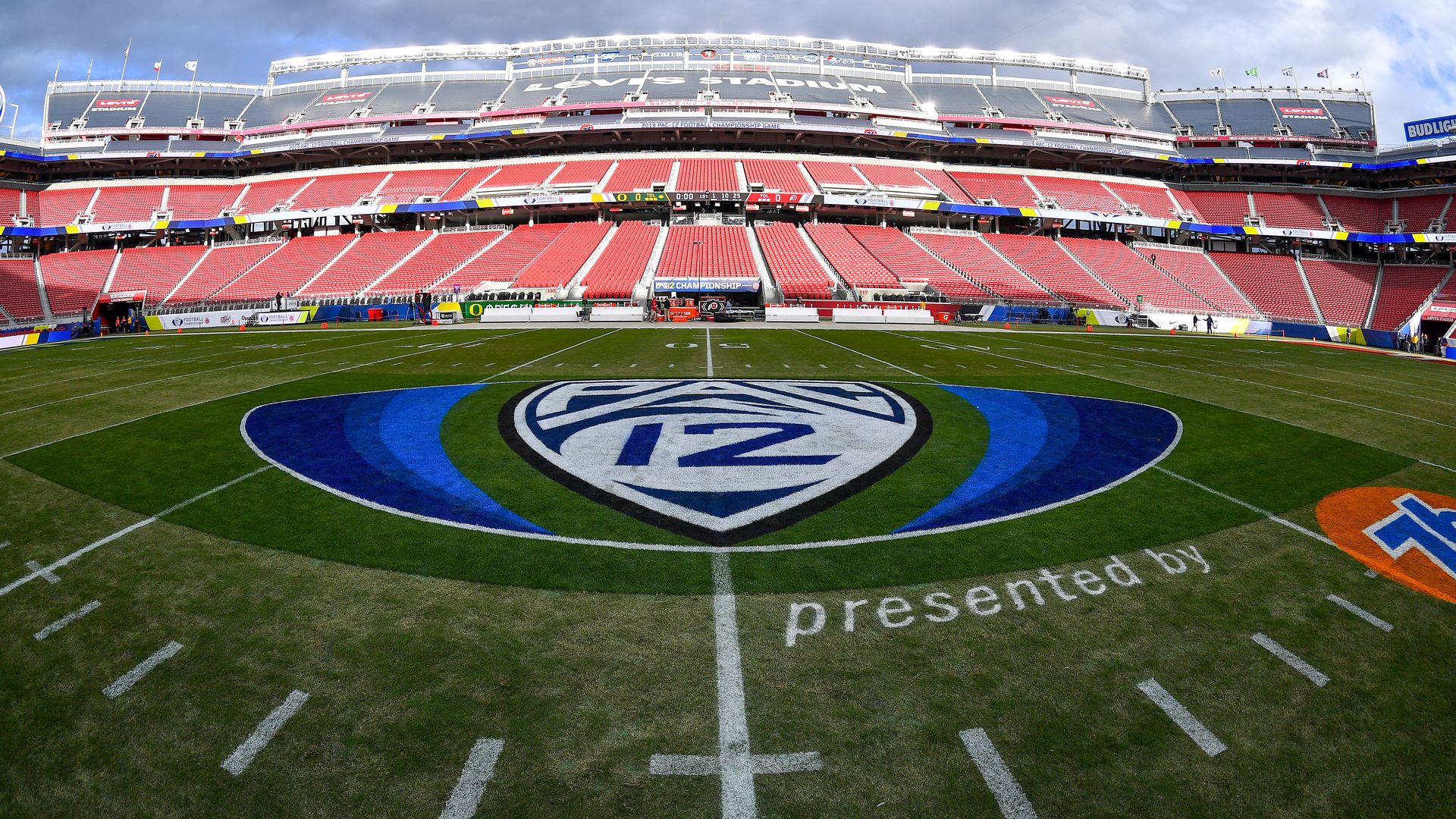
The Pac-12, which includes universities in Arizona, California, Colorado, Oregon, Utah and Washington state, will play football starting Nov. 6, reversing its earlier decision to postpone the season because of the coronavirus pandemic.
Why it matters: The conference's about-face follows a similar move by the Big Ten last week and comes as President Trump has publicly pressured sports to resume despite the ongoing pandemic. The Pac-12 will play a seven-game conference football season, according to ESPN.
As sports betting comes out of the shadows and the pool of potential bettors increases, companies are experimenting with ways to target general sports fans.
Why it matters: While some aspects of betting remain complex and require time and research, the basic concept of making predictions is understood by everybody.
No sport was impacted by the onset of COVID-19 more than college basketball, which saw the cancellation of March Madness. Now, we've come full circle, with details emerging about the upcoming campaign.
Where things stand: The season will begin a few weeks later than normal on Nov. 25, with the non-conference slate comprised mostly of multi-team events.
For decades, the black market — which consists of offshore sports books and local "bookies" — has been the only option for U.S. sports bettors looking to place wagers.
Now that states can legalize and regulate sports betting, those offshore books — most of which are located in the Caribbean — are facing competition from well-financed companies running legal operations in the U.S.
As legal sports betting advances, some believe the offshore market will shrink and become a shell of itself, while others believe the two will live side by side with legal books unable to match what offshore books can offer.
The state of play: Sports betting is currently legal and operational in 18 states plus Washington, D.C. It's legal but not yet operational in four more states, and another seven have active legislation.
In addition to keeping out the coronavirus, the NBA bubble has also delivered a stellar on-court product, with crisp, entertaining play night in and night out.
Why it matters: General managers, athletic trainers and league officials believe the lack of travel is a driving force behind the high quality of play — an observation that could lead to scheduling changes for next season and beyond.