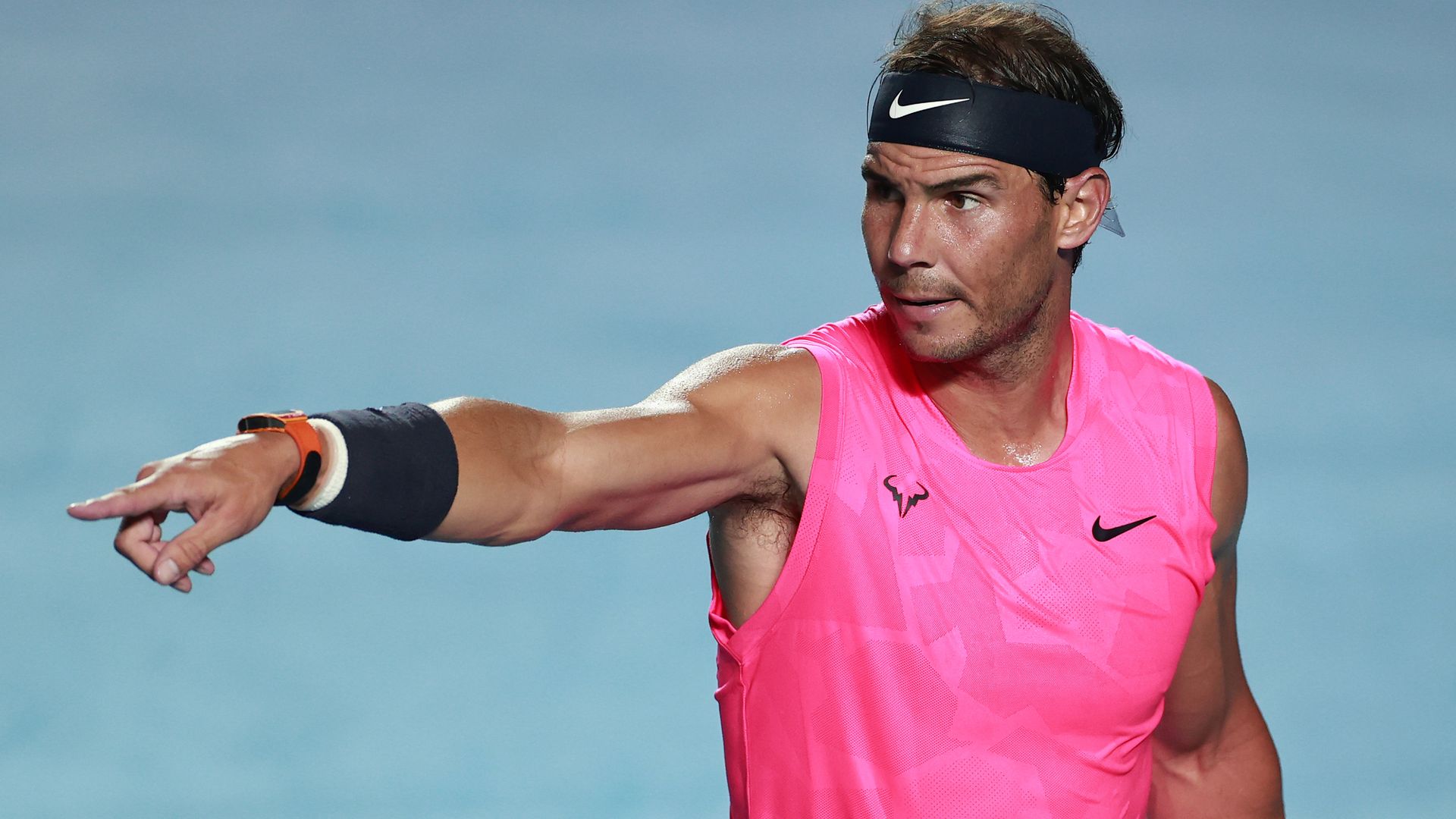
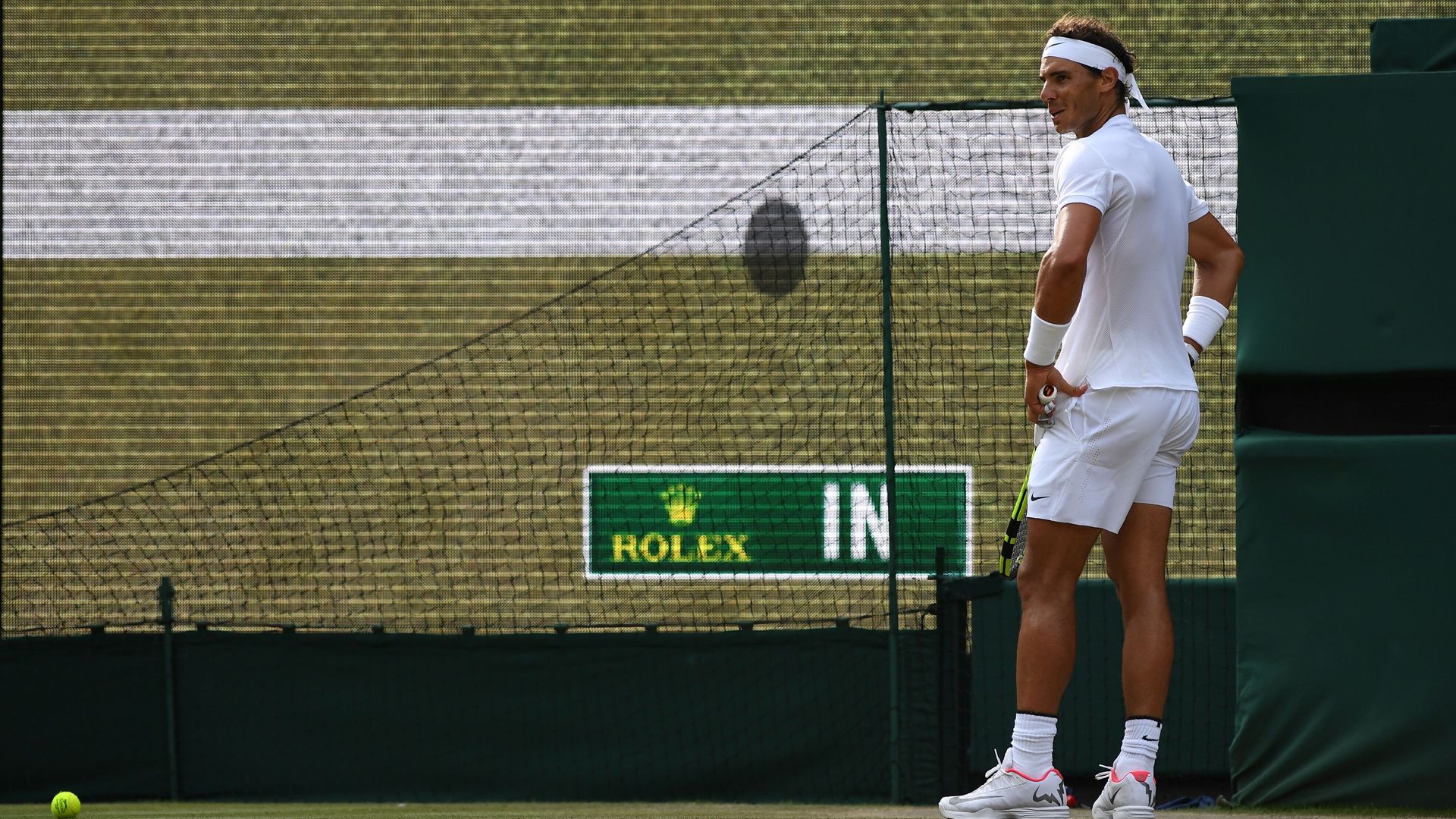
Defending champion Rafael Nadal tweeted Tuesday that he will not attend the 2020 U.S. Open due to rising coronavirus infections, noting that "it looks like we still don’t have control of it."
The big picture: The tournament was rescheduled over the summer to be held in August and September without spectators. Nadal's absence puts his bid to equal Roger Federer’s record for men's Grand Slam titles on pause.
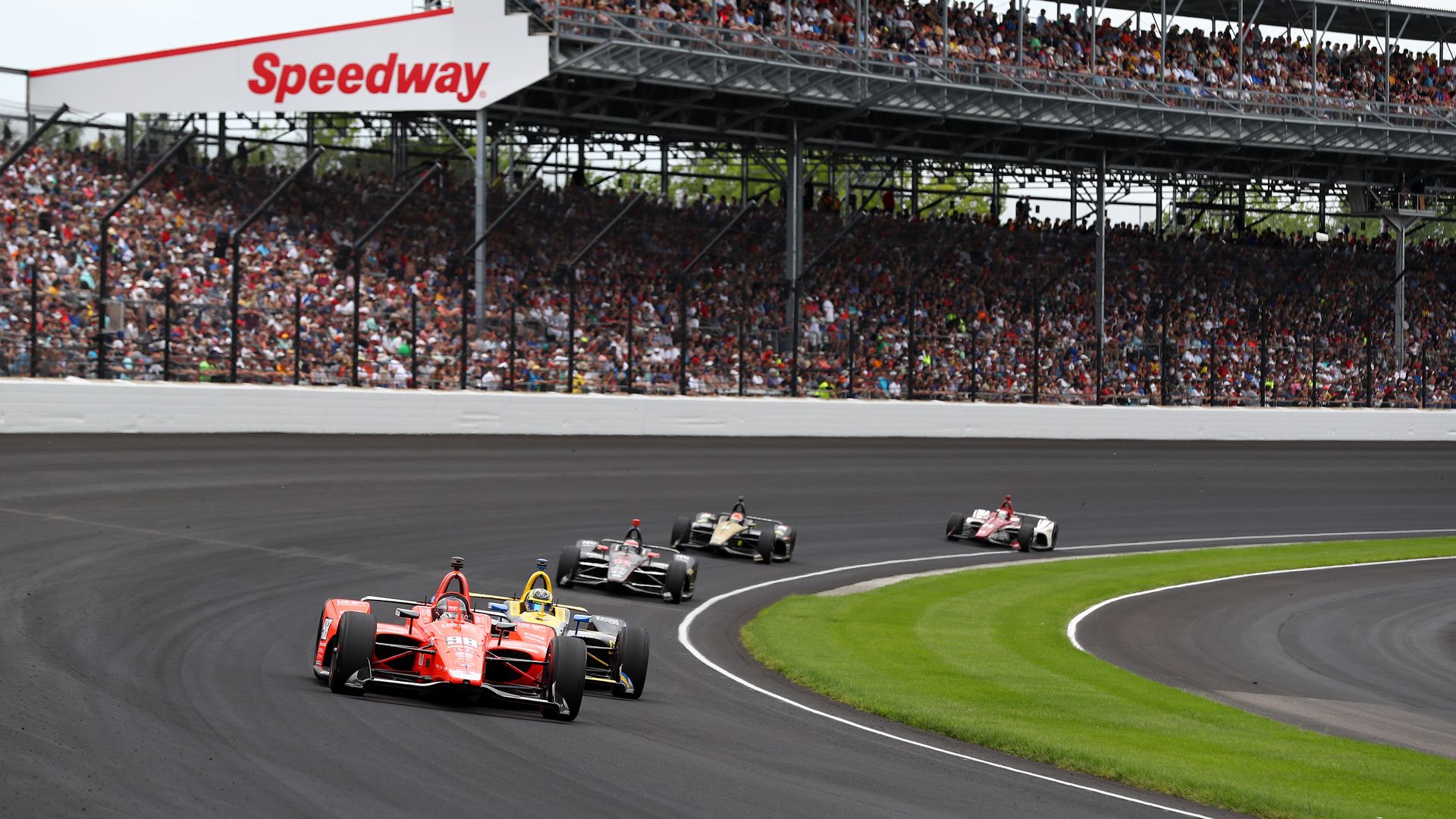
The Indianapolis Motor Speedway announced on Tuesday that it will hold the 2020 Indianapolis 500 on Aug. 23 without fans due to concerns over the coronavirus pandemic.
Why it matters: It's the first time in the race’s 109-year history that fans won't be in attendance and marks yet another professional sports disruption set off by the virus. The Indianapolis Motor Speedway had originally planned to hold the race at 25% stadium capacity.
Brentford and Fulham match up on Tuesday at world-famous Wembley Stadium in the EFL Championship Playoff Final, with the winner earning promotion to the English Premier League.
Why it matters: The annual match has been dubbed "the richest game in football," with the winner receiving hundreds of millions of dollars thanks to increased TV revenue and other financial perks of joining the world's best soccer league.
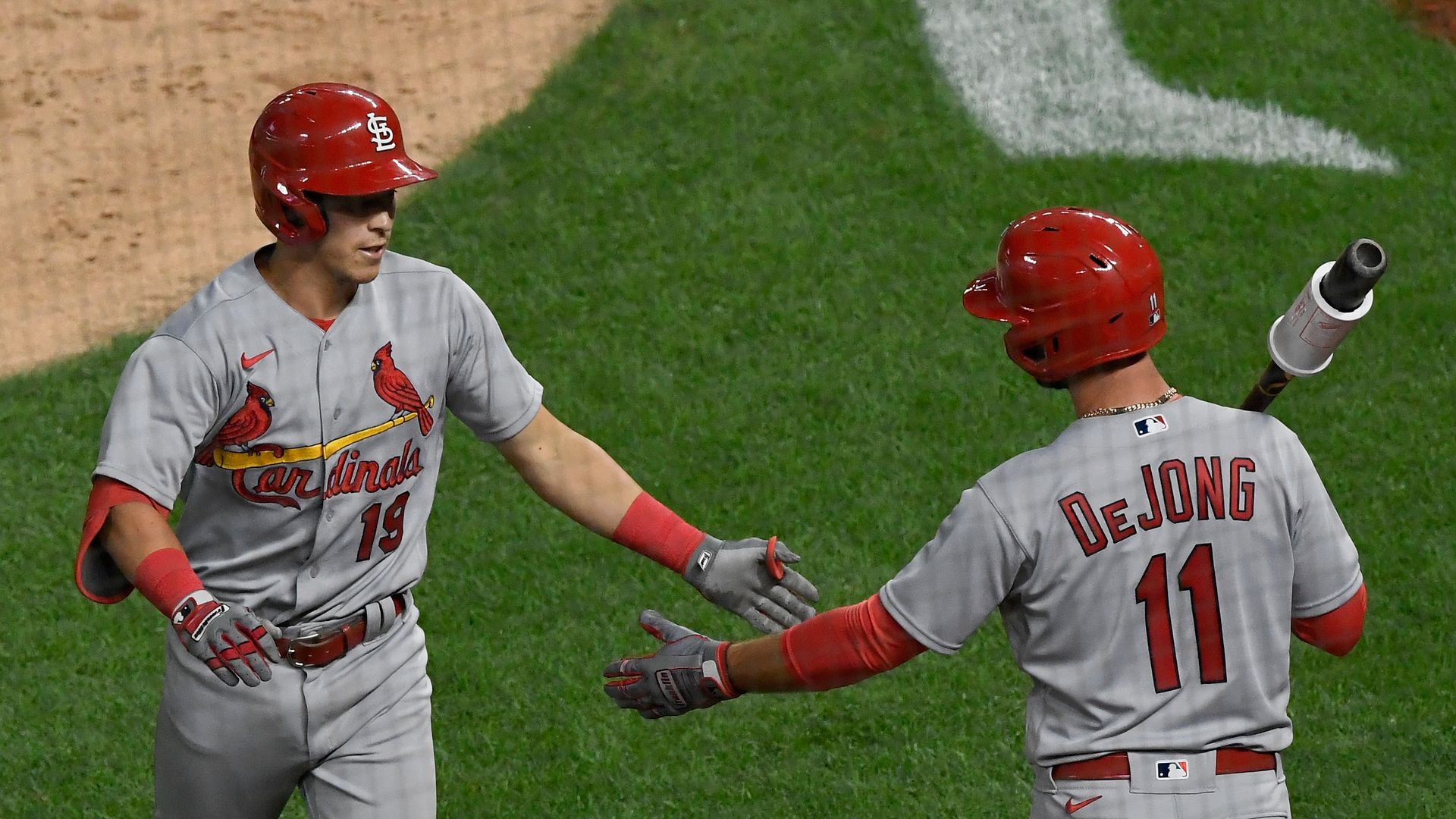
Seven players and six staff members from the St. Louis Cardinals have tested positive for the coronavirus over the past week, prompting the MLB to postpone the team's upcoming four-game series against the Detroit Tigers.
Why it matters: Seven consecutive Cardinals games have now been canceled after St. Louis became the second team to report a significant coronavirus outbreak, just two weeks into the season.
The coronavirus pandemic has fundamentally changed how teams, leagues and other sports organizations operate.
Why it matters: Some of those changes are temporary, but others will likely be permanent — and in some cases, COVID-19 merely sped up a technological evolution that was already well underway.
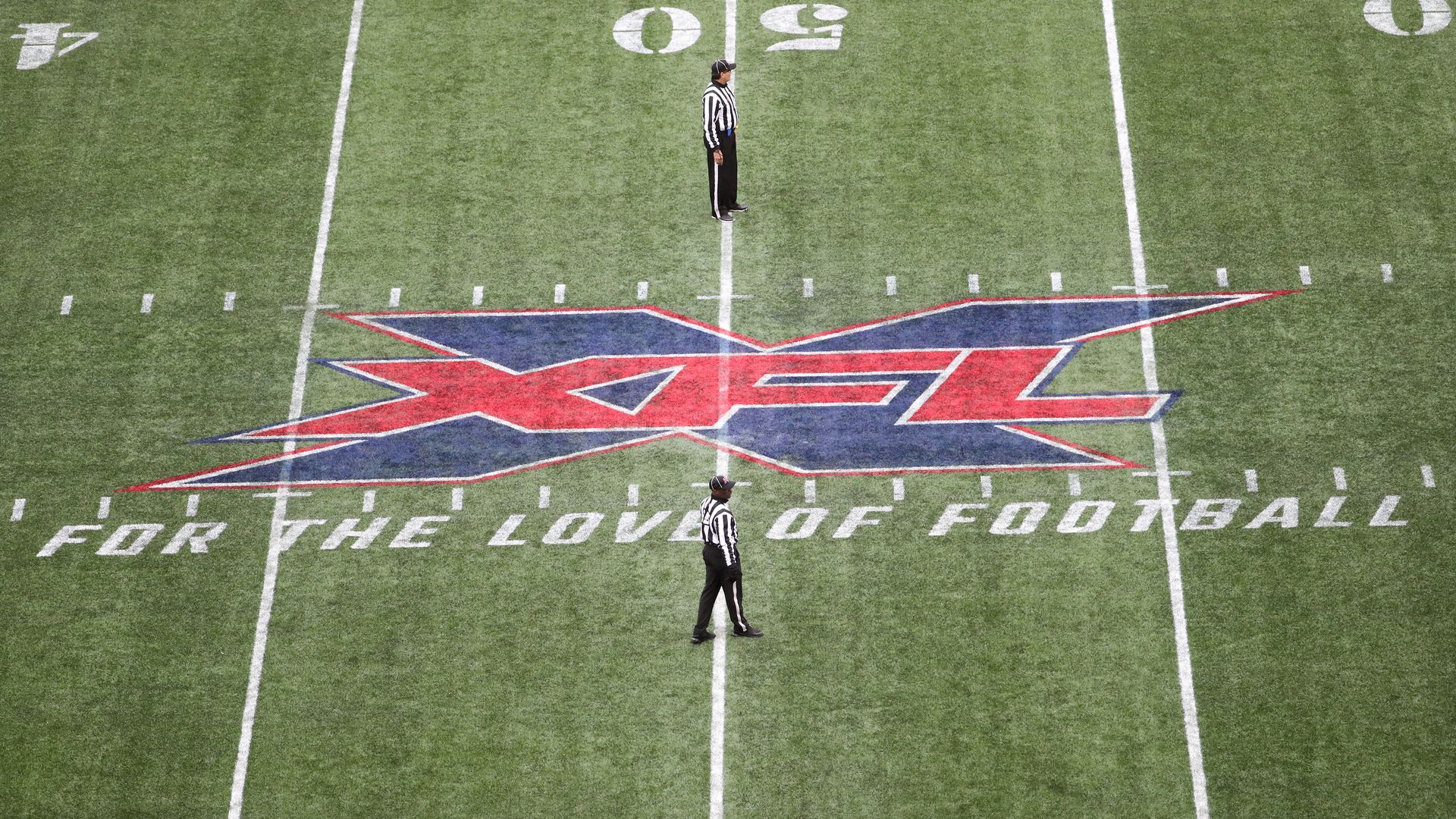
A group of Pac-12 football players have threatened to opt out of the season unless the conference addresses systemic inequities and concerns related to the coronavirus pandemic.
Why it matters: College football players have never had more leverage than they do right now, as the sport tries to stage a season amid the pandemic. And their willingness to use it shows we've entered a new age in college sports.