About 25% of Americans don't think measles vaccines for children are safe, according to new polling.
Why it matters: The U.S. is experiencing its highest number of measles cases in decades as childhood vaccination rates decline and Trump administration officials continue to cast doubt on vaccine safety.
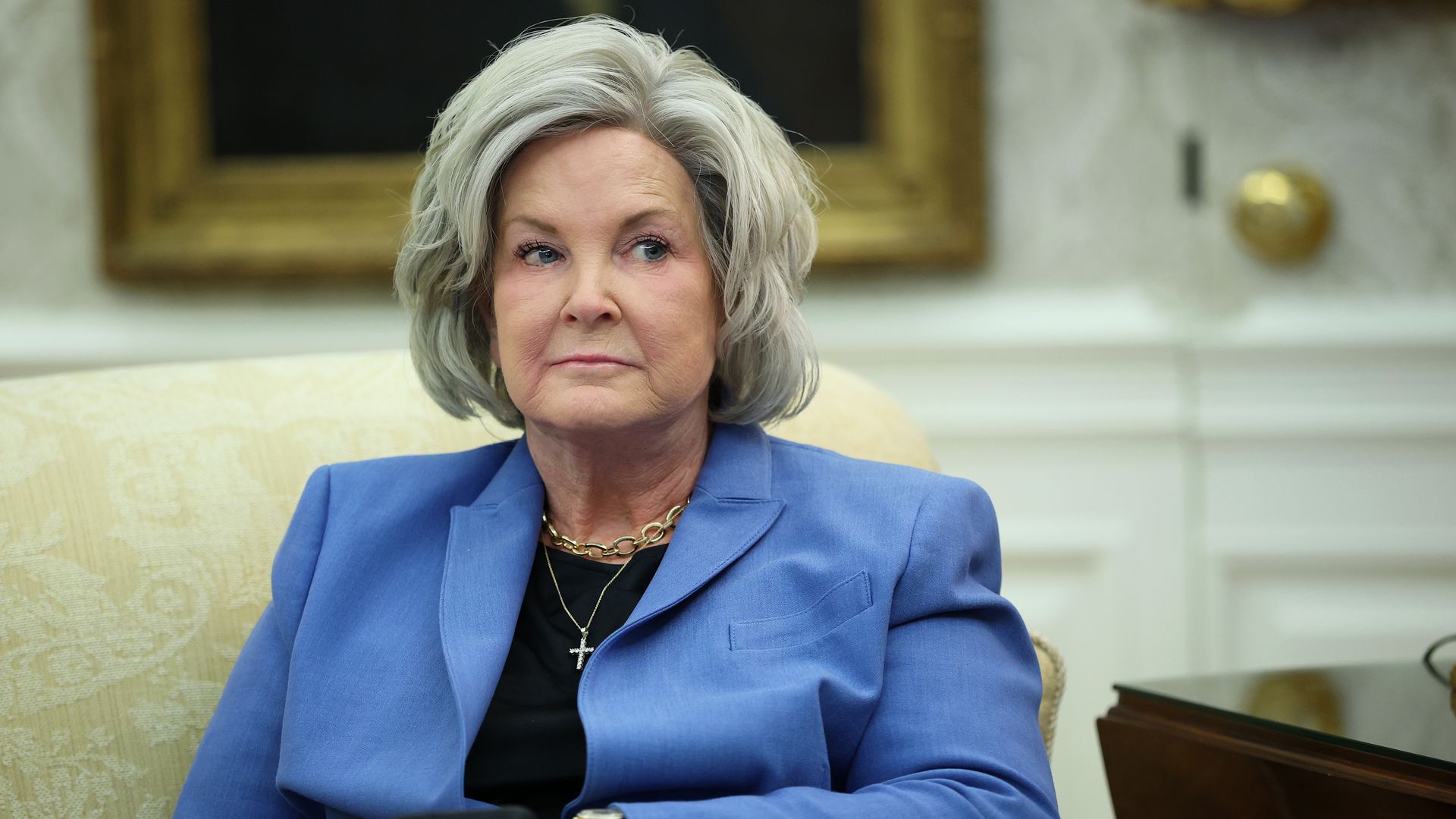
White House Chief of Staff Susie Wiles announced Wednesday she is cancer free.
The big picture: Wiles, President Trump's most trusted adviser, announced in March that she had early stage breast cancer, but planned to stay on the job as she sought treatment.
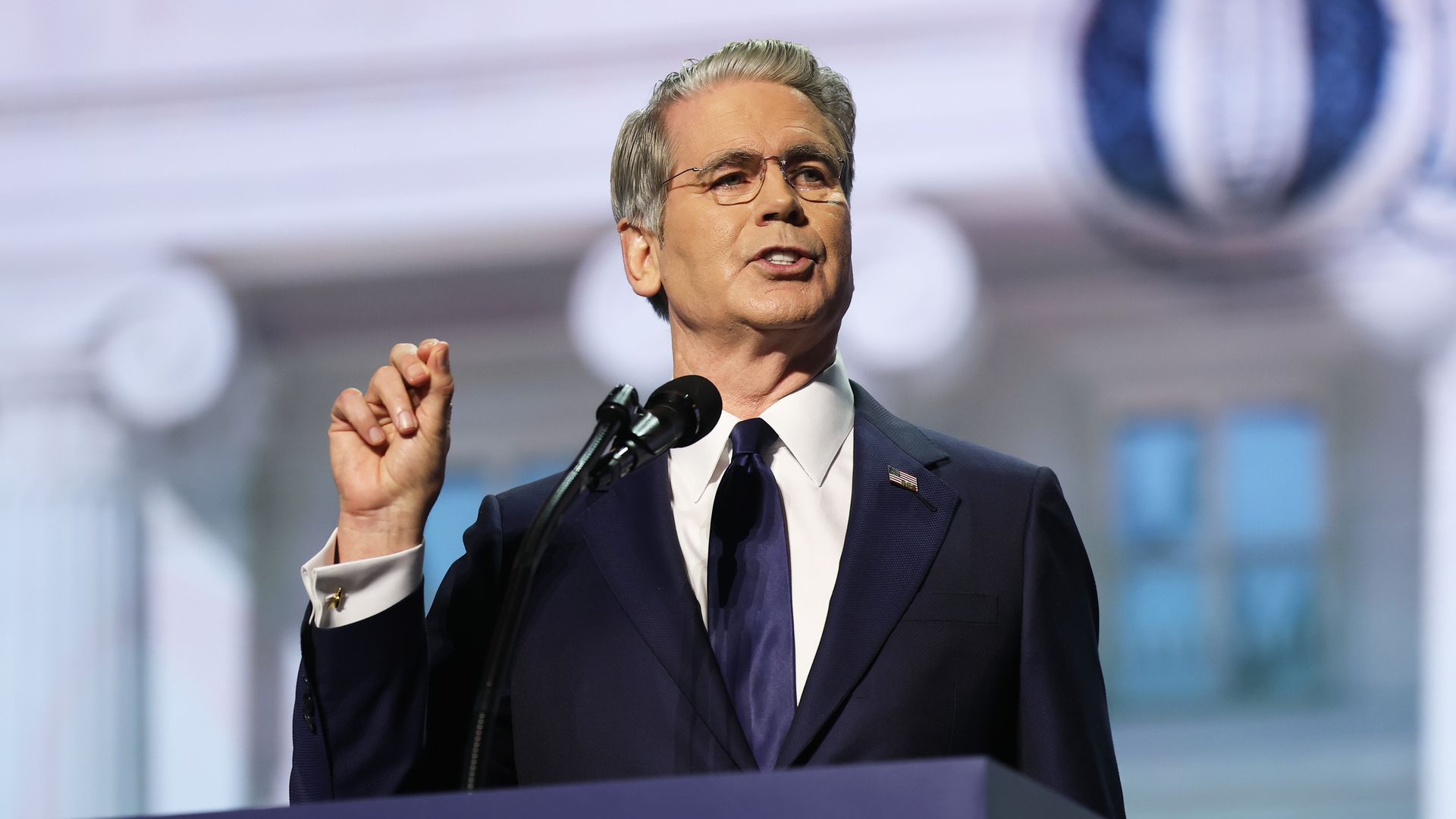
The U.S. is open to discussing shared risks with China in upcoming AI talks this weekend, Treasury Secretary Scott Bessent told Axios.
Why it matters: The Trump administration has flatly rejected calls from industry to pace or slow down the development of AI, citing a fierce race against China.
Curing disease is one of AI's most tantalizing use cases, fetching billions of VC dollars, but thus far it's generated more excitement than evidence.
That's the thrust of a peer-reviewed paper published in Nature Reviews Drug Discovery, which calls the clinical impact of AI "disappointingly limited."
The big picture: The researchers find that while AI has gotten good at identifying drug candidates, it hasn't done much to prove those predictions will survive the complexity of human biology.
Space weapons are real, and the U.S. has them in orbit right now, Air Force Secretary Troy Meink said this week at the Air, Space & Cyber Conference in National Harbor, Maryland.
Why it matters: Meink's statement is the first time the U.S. government has acknowledged deploying weapons in space — a significant change in how the world discusses these highly sensitive, provocative systems.