Saturday's science stories

Axios AI+NY Summit: Takeaways from the 2026 summit
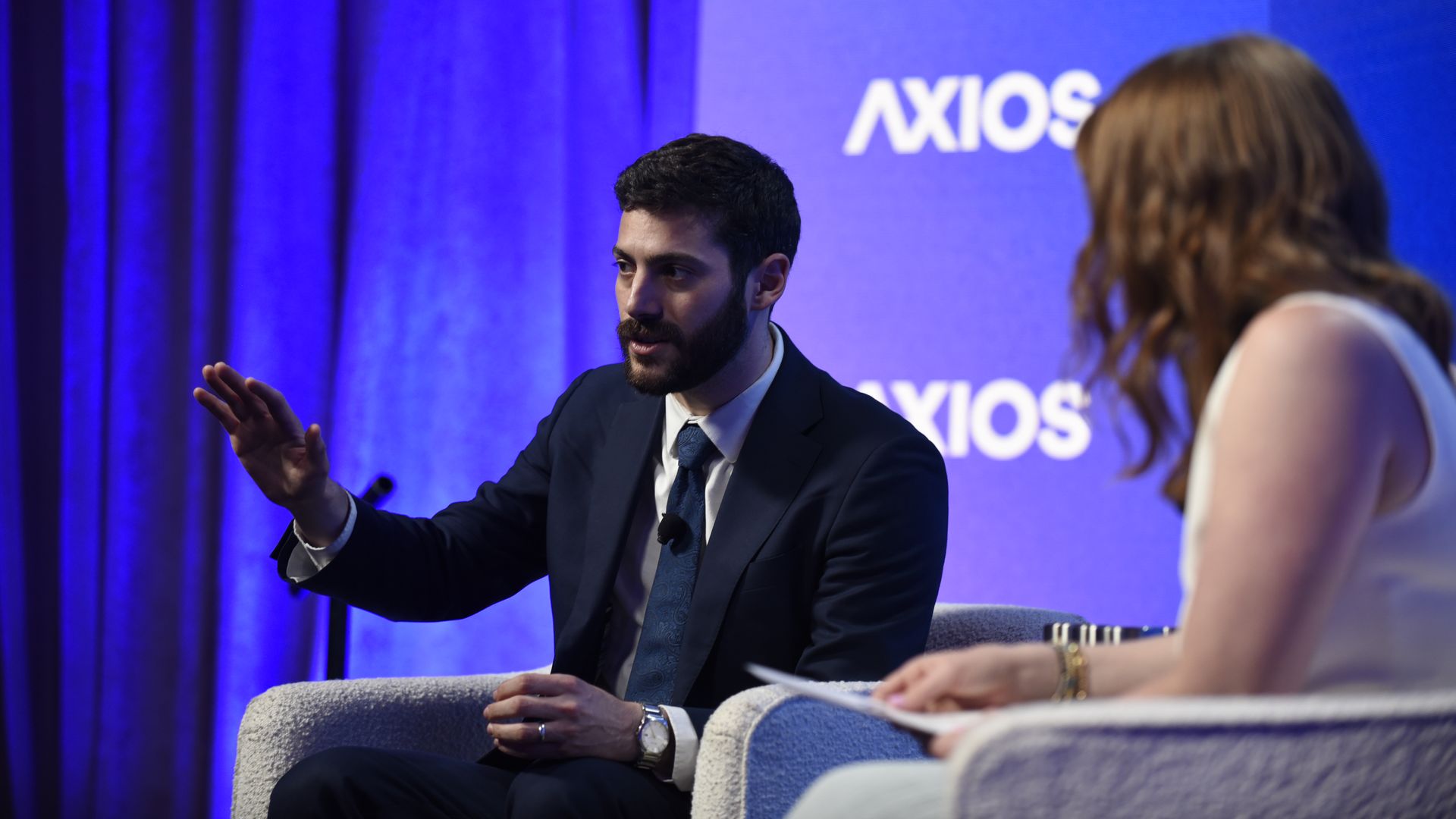
NEW YORK — Policy, business, technology and entertainment leaders joined Axios for its third annual AI+NY Summit on June 3.
Why it matters: AI is reshaping industries central to New York's economy, and how the technology is implemented and regulated will determine who benefits — or gets left behind.
- The event was sponsored by American Innovators Network, Allison Worldwide, Bank of America, DXC Technology and Nasdaq.
Catch up quick: Here are our top takeaways from the conversations.
1. Voters are worried about AI, said Alex Bores, a Democratic State Assembly member who is running for a U.S. House seat in New York's 12th District.
- "It's the No. 1 thing people come up and talk to me about," he said.
- Those most concerned with AI are recent graduates and their parents, he added.
- "It really seems to be top of mind because it's a thing that our government is clearly behind" on, and the White House "is not putting forward solutions that are working for everyday Americans."
2. IBM chair, president and CEO Arvind Krishna revealed exclusively he thinks the White House's new AI regulatory framework, which includes suggested AI model testing to make sure it's safe, is "the right one."
- Though cooperation is technically voluntary, "it's really hard to say no to the guy who sits behind the Oval Office," Krishna said.
- "Acquisition budgets have a lot of teeth in them," and organizations that don't cooperate could be told "if you don't follow it, then nobody in the federal government can acquire anything from you."
3. Even industry titans are at risk of disruption if they don't keep up with user behavior and technology, Yahoo CEO Jim Lanzone said.
- "It's your game to lose … if you don't keep innovating and staying ahead of the game and modernizing your product," Lanzone said.
- Yahoo is launching two new products supported by its AI tool, Yahoo Scout, Lanzone announced at the event.
4. AI costs are rising so quickly that companies should incorporate employee use into hiring decisions, Glean founder and CEO Arvind Jain said.
- "Businesses have to seriously think about their future headcount plans, adjusting it to make room for all of the money they're going to need to run AI," Jain said.
- "AI technology is probably the most expensive technology that we've ever seen."
5. GLAAD president and CEO Sarah Kate Ellis made three recommendations on how to improve AI.
- Human input is necessary to weed out the bias often found in models, an "opt in" feature should be offered for sharing private and potentially incriminating information, and the foundational model needs to be fixed, she said.
- "There's a business imperative here" around trust, she added. "Trust is the biggest currency with AI, and whoever wins this trust war wins the AI war."
What's next: Data centers in space are the new frontier, Aurelia Institute CEO and Aurelia Foundry Fund general partner Ariel Ekblaw said.
- "In five years … you'll probably see a distributed AI data center on Starlink," Ekblaw predicted.
Go deeper: Watch the full interviews on YouTube
Content from the sponsors' segments:
In View From the Top conversations, American Innovators Network senior advisor Cameron Onumah said a "one-size-fits-all" approach to regulation doesn't work, and distinctions based on variables like desired outcome and industry are needed.
- "At the state level … they see it as one big problem, not knowing the downstream effects could impact hundreds if not thousands of different kinds of startups," Onumah said.
Bank of America chief technology and information officer Hari Gopalkrishnan said that to implement AI effectively, companies must involve employees.
- Successful adoption requires that employers understand what their workers actually need from AI and how they could use the technology in a practical way, he said.
- Bank of America also invests heavily in internal upskilling, and "today about 44% of our job placements are internal mobility."
Sandeep Bhanote, DXC Technology global head and general manager of financial services, suggests this analogy when it comes to transitioning to AI: "How do you eat an elephant? One bite at a time."
- "Let's deliver incremental wins that are meaningful, where you can actually do things at your pace," Bhanote said.

Scoop: Smash leads $200M deal for defense-tech Allen Control Systems

Years before he helped launch Disney+, or helped the Mouse buy Marvel and Star Wars, Kevin Mayer studied mechanical engineering at MIT and spent time working on battlefield radar systems and signal processors.
- Now he's getting back to those roots.
Driving the news: Smash Capital, the venture firm Mayer co-founded in 2021, has led a $200 million Series B round for autonomous turret maker Allen Control Systems at a $2.2 billion post-money valuation.

Medical innovation's big moment

Decades of scientific investment have paid off just in the last month, with researchers announcing promising breakthroughs against cancers and other deadly afflictions.
Why it matters: They're all the product of a rigorous innovation system that delivers — though some have one important limitation: All they can do is buy someone a few more years.

Meet the official quietly leading Trump's science and tech push
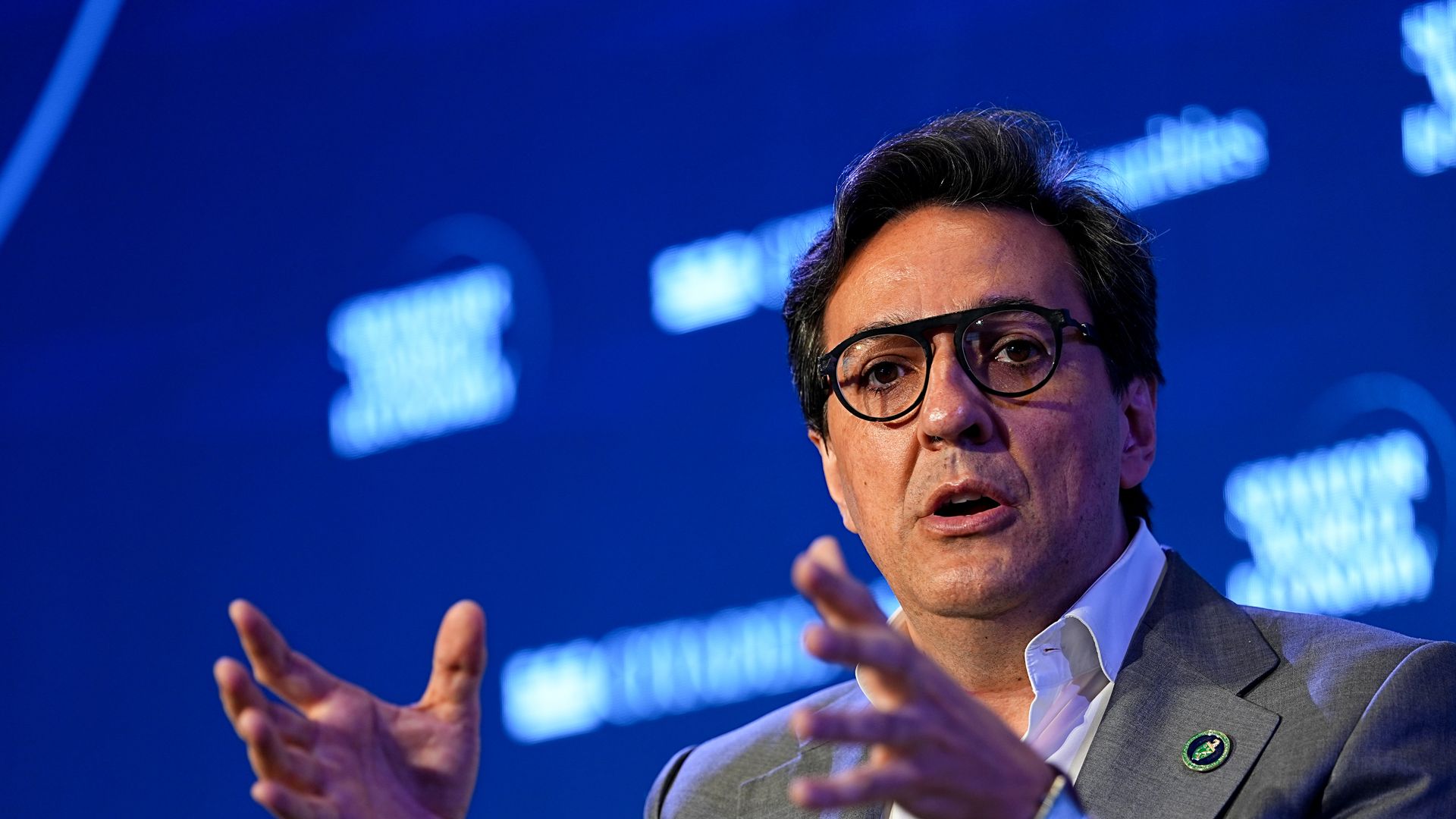
Energy Department undersecretary Darío Gil is taking a long-term view of science and technology.
Why it matters: While President Trump's second term has been marked by high-drama fights over AI policy, Gil's been working behind the scenes to strengthen U.S. competitiveness in science and tech.