Meet ALEX by Admired Leadership, an AI coach built on a rare foundation: more than 40 years of research into 15,000 exceptional leaders and nearly 2 million words of proprietary research on what actually works in high-stakes leadership moments.
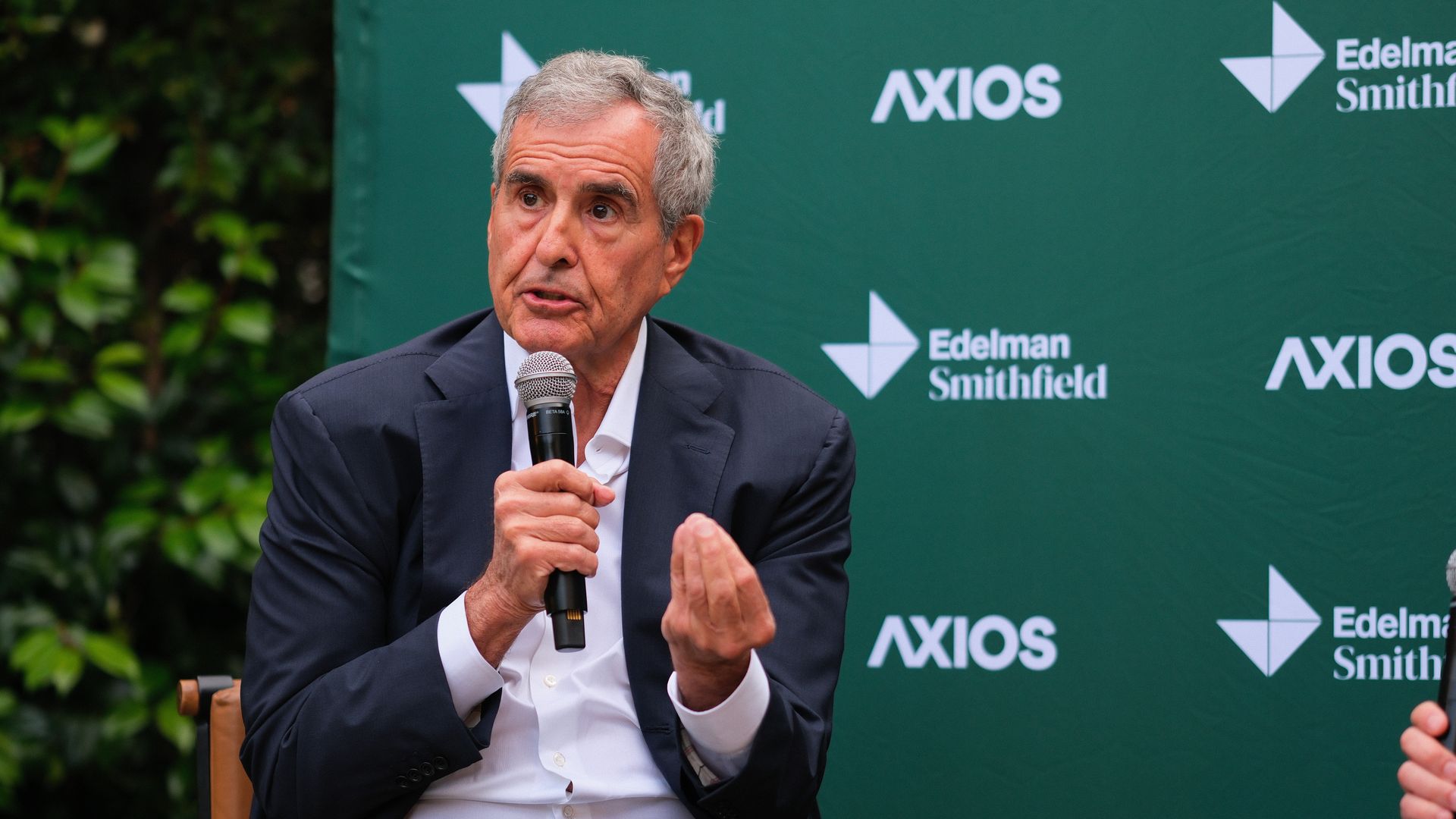
LOS ANGELES — Media companies should focus on creativity instead of growth, The Chernin Group co-founder and North Road chair Peter Chernin said at a May 3 Axios Live event.
Why it matters: Original content gives smaller studios a rare opportunity to compete with industry titans.
Axios' Dan Primack spoke to Chernin for the event, which was sponsored by Edelman Smithfield.
Fun fact: At the time of the interview and a first for the streaming platform,Chernin's production company had the No. 1 TV show ("Man on Fire") and movie ("Apex") on Netflix.
What they're saying: "You can't beat an incumbent on scale," Chernin said. "You beat an incumbent on creativity."
Studios are also "wildly over-focused on sequels," he added. "Those companies should be in the business of creating and inventing original" intellectual property.
"The most exciting things happen where young people and talent and technology come together."
Case in point: North Road's new movie "Backrooms," directed by YouTube creator Kane Parsons and based on a 2019 viral internet post, is projected to be "the most successful new horror movie in the last several years," Chernin said.
What's next: Chernin recommends that major platforms rethink their approach to keeping everything in-house when it comes to ownership, production and distribution rights.
"Embrace independent, creative companies" to stay competitive and relevant, Chernin said.
"Resisting technology is a stupid idea," he added.
Content from the sponsor's segment:
Lisa Leiter, Edelman Smithfield's managing director and U.S. co-head of financial services, told Axios publisher Nicholas Johnston that the rise of AI is causing concern.
"People are worried about losing their jobs," she said, "and there's a fear that [AI] could really damage society."
Companies should be clear, concise and specific as they share information with the public to reinforce trust, she added.
Scale AI CEO Jason Droege tells Axios that AI is often too unreliable for mission-critical use by business, military and government.
"The cost of mistakes in these environments can be high," Droege, 47, said in an interview from San Francisco, where Scale — which celebrated its 10th anniversary this week — is based.
Why it matters: Droege — who succeeded founder Alexandr Wang last June when the wunderkind became Meta's first chief AI officer, and Meta took a 49% stake in Scale — wants to signal that it isn't merely a data annotation company, but has long been an AI infrastructure and deployment company.
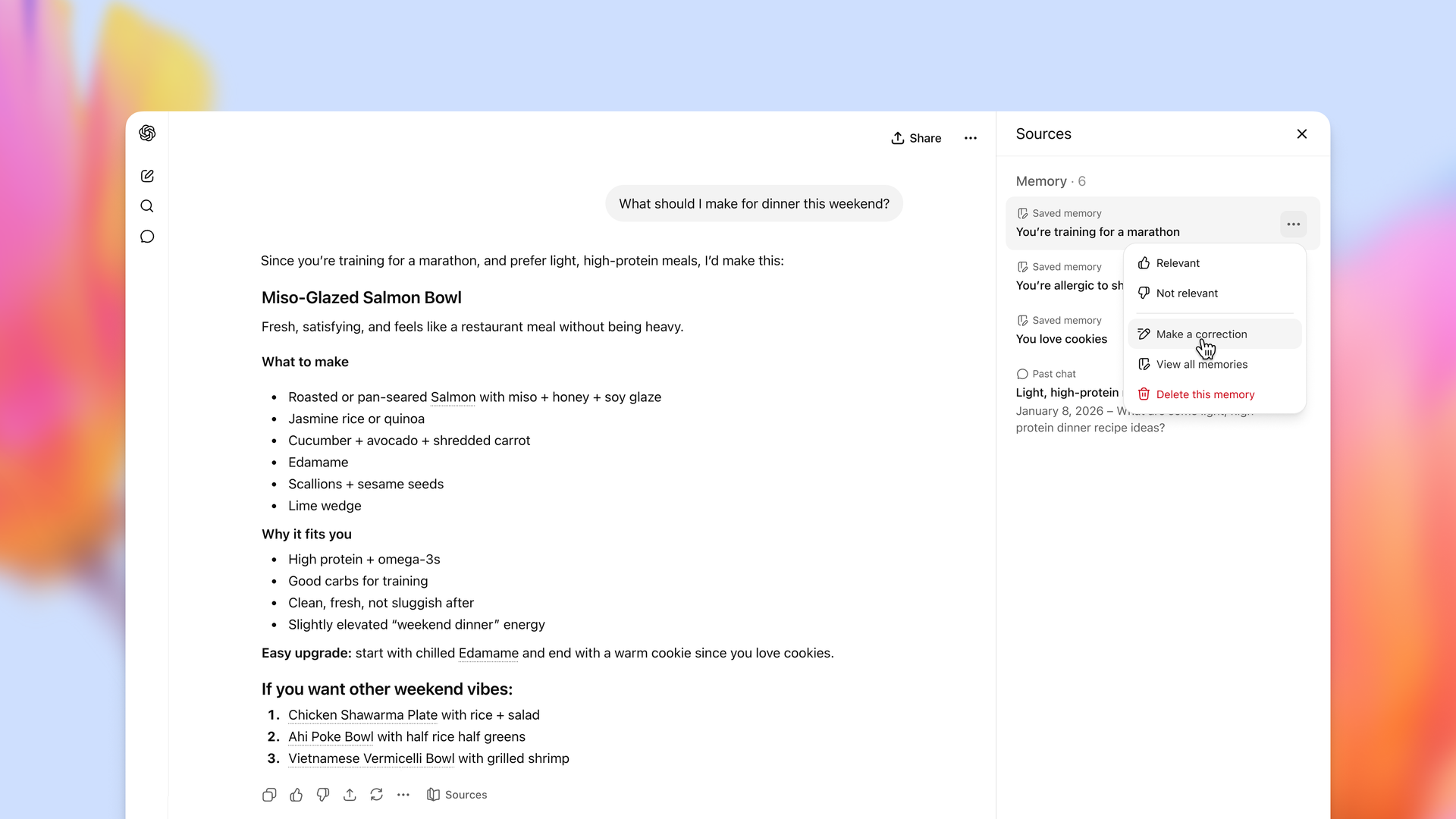
OpenAI is making the default ChatGPT more accurate and more personal — changes that could increase people's reliance on it, while also increasing its access to their lives.
Why it matters: Even subtle changes to a chatbot's tone, accuracy or memory can trigger backlash.
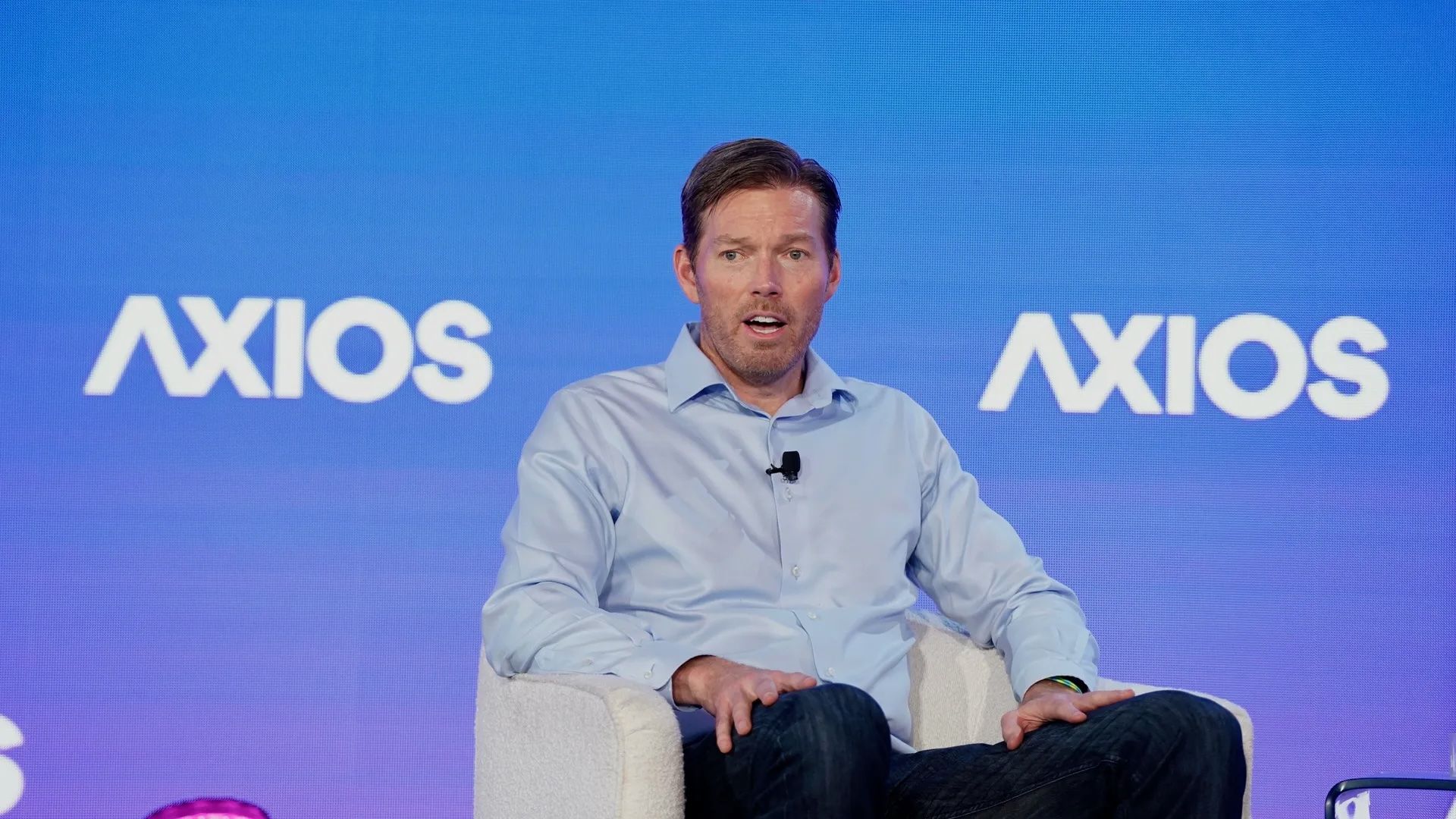
In-Q-Tel is refashioning its investment strategy to focus on a smaller number of big bets in key areas like autonomy, contested logistics and critical infrastructure, CEO Steve Bowsher told Axios.
The big picture: The venture capital firm, birthed from the CIA, helped elevate Anduril Industries and Palantir Technologies, among the splashiest companies in today's defense-tech frenzy.
Its hundreds of other investments include drone-maker Neros, cyber specialist Twenty and remote-sensing company ICEYE.
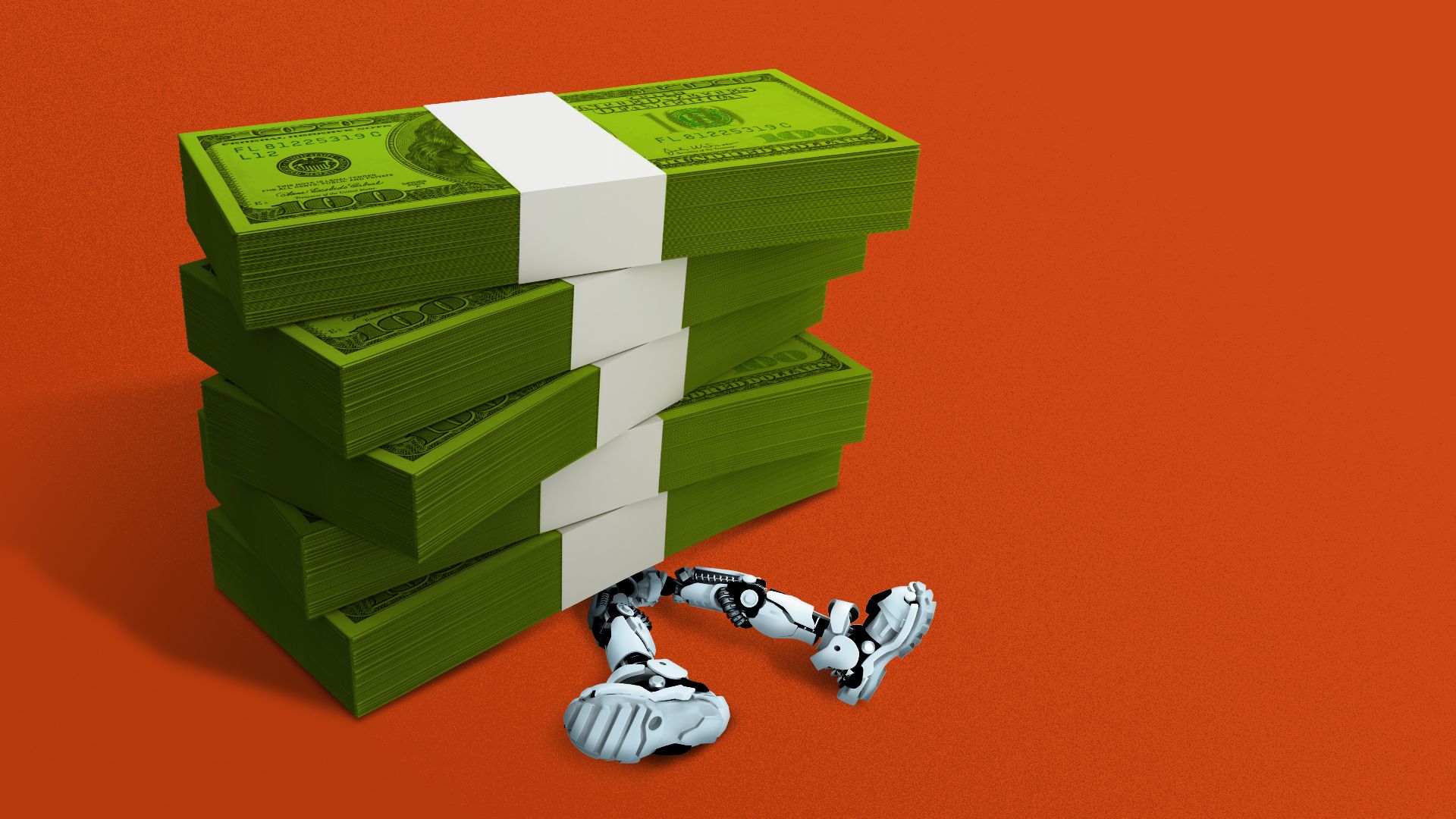
The biggest tech companies are set to spend $1 trillion on AI by next year, according to multiple banks, a bill so big that it's propping up both the stock market and economy.
Why it matters: Our financial system is now load-bearing on AI spending that may never pay off, and most investors can't even see what the full tab is.