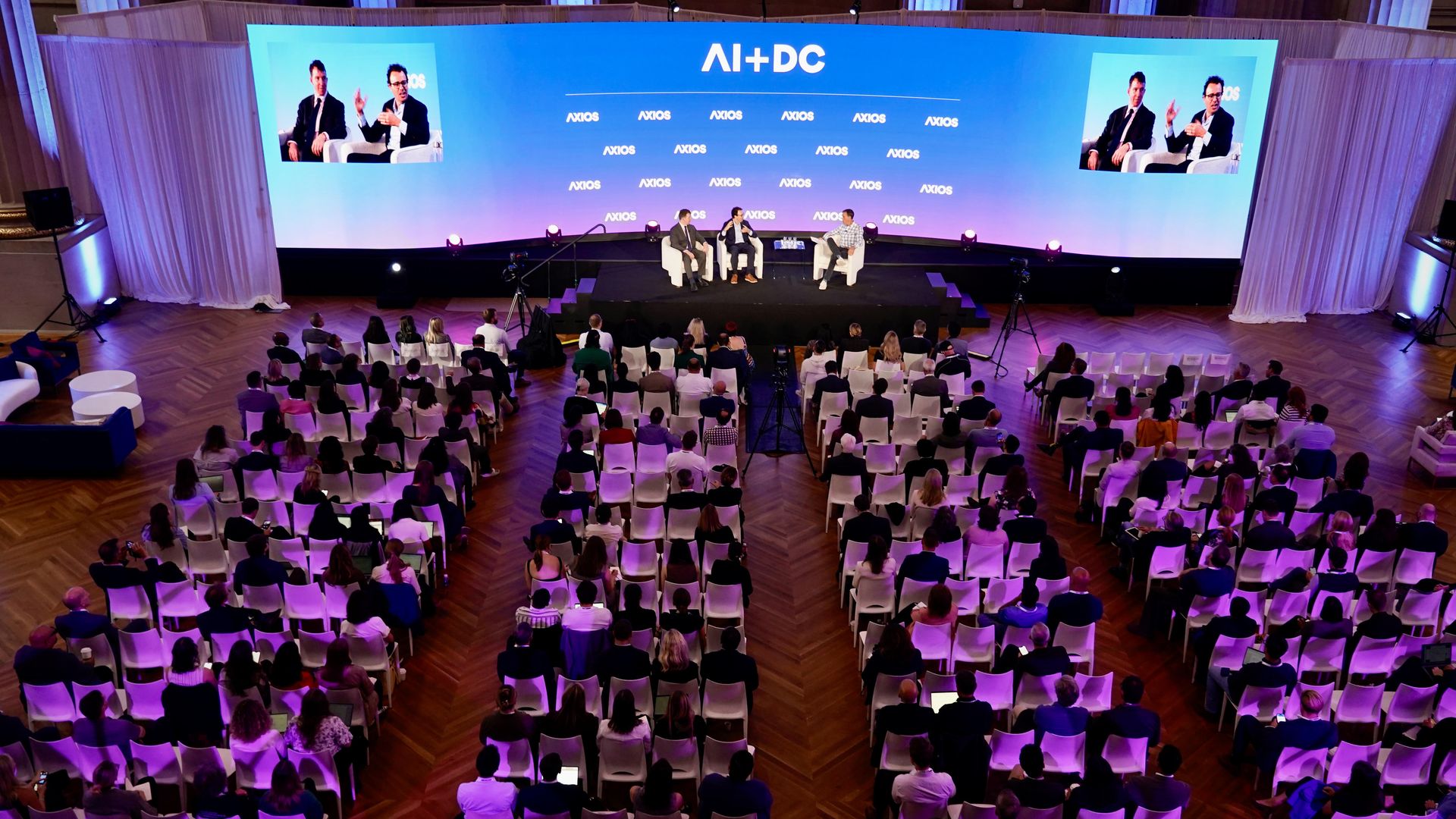
WASHINGTON, D.C. – The AI race, regulation, job displacement and safety were top of mind for government and tech leaders at the Axios' AI+ DC Summit on Wednesday.
Why it matters: The U.S.-China AI race and acceleration of innovation are major focuses of the Trump administration, but they raise concerns about guardrails and job layoffs.
The summit was sponsored by the Center for Audit Quality, Hewlett Packard Enterprise and Intuit.
Here are the key takeaways:
🤖 U.S. chips may be the only leg up the country has over China in the race for AI dominance, Anthropic CEO Dario Amodei said, while also warning that AI's ability to displace jobs is advancing quickly.
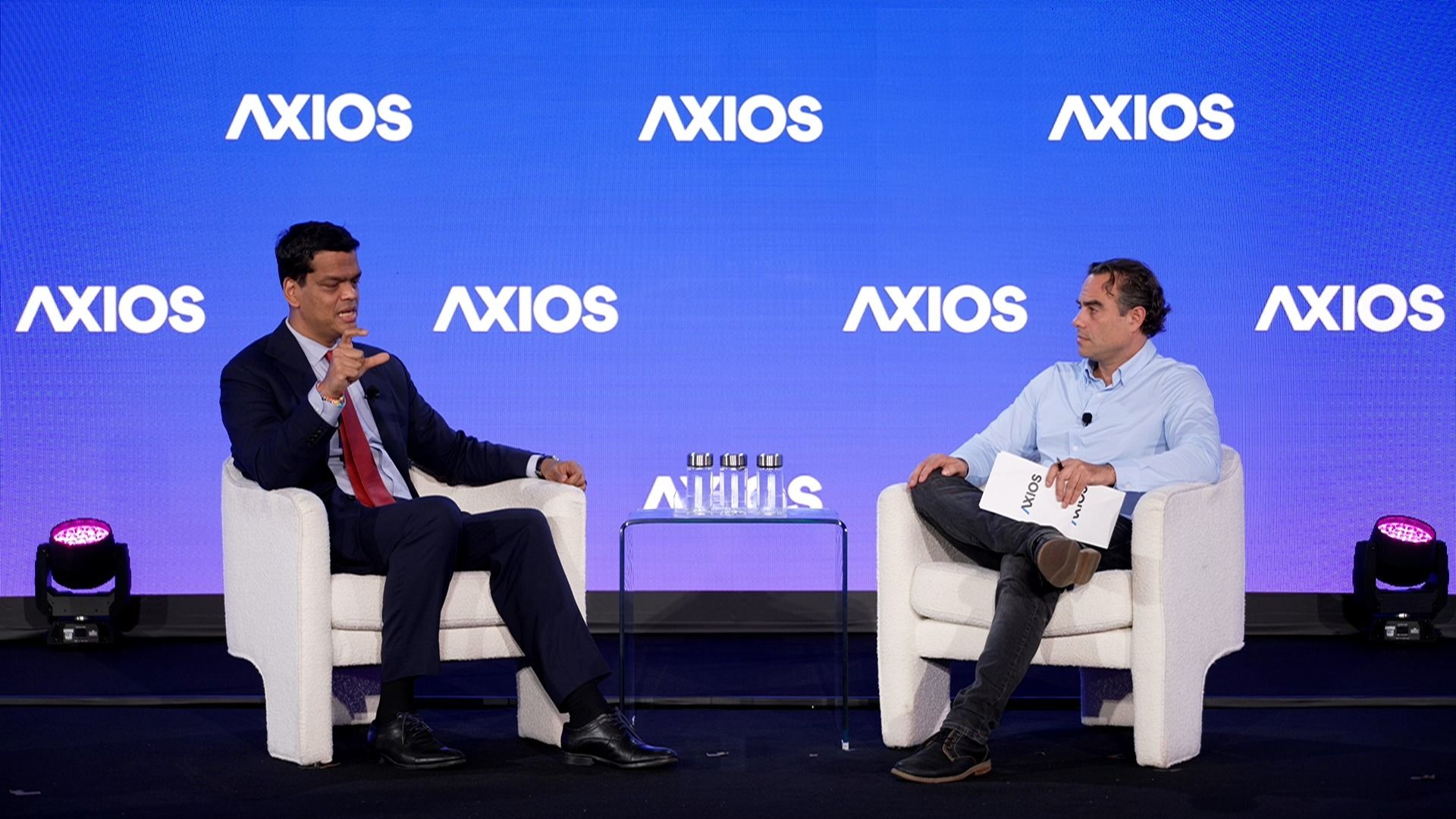
🌏 White House AI adviser Sriram Krishnan said he views the AI race against China as a "business strategy," with success measured by market share of U.S. chips and global AI model use.
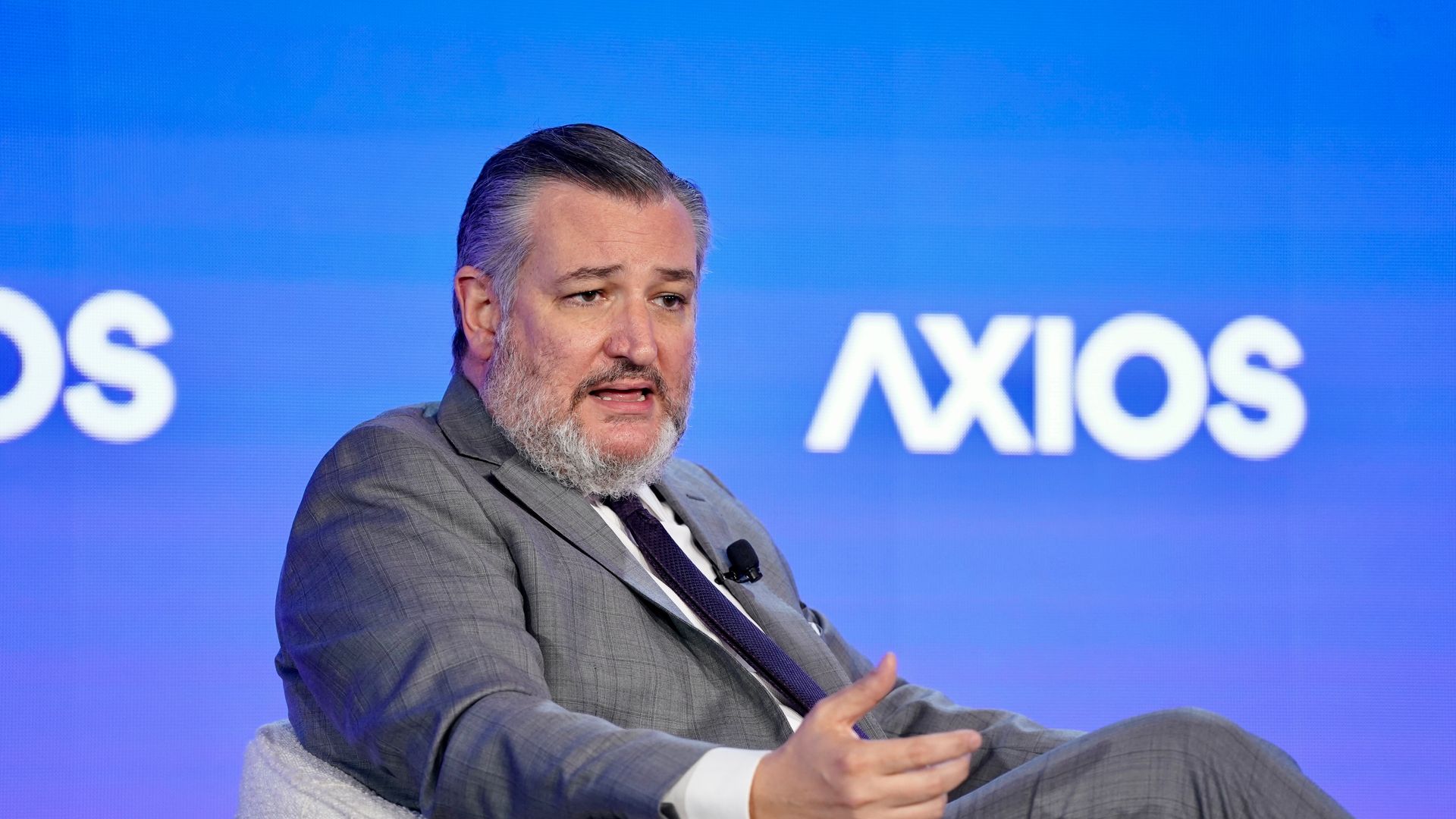
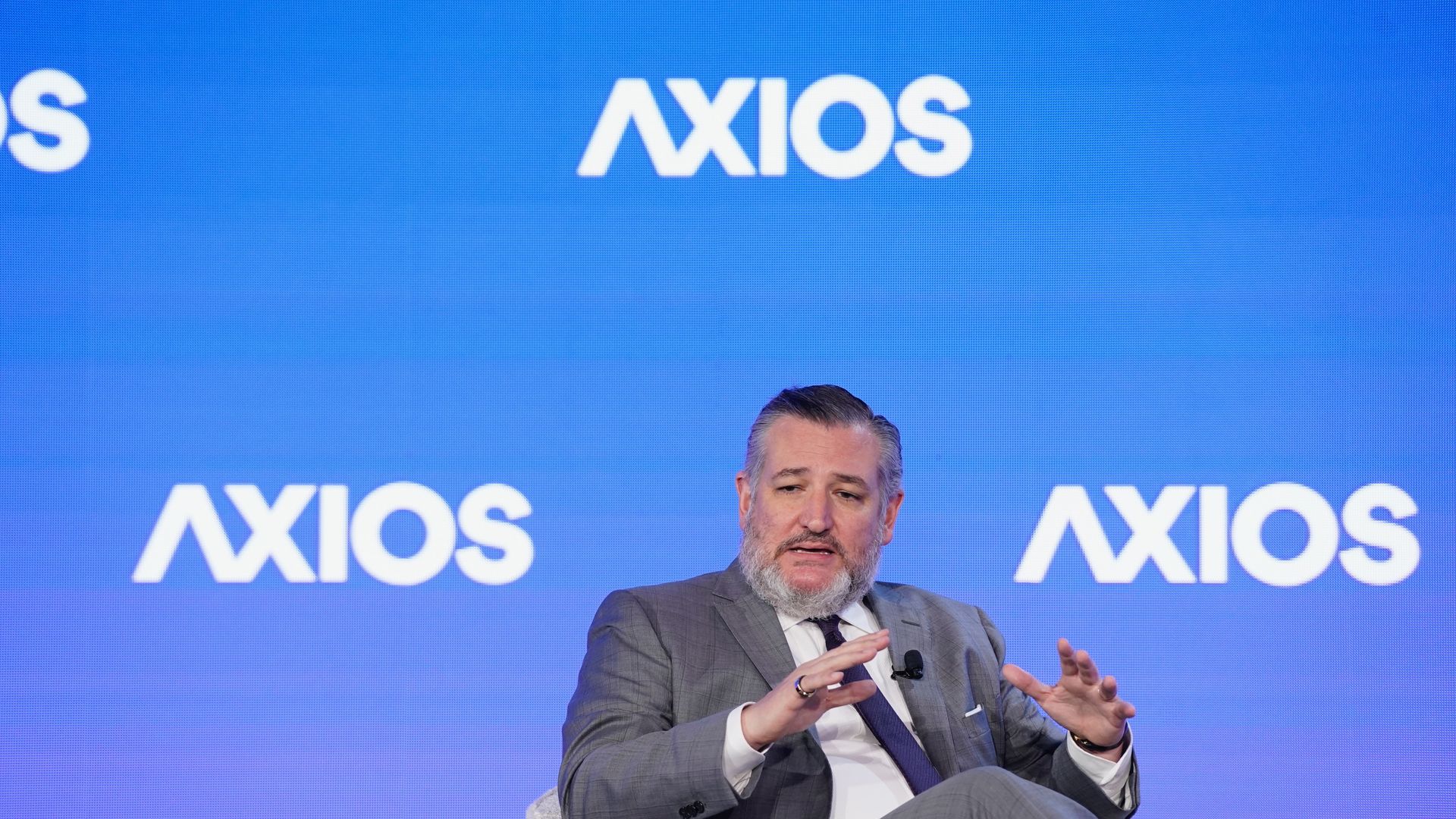
📃 Sen. Ted Cruz (R-Texas) said a moratorium on state-level AI regulation is still on the table, despite being left out of the "one big, beautiful bill" that was signed into law. "I still think we'll get there, and I'm working closely with the White House," he said.
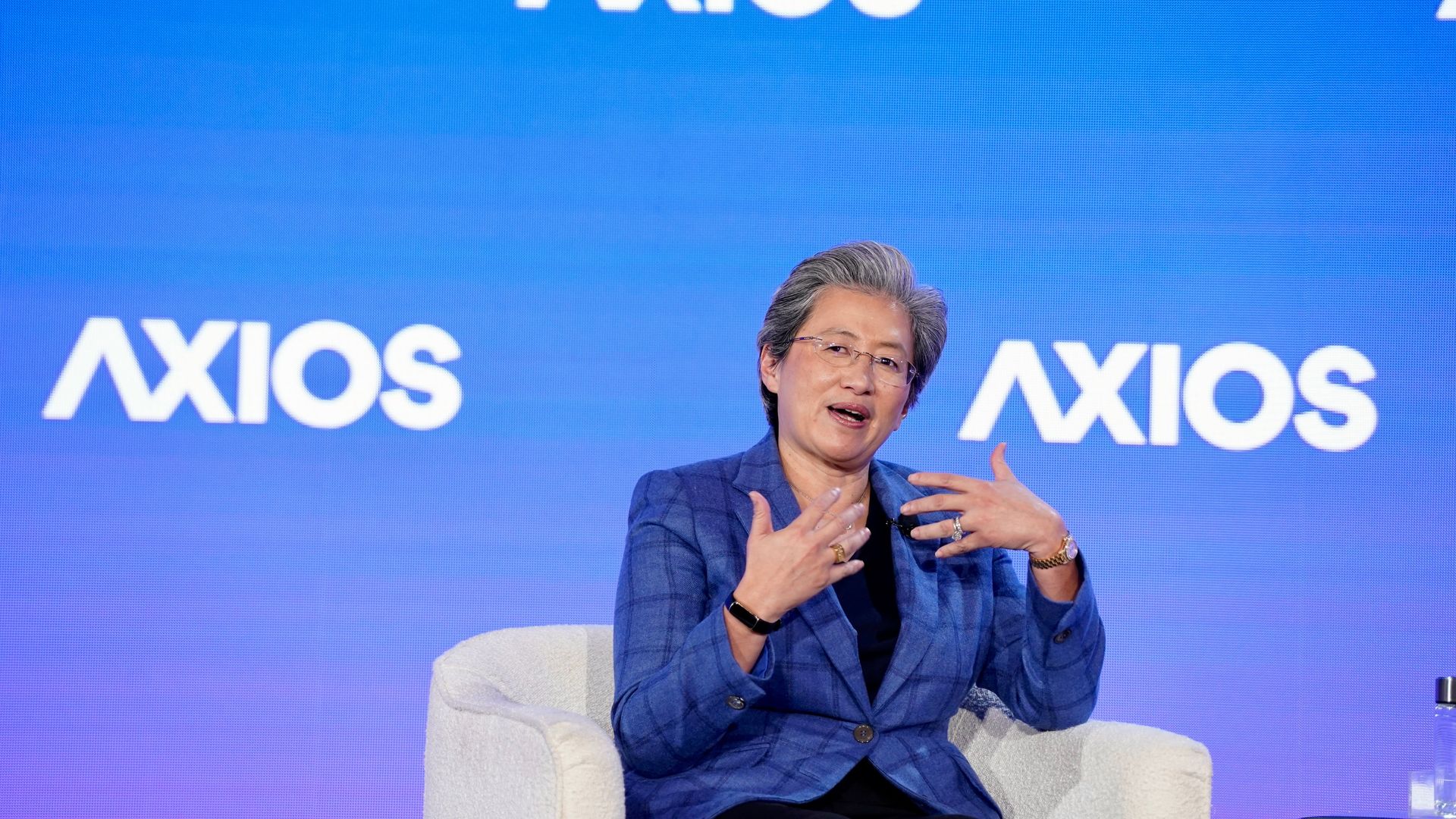
🕐 The AI tech arc is just at the beginning of a "massive 10-year cycle," AMD chair and CEO Lisa Su said.
💥 Rep. Ro Khanna (D-Calif.) blasted the Trump administration'sexecutive order on preventing "woke" AI. "That's like a 'Saturday Night' skit. Like how could AI be woke? I mean, who thinks of these things? Did Grok think of that? ... I'd respond if it wasn't so stupid."
🪖 Allen Control Systems co-founder and president Steve Simonisaid the U.S. lags behind other countries like China when it comes to the ways drones are reshaping warfare.
🏢 White House adviser Jacob Helberg said if massive job displacement occurs because of AI, the government doesn't need to step in because more jobs would emerge as they did after the internet boom. "The notion that the government necessarily has to hold the hands of every single person getting displaced actually underestimates the resourcefulness of people," Helberg said.
🦺 Credo AI CEO Navrina Singh said the AI industryneeds to implement tougher safety standards or risk losing the AI race with China.
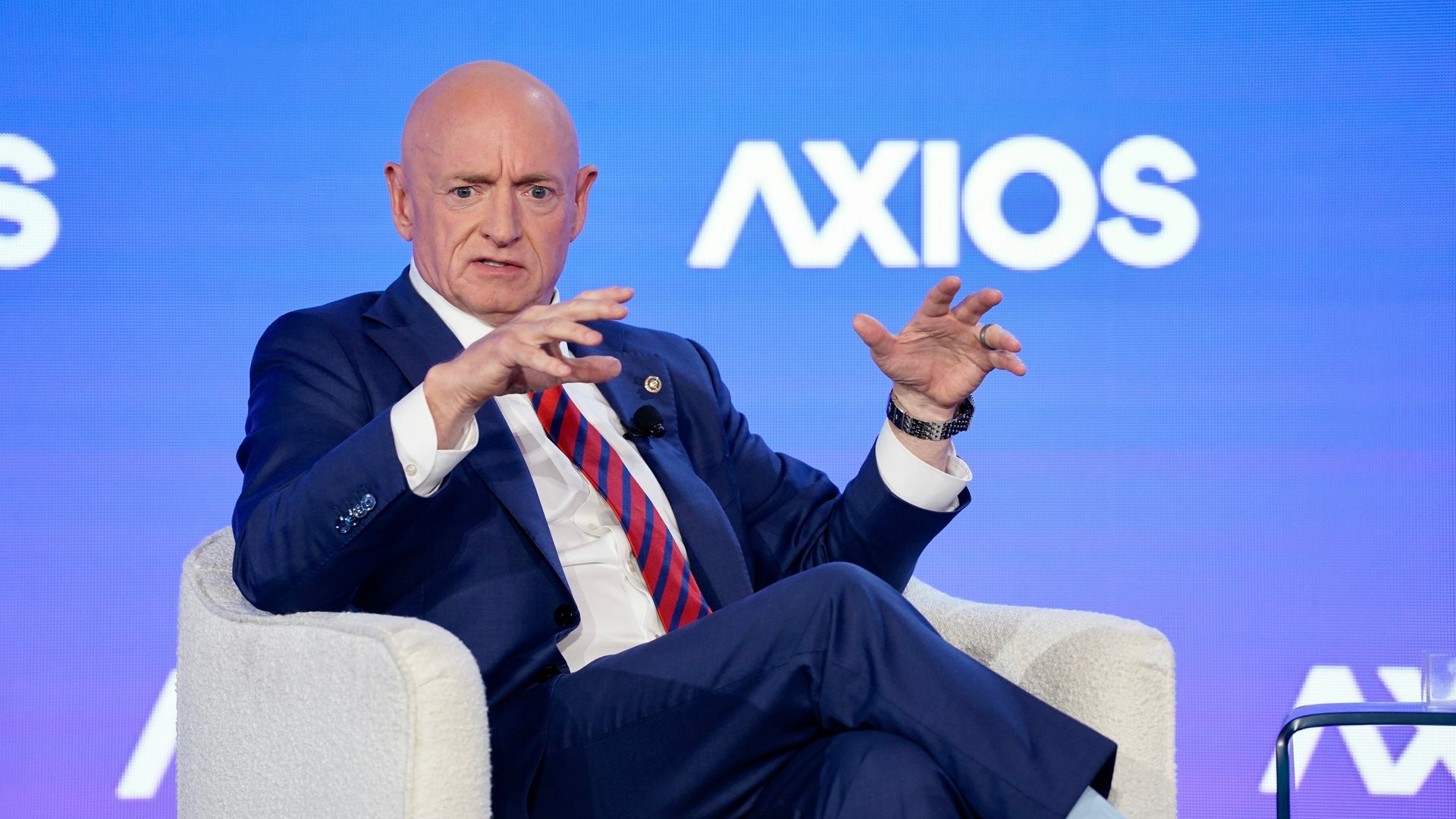
🖼️The U.S. needs "the right framework in place to lead the world in AI," Sen. Mark Kelly (D-Ariz.) said. This comes just as he unveiled his AI policy roadmap.
Content from the sponsored View From the Top conversations:
Julie Bell Lindsay, CEO of the Center for Audit Quality, and Anchor Change founder Katie Harbath discussed the importance of AI trust and guardrails.
"One of the biggest hindrances to the adoption of AI is trust. If you don't have trust, people are not going to use the technology," Lindsay said.
Kirk Bresniker, chief architect at Hewlett Packard Labs and fellow and vice president at Hewlett Packard Enterprise, shared that confidence in AI should be a measurable tool to push forward its trust and deployment.
"'Here's a technology and here is why it is fit for use,' and that's so much about what we've developed in our principles – one half of them is actually the human rights focus lens, the second is engineering," Bresniker said. "And together those two teams have come together and created those to understand these new boundary conditions … intersect with really challenging societal problems."
Anoop Sreenivasan, Intuit VP of go-to-market technologies, said over 90% of the small businesses that Intuit surveyed use AI in some capacity.
"One of the key reasons behind that is that businesses and government agencies have leaned in to help small businesses with training and resources to help them use AI better," he said.
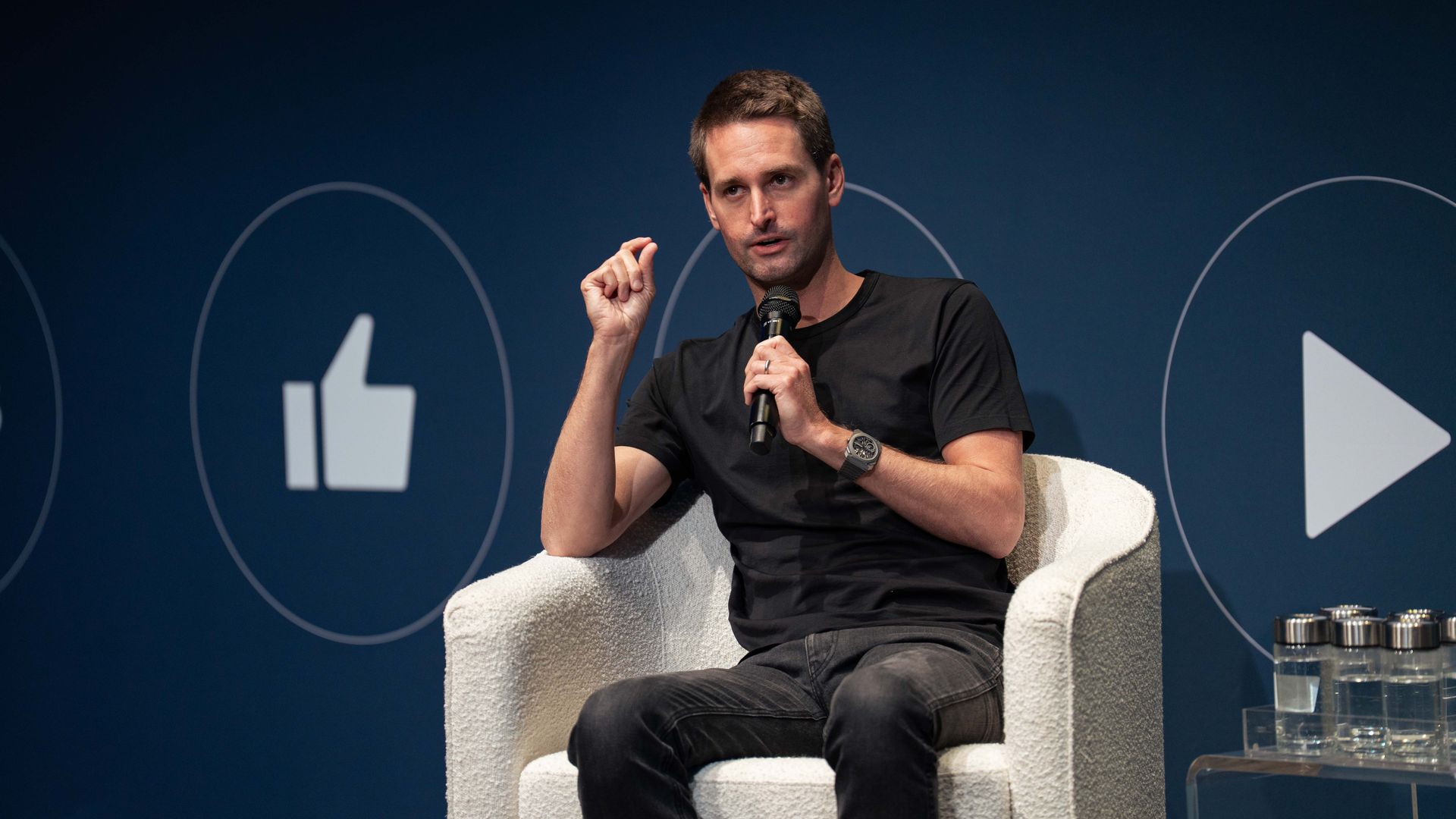
Snap doesn't need to raise funds to launch its new Specs augmented reality glasses next year, but could consider opportunities to accelerate its expansion, CEO Evan Spiegel said at the Axios Media Trends Live event on Thursday.
Why it matters: The company is running head-long into competition with Meta, which is leaning heavily into its own smart glasses platform.
More than 80% of corporate affairs work can be augmented and automated by AI, according to a new Boston Consulting Group (BCG) report.
Why it matters: AI presents so much opportunity for efficiencies and cost savings that it cannot be ignored, BCG chief communications officer Russell Dubner says.
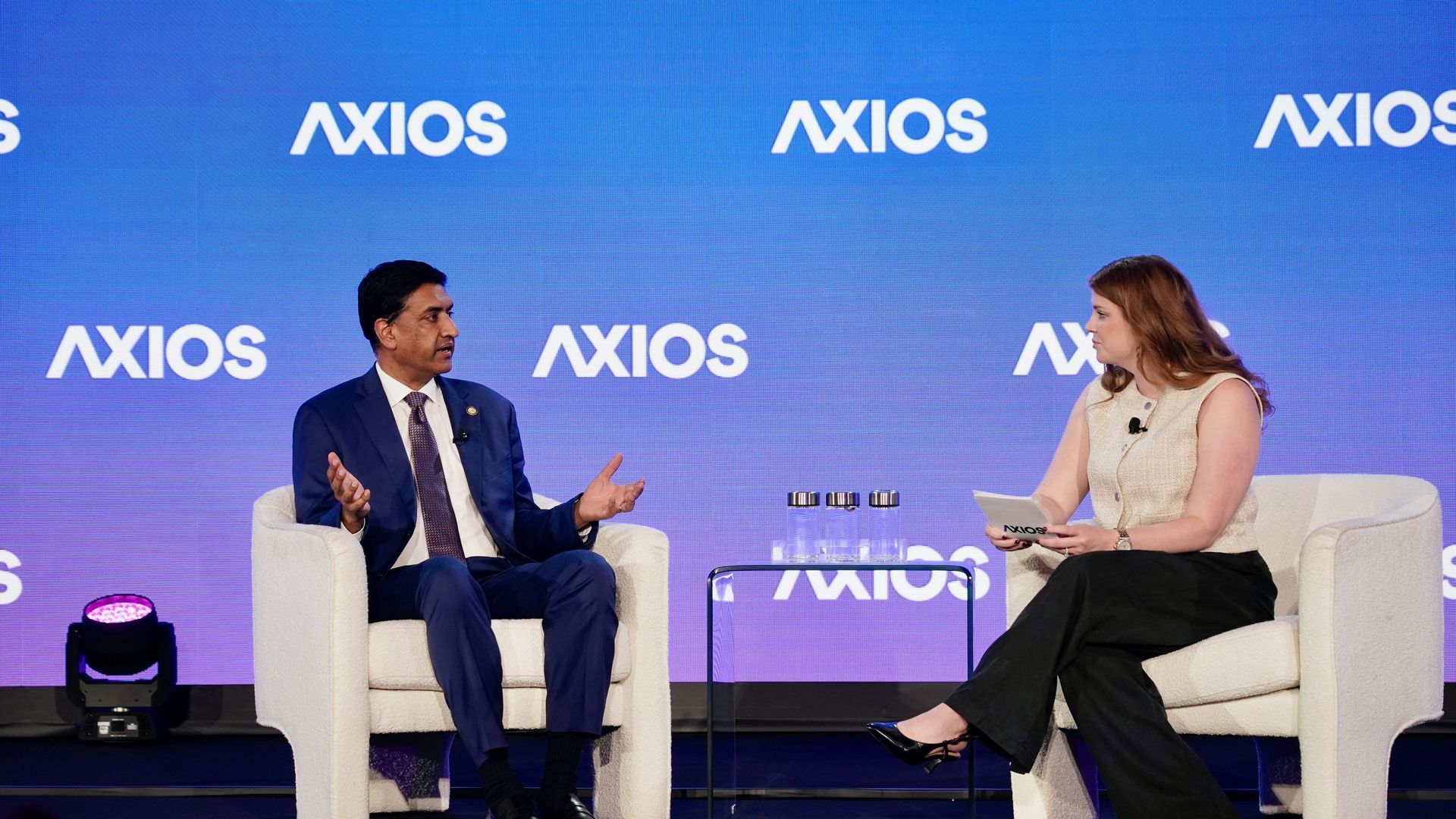
Rep. Ro Khanna (D-Calif.) talked about "woke AI," supporting young workers anxious about AI-driven job displacement, and creating more guardrails around the tech at the Axios AI+ DC Summit on Wednesday.
Why it matters: Khanna's district is in Silicon Valley, where he's getting a front-row seat to the generative AI boom unfolding in real time.
Sen. Mark Kelly (D-Ariz.) said the U.S. needs "the right framework in place to lead the world in AI" and pitched his new AI policy roadmap to make sure the country doesn't fall behind China at Wednesday's AI+ DC Summit.
Why it matters: Kelly, a potential 2028 presidential candidate, is attempting to position himself as a major Democratic voice on the future of AI policy.
Courts will probably find that AI companies are protected by Section 230 regulations on speech on online platforms, Sen. Ted Cruz said at the Axios AI+ DC Summit on Wednesday.
Why it matters: Whether Section 230 should protect AI companies is a much different question — and one for which Cruz doesn't have a simple answer yet.
The U.S. needs a "metric for winning" in its artificial intelligence race with China, White House AI adviser Sriram Krishnan said at Axios' AI+ Summit on Wednesday.
Why it matters: Krishnan, who advises President Trump on artificial intelligence policy, said he measures American success via market share with its rival.
We're only in year two of a "massive ten-year cycle" of rapid AI advancements and infrastructure build-out, AMD CEO Lisa Su said Wednesday at the Axios AI+ Summit in Washington, D.C.
Why it matters: The enormous investments being poured into data centers, chip development, and AI models are reorienting the U.S. economy, pumping up Wall Street valuations and gobbling up huge amounts of energy.
A push to impose a moratorium on state-level AI regulations is not dead, but the vehicle to advance it is still unclear, Sen. Ted Cruz said at the Axios AI+ DC Summit on Wednesday.
Why it matters: The moratorium was one of the most controversial parts of the "Big, Beautiful Bill," and only died at the very end of the process.
U.S. dominance in chips may be the only advantage the countrystill has over China, and should be protected, Anthropic CEO Dario Amodei said at the Axios AI+ DC Summit on Wednesday.
Why it matters: Access to chips has become the hottest friction point between the world's two largest economies.
The ability of AI to displace humans at various tasks is accelerating quickly, Anthropic CEO Dario Amodei said at the Axios AI+ DC Summit on Wednesday.
Why it matters: Amodei and others have previously warned of the possibility that up to half of white-collar jobs could be wiped out by AI over the next five years.
The House of Representatives will start using Microsoft Copilot in an effort to modernize the chamber and embrace AI, according to an announcement shared first with Axios.
Why it matters: The House now wants AI integrated into its daily operations, and Microsoft is just the start.
Ursa Major will furnish Draper liquid rocket engines and related services under a $35 million contract with an undisclosed U.S. aerospace-and-defense company.
Why it matters: Ursa expects the arrangement to accelerate production and deployment, especially for exoatmospheric purposes.
The Colorado-based company in February teased Golden Dome applications, telling Space News that Draper is suitable for space-based interceptors.