The growing synthetic biology industry is developing tools to allow companies to program living cells the way we program computers.
Why it matters: Turning cellular engineering from an art to an industry could open the door to more sustainable energy, food and materials, but it carries the risk of making it much easier to create the biological equivalent of malware.
The Pentagon said on Tuesday that it would establish a new group to investigate reports of unidentified aerial phenomena, sometimes referred to as UFOs, in restricted airspace.
The big picture: The announcement follows a widely anticipated report released in June that found 143 sightings of unexplained objects.
Why it matters: The mission is designed to test technology that could one day be used to change the course of a dangerous asteroid if one is ever found on a collision course with Earth.
A white dwarf star 1,300 light-years from Earth is blasting out radiation and ripping apart a companion in its orbit.
Why it matters: One day, scientists think the Sun will burn through its fuel and become a dense white dwarf. By learning more about this star, astronomers might be able to get a better sense of the future of our solar system.
Coming back to Earth from orbit has been marked by a loss of anonymity, packed days and little time for reflection for the all-civilian Inspiration4 crew.
Why it matters: The astronauts' celebrity status is a sign amateur spacefaring hasn't arrived. The public still reveres those who take on the risks and rewards of space travel.
Jeff Bezos' Blue Origin announced Tuesday it will send former NFL player and “Good Morning America” co-host Michael Strahan to space along with another honorary guest and four paying customers during an upcoming flight.
Why it matters: The mission, set for Dec. 9, will add the list of celebrities Blue Origin has flown into suborbital space in high-profile launches, coming just weeks after the company carried actor William Shatner and three other astronauts during its second human mission.
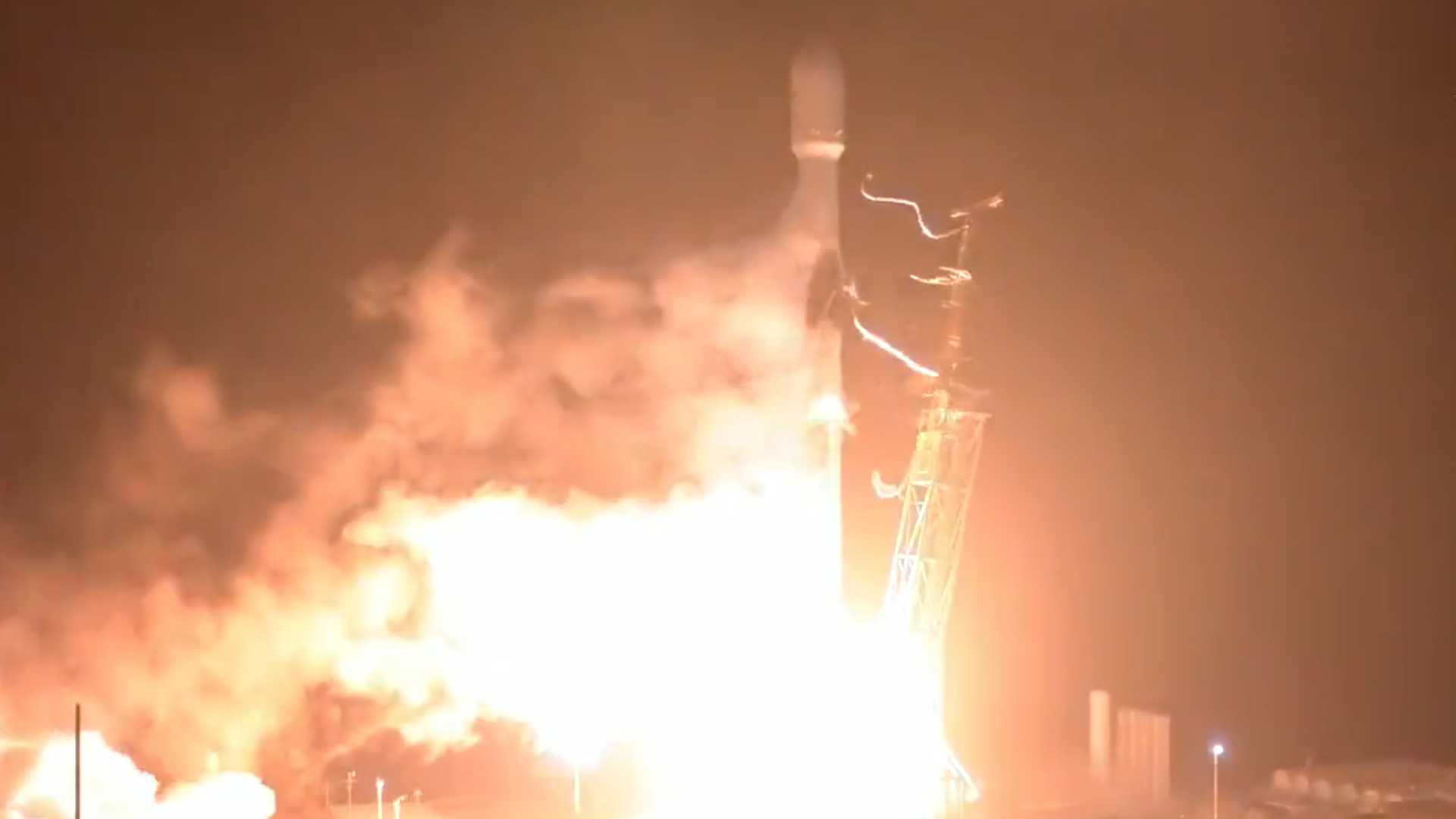
SpaceX is set to launch a NASA spacecraft on a mission to learn how to change the course of an asteroid in deep space.
Why it matters: The mission — called the Double Asteroid Redirection Test (DART) — will test the technology needed to redirect a dangerous asteroid if one is ever found on course with Earth.