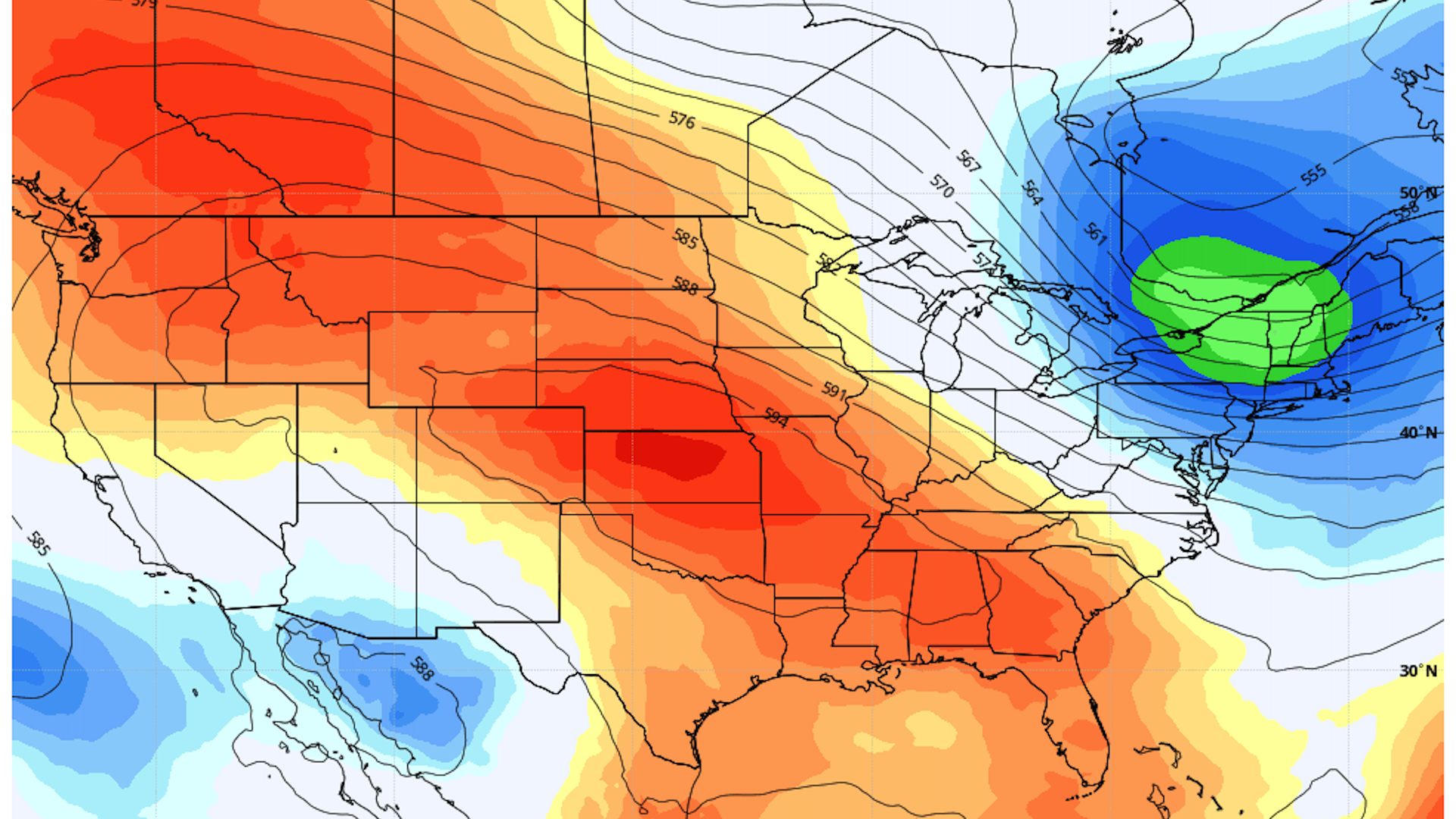
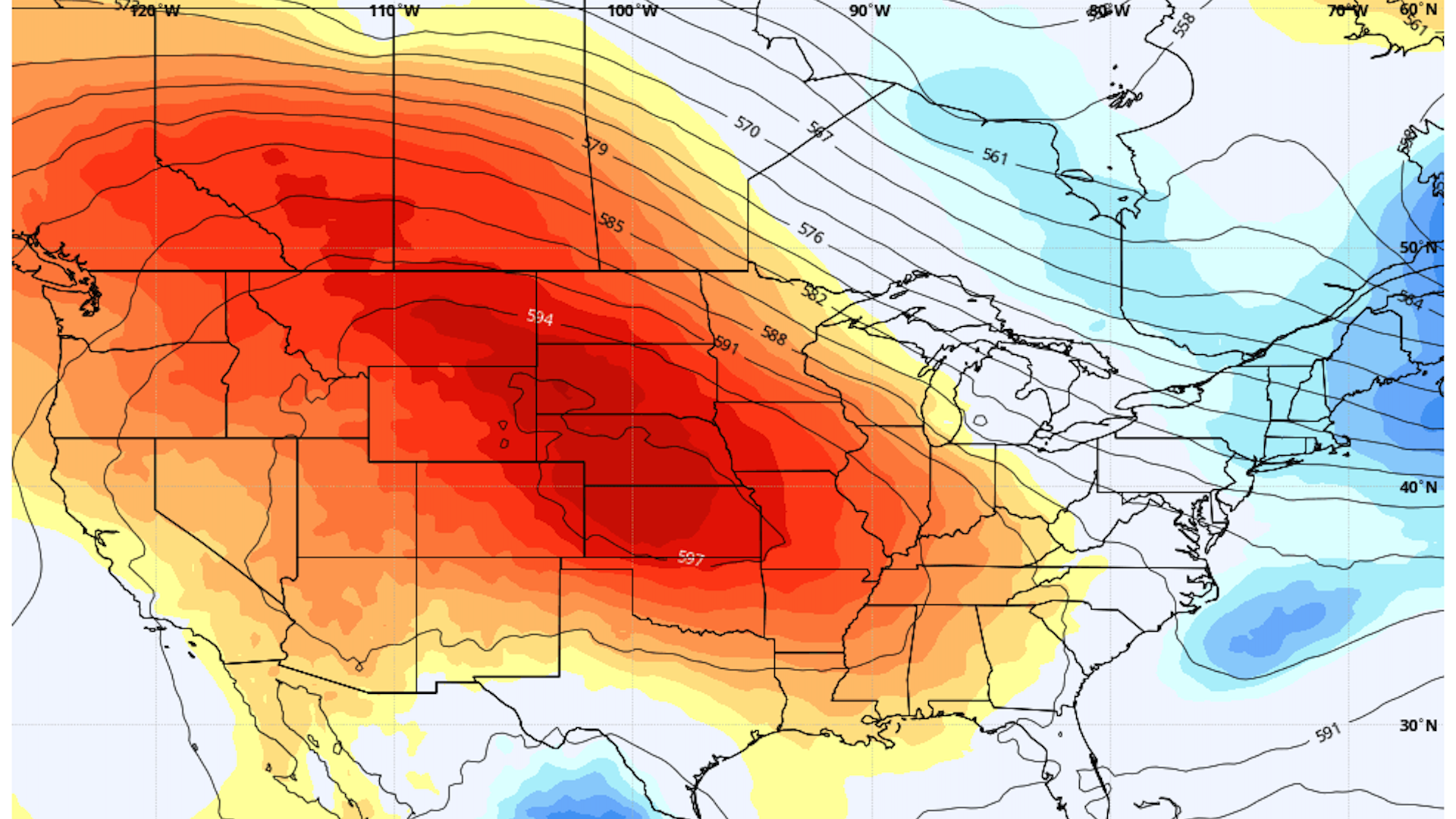
The latest in a series of relentless heat waves is bringing dangerously hot temperatures to a the Central U.S. on Wednesday, and will contribute to a severe thunderstorm outbreak across the Upper Midwest. The heat will expand in scope toward the end of the week.
The big picture: Heat watches, warnings and advisories are in effect across 19 states, from Portland, Oregon east to Minneapolis, and running all the way south to New Orleans. Temperatures of between 10°F and 15°F above average in these areas along with high humidity poses a public health threat.
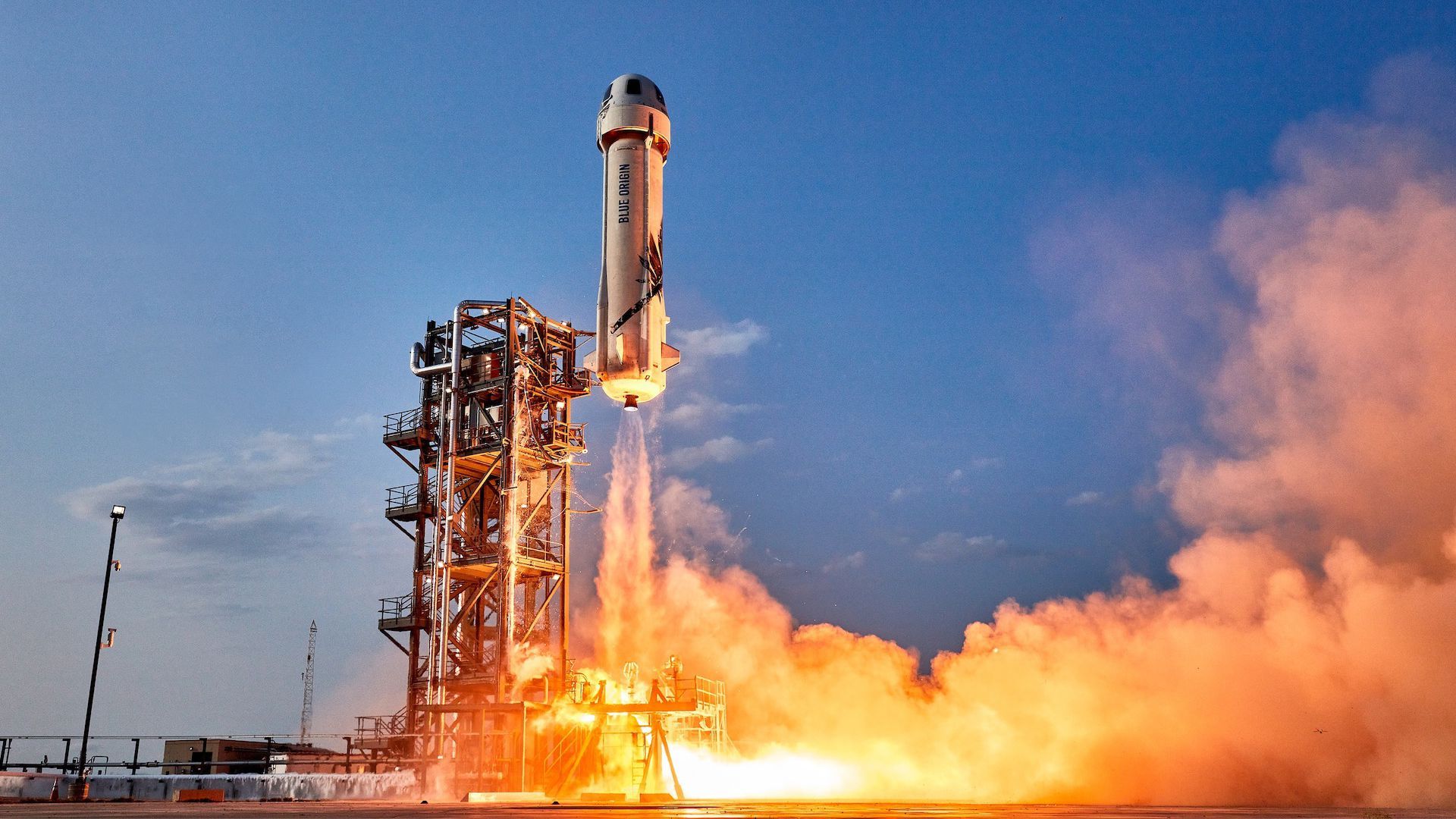
The FAA updated its requirements for who qualifies for commercial astronaut wings.
Why it matters: As more people fly to space in the coming years with companies like Blue Origin and Virgin Galactic, having some clarity about who counts as a commercial astronaut could help customers weigh the risks versus rewards of flying.
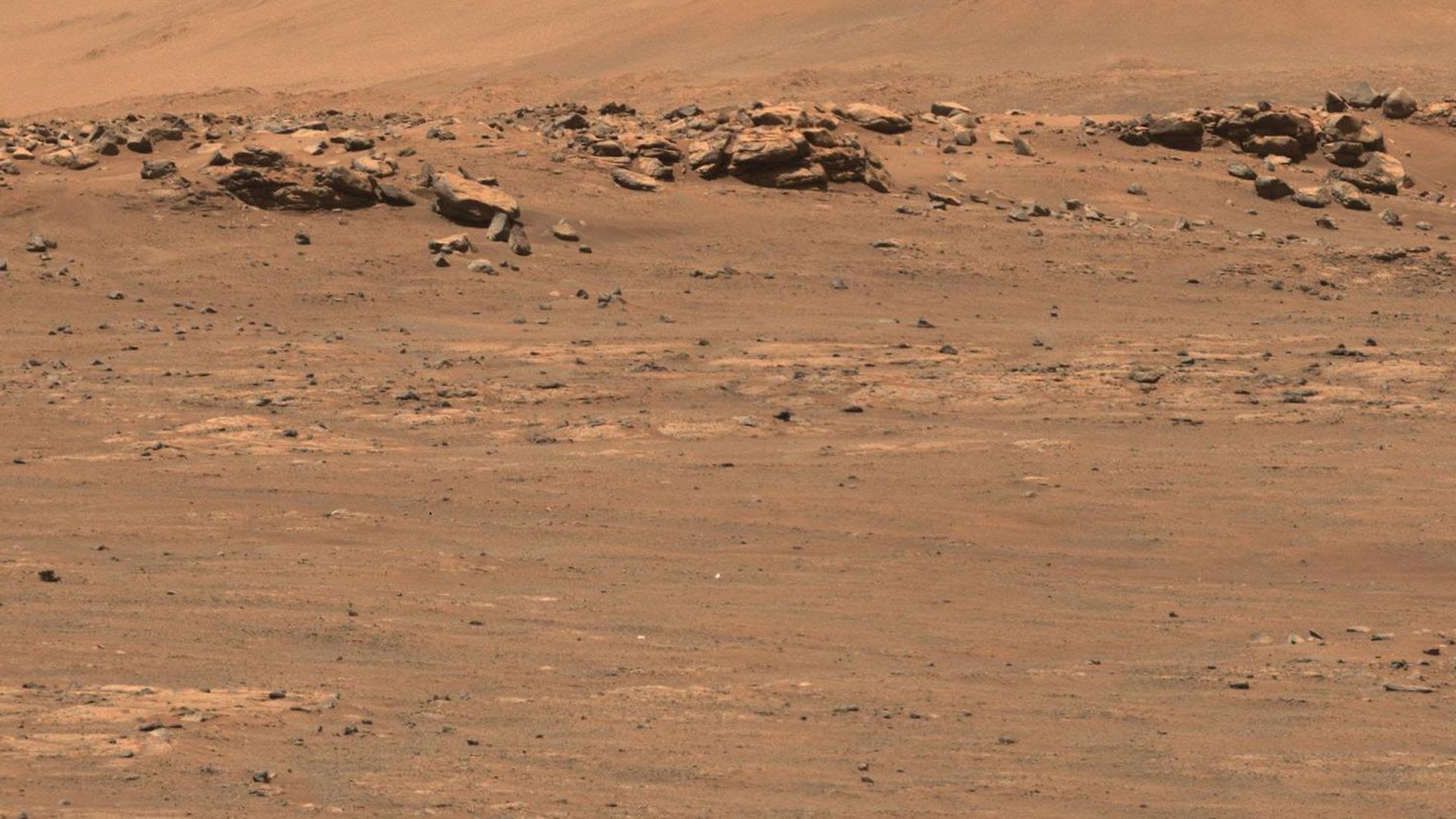
NASA's Perseverance rover on Mars is about to collect its first rock sample from the Red Planet.
Why it matters: The space agency wants to send a future mission to collect that sample and others Perseverance caches for a return to Earth where they can be analyzed by high-powered tools.
The COVID-19 pandemic-related lockdowns exerted a slight net warming effect on the planet, but Australian wildfires had a much bigger and faster climate impact, cooling the planet from December 2019 through mid-2020, a new study finds.
Why it matters: The study shows how two largely manmade forces — the response to a pandemic and climate change-related wildfires — can influence the planet, with implications for understanding future climate change.
A widespread heat wave has begun across the contiguous U.S., with at least 30 million people likely to see temperatures reach or exceed 100°F by the end of the week. At least 17 states are under heat warnings or advisories on Tuesday.
Why it matters: The hot weather, which comes courtesy of another heat dome building across the Southwest, Rockies and then sliding into the western Plains, will only aggravate drought conditions and worsen many of the western wildfires.
NASA is at risk of losing a foothold in orbit after the end of the International Space Station.
Why it matters: Without an operating base in space, the agency's plan to shift from being a sole provider of services in orbit to becoming a customer of companies operating there is in jeopardy.
Two significant U.S. lakes, one of which is a major reservoir, are experiencing historic lows amid a drought that scientists have linked to climate change.
What's happening: Lake Powell, the second largest reservoir in the U.S., has fallen to 3,554 feet in elevation, leaving the crucial lake on the Colorado River, at 33% capacity — the lowest since it was filled over half a century ago, new U.S. Bureau of Reclamation data shows.