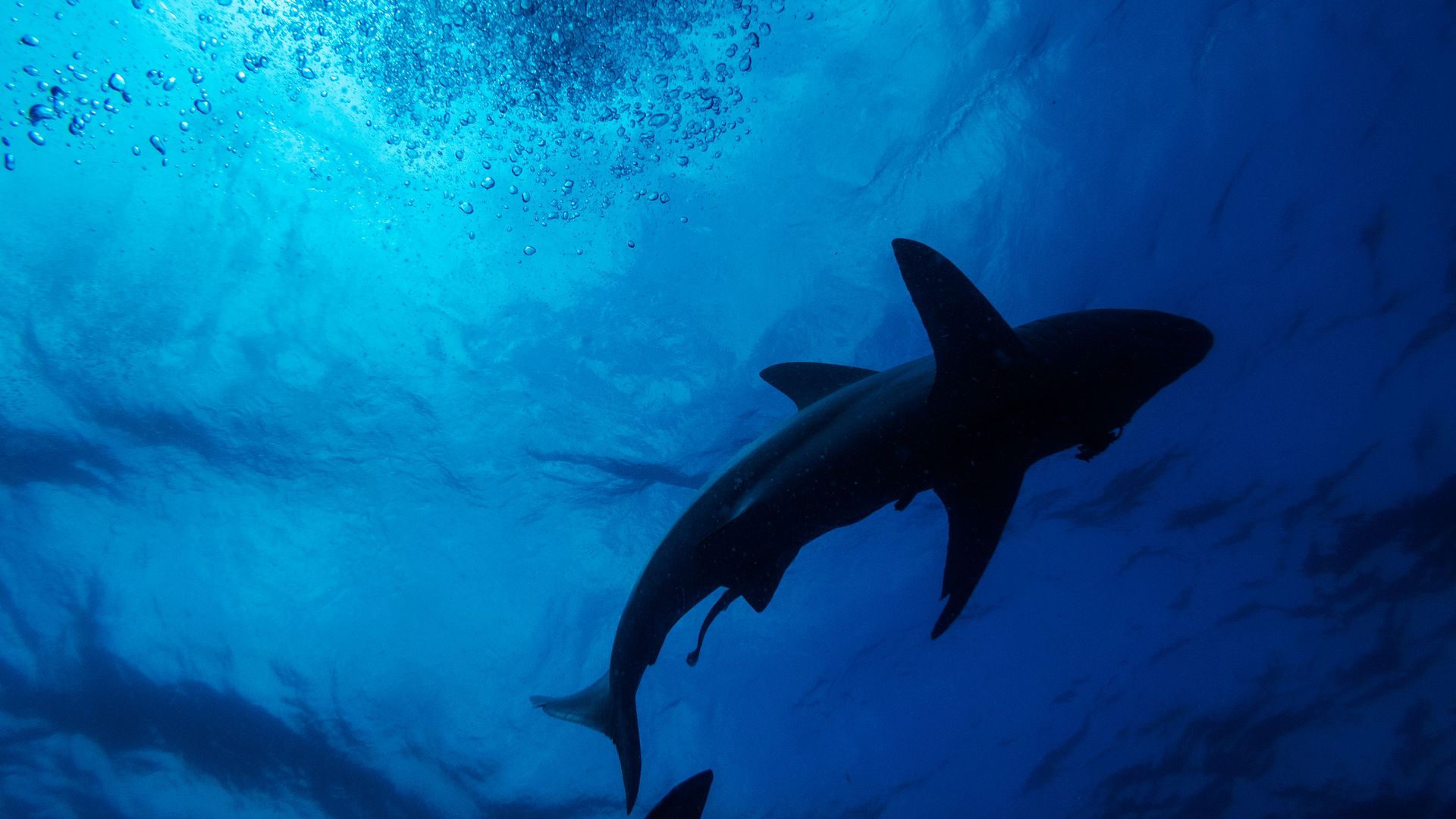
The number of oceanic sharks and rays has declined 71% globally over the last 50 years, according to a peer-reviewed study published in the journal Nature on Wednesday.
Why it matters: The study finds that fishing prohibitions and catch limits "are urgently needed to avert population collapse" and avoid ecological disruption.
64% of people from around the world say climate change is a global emergency, a UN poll published Wednesday finds.
Why it matters: It's the biggest global survey on climate change ever conducted, with some 1.2 million participants from 50 countries — including the U.S., where 65% of those surveyed view climate change as an emergency.
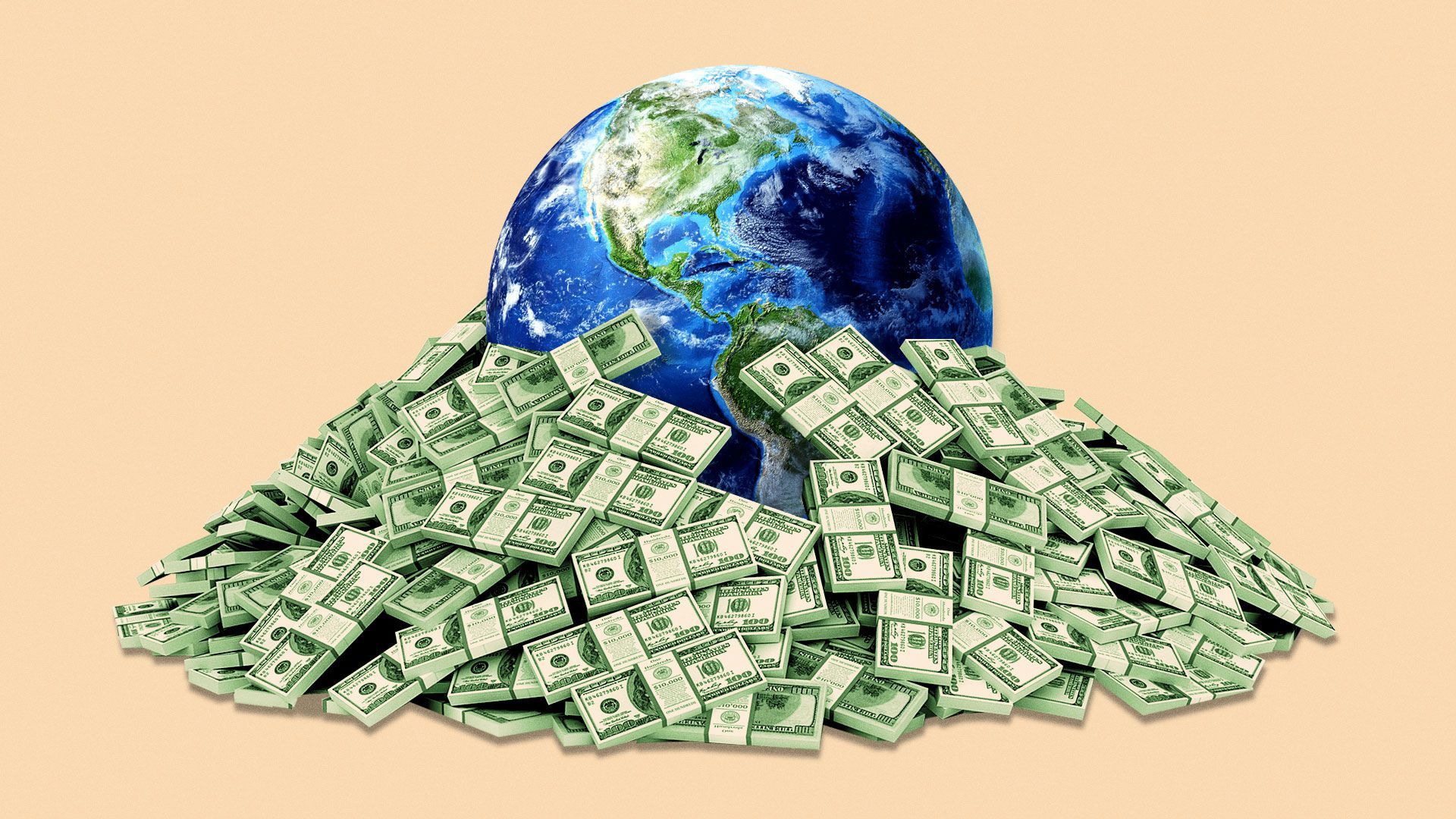
The biggest investor in the world has an unambiguous message for the CEOs of the companies he invests in: climate risk is investment risk.
Why it matters: Pressure from BlackRock CEO Larry Fink, who controls $9 trillion, will encourage companies to report not only what their greenhouse gas emissions are today, but also what they're doing to ensure that their future emissions are in line with Paris Agreement targets that end at zero in 2050.
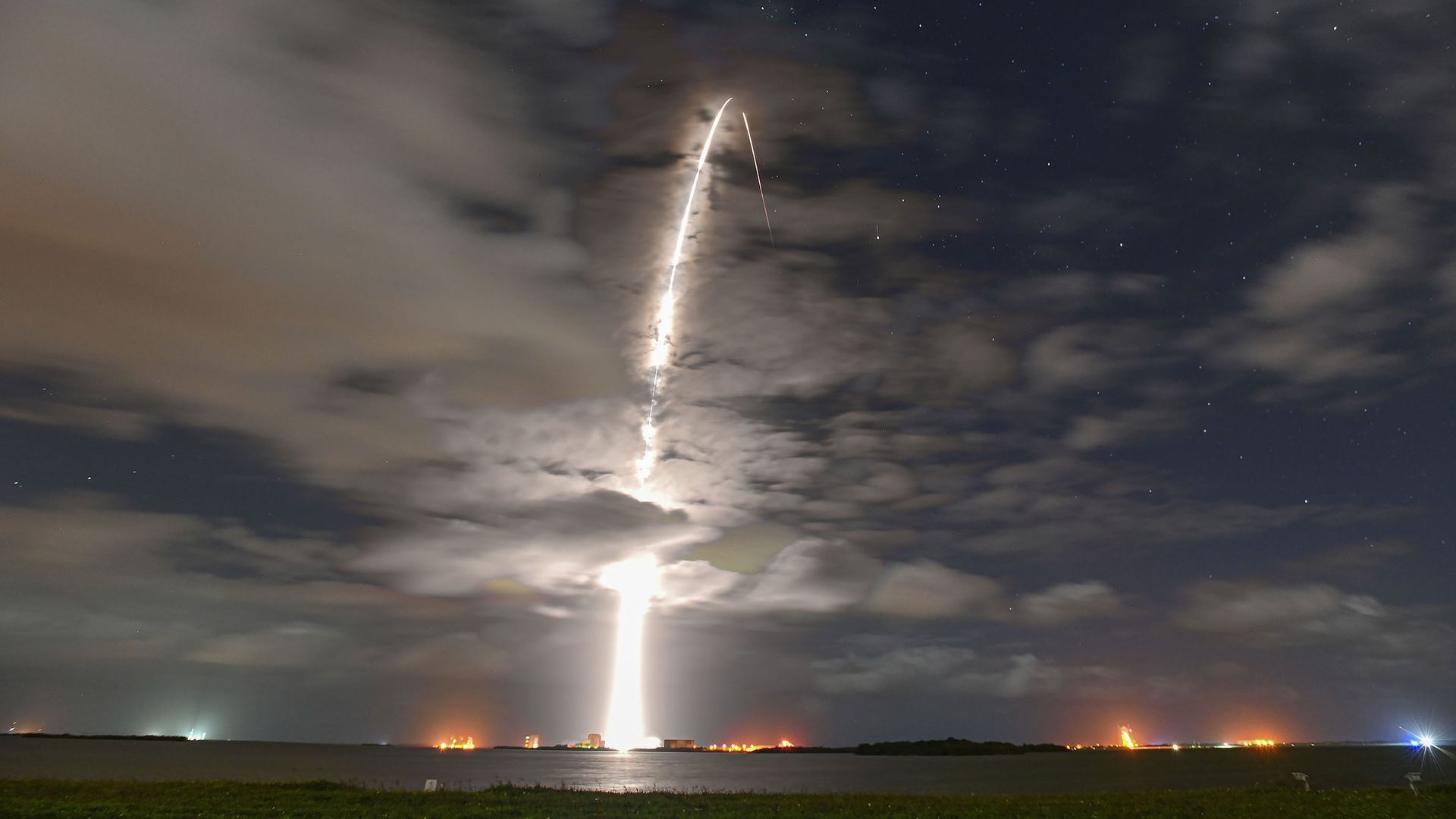
Investment in the space industry continued to grow in the last quarter of 2020, despite the coronavirus pandemic, according to a new report from Space Capital.
Why it matters: The space industry turned out to be far more robust in the face of the pandemic than many experts were initially expecting.
Five planets orbiting a star200 light-years from Earth are locked in a strange dance that could help scientists learn more about how far-off worlds form.
The big picture: In recent years, researchers have found that nearly every star has at least one planet orbiting it. Now, astronomers are starting to learn more about those worlds, helping them piece together why the universe looks the way it does.
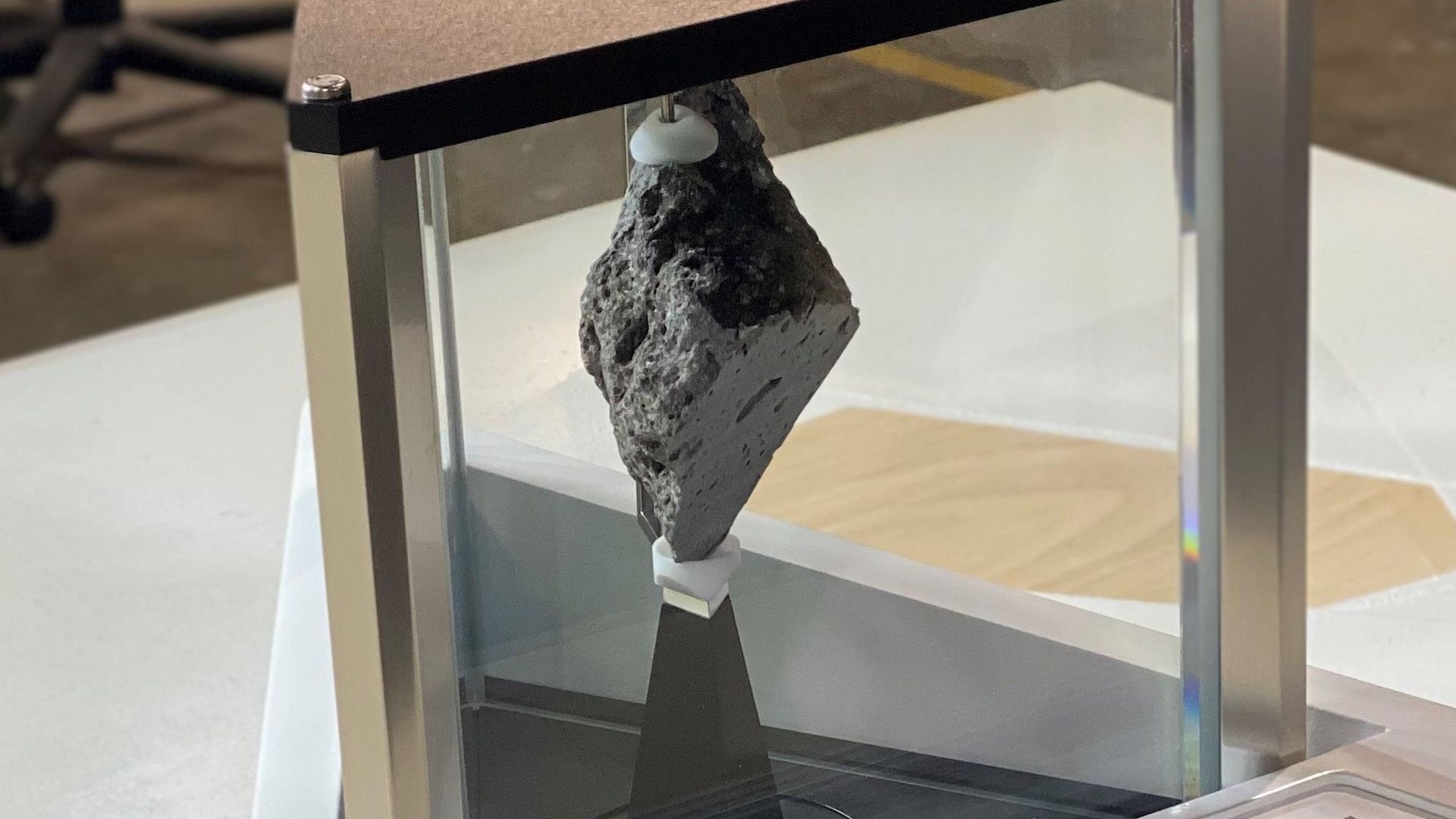
President Joe Biden hasn't revealed much about his space policy priorities yet, but space fans can take heart that space is on his mind, thanks to an Apollo Moon rock that now decorates the Oval Office.
Why it matters: The Moon rock — loaned to the White House by NASA — is on display "in symbolic recognition of earlier generations’ ambitions and accomplishments, and support for America’s current Moon to Mars exploration approach," according to a statement from NASA.
An American entrepreneur, Canadian investor and Israeli investor, along with a former NASA astronaut, are set to make up the first fully private mission to the International Space Station.
Why it matters: The flight — expected to launch in January 2022 — represents part of NASA's bid to create an economy in low-Earth orbit supported by private companies.
Space is the new Wild West. Nations and space companies are racing to come to a consensus on what they can own, mine and take possession of in outer space before competitors stake ground first.
Why it matters: Private companies are building their businesses on sending spacecraft to the Moon, asteroids and other objects in the coming years to eventually extract resources that will be used or sold.