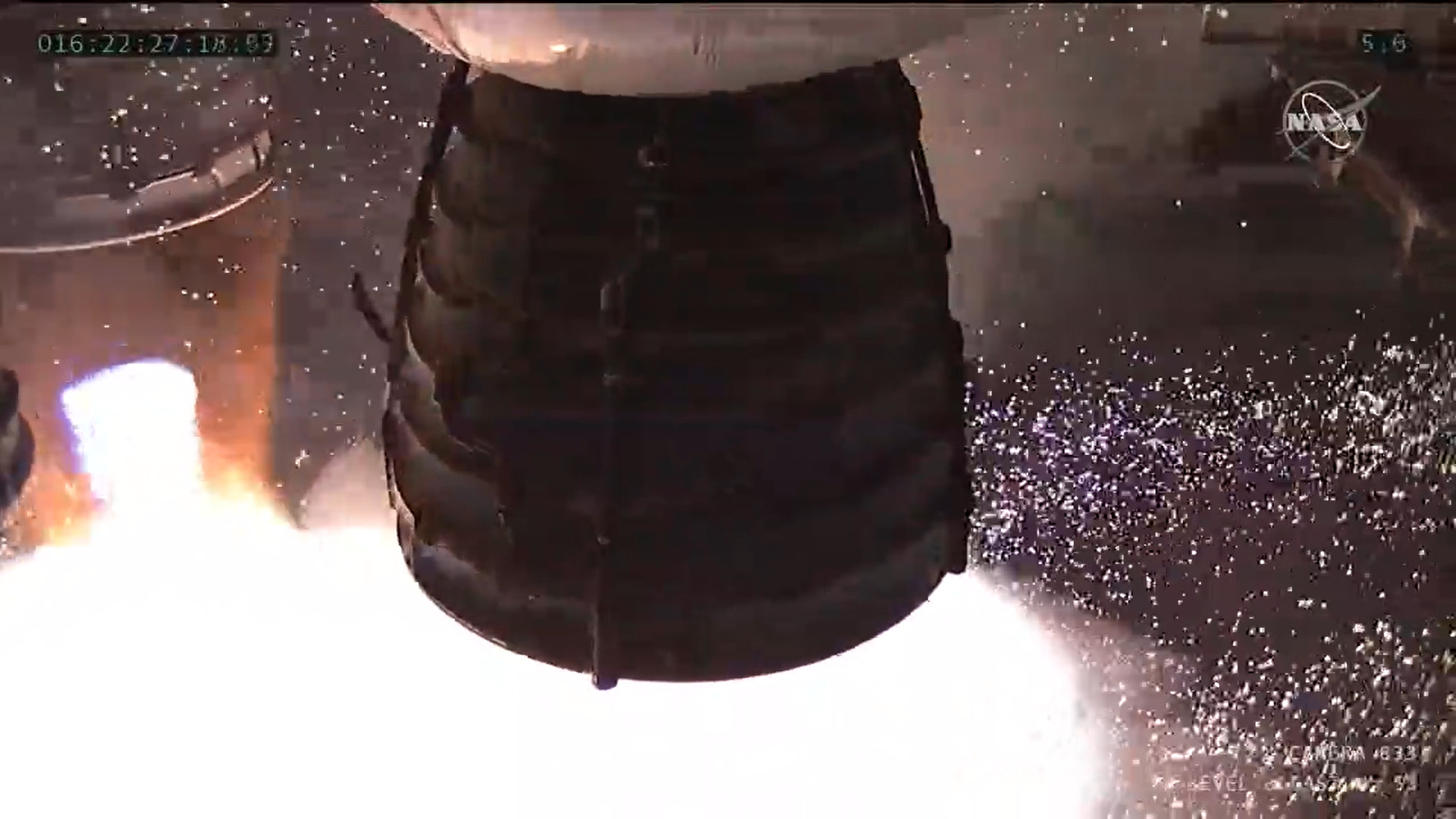
NASA is planning to re-do a major test of its Space Launch System rocket after the last test didn't go as planned earlier this month.
The big picture: The space agency hopes to launch the first uncrewed flight of the SLS by the end of the year, but having to re-run this test could put that timeline at risk.
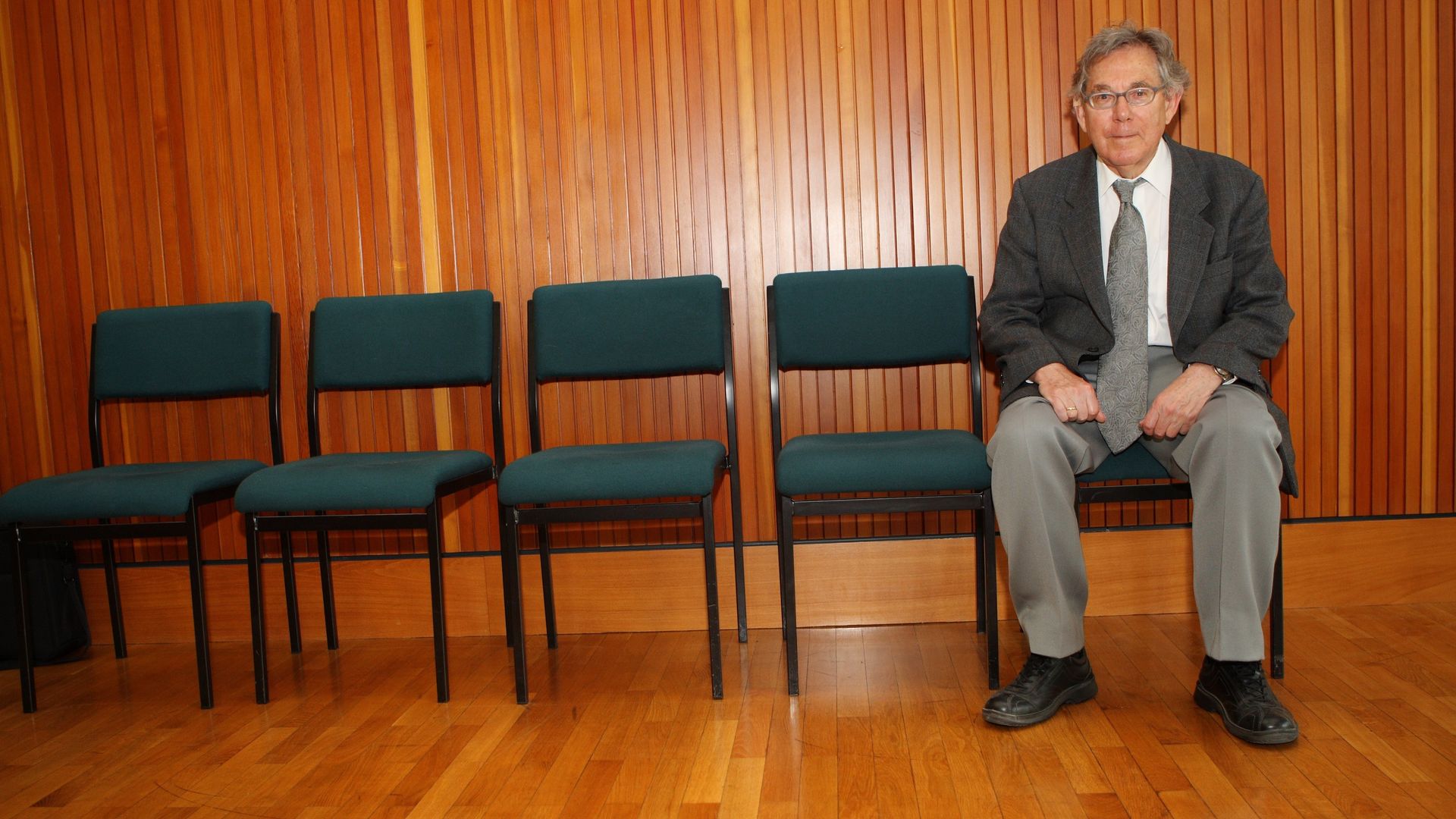
Paul Crutzen, the Dutch atmospheric chemist whose work helped save the ozone layer and who later popularized the idea of the "Anthropocene," died on Thursday.
The big picture: Crutzen's research was key to identifying the role that human-made chlorofluorocarbons (CFCs) played in destroying the ozone layer. But his truly lasting legacy may be his early recognition that human beings had so altered the world that we had entered a new geological epoch: the Anthropocene.
Millions of COVID-19 survivors worldwide — even those who had mild illness — are reporting long-term symptoms months later, including brain fog, persistent exhaustion, and lung, heart or kidney damage.
Why it matters: For too long, these long-haulers, as they call themselves, have not been taken seriously enough by providers and researchers, some doctors tell Axios, adding that there's an urgent need for dedicated research in order to treat patients with lingering symptoms.
The pharmaceutical giant Roche is partnering with a quantum computing startup to find new treatments for disease.
Why it matters: The ability of quantum computers to model reality at the most foundational levels positions it as an ideal tool for rapidly searching for new drugs — provided, of course, the computers themselves can work.
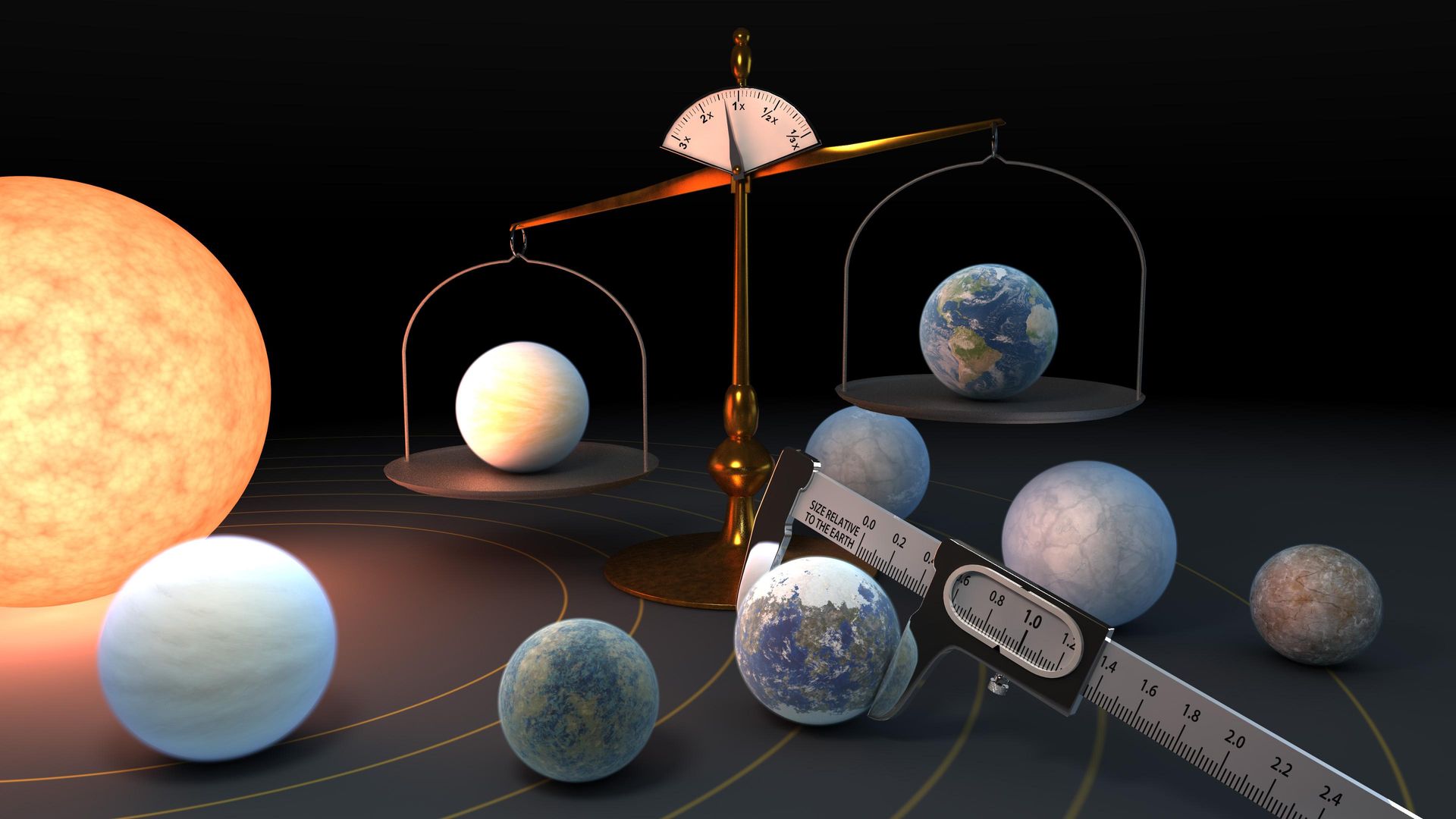
The densities of seven potentially rocky planets orbiting a star 40 light-years away are surprisingly similar, according to a new study.
Why it matters: The finding is unusual because the planets in our solar system have different densities. Scientists can use the new data to home in on whether these planets, that appear similar in some ways to our own but form differently, might be suitable for life.