The COVID-19 pandemic is rife with scientific and medical uncertainty, including debates about the ethics of using experimental treatments.
The big picture: As the global pandemic continues, the tension between providing the best available care for patients and performing trials to determine whether that care is effective risks complicating the medical response.
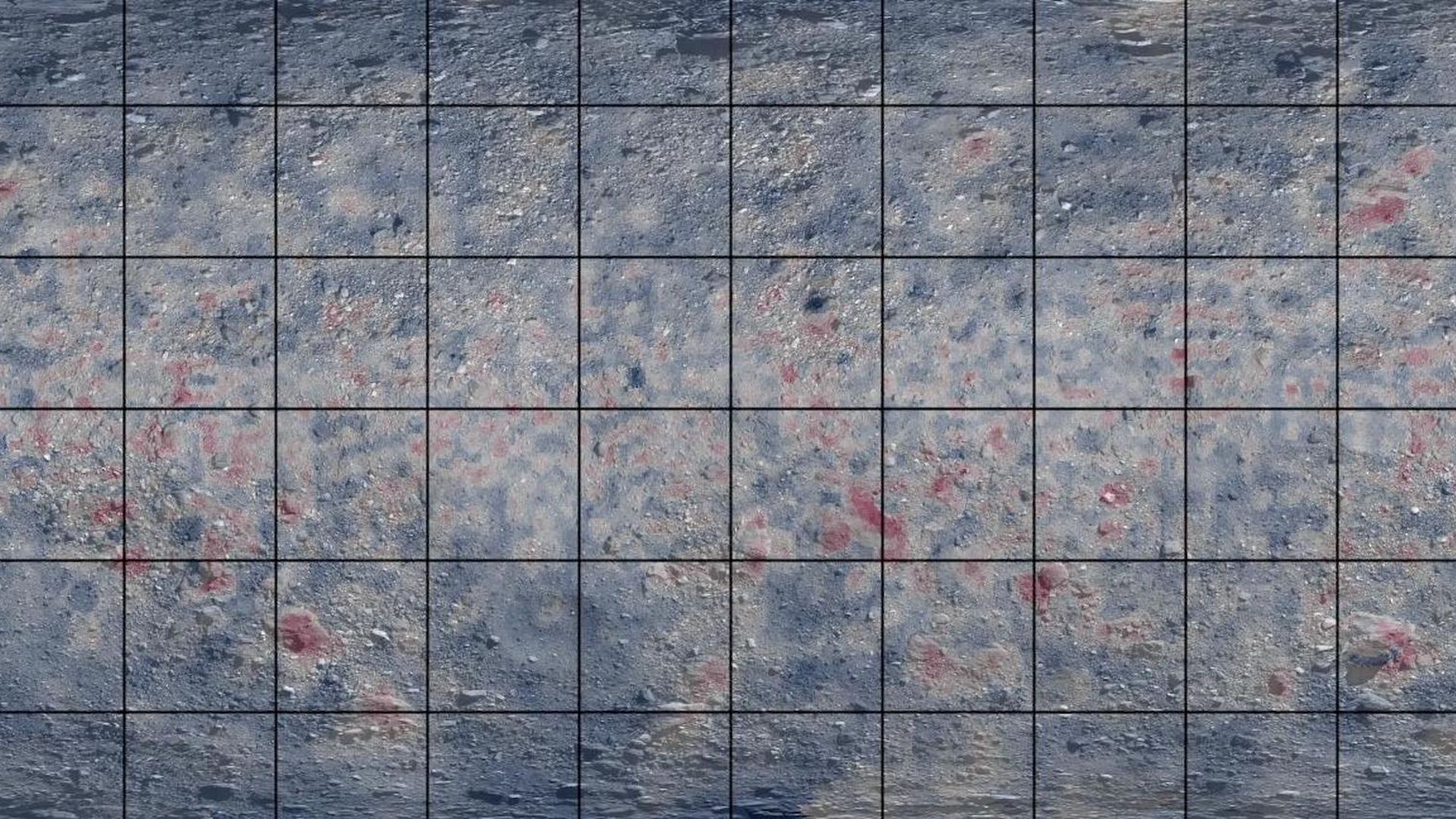
The space rock that eventually gave rise to the asteroid Bennu — currently being studied from close range by NASA's OSIRIS-REx spacecraft — may have had flowing water, according to a new study in the journal Science.
Why it matters: Asteroids are thought to be building blocks leftover from the early days of the solar system, and understanding their nature could provide insights into its evolution.
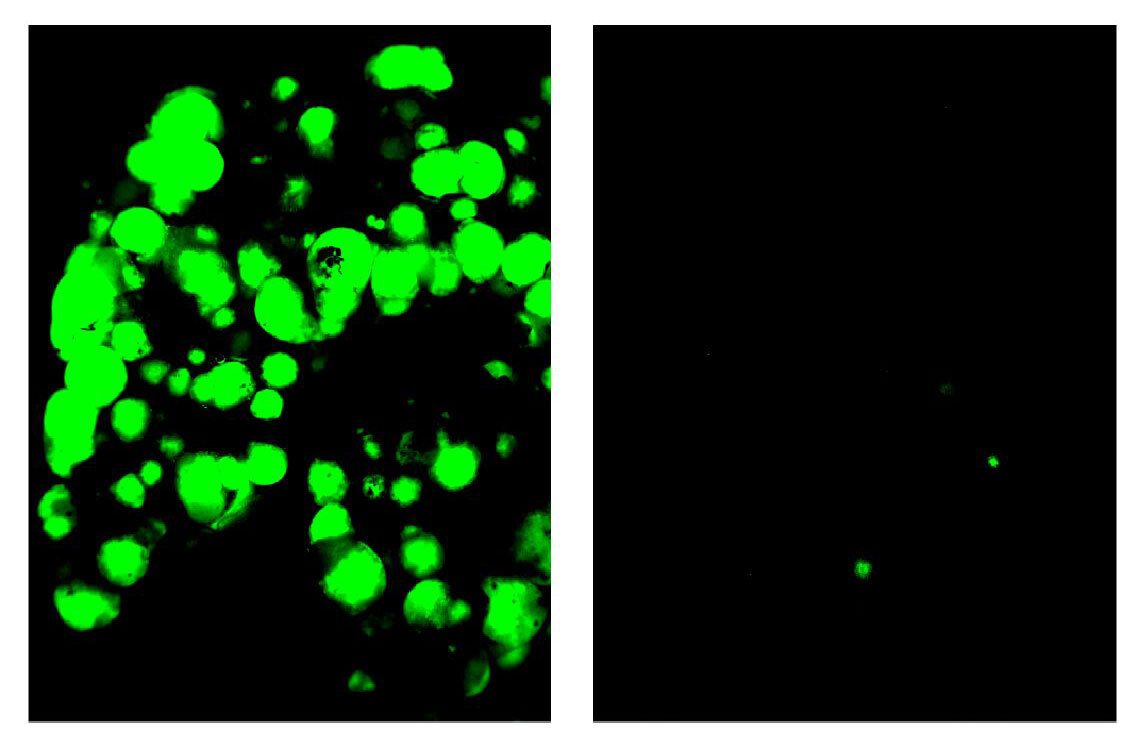
Growth of normal tumor cell clusters in a mouse lung (l ) compared to growth of tumor cell clusters when they are prevented from expressing epigen (r). Photo: Kevin Cheung/FredHutch
A signal between breast cancer cells could be a target for new drugs to block the cells from clustering, migrating and metastasizing, researchers said in early findings published in Cell last week.
Why it matters: Metastatic tumors kill nearly 43,000 people from breast cancer, 33,000 from prostate cancer and 135,720 from lung cancer in the U.S. every year. Scientists are seeking ways to prevent a person's cancer from spreading to other organs and becoming more deadly.
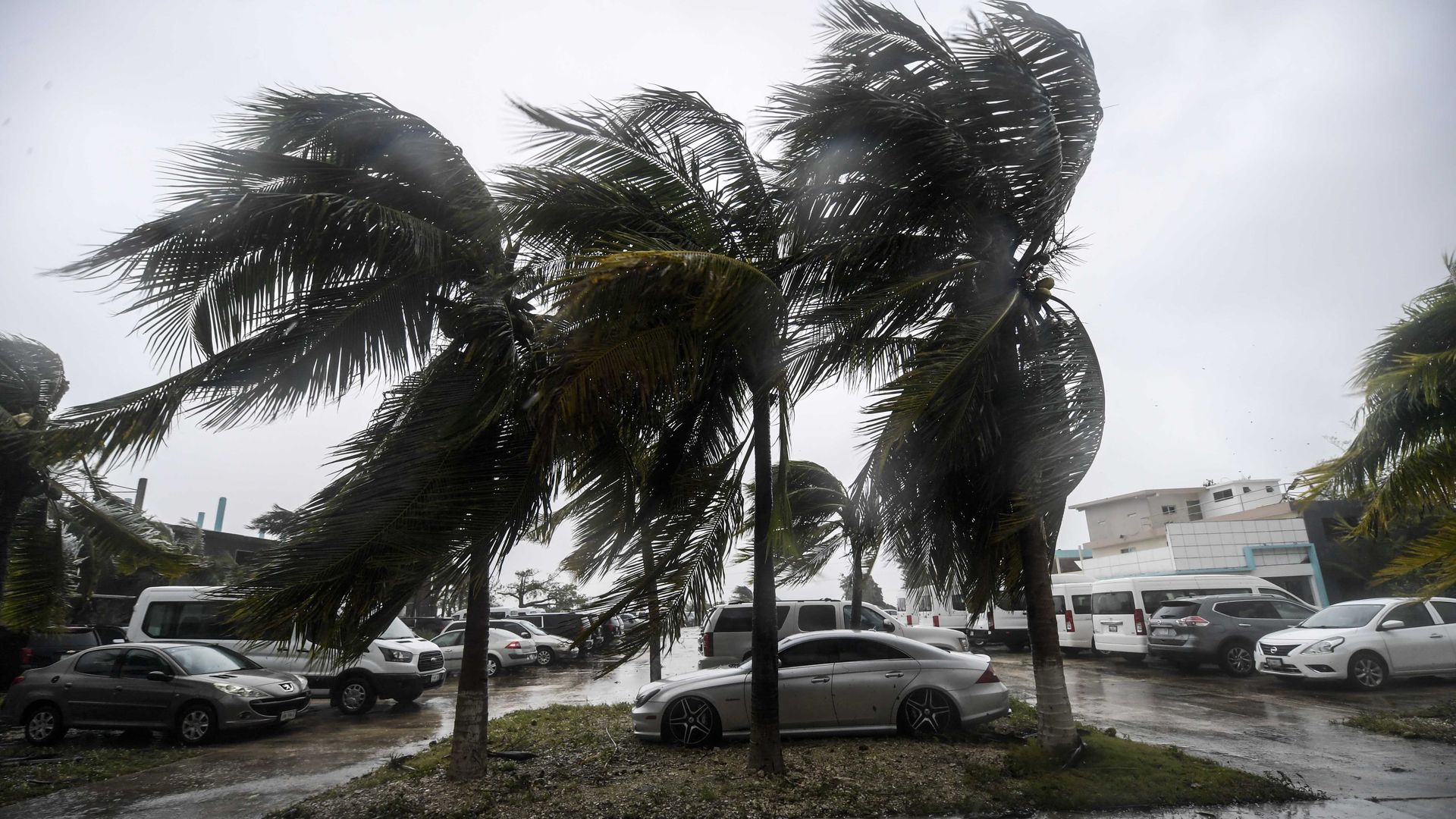
Louisiana, Alabama and Mississippi are preparing for Hurricane Delta, after the Category 2 storm made landfall on Mexico's Yucatan Peninsula before heading toward the Gulf of Mexico — where it's regaining strength, the National Hurricane Center said Wednesday night.
The big picture: The governors of Alabama and Louisiana declared states of emergency Tuesday ahead of the "extremely dangerous" storm's arrival, expected on Friday. Mississippi declared a state of emergency on Wednesday. Texas could also see see tropical-storm-force winds and heavy rains, the NHC said.