The sought-after state of herd immunity — in which widespread outbreaks are prevented because enough people in a community are immune to a disease — is complicated by open questions about the effectiveness of a future vaccine and how COVID-19 spreads.
Why it matters: Unless a sufficient level of immunity is achieved in the population, the coronavirus could circulate indefinitely and potentially flare up as future outbreaks.
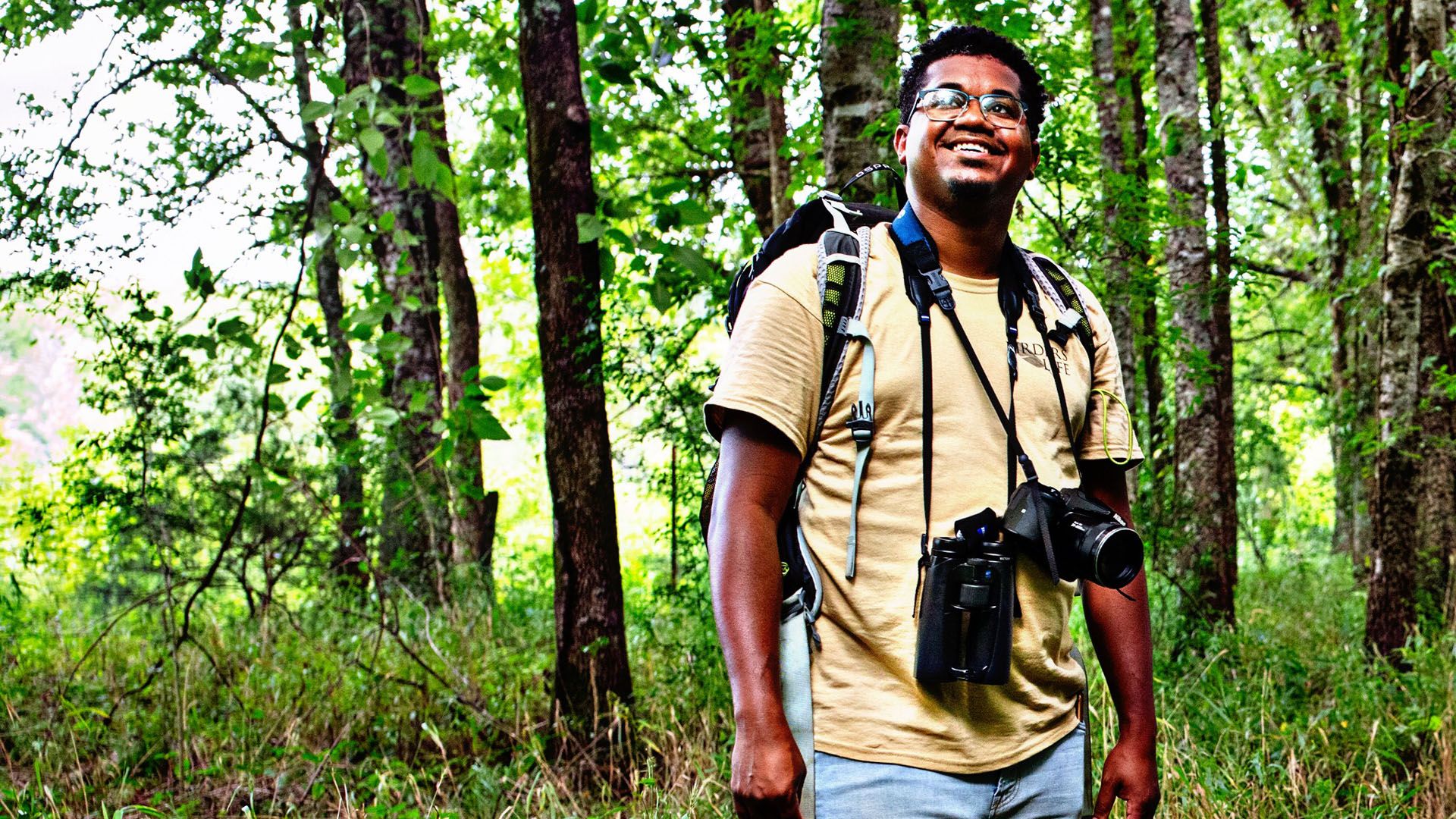
A weeklong campaign is highlighting the work of birders, conservationists and scientists who are black — and raising awareness about racism in the outdoors.
Why it matters: “Birding and having a relationship with the outdoors is something that every one should be a part of it. But when it comes to black people in America our relationship with the outdoors is complicated, it just is,” says Jason Ward, a co-founder of Black Birders Week.
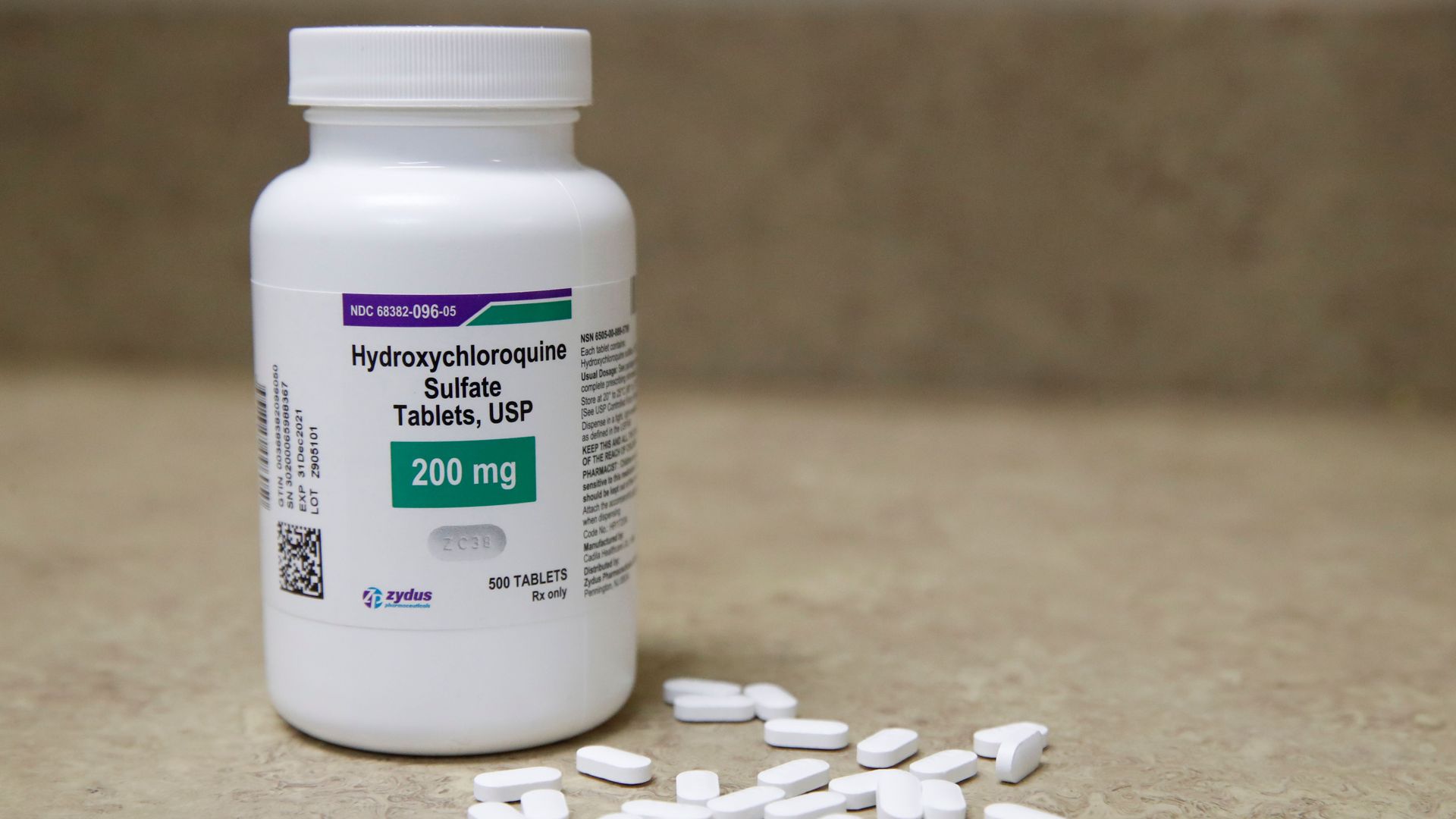
Hydroxychloroquine, a drug that treats malaria and lupus, did not prevent people from getting COVID-19 if they were exposed to the virus, according to data from a randomized, placebo-controlled clinical trial published in the New England Journal of Medicine.
The bottom line: There has been widespread confusion about hydroxychloroquine's effectiveness — President Trump and other conservatives touted the pill with little sound evidence, while other flawed studies suggested it was harmful. But this trial authoritatively says the drug "didn't work" as a preventive medication for this coronavirus, a Vanderbilt University infectious disease doctor told the Washington Post.