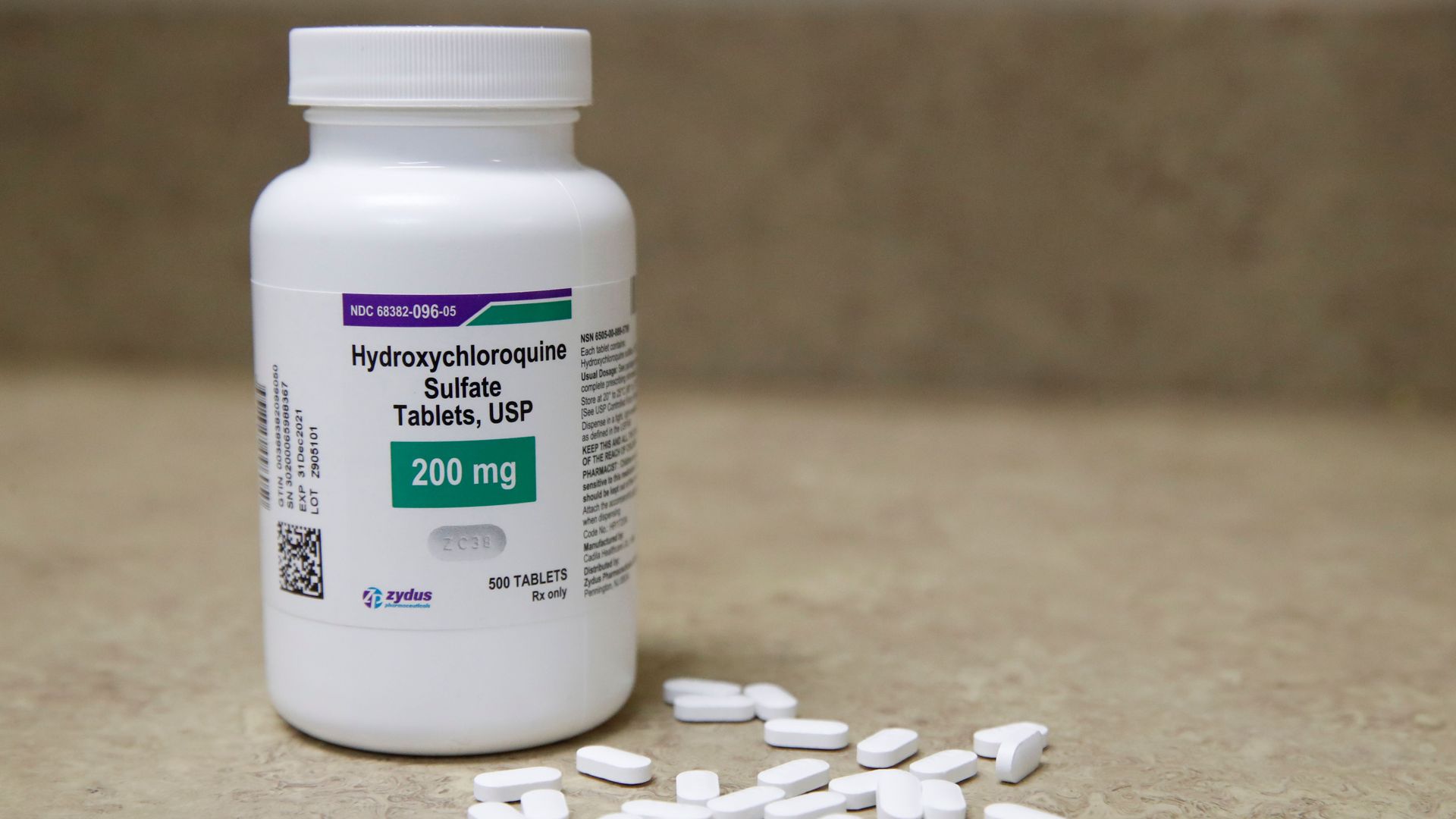
Hydroxychloroquine, a drug that treats malaria and lupus, did not prevent people from getting COVID-19 if they were exposed to the virus, according to data from a randomized, placebo-controlled clinical trial published in the New England Journal of Medicine.
The bottom line: There has been widespread confusion about hydroxychloroquine's effectiveness — President Trump and other conservatives touted the pill with little sound evidence, while other flawed studies suggested it was harmful. But this trial authoritatively says the drug "didn't work" as a preventive medication for this coronavirus, a Vanderbilt University infectious disease doctor told the Washington Post.
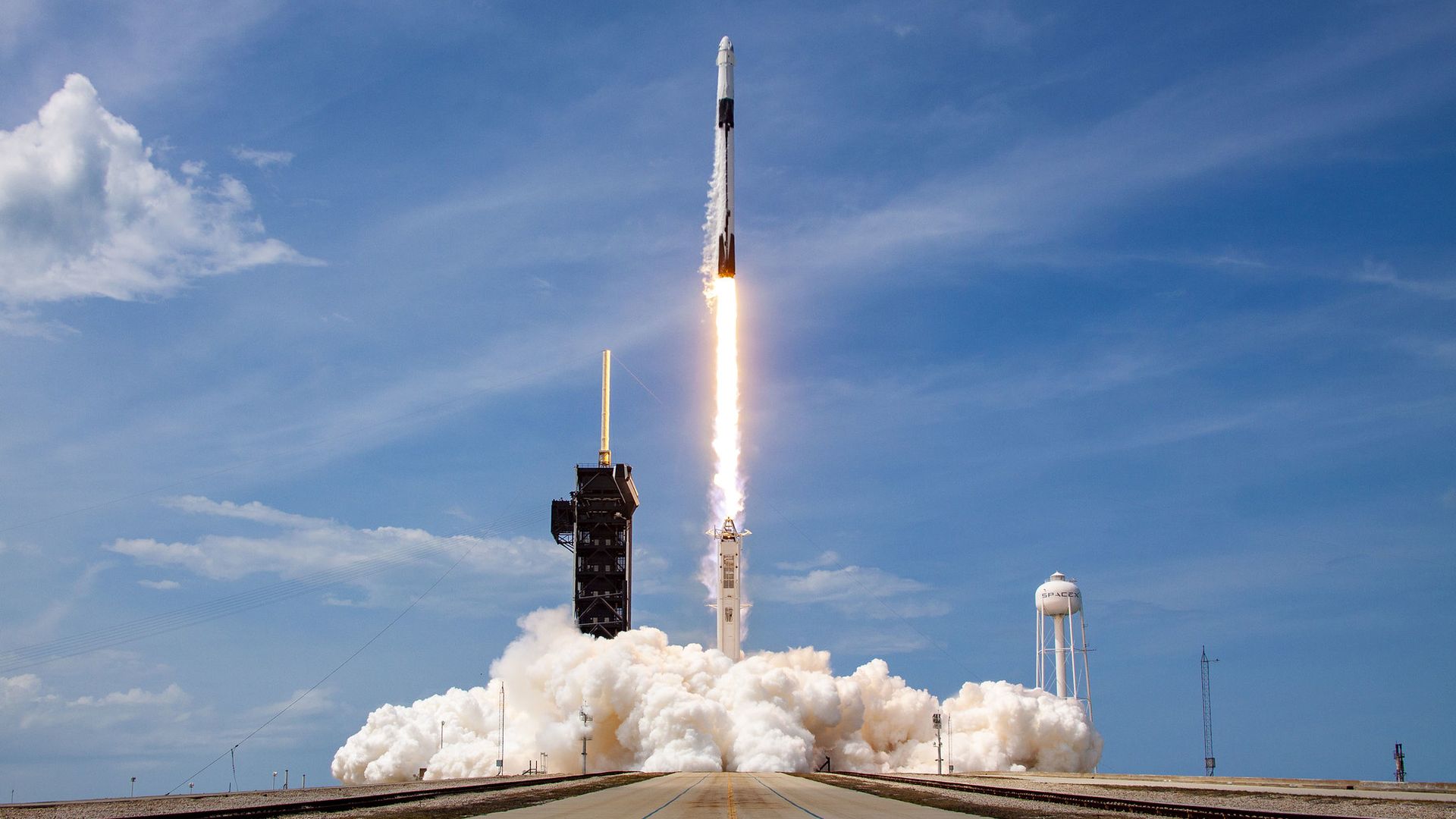
As SpaceX's Falcon 9 rocket sped to space Saturday, protests over the death of George Floyd and other police-involved killings of black Americans were taking place on Earth, creating a sharp juxtaposition between two facets of life in the U.S.
Why it matters: While much of the rhetoric around accomplishments in space place it outside of Earthly concerns — like racism and systemic oppression — space has never been separate from politics on Earth. And it isn't today.
With the historic crewed SpaceX launch last weekend, NASA passed the torch to private companies that will need to step up to build the economy the space agency envisions in orbit.
Why it matters: This new era of spaceflight will likely be marked by new conflicts — possibly including product placement (like the Tesla that drove the astronauts to the pad on Saturday), safety concerns and cultural differences between companies, the space agencies and people they serve.
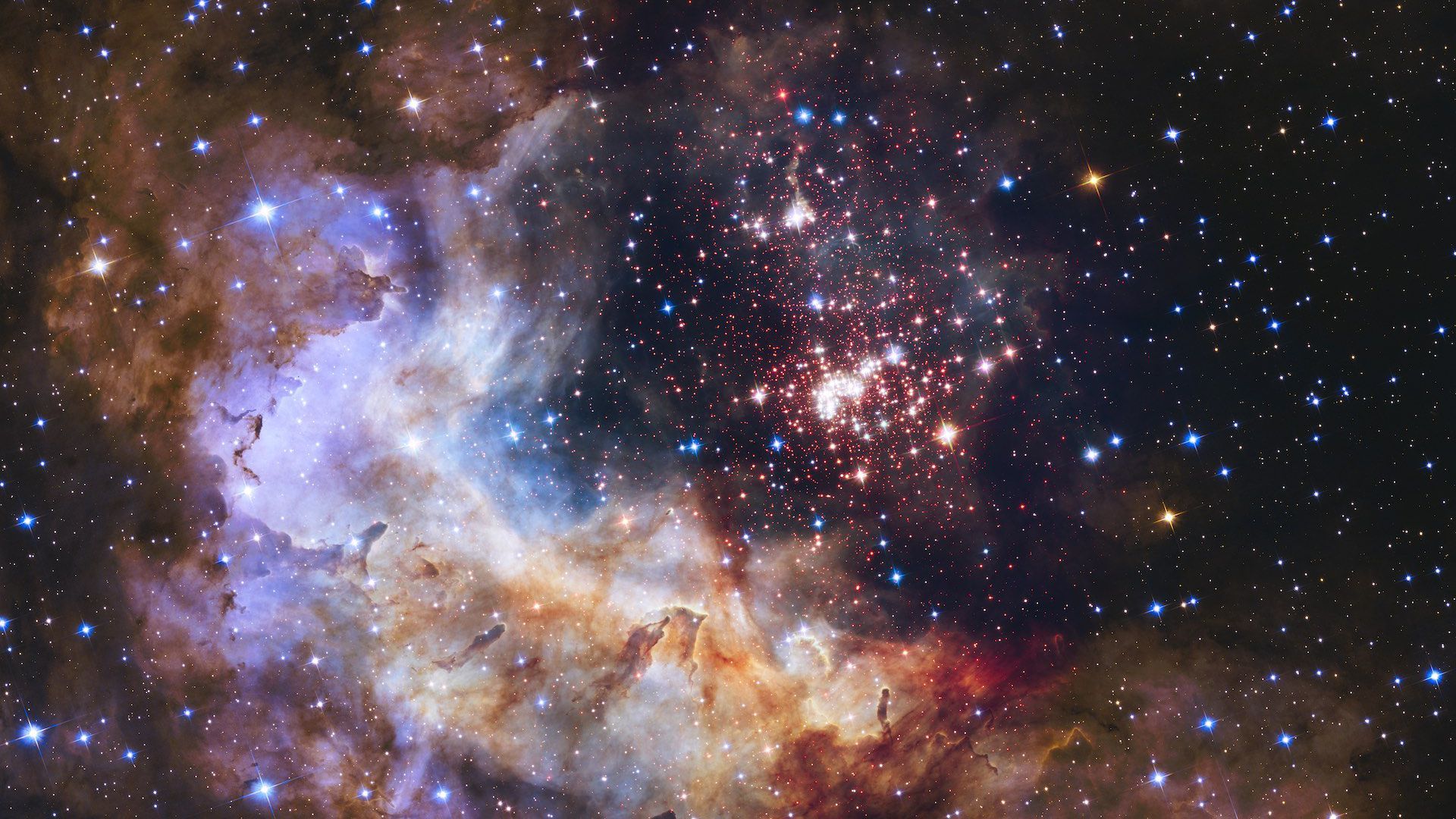
Scientists think most stars in our galaxy play host to planets, but 20,000 light-years away, a dense cluster of stars is proving to be the exception to that rule.
Why it matters: New research from scientists using the Hubble Space Telescope found the core of the star cluster Westerlund 2 is inhospitable to newly forming planets.
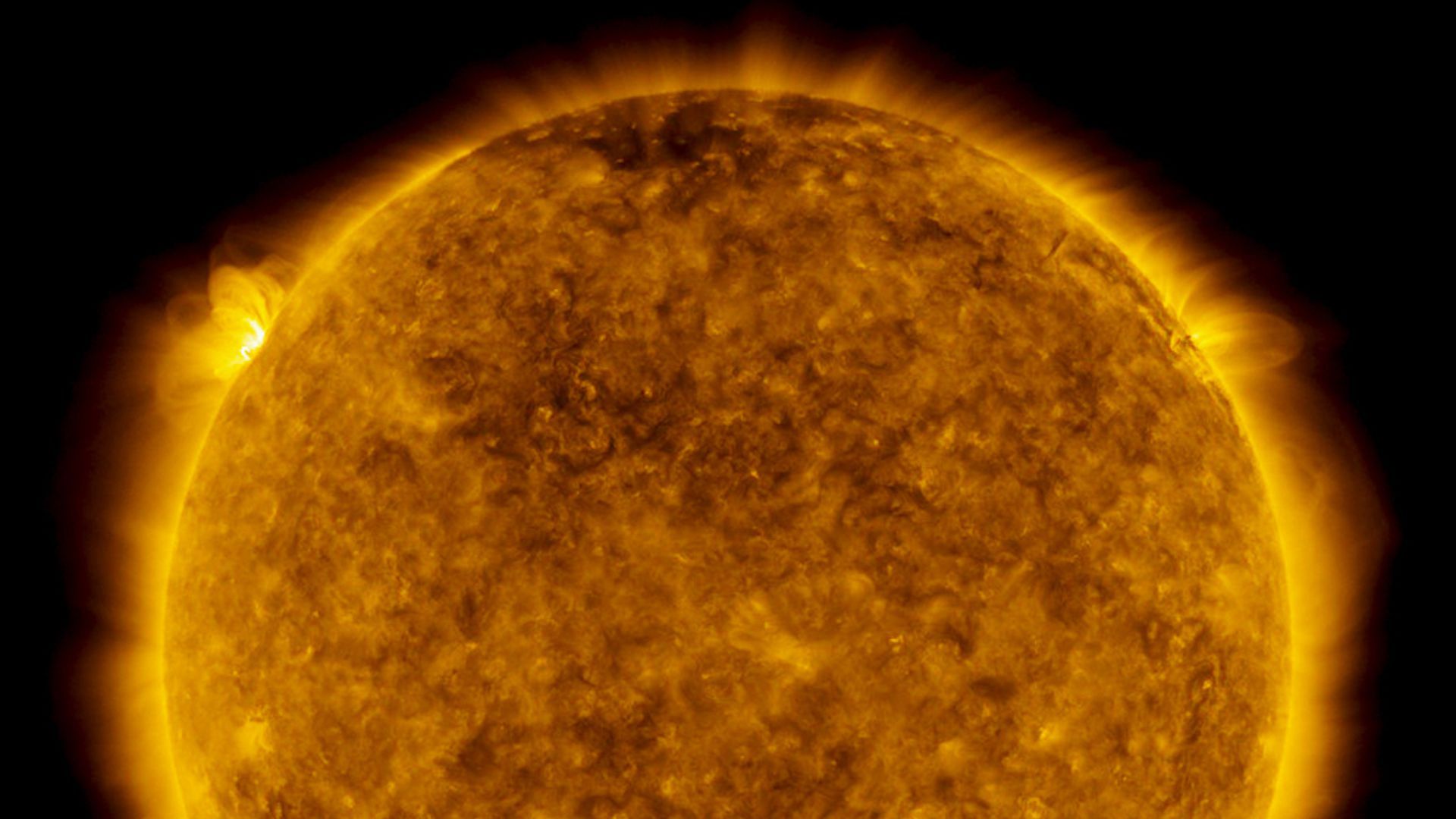
The Sun unleashed a strong solar flare last week for the first time since 2017, potentially signaling that our nearest star's activity is ramping up after a long period of quiescence.
Why it matters: Strong solar flares can harm satellites and people in space, while the most extreme flares could take down Earth's electrical grids.