Viruses change as they spread — the novel coronavirus included.
Why it matters: A key question for the development of diagnostic tests, vaccines and treatments is how much a virus mutates — and how efforts to fight it may have to adjust to keep up.
In the race to create a vaccine for the novel coronavirus, some researchers are testing new approaches they hope can ultimately produce vaccines in months rather than years.
Why it matters: The global COVID-19 outbreak is a harsh reminder of the urgent need to be able to vaccinate large swaths of the population fast — in this pandemic and the next.
In the midst of this pandemic, science is suffering from low standards for some research, a new study argues.
The big picture: Science — which is slow, methodical and redundant — isn't necessarily made for the immediacy and acute public interest brought on by a health crisis.
An outbreak of tornadoes from a severe weather system in the southeast struck Oklahoma and Texas on Wednesday, killing at least four people, injuring dozens of others and leaving thousands without power, authorities said, per the New York Times.
Details: Officials in Polk County, Texas, told reporters two people to died and up to 30 were injured when a tornado struck, damaging mobile homes and houses. Texas Gov. Greg Abbott said in a statement the state had deployed response teams and medical resources to assist communities as his office reported "widespread damage" in the region.
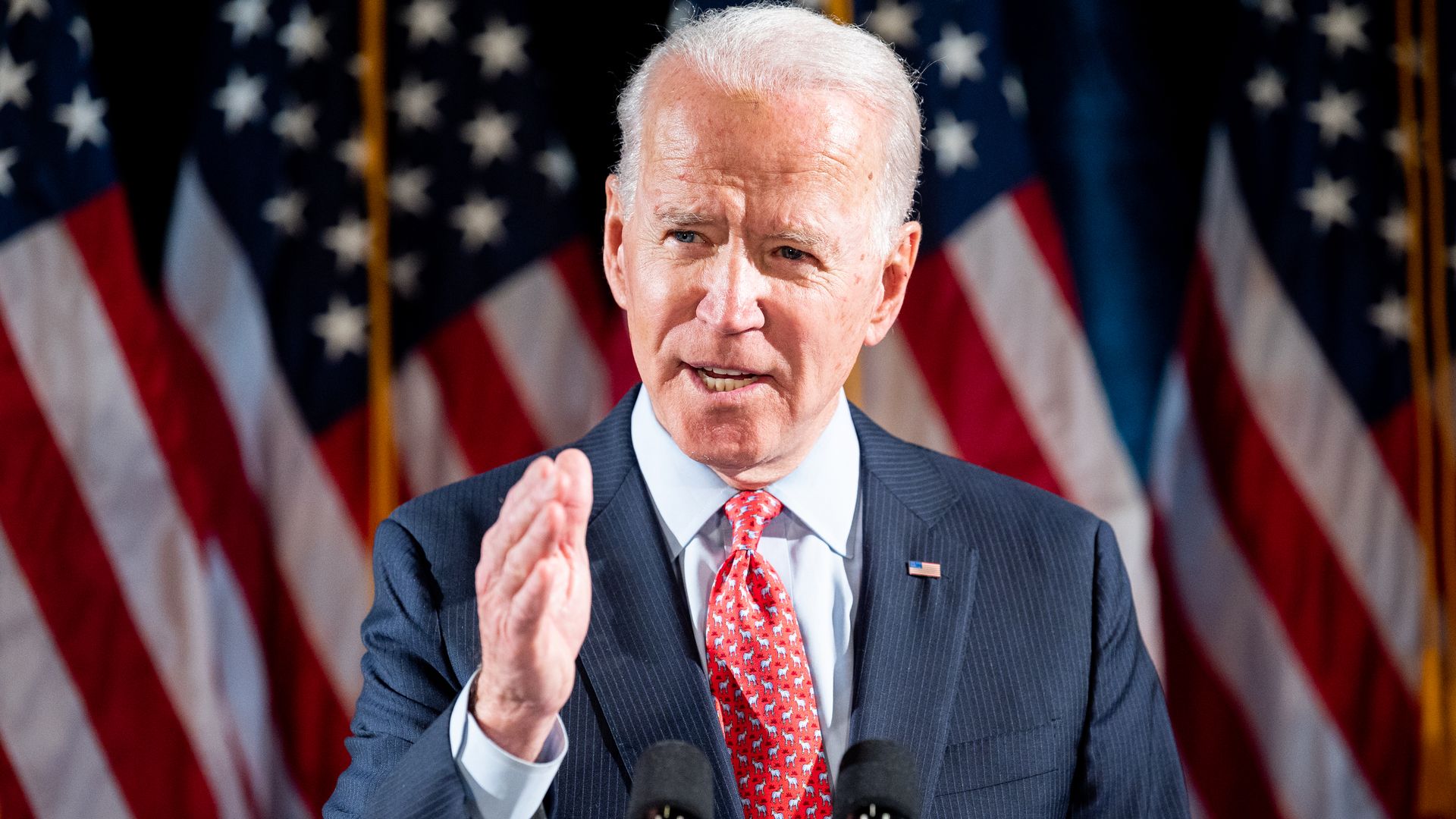
Over 80 scientists, including prominent climate experts, are out with an open letter endorsing Joe Biden just ahead of the 50th anniversary of Earth Day.
Why it matters: The letter comes as Biden is seeking to consolidate support among progressives who prefer Sen. Bernie Sanders' more aggressive climate platform.