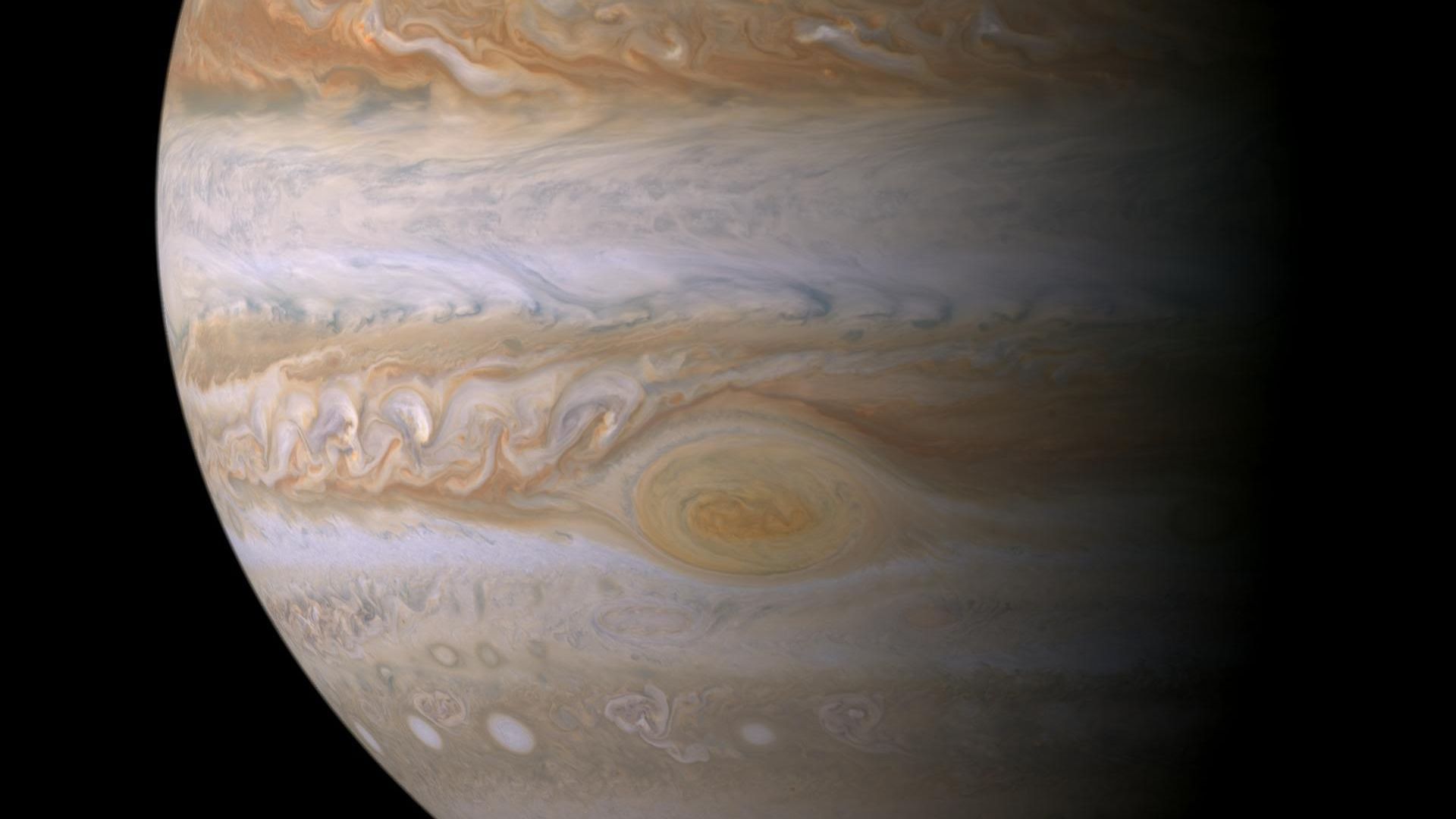
Look up this week to see Jupiter putting on a show for observers on Earth.
The big picture: The largest planet in our solar system is at its brightest this week. Jupiter is currently in a favorable alignment with Earth and the Sun, allowing the planet to shine brightly through the night and making observing the planet unusually rewarding.
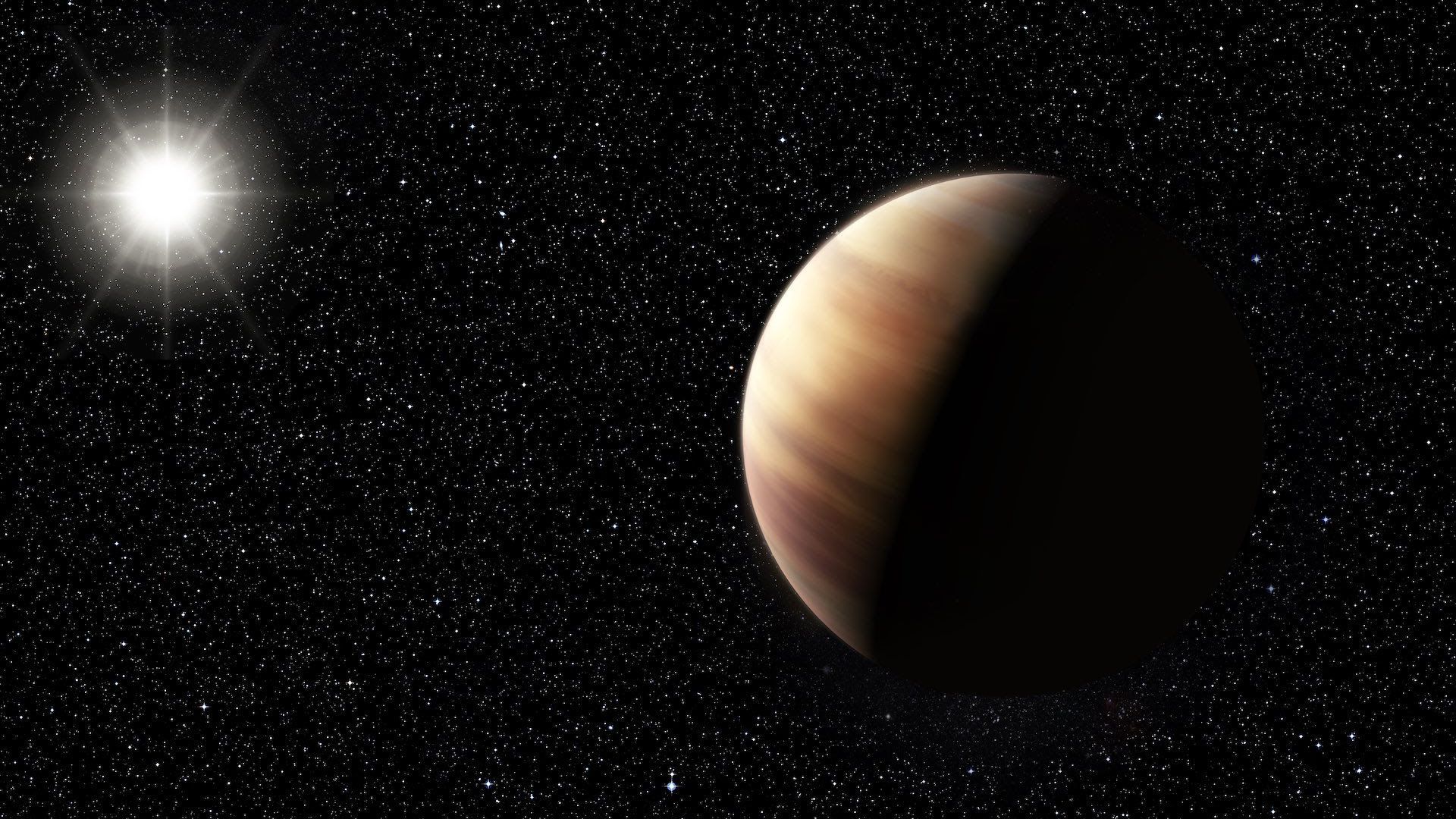
The International Astronomical Union (IAU) — the body responsible for assigning official names to cosmic objects discovered by humanity — wants people around the world to help name planets and stars far away from our own solar system.
Why it matters: The IAU initiative can help democratize what’s usually an opaque naming process. "Each nation's designated star is visible from that country, and sufficiently bright to be observed through small telescopes," the IAU wrote in a news release.
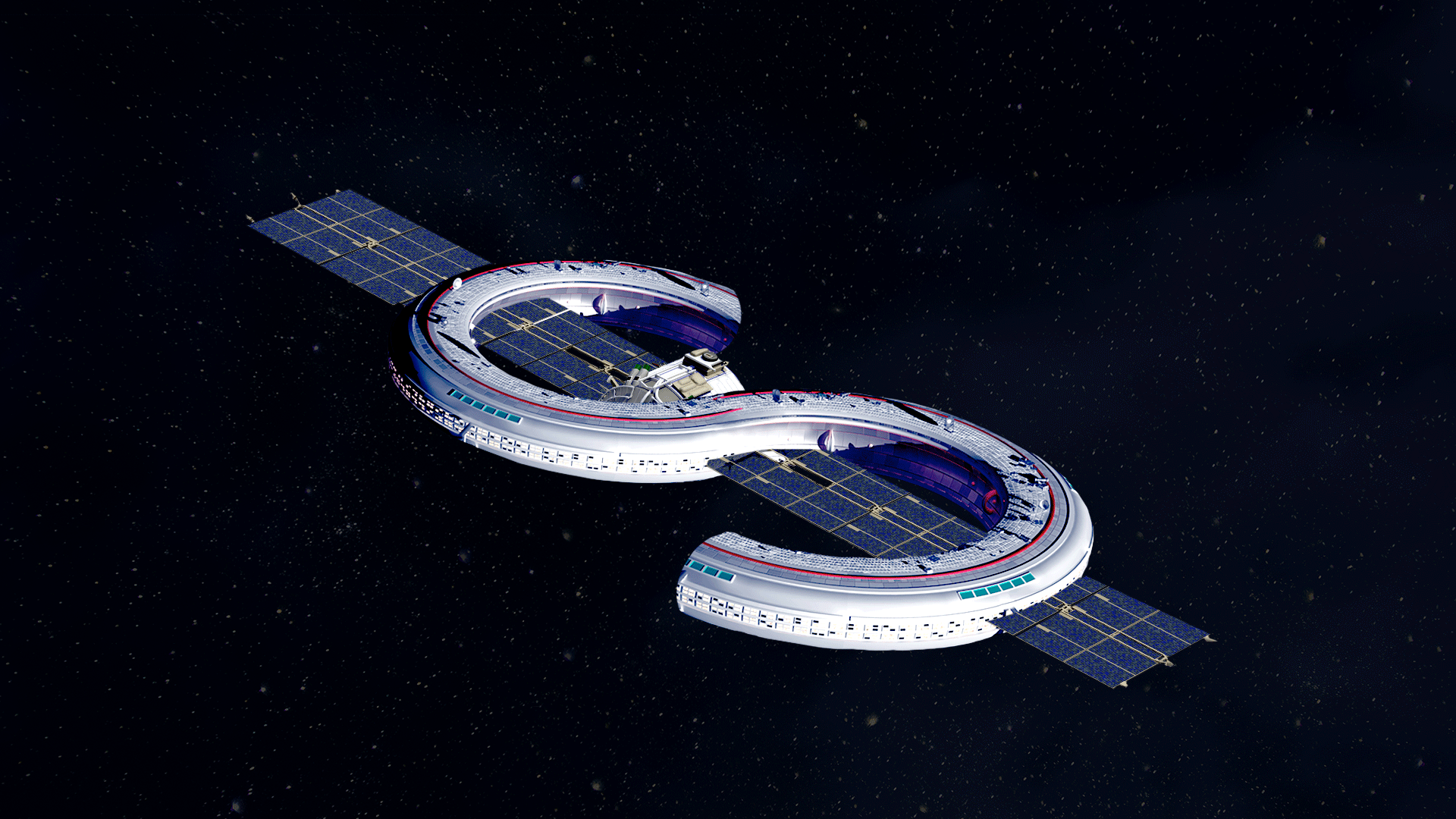
NASA's plans to create a robust economy in low-Earth orbit where private spaceflight companies can flourish could eventually leave the agency's astronauts stranded on Earth with nowhere to go.
Why it matters: NASA hopes to play a lead role in developing a private spaceflight economy, including private sector astronauts. The agency sees this as a way to free it up to focus on farther afield goals like bringing humans back to the Moon and, eventually, to Mars.
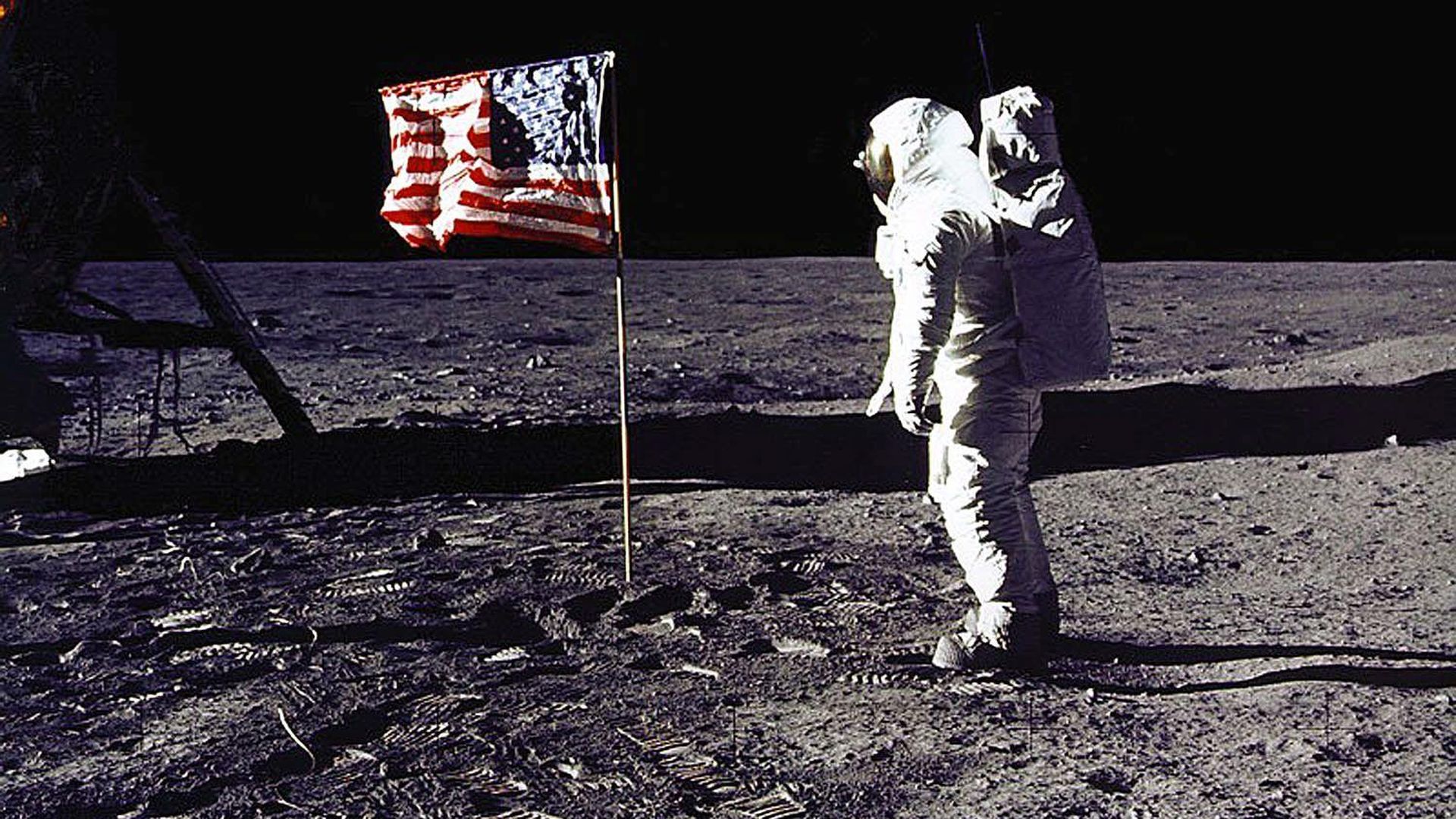
NASA administrator Jim Bridenstine told a town hall at Glenn Research Center in Cleveland, Ohio, Monday that the space agency still aims to return humans to the Moon by 2024 — despite President Trump's tweet appearing to suggest otherwise.
Details: The moderator asked Bridenstine if Trump's tweet that NASA shouldn't be talking about going to the Moon and "should be focused on the much bigger things we are doing, including Mars (of which the Moon is a part)" meant the space agency's mission had changed.
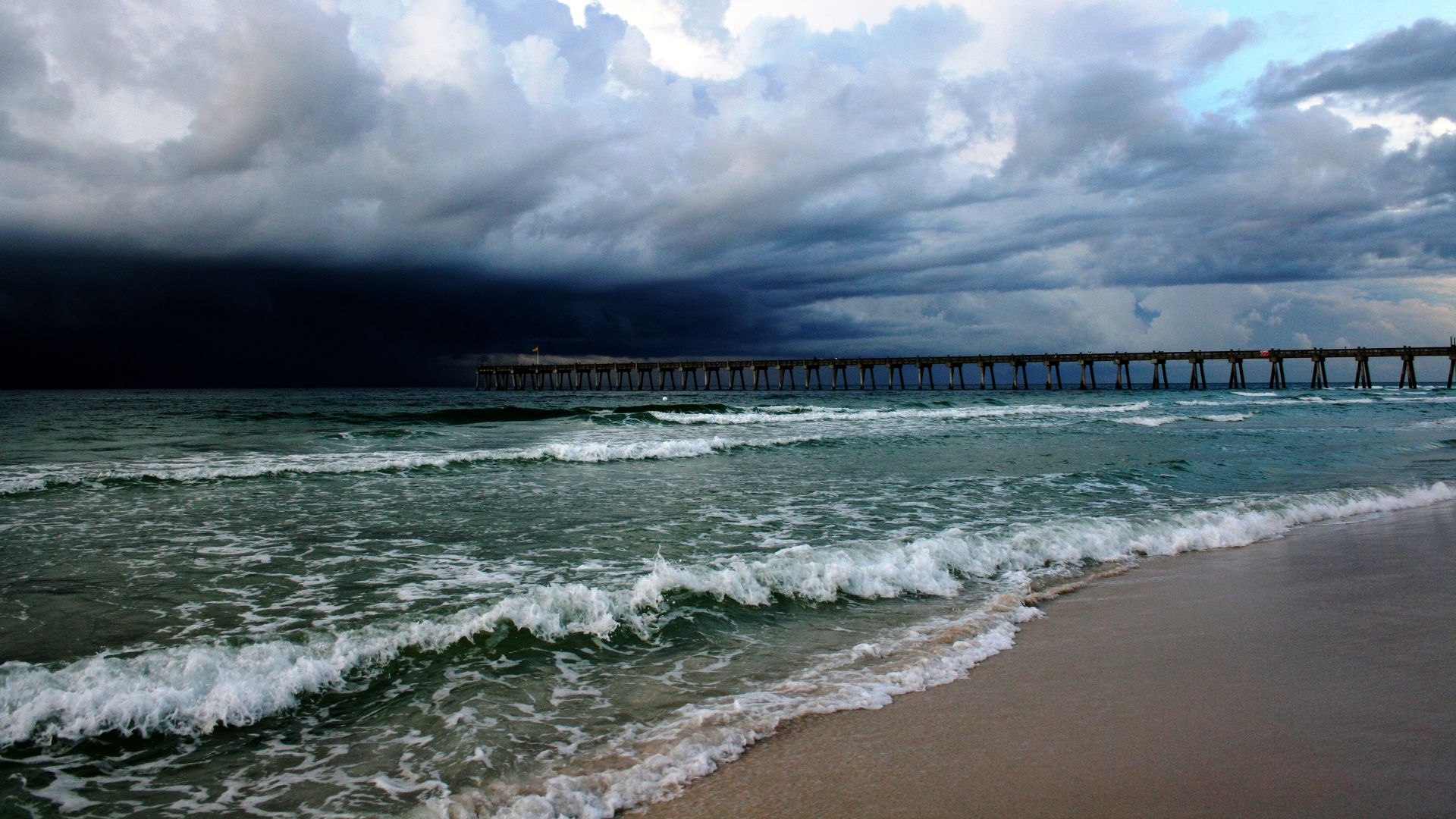
The National Oceanic and Atmospheric Administration is predicting this year's annual "dead zone" in the Gulf of Mexico to be unusually large, coming in at "approximately 7,829 square miles, or roughly the size of Massachusetts."
Context: A dead zone is a hypoxic area, meaning that little or no oxygen is present, killing most marine life. NOAA says the event is largely a result of nutrient pollution flowing into the Gulf from the Mississippi River watershed. The surplus of nutrients, such as phosphorous, results in excess algae growth. When decomposed in water, the algae causes oxygen levels to plummet in the ocean's depths.
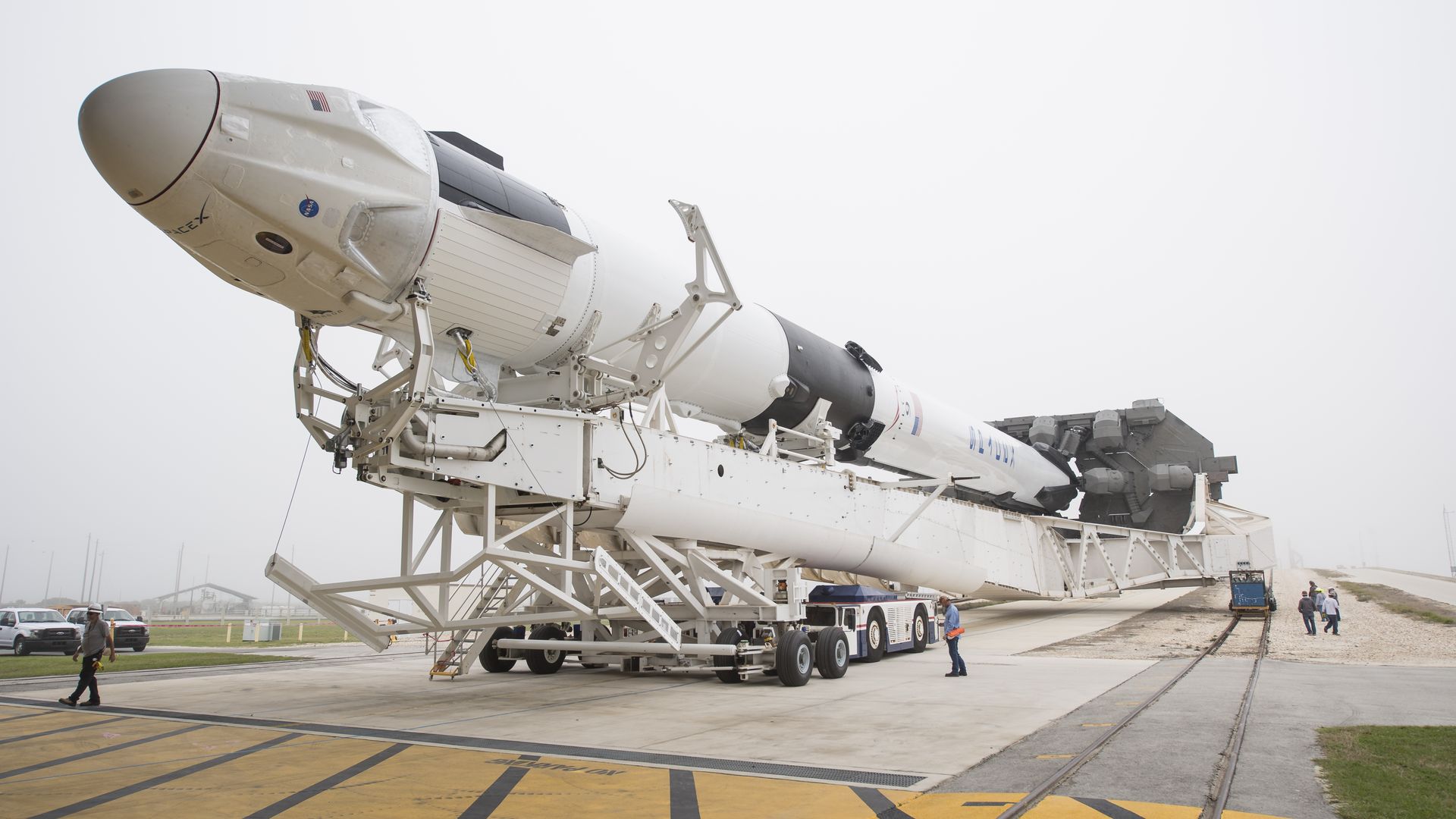
SpaceX, Elon Musk's private space company, has big plans for space exploration — and a growing arsenal of rockets to achieve its goals.
Driving the news: NASA has pushed back an announced Falcon Heavy launch at least two days to no earlier than June 24 at 11:30 p.m. from Launch Complex 39A at the Kennedy Space Center in Florida.