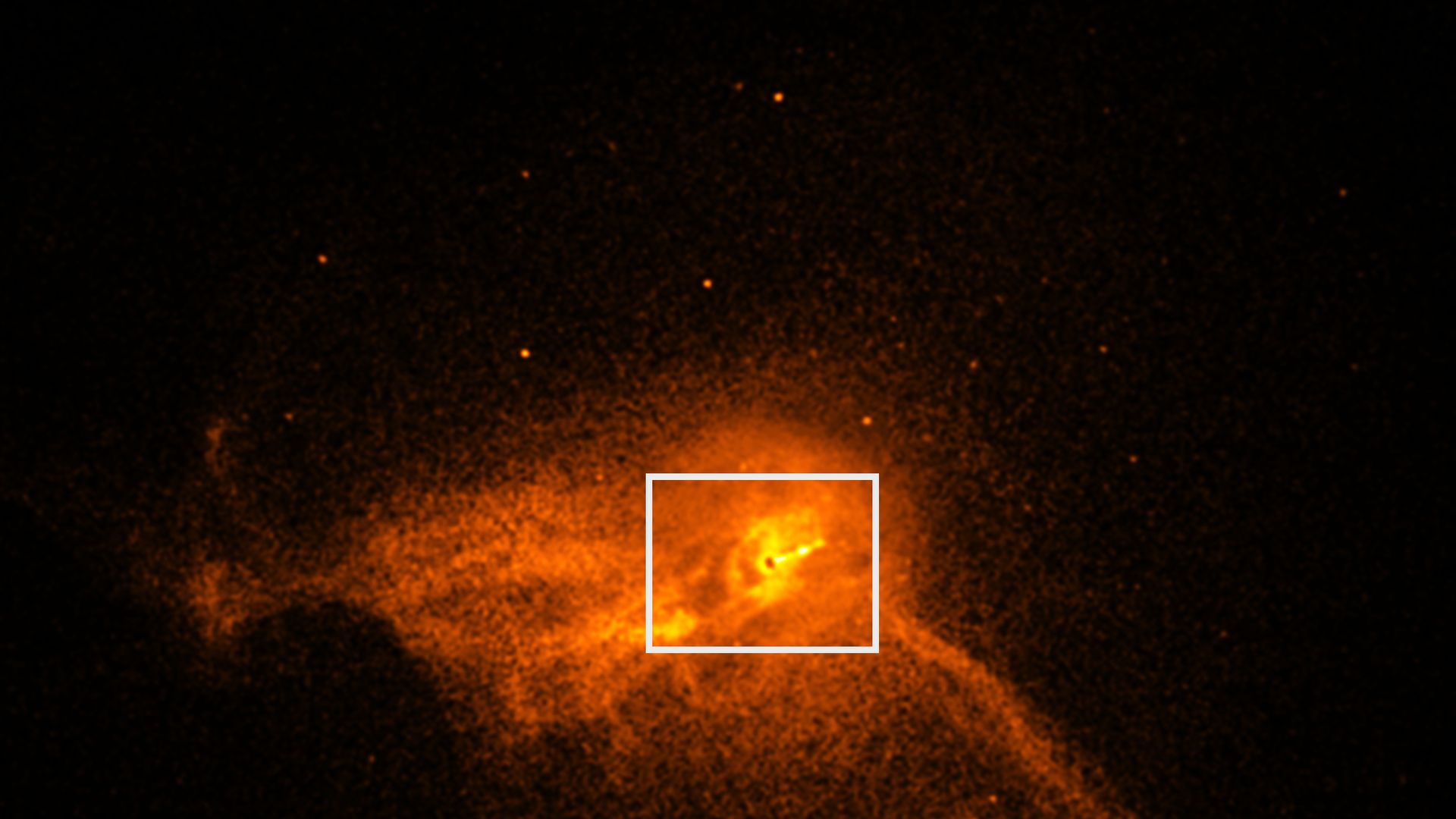
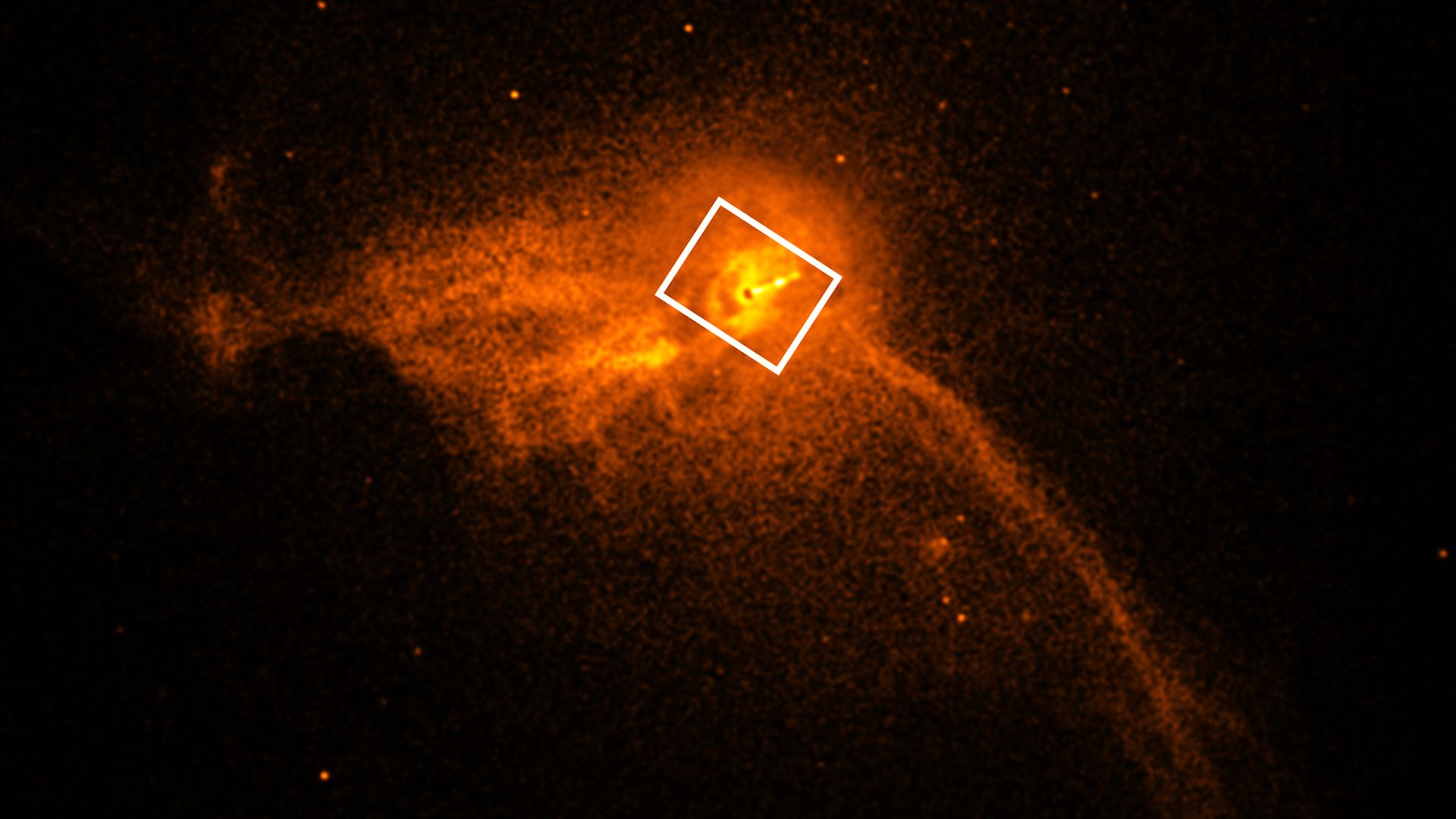
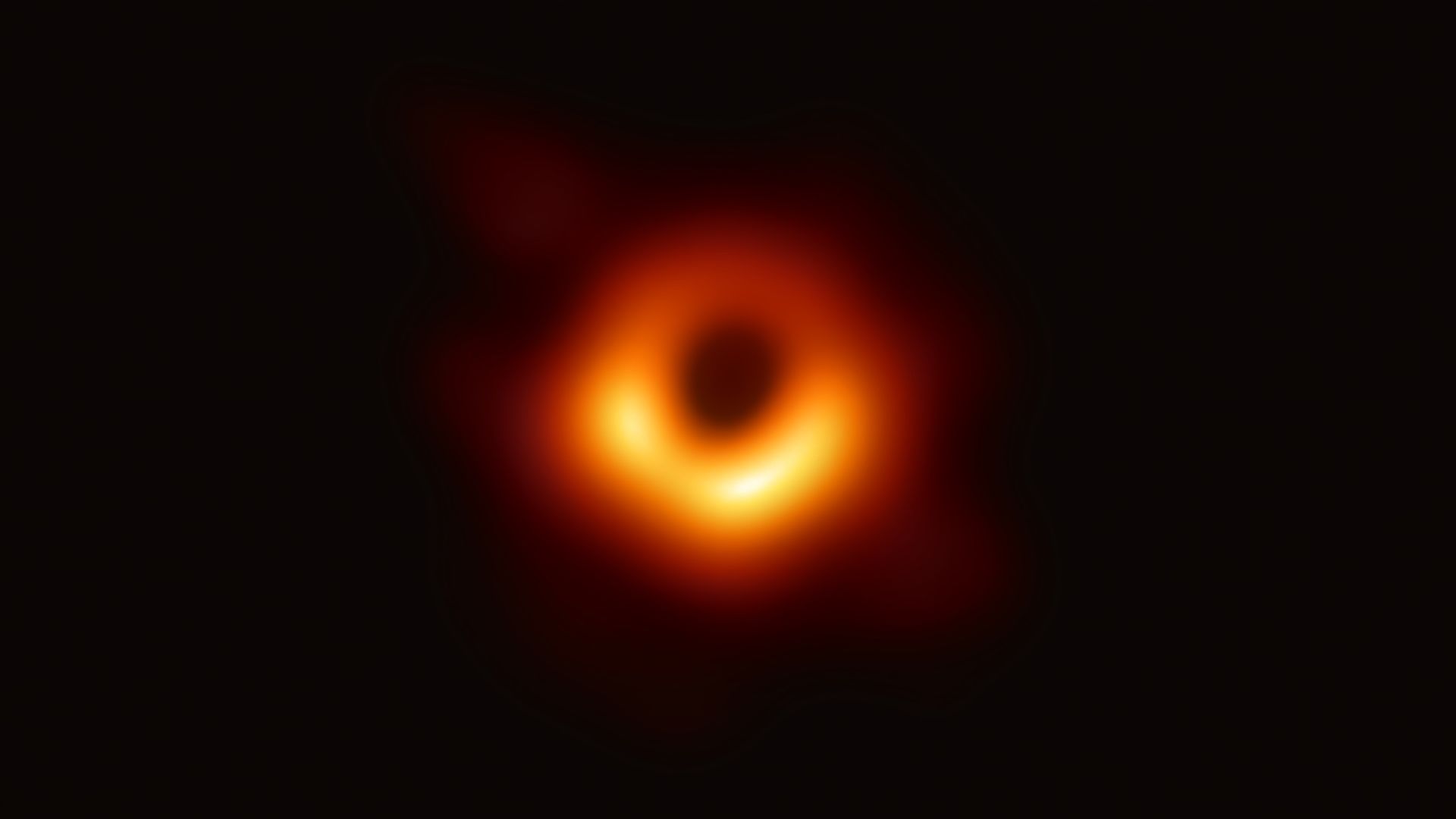
The astonishing first photo of a black hole, revealed Wednesday by the team behind the Event Horizon Telescope, opens up new avenues for researchers to probe more deeply into the inner workings of these extreme and fundamental aspects of our universe.
Why it matters: The major announcement that scientists have finally caught one on camera, so to speak, paves the way for the pursuit of new avenues in astrophysics that will probe the nature of gravity, scientists tell Axios. This work may reveal limits to Albert Einstein's theory of general relativity.
SpaceX is raising up to $510 million in new funding for the second time this year, according to a Delaware stock authorization filing uncovered by the Prime Unicorn Index. Such filings do not guarantee that the issuer will sell all, or any, of the authorized shares.
The bottom line: Shares would be sold at a 9.7% premium to the prior round, which valued Elon Musk's private space company at over $30 billion. To date, SpaceX has raised around $2.75 billion from equity investors.
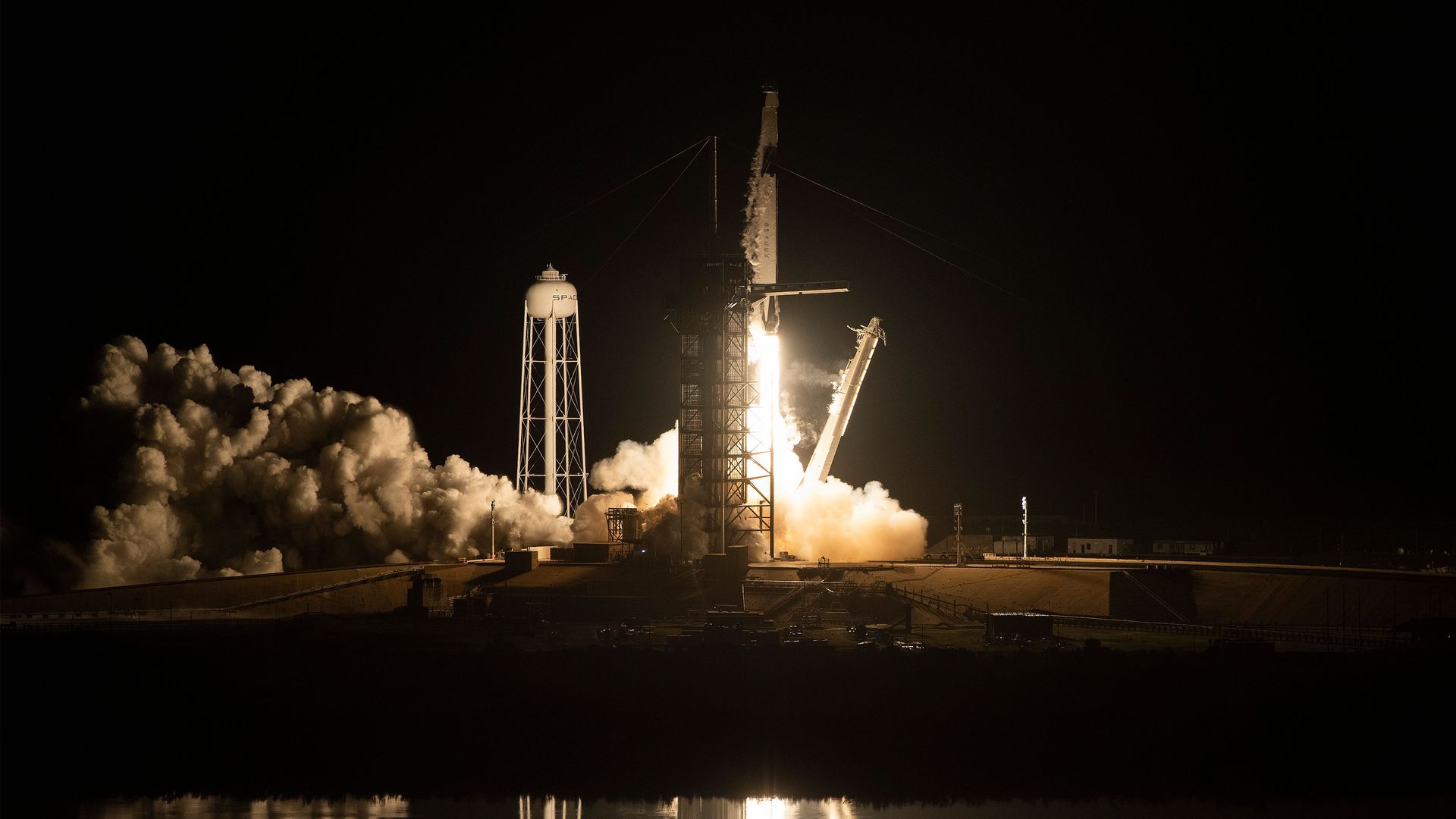
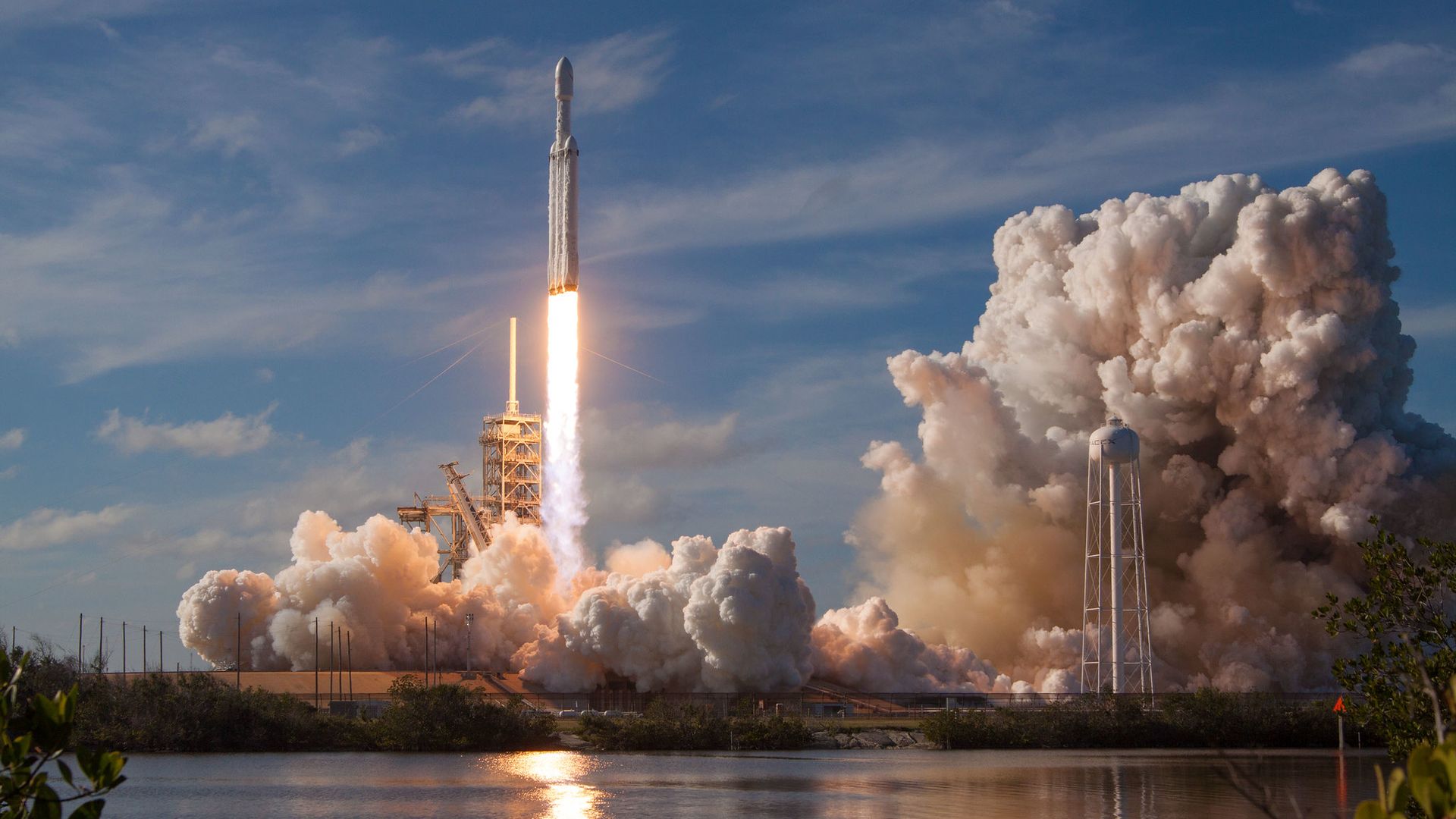
SpaceX's Falcon Heavy rocket — the most powerful rocket flying today — lofted a communications satellite to orbit from Florida on Thursday evening, before coming in for a soft landing back on Earth.
Why it matters: While SpaceX's first Falcon Heavy launch in February 2018 was a successful proof of concept, this launch marks the first time the rocket has actually delivered a payload to orbit for a paying customer. It also is the first time the Elon Musk-founded company successfully recovered 3 rocket stages at once.
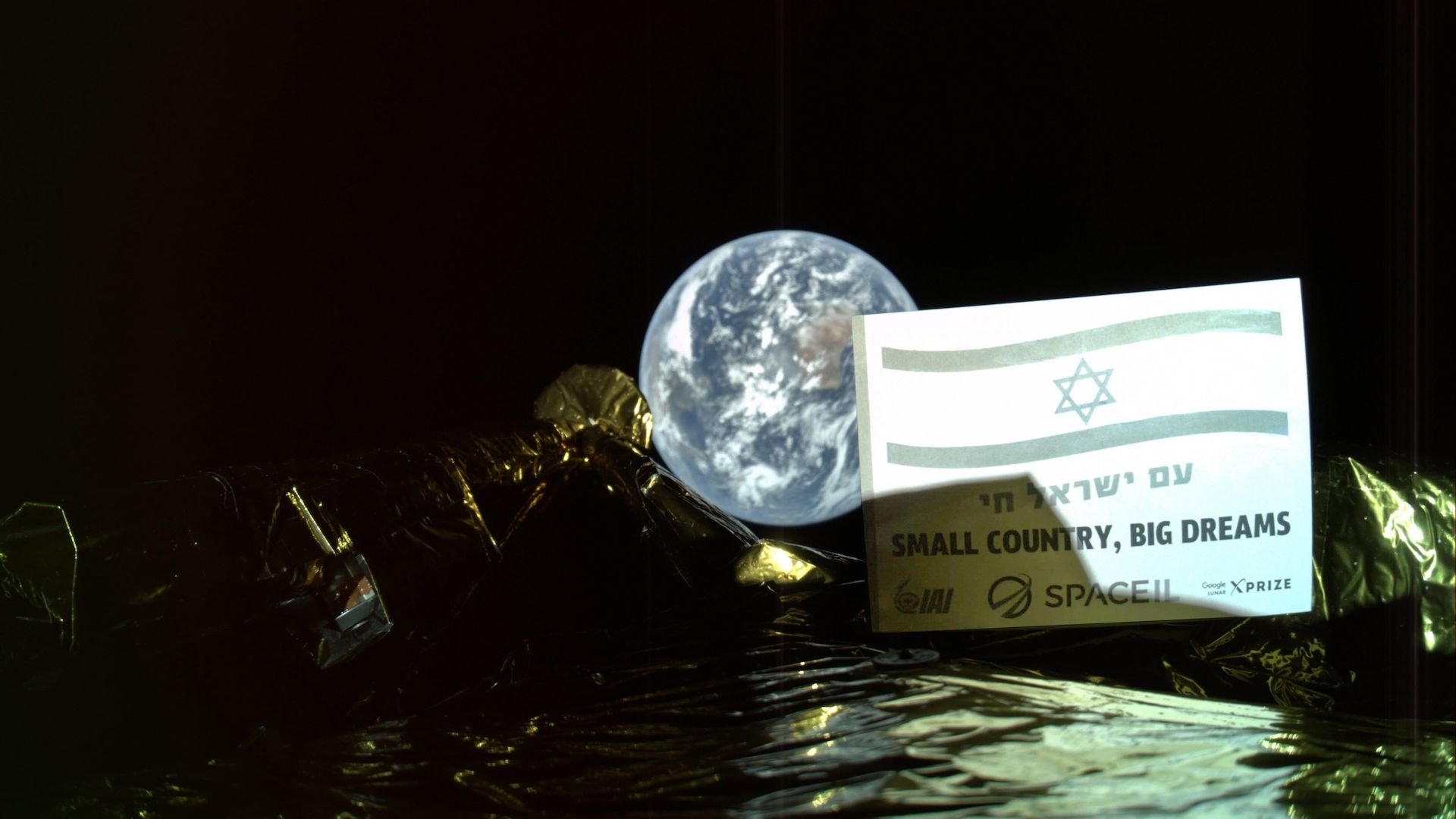
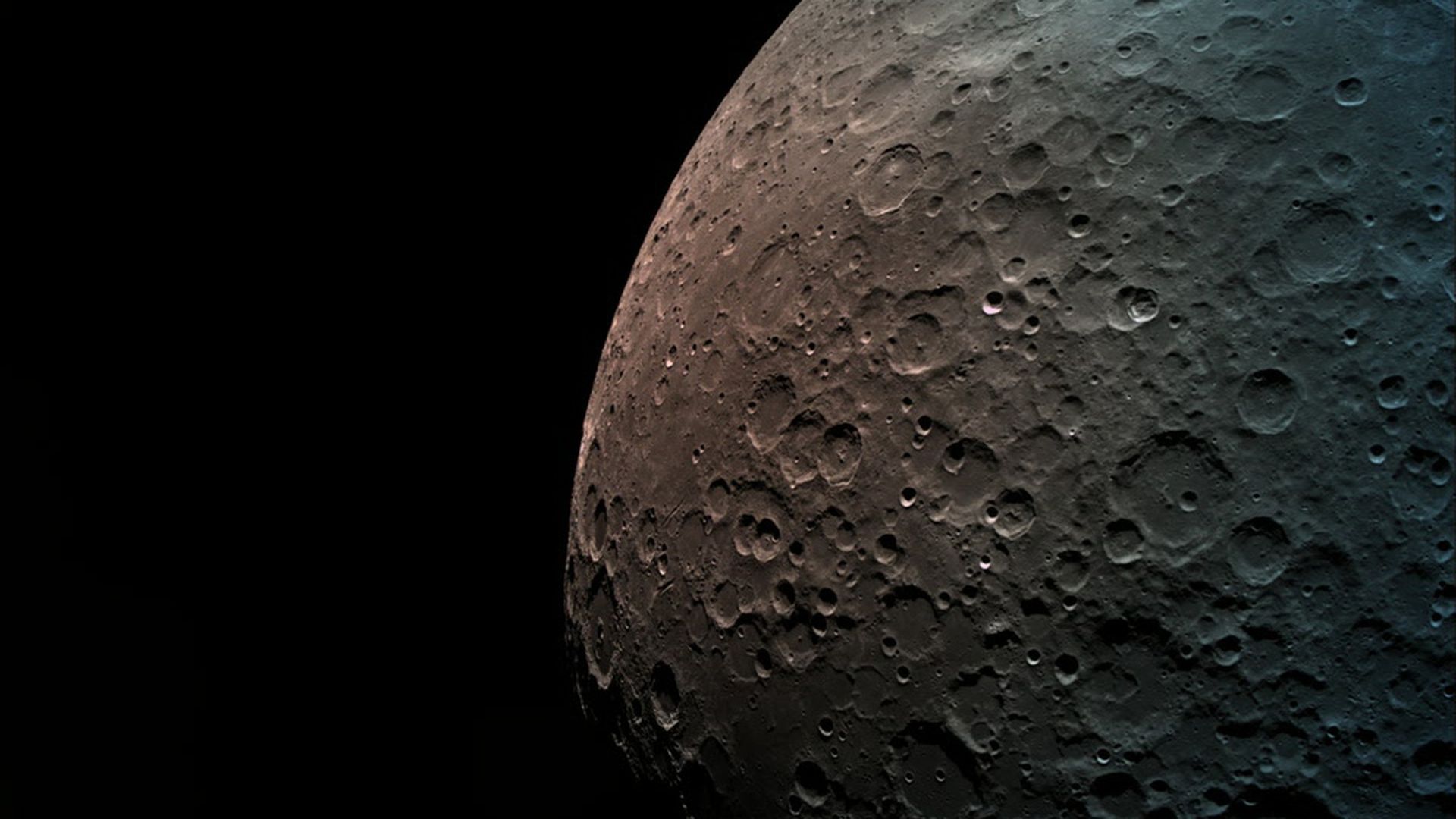
The Israeli Beresheet lunar lander didn't stick its potentially historic moon landing on Thursday, suffering from a main engine failure in the final moments of its descent.
Why it matters: Had it not crashed, the lander would have been the first privately funded spacecraft to land on the moon's surface and the first for Israel. In spite of the landing's failure this history-making mission shows that space is slowly but surely becoming more and more accessible.
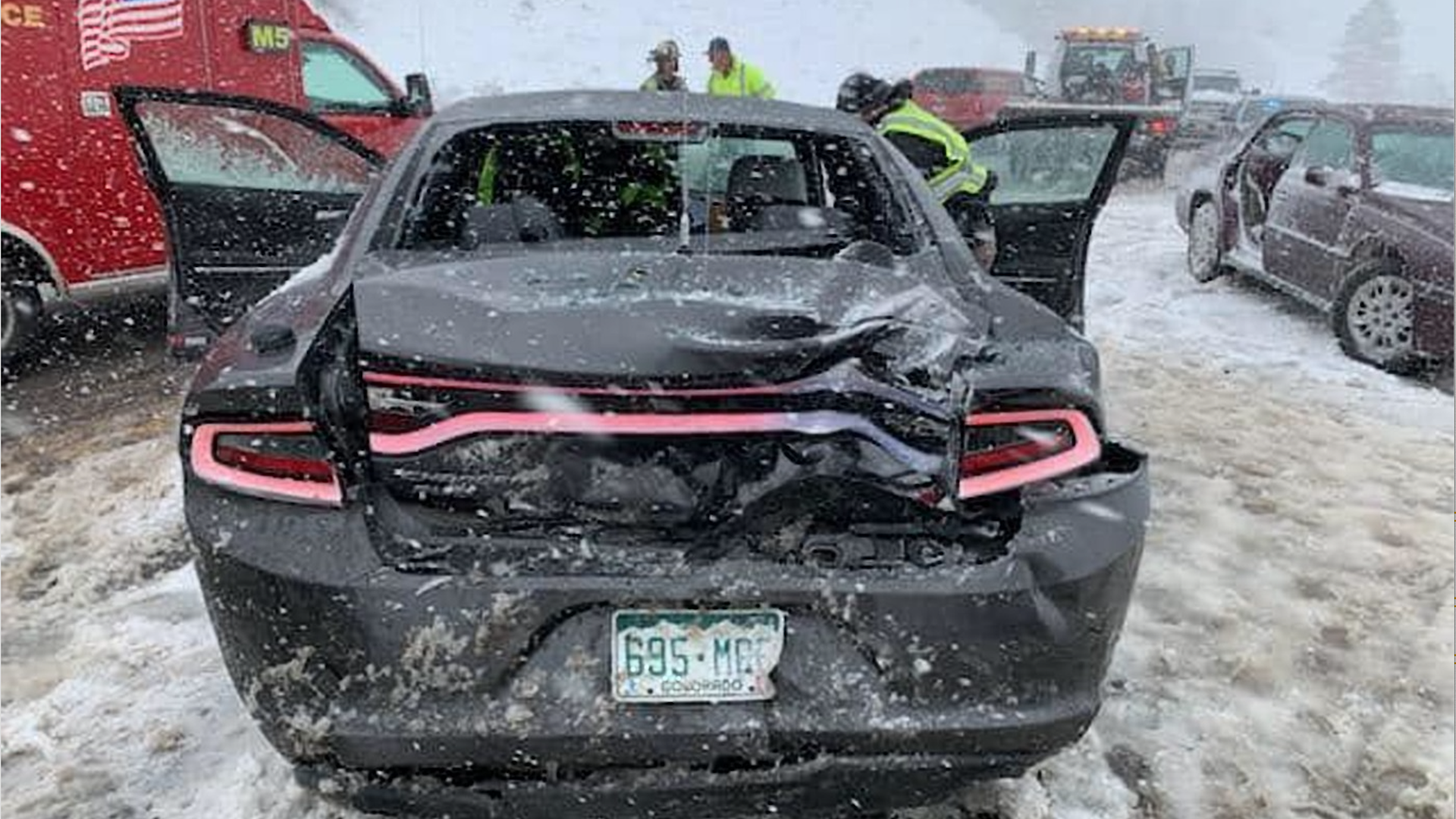
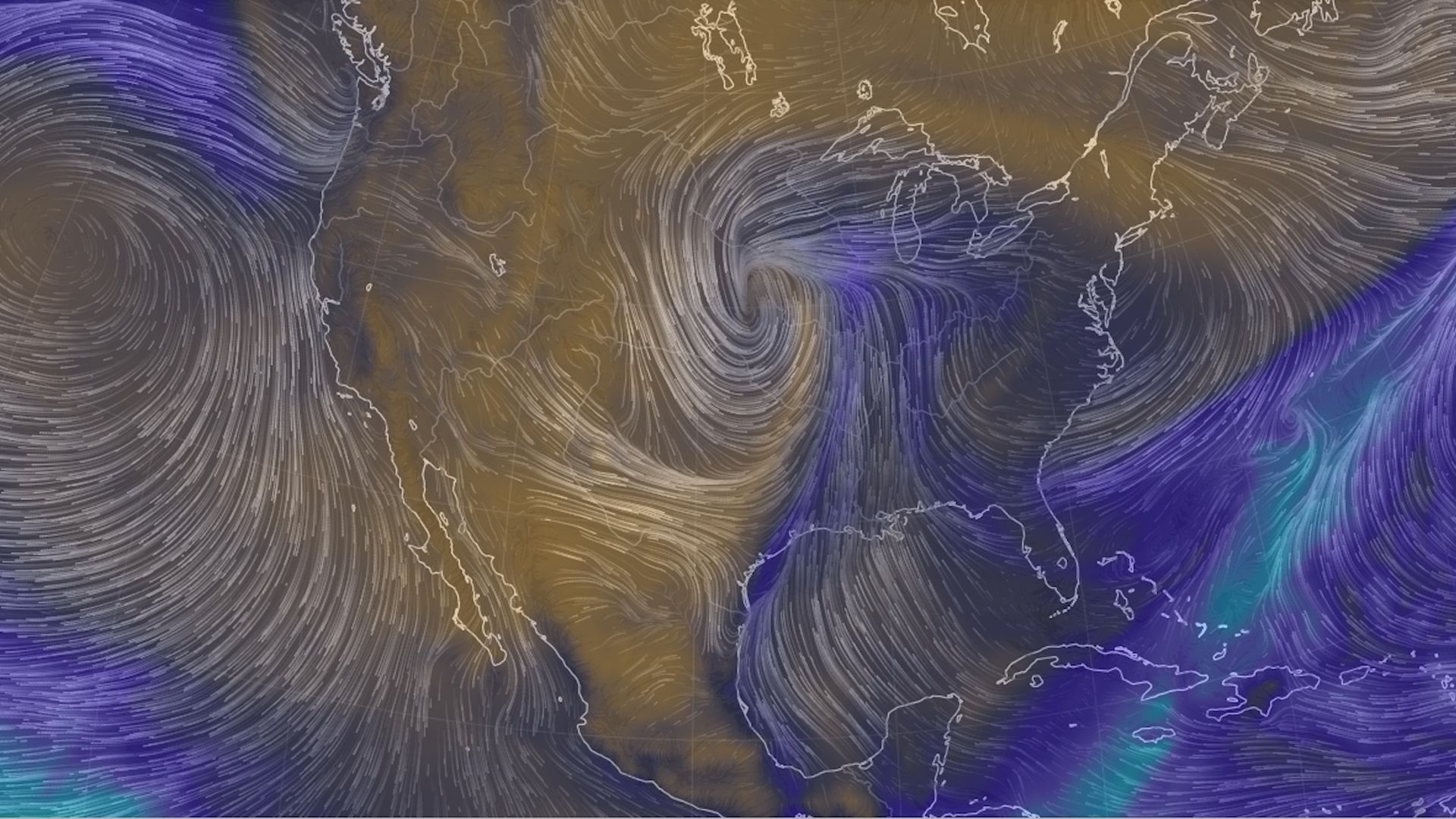
A ferocious and sprawling spring storm is dumping heavy snowfall on the central U.S., leading to paralyzing blizzard conditions from northeastern Colorado into extreme southwestern Minnesota.
Why it matters: This is the second intense, large storm to strike the central U.S. in a month. The first one, which qualified as a bomb cyclone due to its rapid intensification, led to at least $4 billion in damage, mainly from widespread flooding. One major concern centers on what happens after the storm abates, as the new snow cover will melt in an already flood-ravaged region.
Israel's uncrewed Beresheet lander is flying ever closer to its moon landing on Thursday.
Why it matters: The landing, if successful, will mark the first time a privately-built spacecraft has touched down on the lunar surface. The moon has historically been the domain of wealthy nations like the U.S., China and Russia, but today's landing could prove that space is open to more people than just a chosen few.
On Thursday, an international team of scientists unveiled the first-ever photo taken of a black hole, giving humanity a glimpse of one of the most extreme objects in the universe.
The big picture:The photo, taken by the Event Horizon Telescope, shows the shadow of Messier 87's (M87) supermassive black hole surrounded by a ring of light near the object's event horizon — the point at which nothing, not even light, can escape the gravitational pull of the black hole.
A rapidly intensifying storm is sending temperatures plummeting by more than 40°F across the western and central Plains on Wednesday, spawning an April blizzard that could dump more than 2 feet of snow in some areas.
Why it matters: This storm will paralyze a huge area of real estate and potentially set up beleaguered states such as Nebraska, Iowa, Minnesota and Wisconsin, among others, for more flooding in coming days. It could also set records for snowfall — with the potential for as much as 30 or more inches in parts of the Midwest — and for the lowest atmospheric pressure reading observed during the month of April in particular states.
Dan and Axios' Miriam Kramer dig into President Trump's directive that NASA must return astronauts to the moon's surface by 2024. Plus, they discuss today's first-ever photo of a black hole.
For the first time in history, we know what a black hole looks like, specifically the supermassive black hole lurking in the center of a galaxy called Messier 87 (M87).
Why it matters: A new photo, taken by the Event Horizon Telescope, represents humanity's first real look at a black hole, and it could fundamentally alter how we understand these objects and test even the most basic laws of physics.