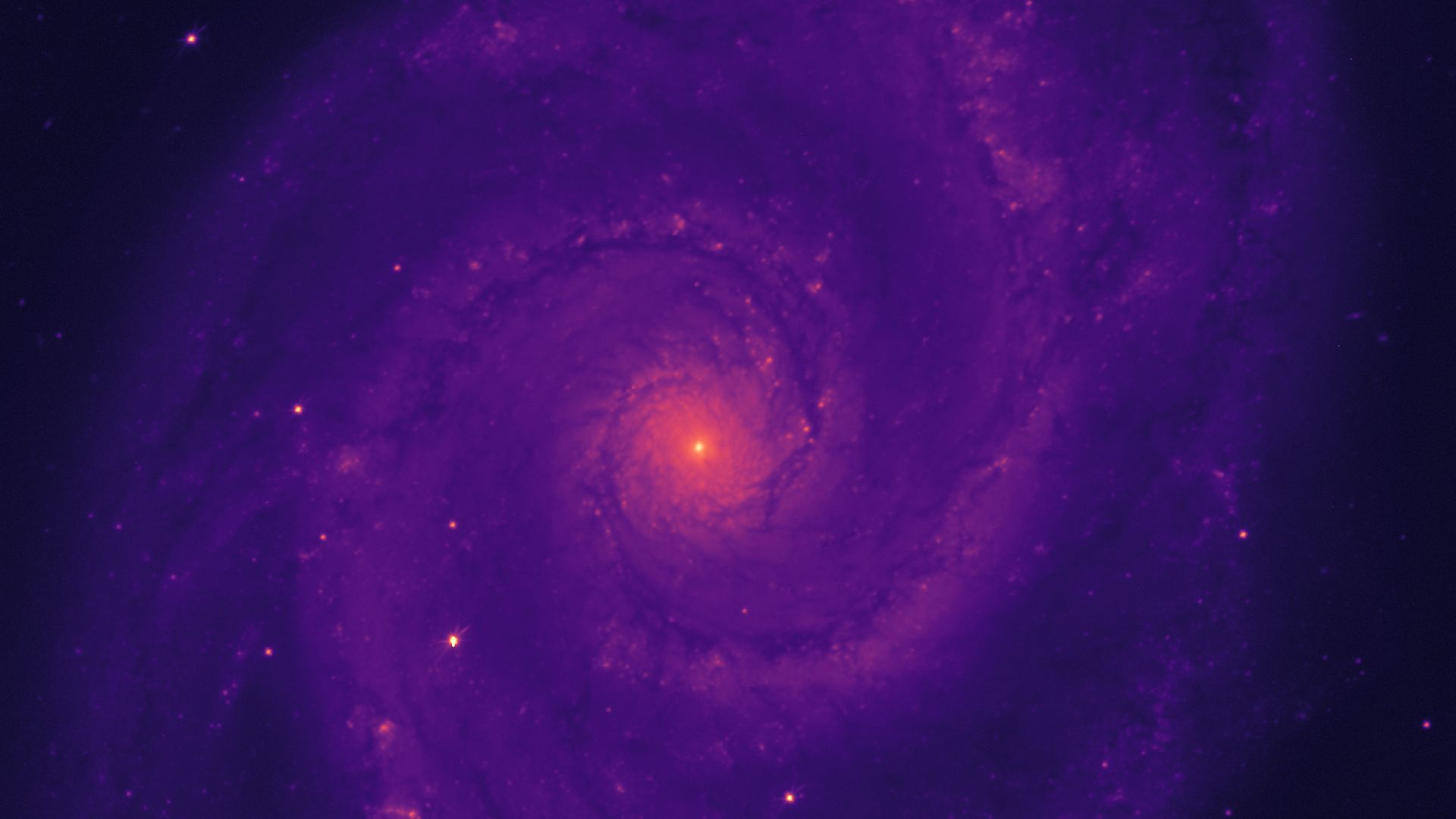
A new telescope instrument saw first light on April 1, a step toward untangling the mystery of dark energy — the invisible, mysterious force thought to drive the expansion of the cosmos.
The big picture: The instrument, called the Dark Energy Spectroscopic Instrument (DESI), is made up of six large lenses that — once fully operational — are expected to help astronomers measure the distances between galaxies in order to clock the expansion of the universe propelled by dark energy.
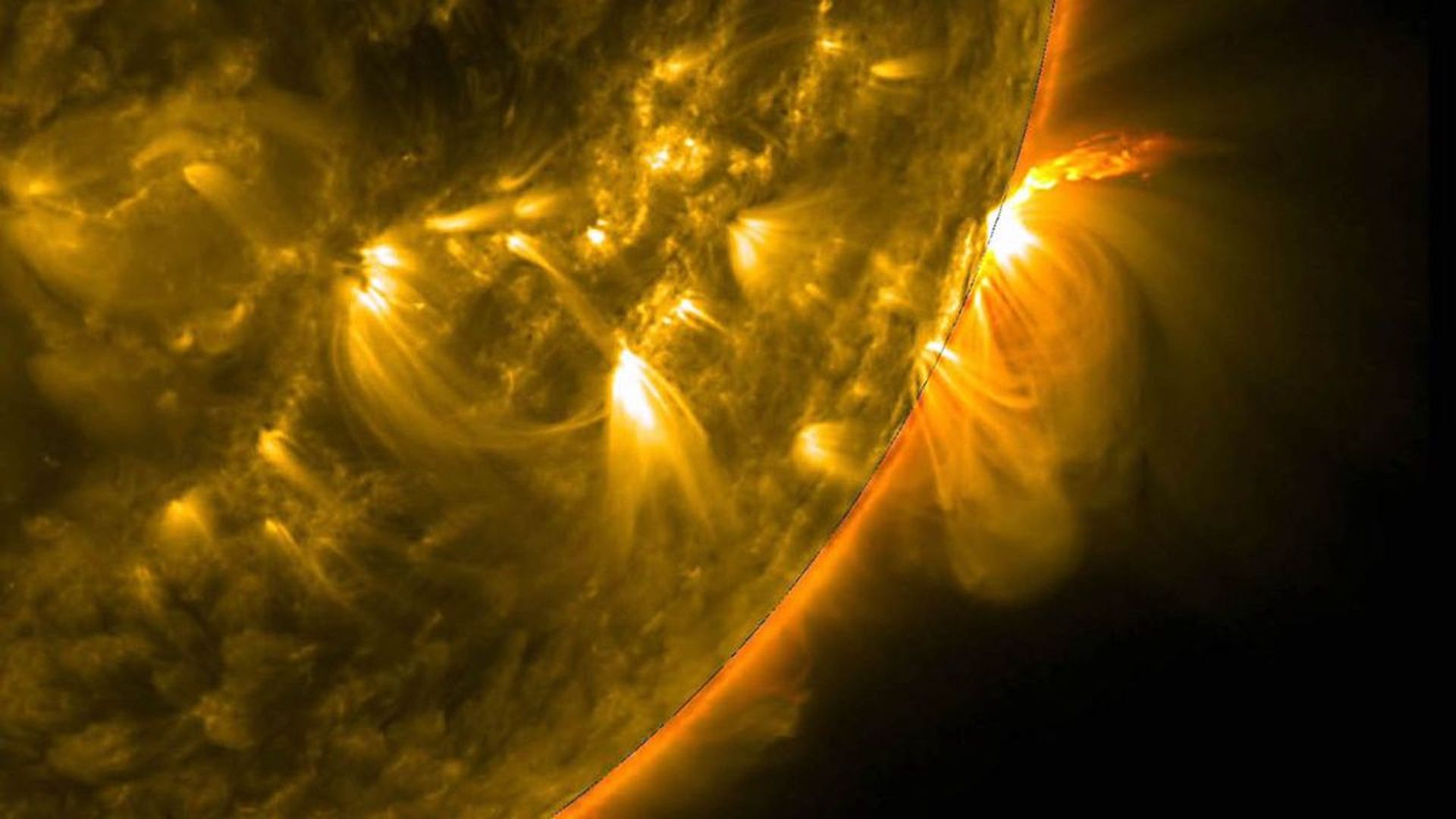
NASA could soon use an artificial intelligence-fueled fix for a malfunctioning instrument on its Solar Dynamics Observatory, which observes solar activity in extraordinary detail.
Why it matters: Powerful solar storms — bursts of solar plasma and charged particles — can harm satellites in orbit and even cause major problems for power grids on Earth. And the SDO, which can spot solar storms in real-time, is a key part of that.
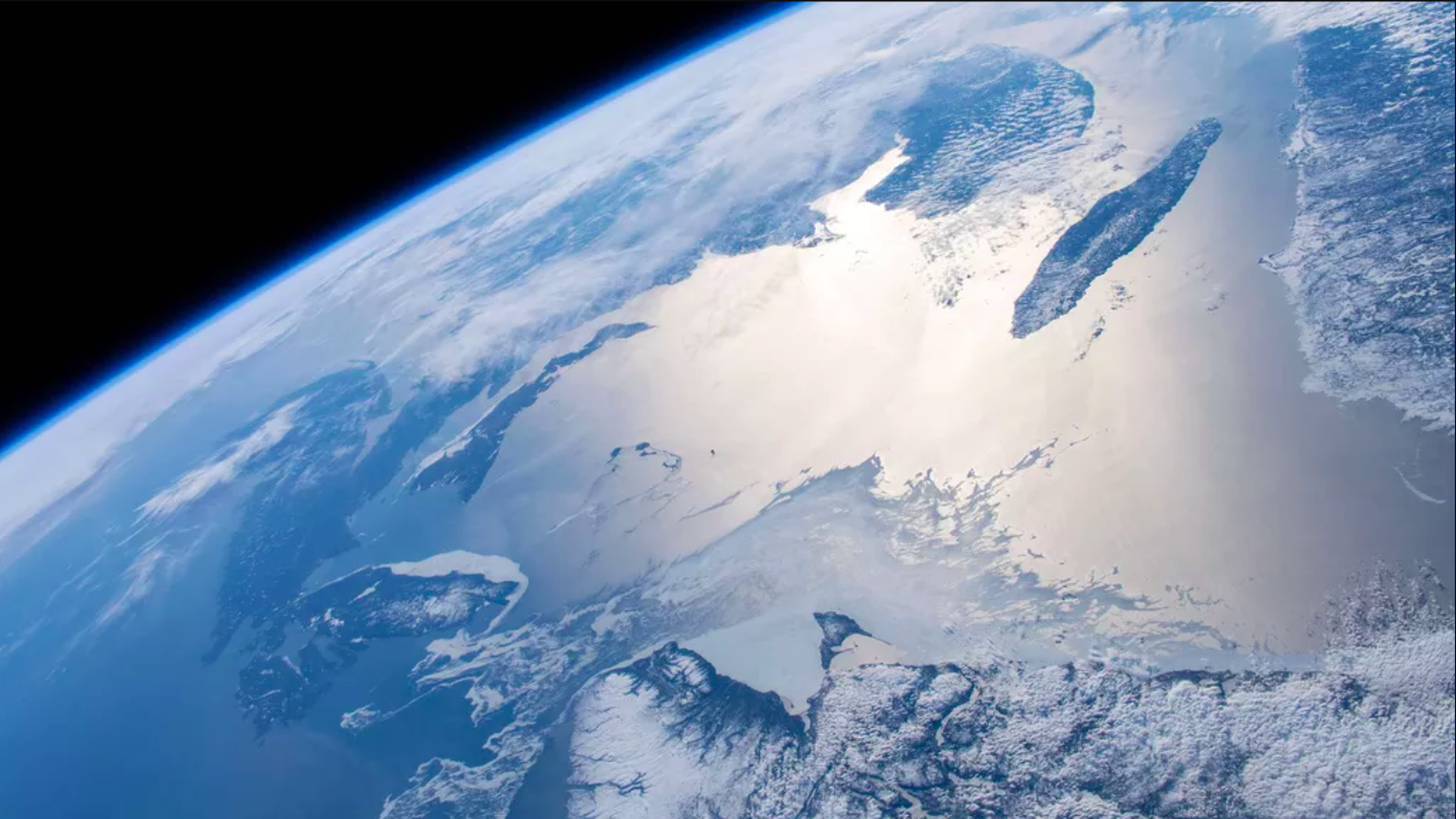
A new space weather model under development at Los Alamos National Laboratory could help give a 24-hour warning before a storm of charged particles from the sun bombards crucial satellites, potentially knocking them out of service.
The big picture: These "killer electrons" move more erratically during solar storms — a type of space weather where particles from the sun smack into Earth's magnetic field — so being able to predict that variability is key for spacecraft operators.
The new era of space exploration is faster-moving, more international and open to far more players than ever before — all of whom stand to determine who can access and profit from space.
The big picture: Today's space age looks very little like the one that began 50 years ago. Space is now a consequential part of our daily lives. Our ability to consume media, navigate our commutes, predict weather and monitor developments on battlefields hinges on satellites orbiting the planet.
When SpaceIL's Beresheet spacecraft touches down on the moon's Sea of Serenity on Thursday, it will be the 21st mission — and the first privately funded one — to make a soft landing on the lunar surface.
Data: Axios research; Graphic: Harry Stevens/Axios
Details: This graphic shows every moon landing, beginning with the Soviets' Luna 9, which landed on Feb. 3, 1966.
The timeline beneath the moonshows when each landing occurred, highlighting the 37-year gap between the last Soviet mission in 1976 and the first Chinese one in 2013. It also underscores how lunar exploration is open to new players, not just the US and Russia.
The graphic is interactive. You can spin the moon, and you can tap on each mission's dot — either on the moon itself or on the timeline — to learn more information about that mission.
Correction: An earlier version of this story misstated the number of historical moon landings. There have been 21.
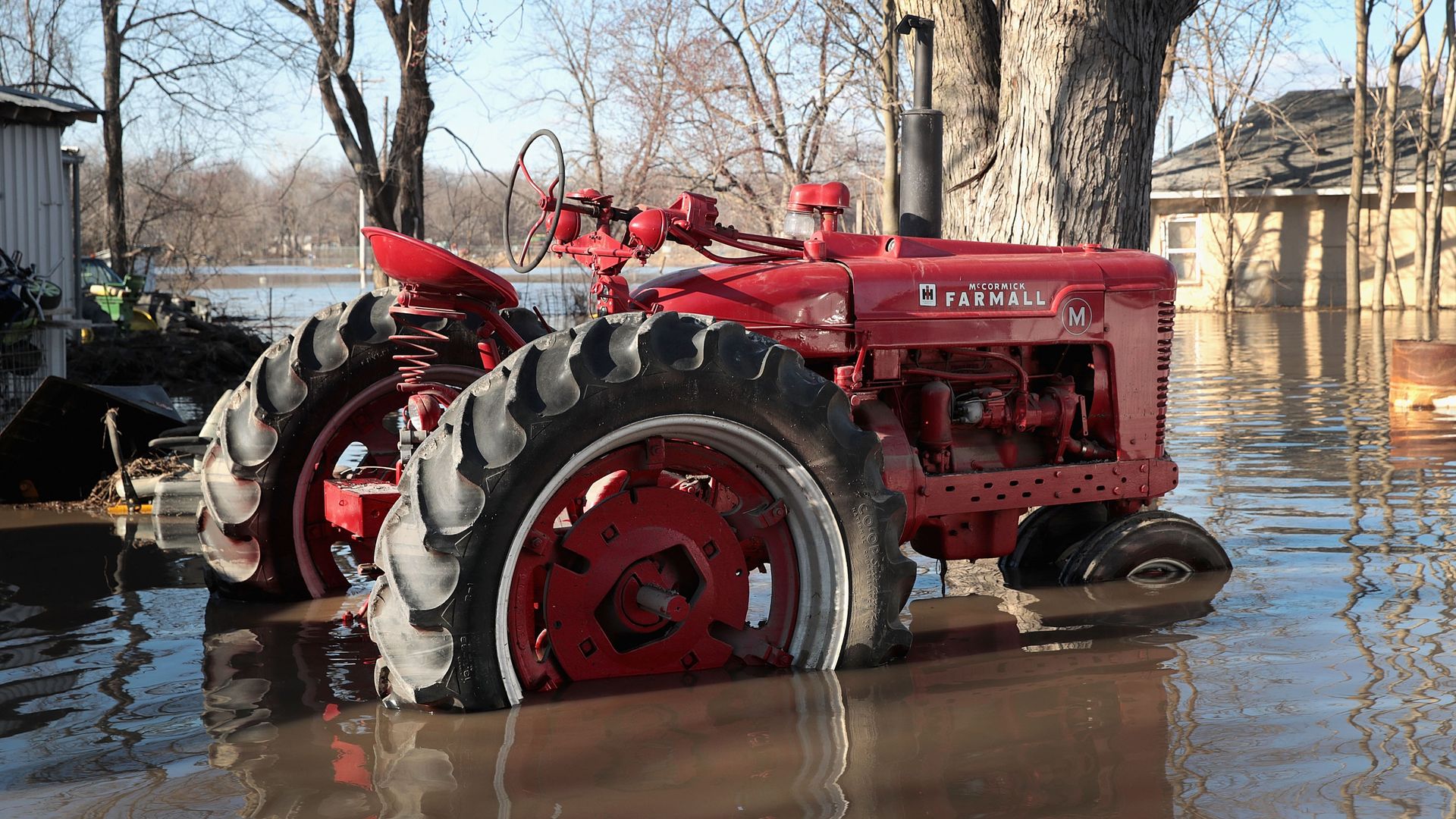
Workers are permanently moving from flood-ravaged towns and cities in the U.S. Midwest, an exodus that could hurt already-struggling manufacturing and agriculture companies, according to a new report.
What's happening: Flooding last month from heavy rains caused more than $3 billion in damage in Iowa, Kansas, South Dakota, Wisconsin and elsewhere, AP reports. Among companies sustaining damage were Big Ag's Archer Daniels Midland, Cargill and Tyson.