A fragment of a planet orbiting a white dwarf star 400 light-years away gives scientists a rare glimpse into the death of a solar system, according to a new study published in the journal Science Thursday.
The big picture: The planetary fragment, known as a planetesimal, orbits within a disc of gas and dust — the remnants of other, destroyed planets — surrounding the white dwarf. According to some stellar forensics, the world is thought to represent the remains of a once larger planet that was battered by the death of its star.
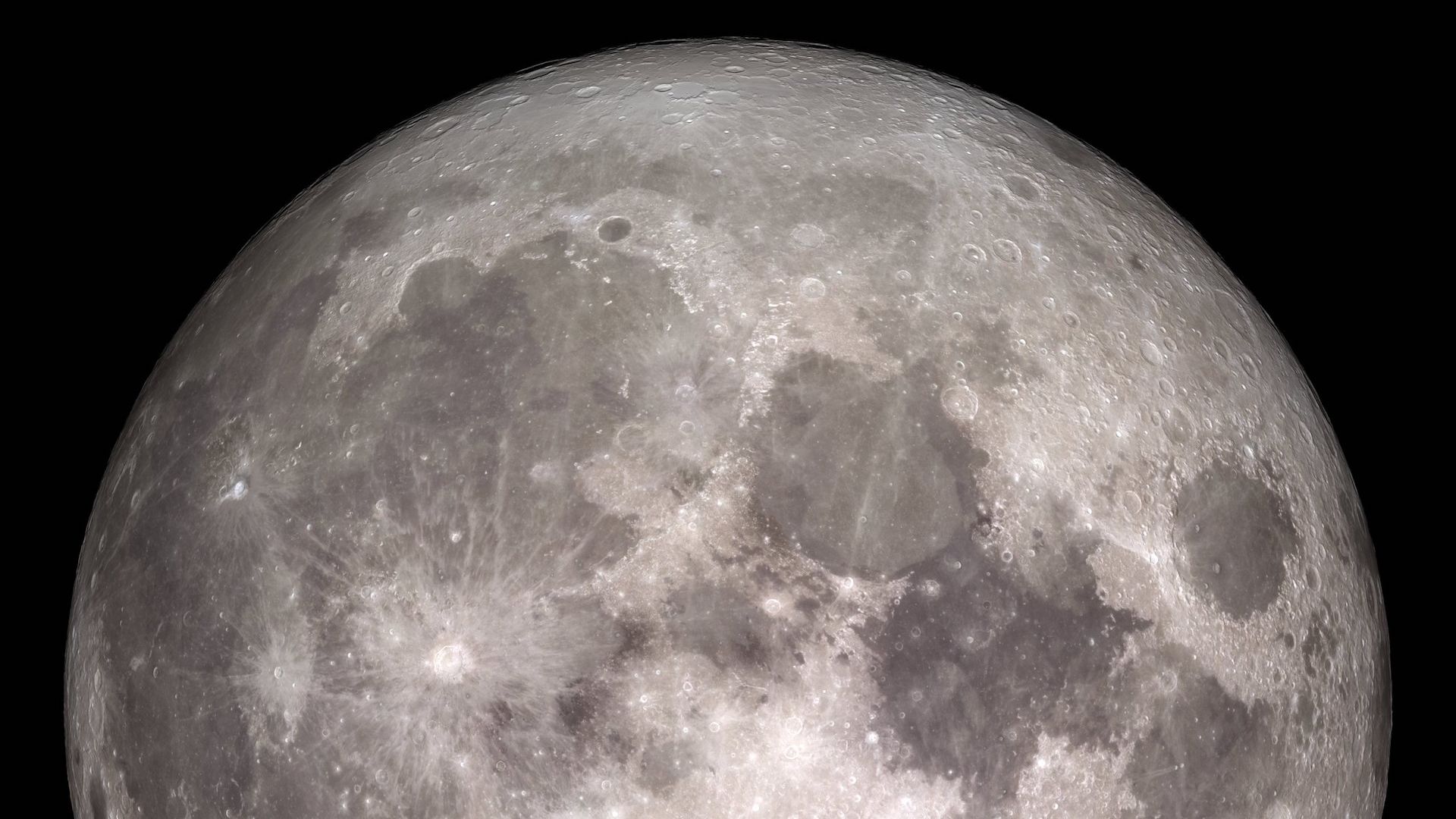
Israel's Beresheet lander is now in orbit around the moon, setting the stage for the spacecraft's historic landing on the lunar surface expected on April 11.
Why it matters: If the landing is successful, Beresheet — which means "genesis" in Hebrew — will become the first privately-funded mission to make it to the moon's surface. Historically, nations like the U.S., China, and Russia have been the only entities capable of landing a probe on the moon, but if SpaceIL succeeds, it will show that space is becoming more accessible for all.
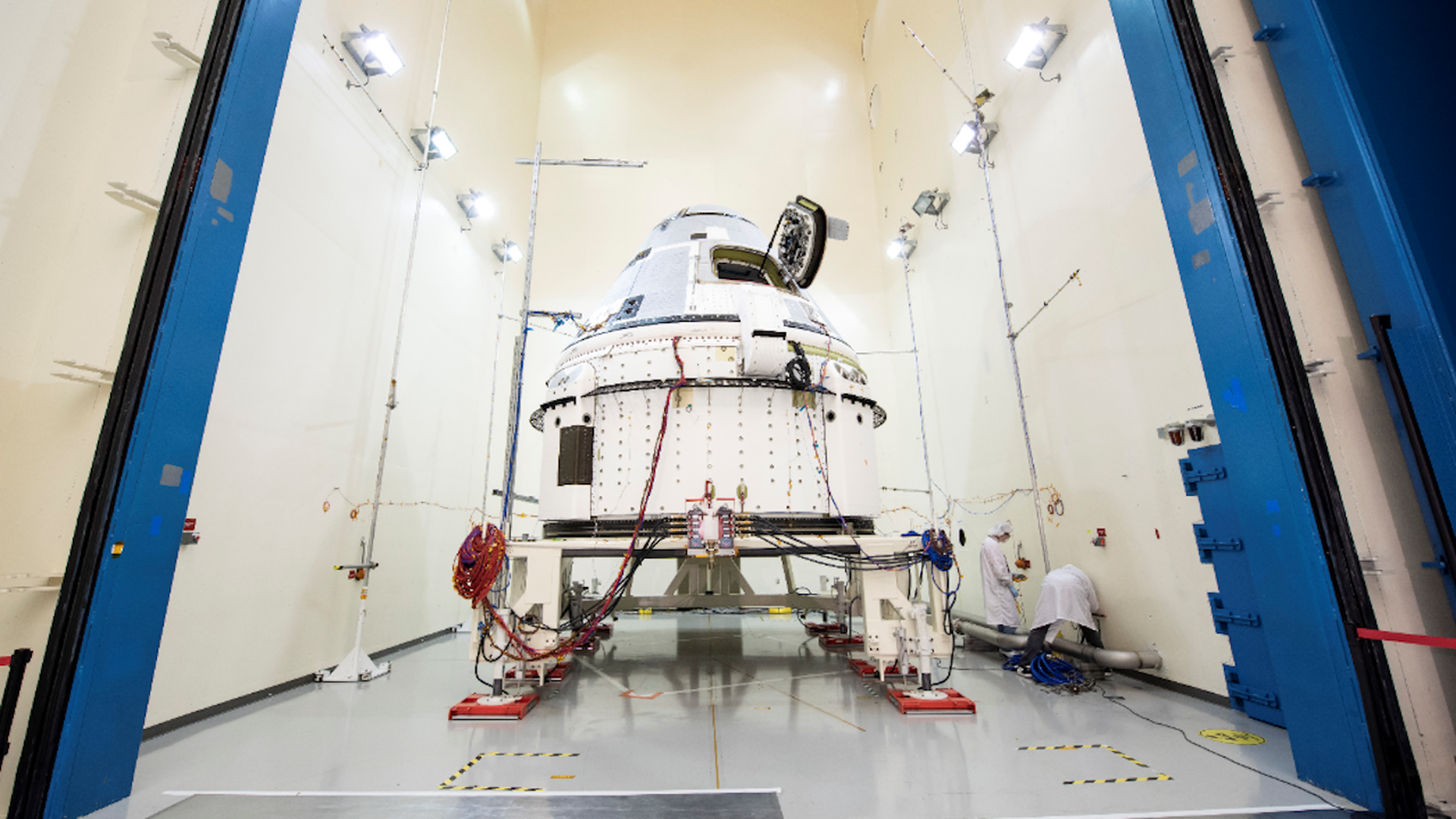
Boeing's first uncrewed test flight of its CST-100 Starliner spacecraft to the International Space Station is delayed until at least August, according to a NASA statement released on Wednesday.
Why it matters: Boeing initially targeted this spring for its first uncrewed flight of the Starliner. This most recent delay could push back the space system's first crewed launch, which, at the moment, is still expected to happen before the end of the year. A slip in the schedule like this could mean that NASA will need to continue relying on Russian rockets to launch astronauts to the ISS longer than expected.