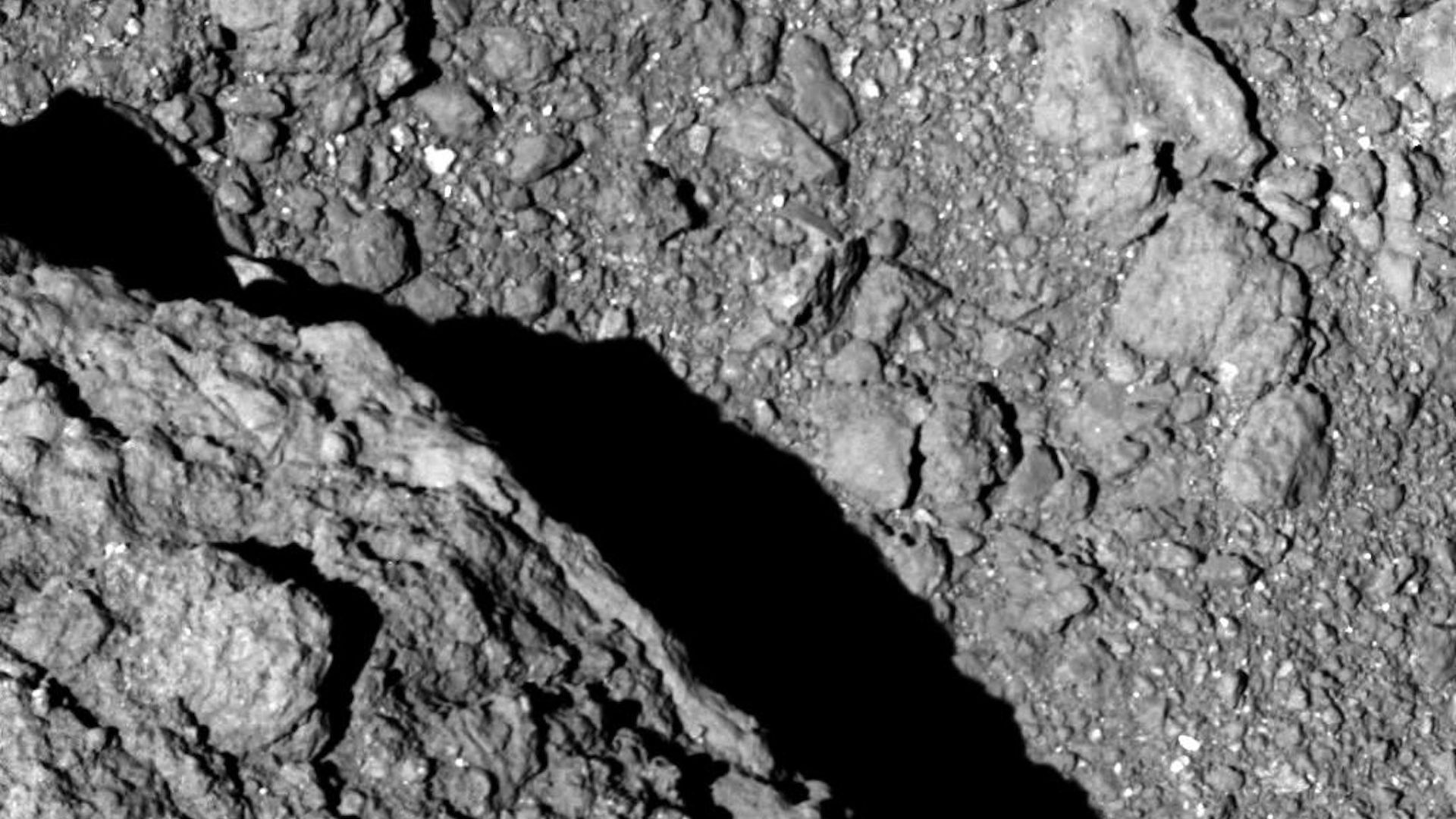
Japan's Hayabusa2 spacecraft successfully sent a bomb down to the surface of Asteroid Ryugu on Thursday, paving the way for scientific studies of the space rock's interior.
Why it matters: If the bomb did explode as expected, creating an artificial crater on the asteroid, scientists will be able to get a sense of what the rock is comprised of beyond just its irradiated surface. If the area is deemed safe, Hayabusa2 will move in to possibly land at or near the site of the artificial crater to collect a sample of the blasted material for eventual return to Earth next year.
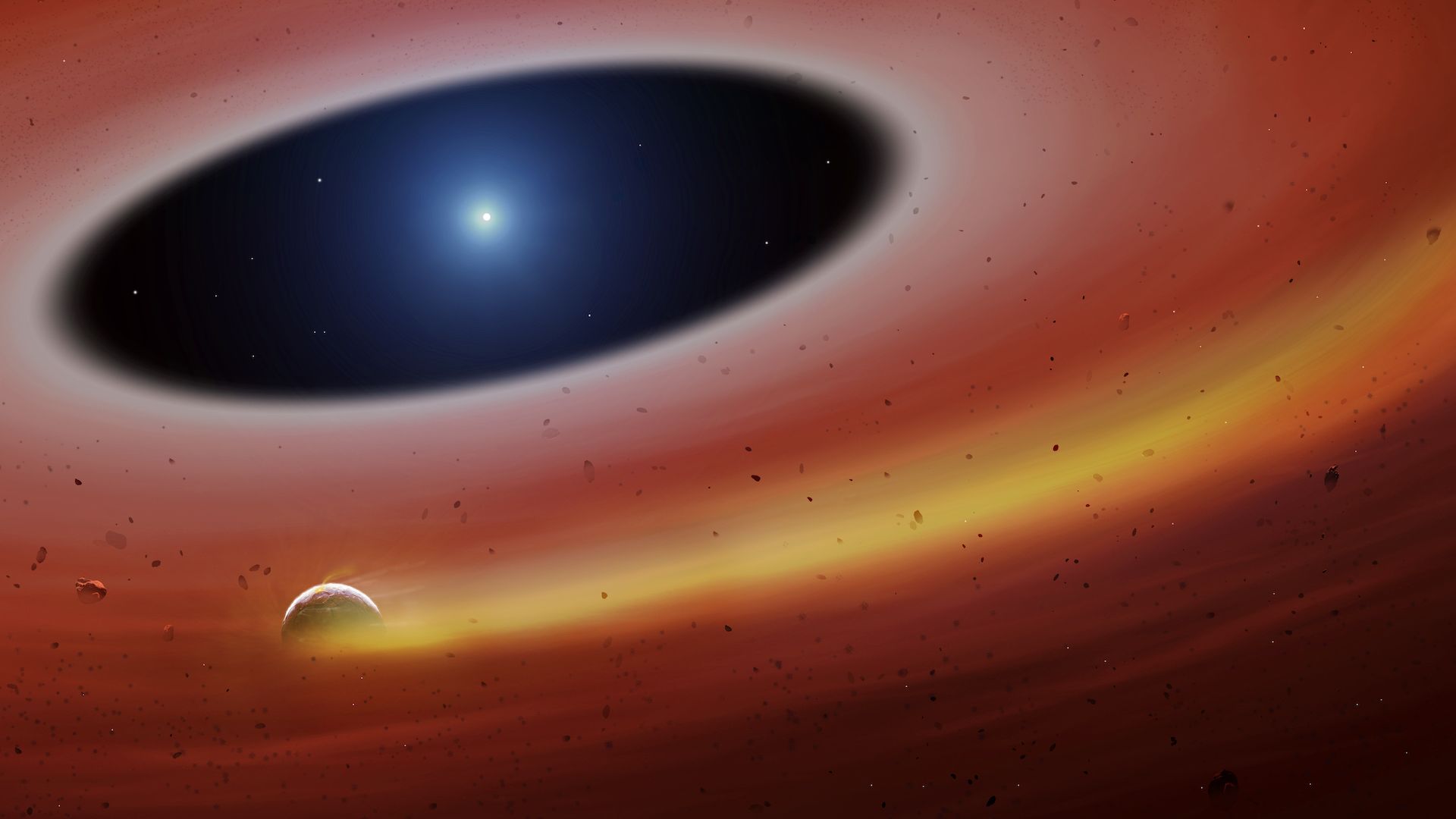
A fragment of a planet orbiting a white dwarf star 400 light-years away gives scientists a rare glimpse into the death of a solar system, according to a new study published in the journal Science Thursday.
The big picture: The planetary fragment, known as a planetesimal, orbits within a disc of gas and dust — the remnants of other, destroyed planets — surrounding the white dwarf. According to some stellar forensics, the world is thought to represent the remains of a once larger planet that was battered by the death of its star.
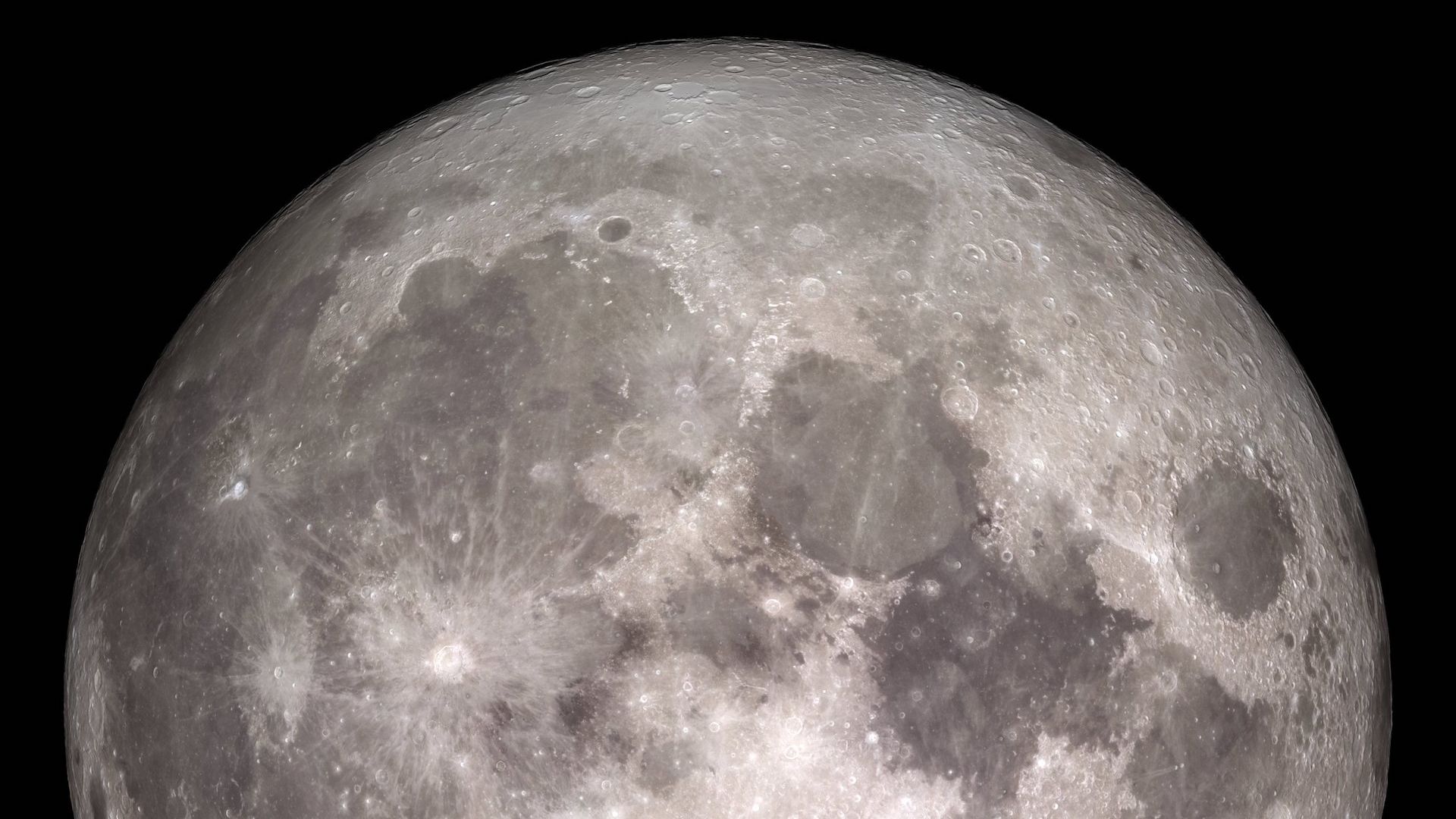
Israel's Beresheet lander is now in orbit around the moon, setting the stage for the spacecraft's historic landing on the lunar surface expected on April 11.
Why it matters: If the landing is successful, Beresheet — which means "genesis" in Hebrew — will become the first privately-funded mission to make it to the moon's surface. Historically, nations like the U.S., China, and Russia have been the only entities capable of landing a probe on the moon, but if SpaceIL succeeds, it will show that space is becoming more accessible for all.