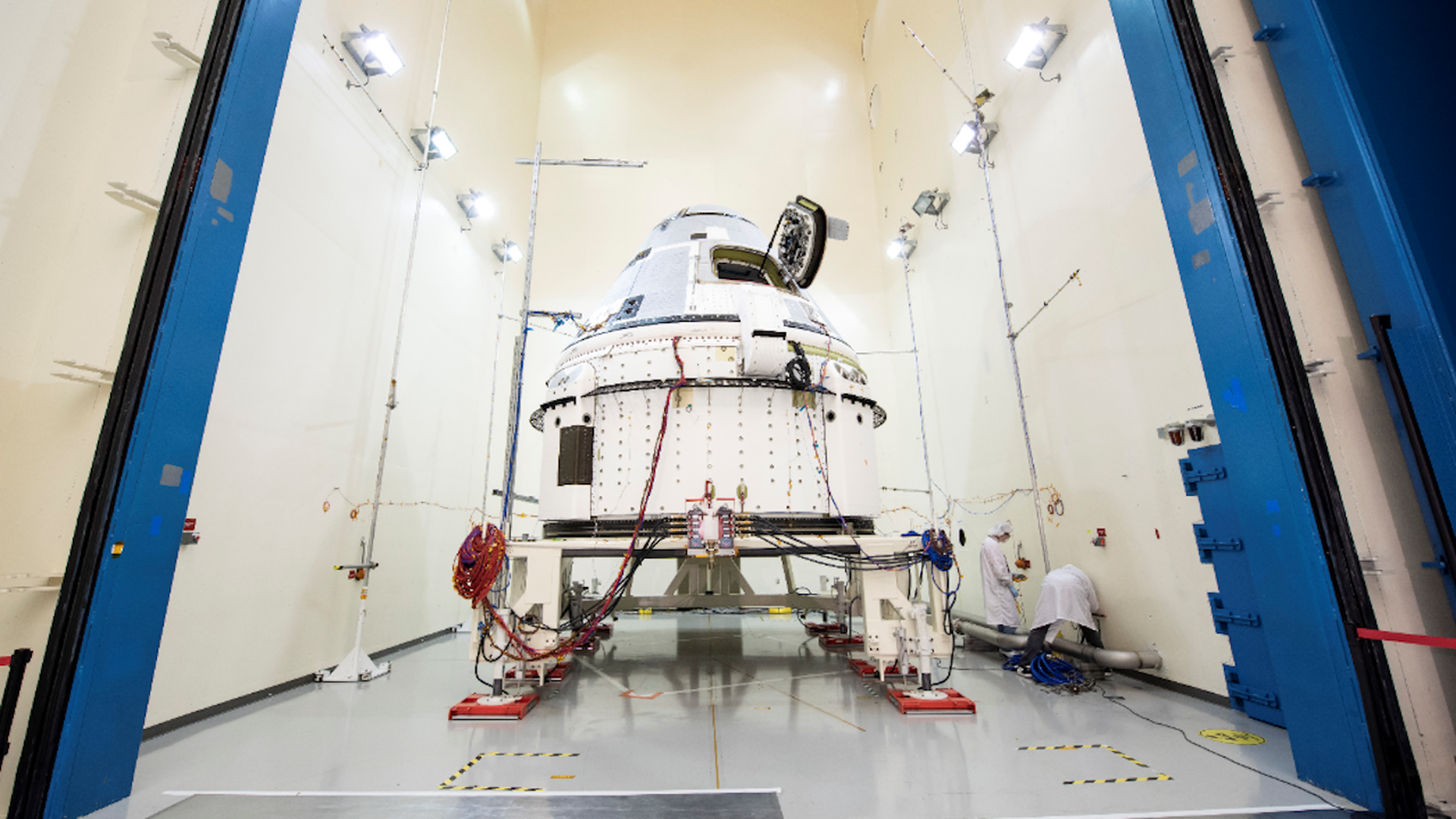
Boeing's first uncrewed test flight of its CST-100 Starliner spacecraft to the International Space Station is delayed until at least August, according to a NASA statement released on Wednesday.
Why it matters: Boeing initially targeted this spring for its first uncrewed flight of the Starliner. This most recent delay could push back the space system's first crewed launch, which, at the moment, is still expected to happen before the end of the year. A slip in the schedule like this could mean that NASA will need to continue relying on Russian rockets to launch astronauts to the ISS longer than expected.
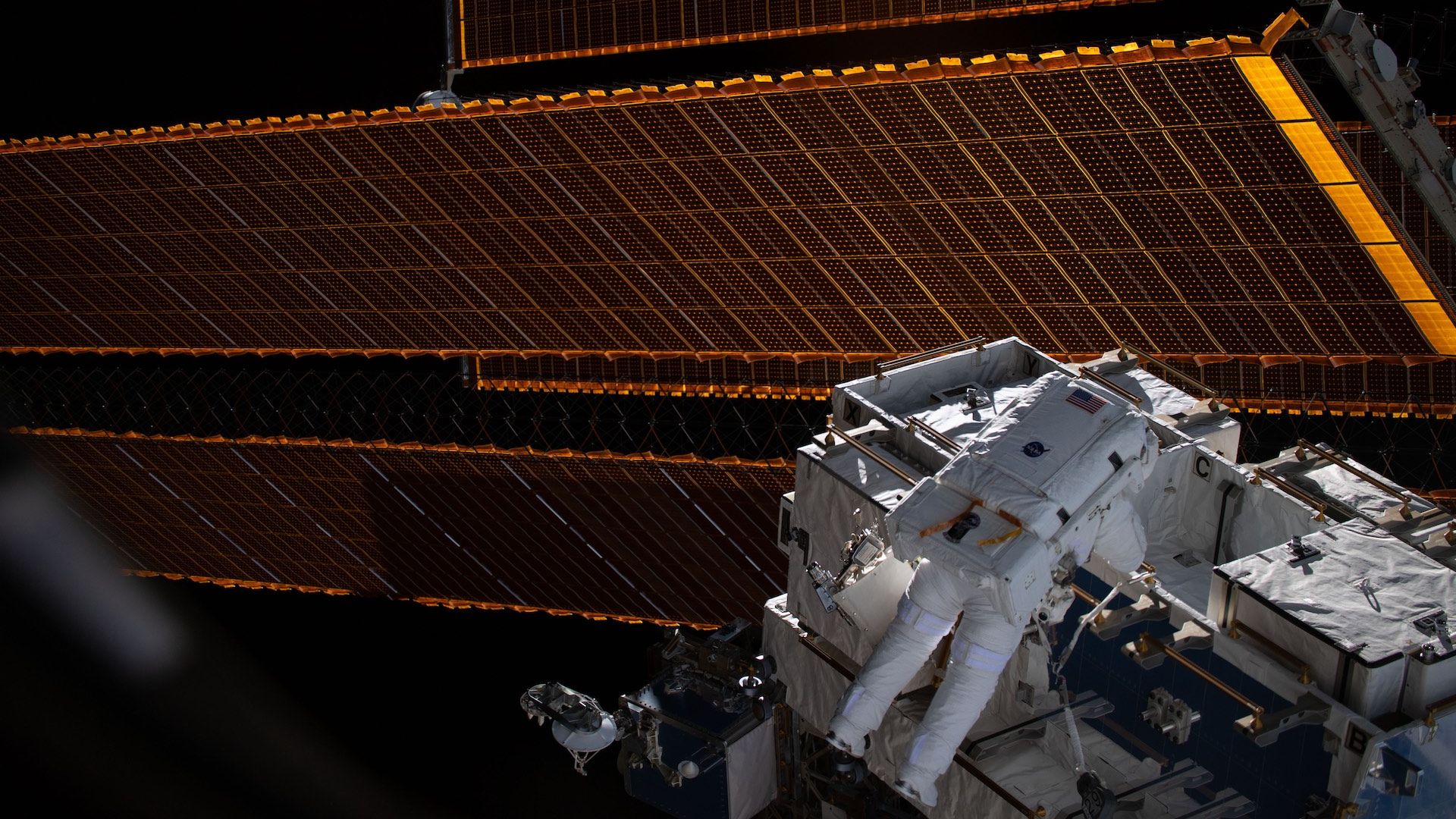
Last month's test of an Indian anti-satellite missile system (ASAT) put the International Space Station at increased risk of an orbital debris strike, NASA administrator Jim Bridenstine warned on Tuesday during congressional testimony.
The big picture: India's ASAT test on March 27 created hundreds of pieces of debris when the ground-launched missile blew the Microsat-R satellite apart. India hailed the test as a technological and defense achievement, but Bridenstine says that it made human spaceflight less safe by creating dangerous space junk. Bridenstine told members of the House Science, Space and Technology Committee that he dispatched a letter to India's space agency to inform them that their test wasn't "compatible" with human activities in space.
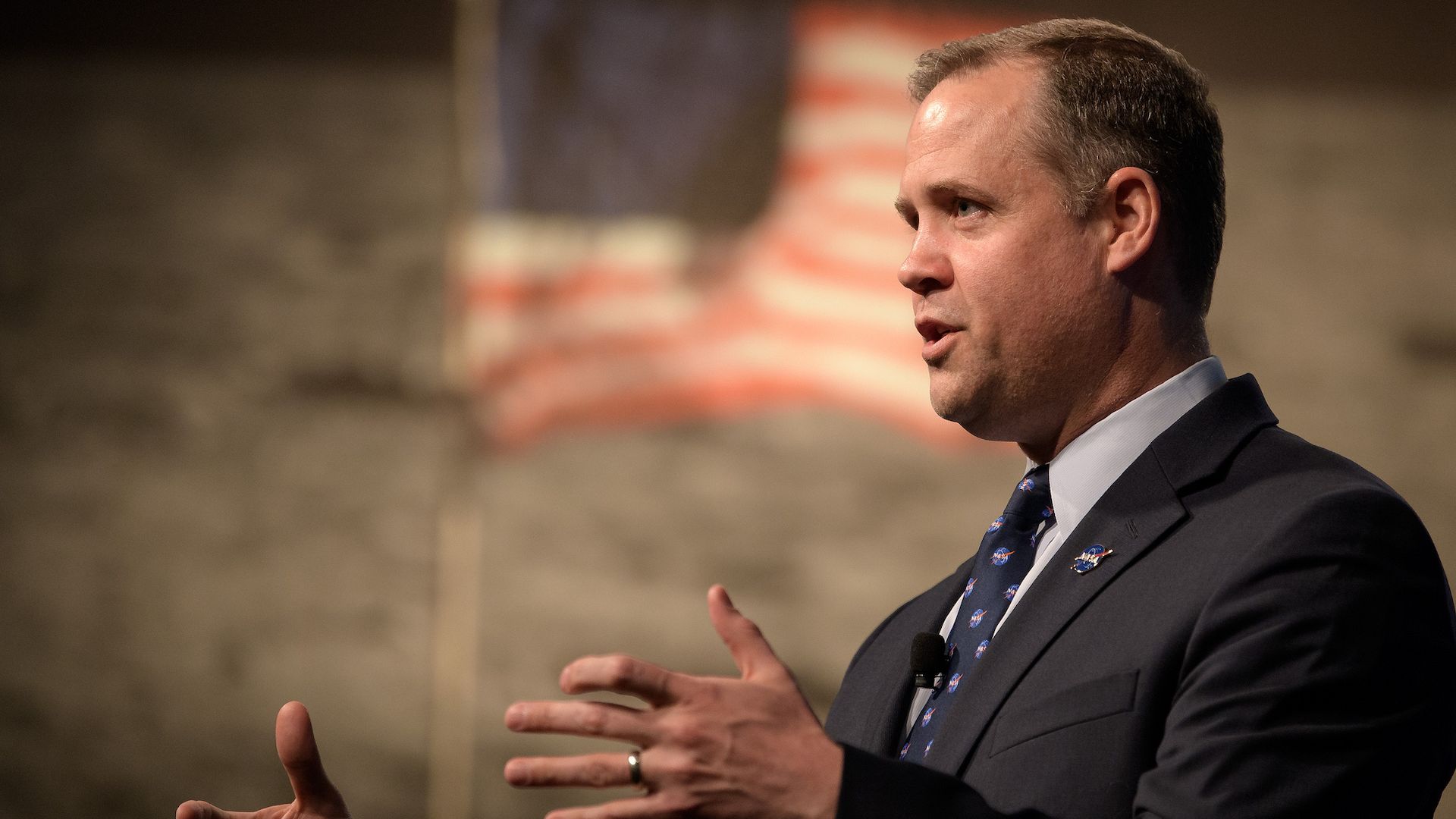
NASA administrator Jim Bridenstine plans to request more money from Congress in order to meet the Trump administration's new deadline of landing astronauts on the moon by 2024, he told the House Science, Space and Technology Committee on Tuesday.
Why it matters: NASA will need more funding if it plans to achieve President Trump's new goal of sending astronauts to the moon in the next five years — four years earlier than planned. NASA also intends to use this moon mission as a stepping stone to send people to Mars, but first the agency needs to complete its most powerful rocket yet as well as a crew capsule known as Orion.