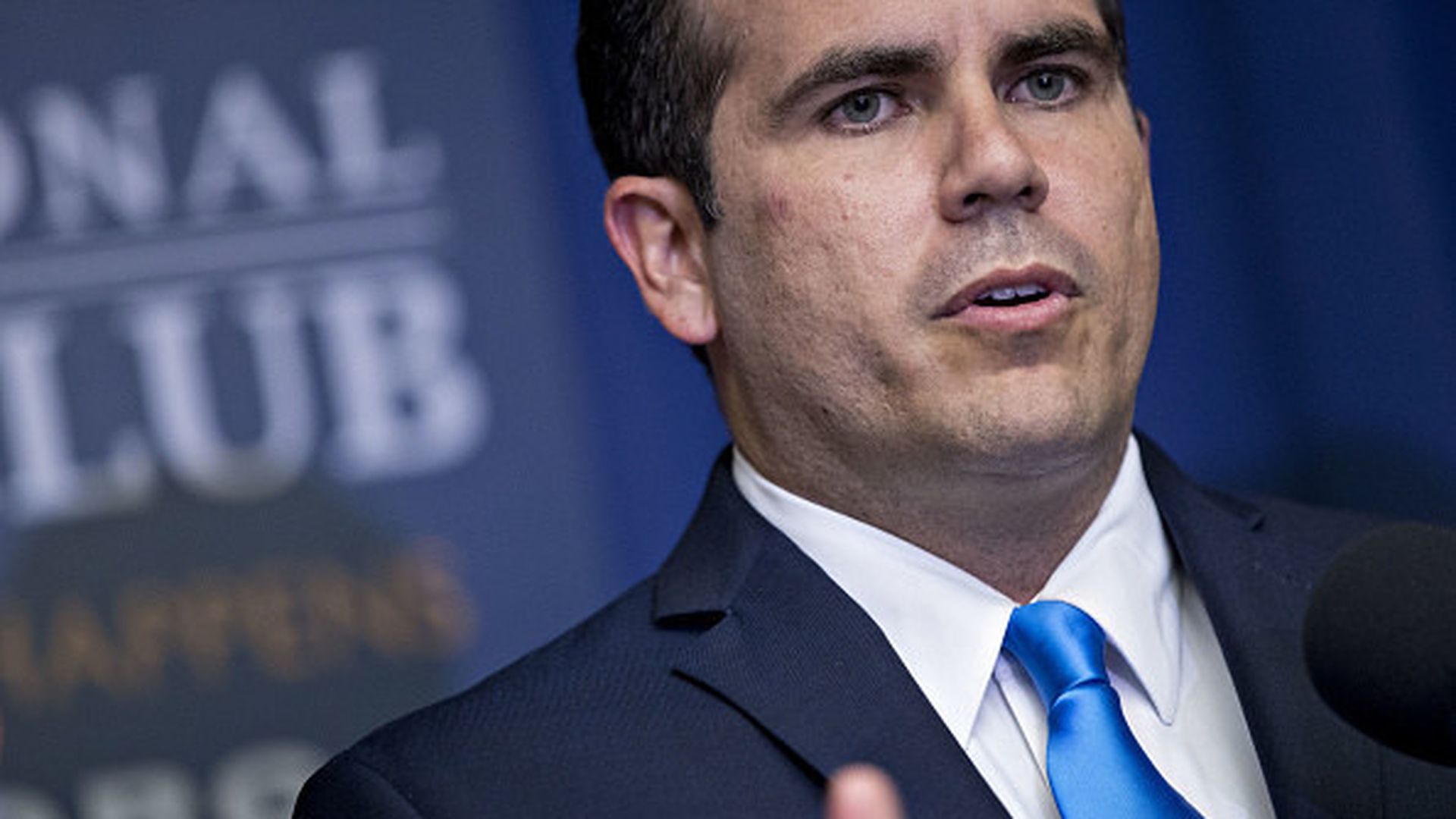
Puerto Rico Governor Ricardo Rosselló has created a task force to examine the death toll from Hurricane María and release its findings within 90 days, per Reuters.
Why it matters: His decision comes less than a month after Puerto Rico's Center for Investigative Journalism and The New York Times reported that the death toll is more than 1,000. The official death count was said to be 64. Following the reports, The governor ordered a recount of every death on the island since Hurricane Maria made landfall on September 20, knocking out power to 3.4 million Puerto Ricans.
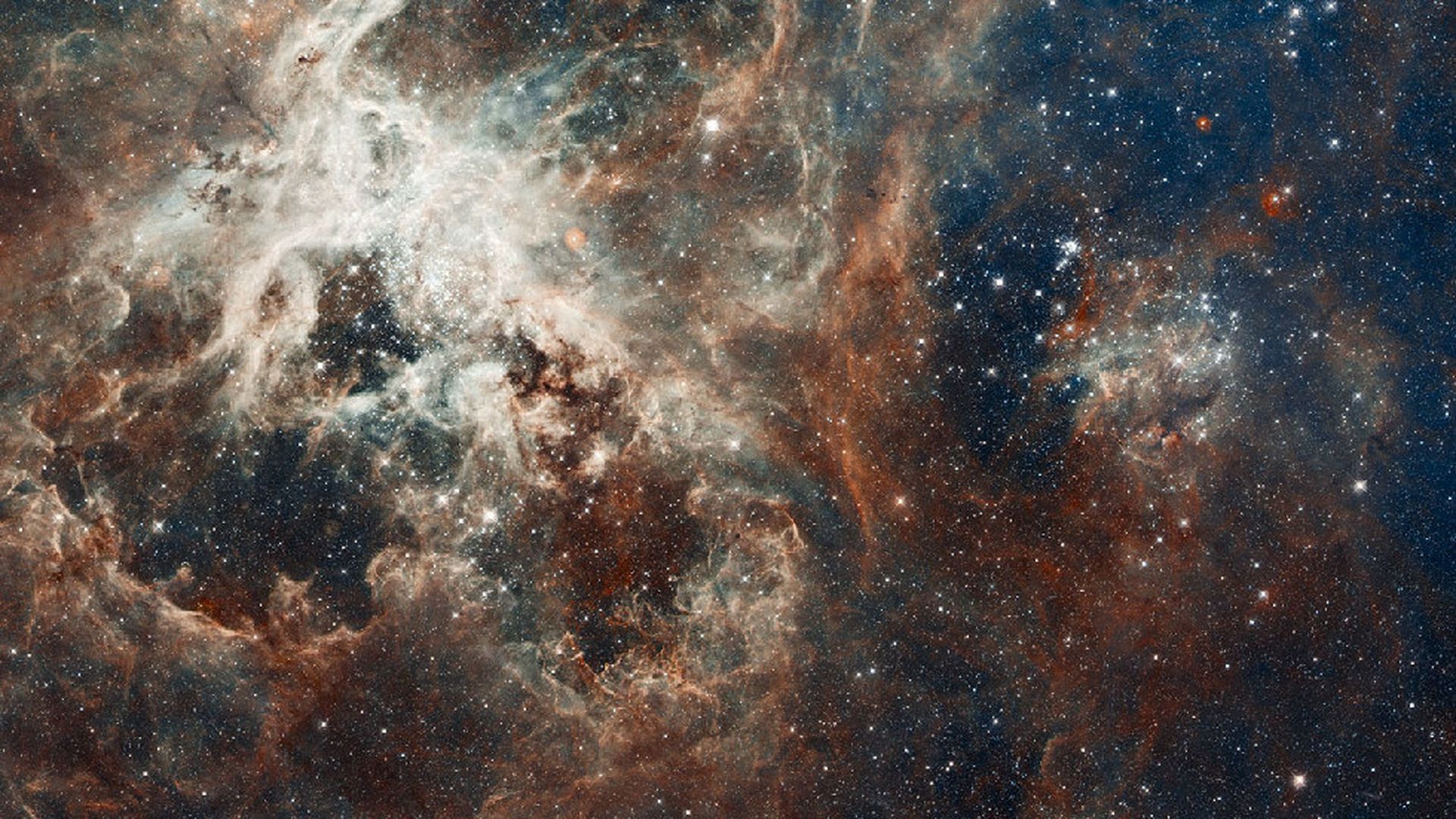
"These stars and black holes are responsible for converting the universe into the state we see today," says lead author Fabian Schneider from the University of Oxford. "It is important to know how many progenitor stars may have been out in the universe."
If you're in the mood for adventures in space, then 2018 should leave you satisfied — for now, at least. With a half dozen major planetary exploration missions launching or approaching their targets this year, the solar system is going to be a busy place:
India's lunar lander and rover, Chandrayaan-2, will launch in March.
NASA leads a return to the Red Planet in May with the departure of its Insight lander.
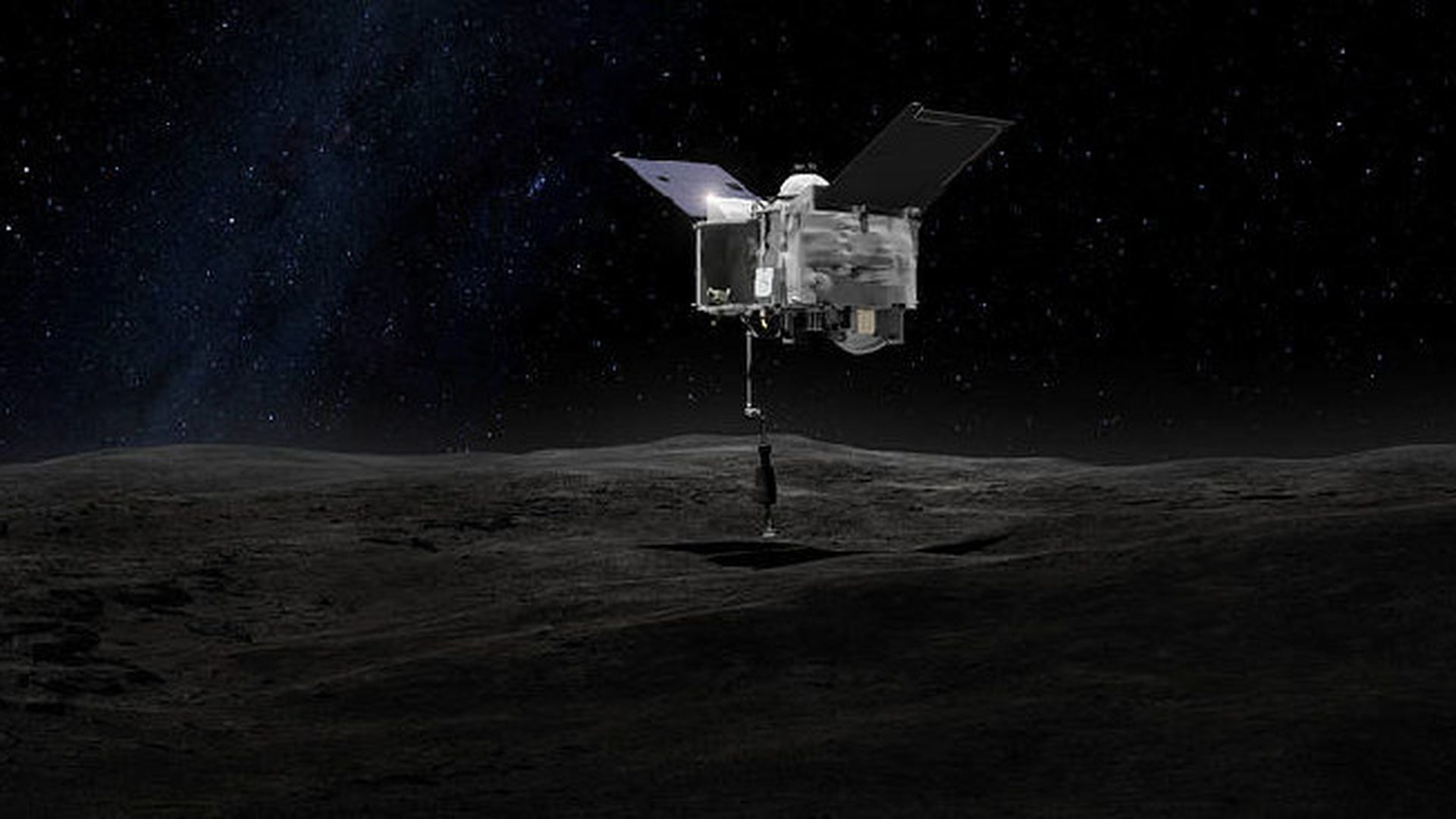
Japan's Hayabusa 2 and NASA's OSIRIS-REx missions will arrive at their respective asteroid targets this summer.
The European Space Agency's BepiColombo orbiter will depart for Mercury in October.
What's next: These missions will return a bounty of information on the history of Mars, the curious properties of Mercury's interior, and even the origins of the solar system itself. Of course, every question answered could prompt at least a dozen more.
Paul Sutter is a cosmological researcher at Ohio State University's Center for Cosmology and Astro-Particle Physics.
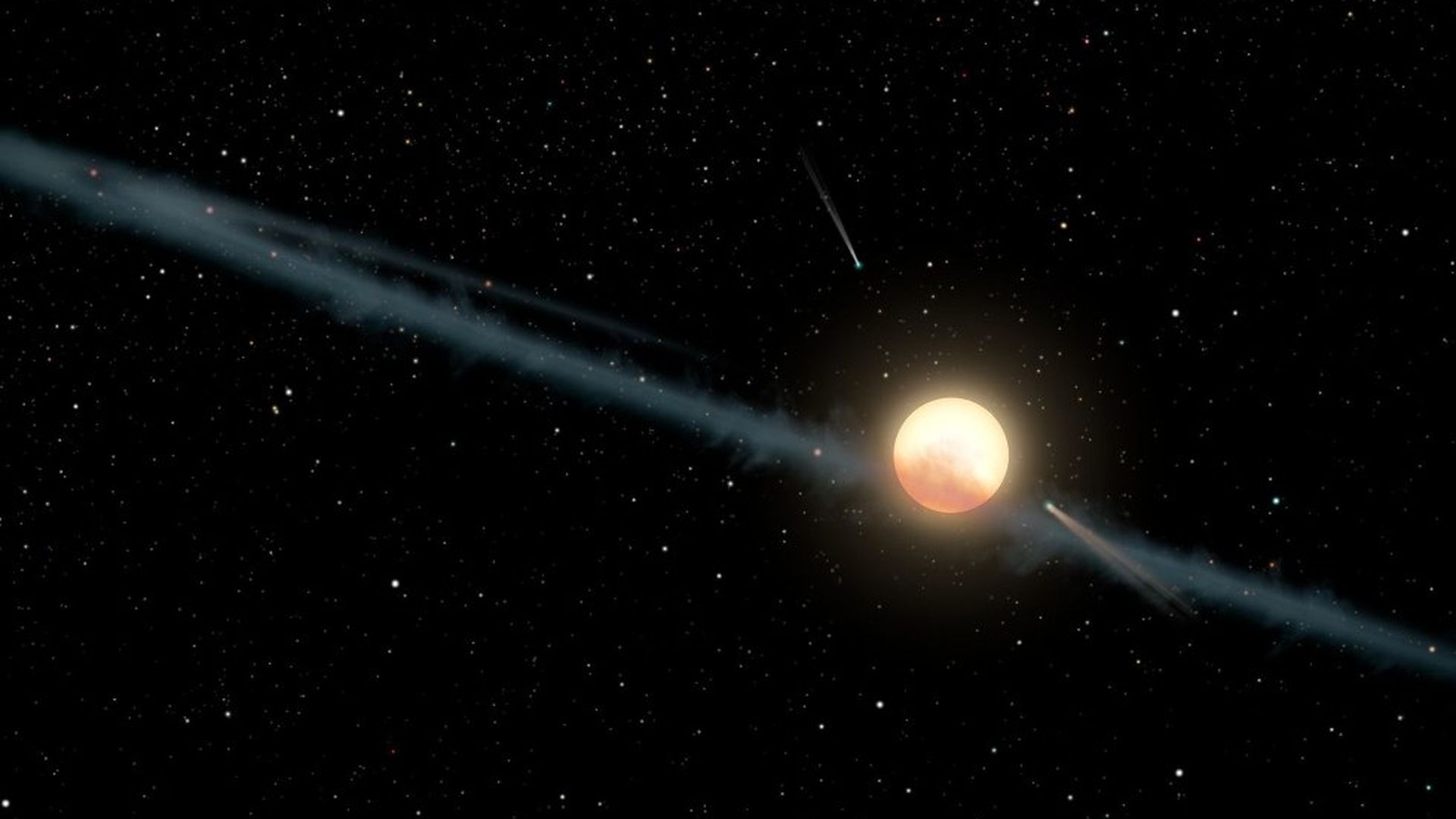
Several theories surround what is known as the "most mysterious star in the universe" — one in the Milky Way that is slightly bigger than our Sun and whose sporadic dimming and brightening puzzles scientists.
New data, published Wednesday in The Astrophysical Journal Letters, suggests the flickering is likely caused by a cloud of small dust particles — and not an alien megastructure orbiting the star, as some researchers hypothesized.
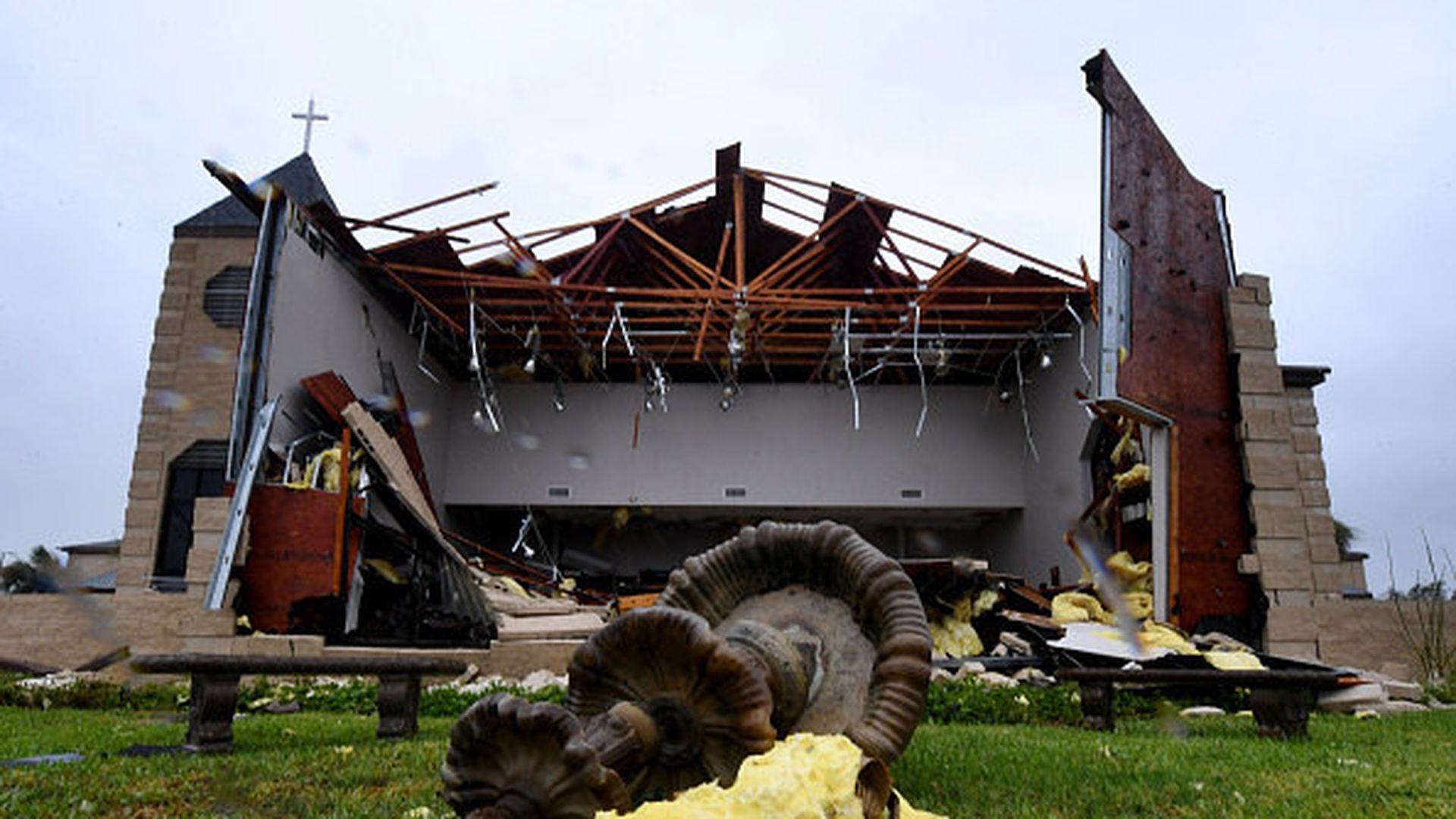
The Federal Emergency Management Agency said it has revised its rules to allow private nonprofit houses of worship to be eligible for disaster disaster relief funds to assist with damages from Hurricanes Harvey and Irma.
Why it matters: The move announced on Tuesday comes more than three months after President Trump waded into an ongoing legal challenge by suggesting that churches should be able to get federal disaster relief funds. The suit involves three Texas churches severely damaged by Hurricane Harvey last year that accused the federal agency of religious discrimination, per the AP.
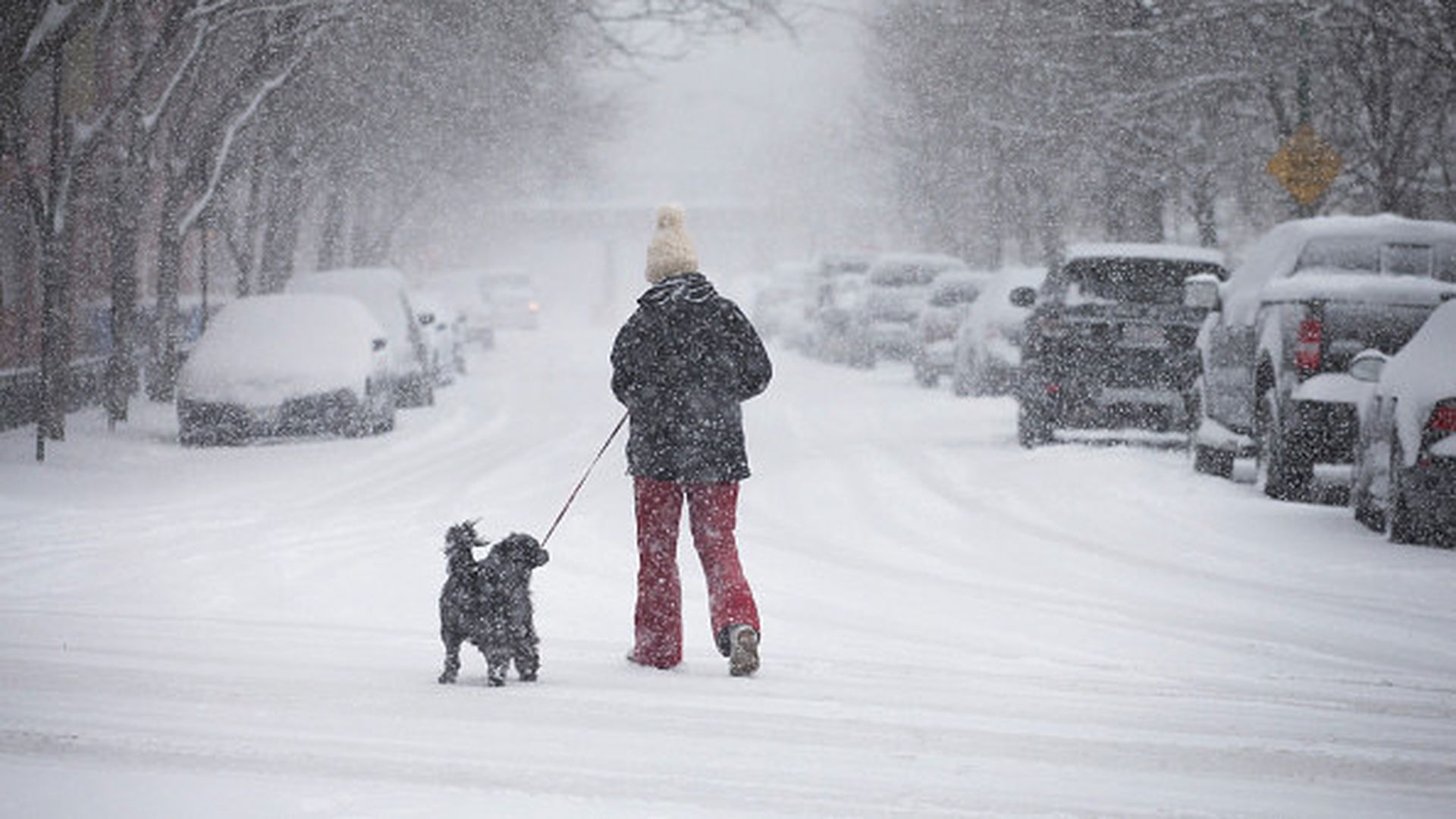
Massive Winter Storm Grayson, which the Washington Post's Capital Weather Gang describes as a "bomb cyclone" — when a weather system rapidly drops in pressure and quickly intensifies — is set to batter the East Coast, Georgia to Maine, beginning Wednesday.
The storm will act similar to a "winter hurricane," with an eye-like feature bringing freezing rain, sleet and ice to the coast. The Weather Channel says minor coastal flooding is possible, and power outages are expected.