Tuesday's science stories

Google Earth gets a makeover
Google Earth released new features Tuesday that will let users see the world like never before.
- "Knowledge Cards": Gives more information on certain locations, and includes the history and pictures of places people search for.
- "I'm feeling lucky": Suggests locations that are "a little bit off the beaten path" – like a spot that a local might recommend.
- "Points of Interest": Recommends places it thinks the user will like based on their search history.
- Guided Tours: Google Earth is partnering with organizations like BBC Planet Earth, NASA, Sesame Street, and the Jane Goodall Institute for interactive guided tours.
- "Postcard": Users can send a snapshot of the location they are viewing to friends and family.
What's next: The remodeled Google Earth rolls out this week on Chrome and Android, and it will become available on iOS and other browsers soon.

NASA plans 360-degree live stream of Tuesday's rocket launch
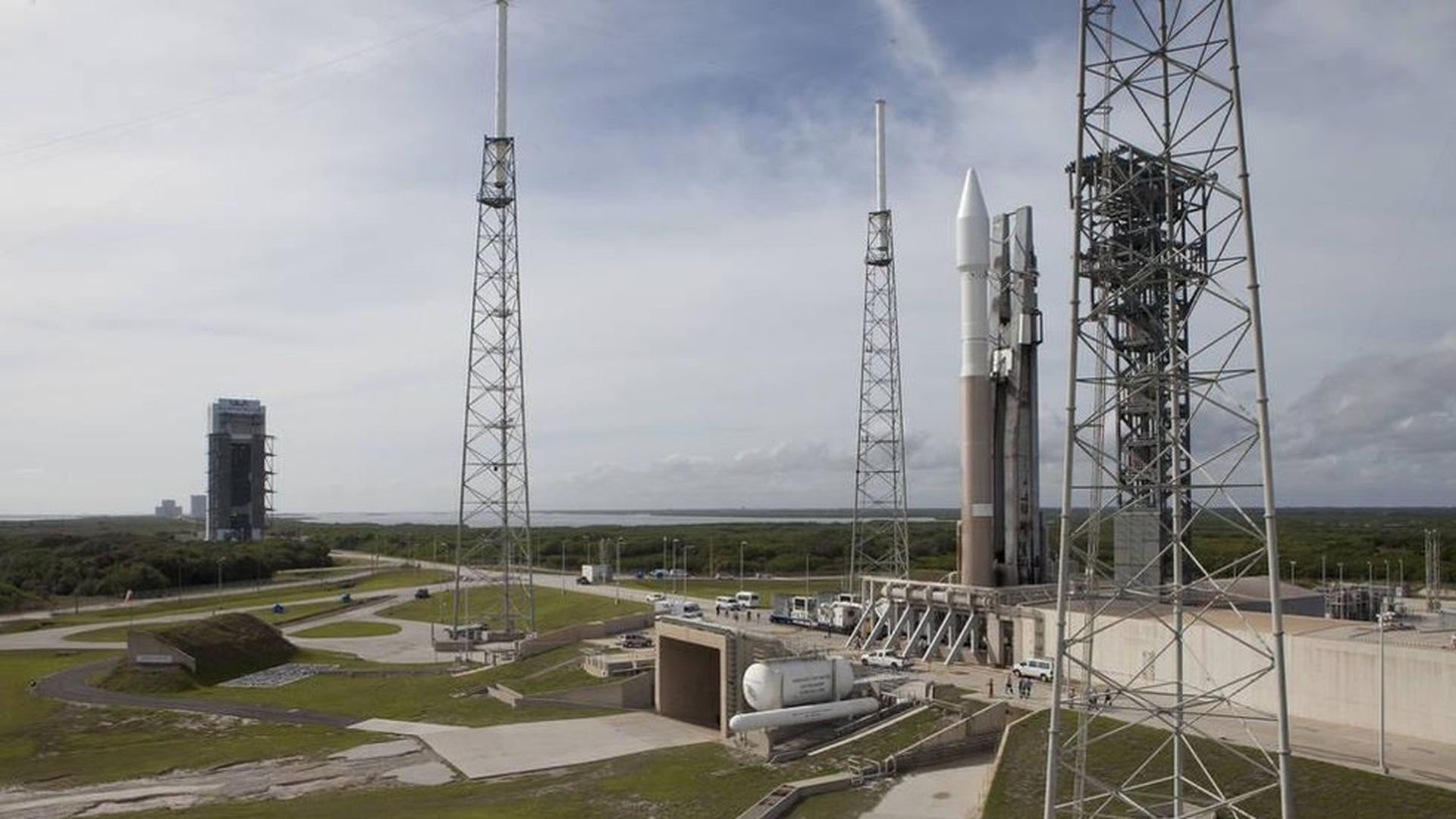
If you've ever wanted to get close to a rocket launch, NASA is offering a new way to do so.
For the first time, the space agency is broadcasting a launch live in 360-degree video. The 360-degree live stream is scheduled to start 10 minutes before liftoff on NASA's YouTube channel. The launch of an International Space Station resupply ship is targeted for some time in a 30-minute window that starts around 11:11 a.m. ET. At the moment, the weather forecast looks good, with a 90 percent chance of favorable launch conditions.
While you can view the launch from a computer or standard mobile device, a virtual reality headset offers the best opportunity to feel like you are right there at Cape Canaveral.
Why it matters: Virtual Reality headsets hold the promise of allowing people to put themselves in places they would never normally be. Being able to be on a rocket launch pad is a perfect example of that.