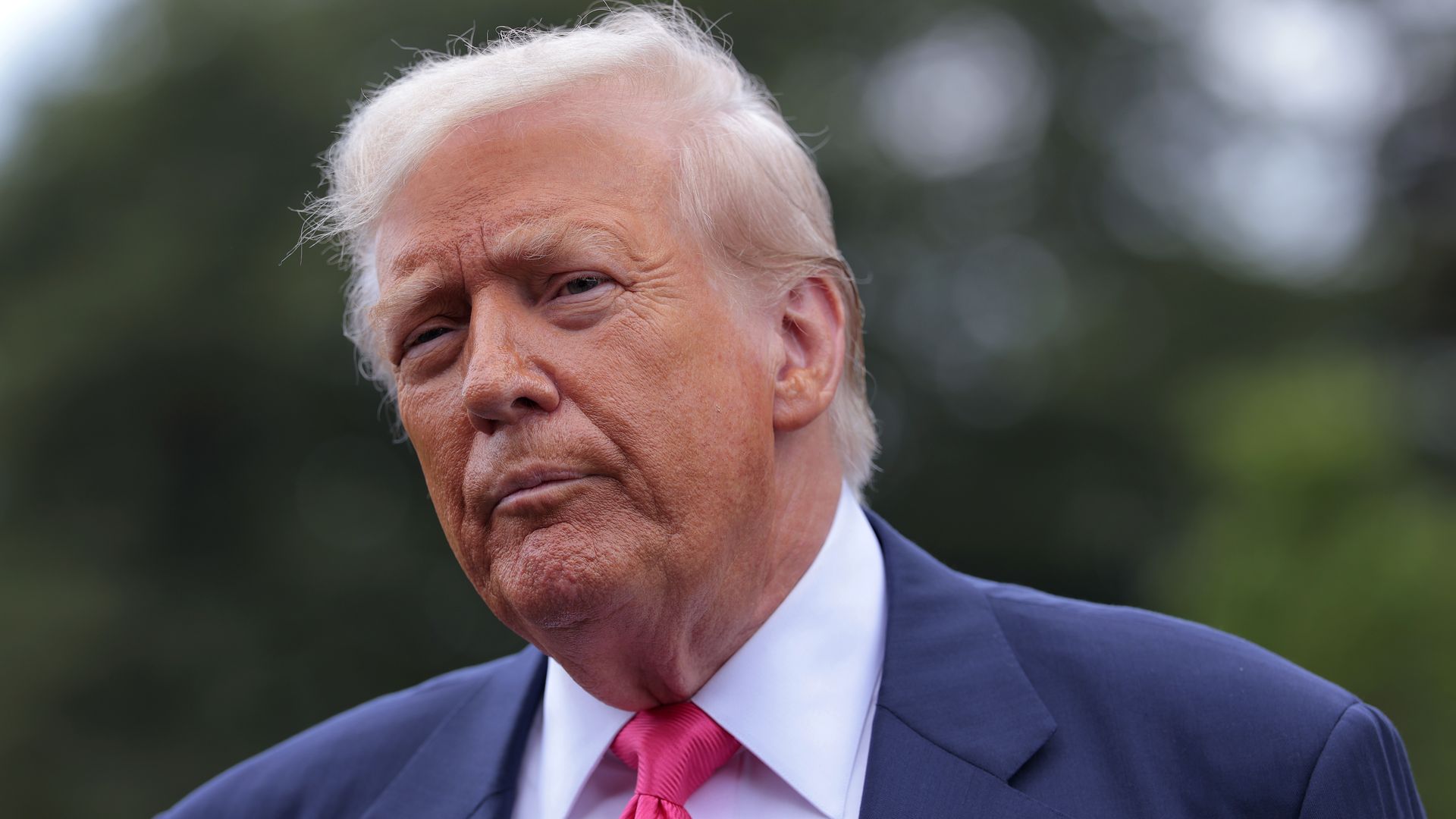
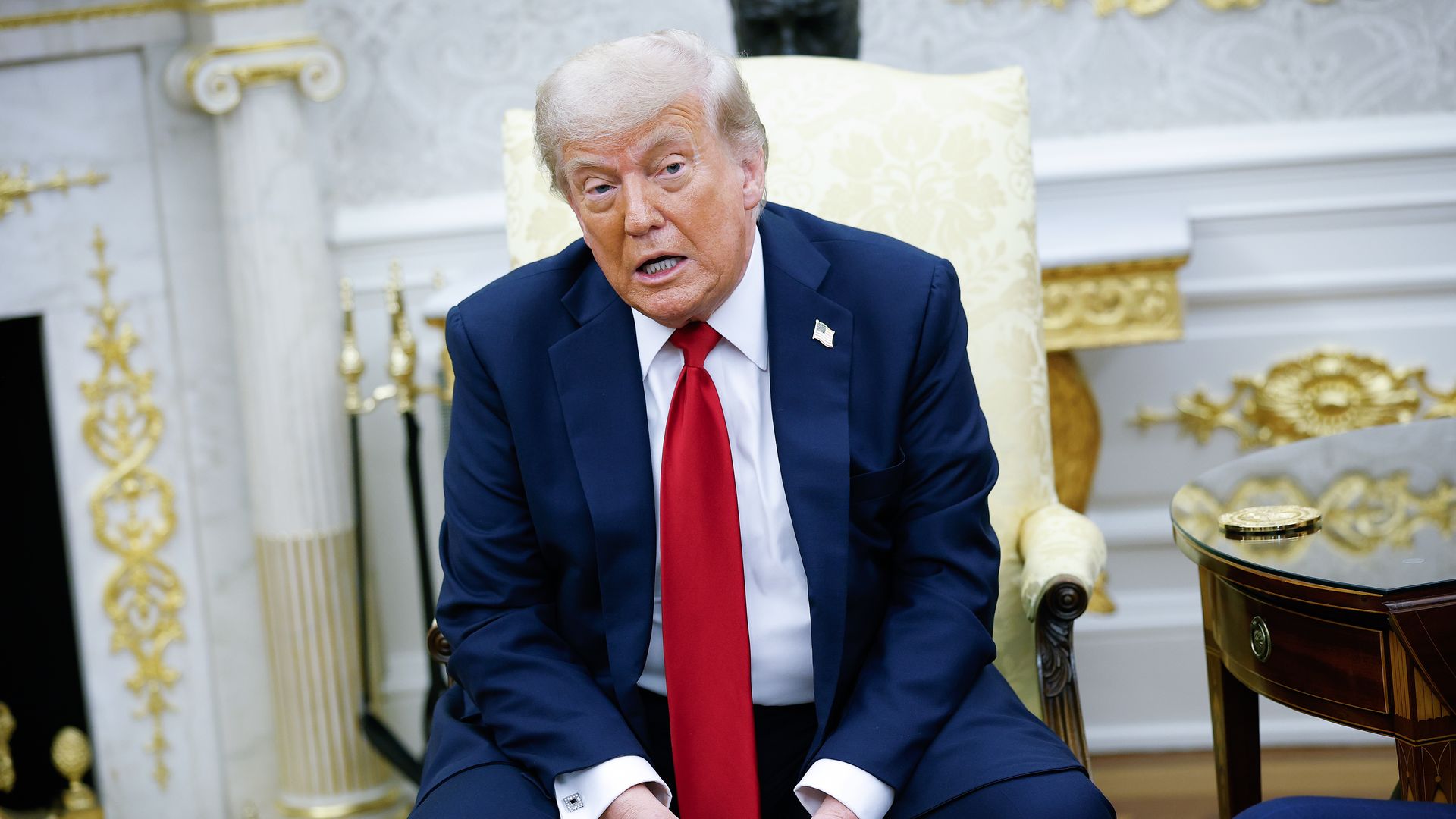
President Trump touted the U.S. as the "hottest" and "most respected country in the world" on Sunday as he reached the six-month mark of his second White House term.
In his second term, President Trump is making a habit of taking action on topics plucked from America's popular imagination that had previously been non-existent in Washington's policy playbook.
Why it matters: Trump's voracious appetite for generating attention and marketing his policies has bred ideas that inject the power of the presidency into deep recesses of American life and culture.
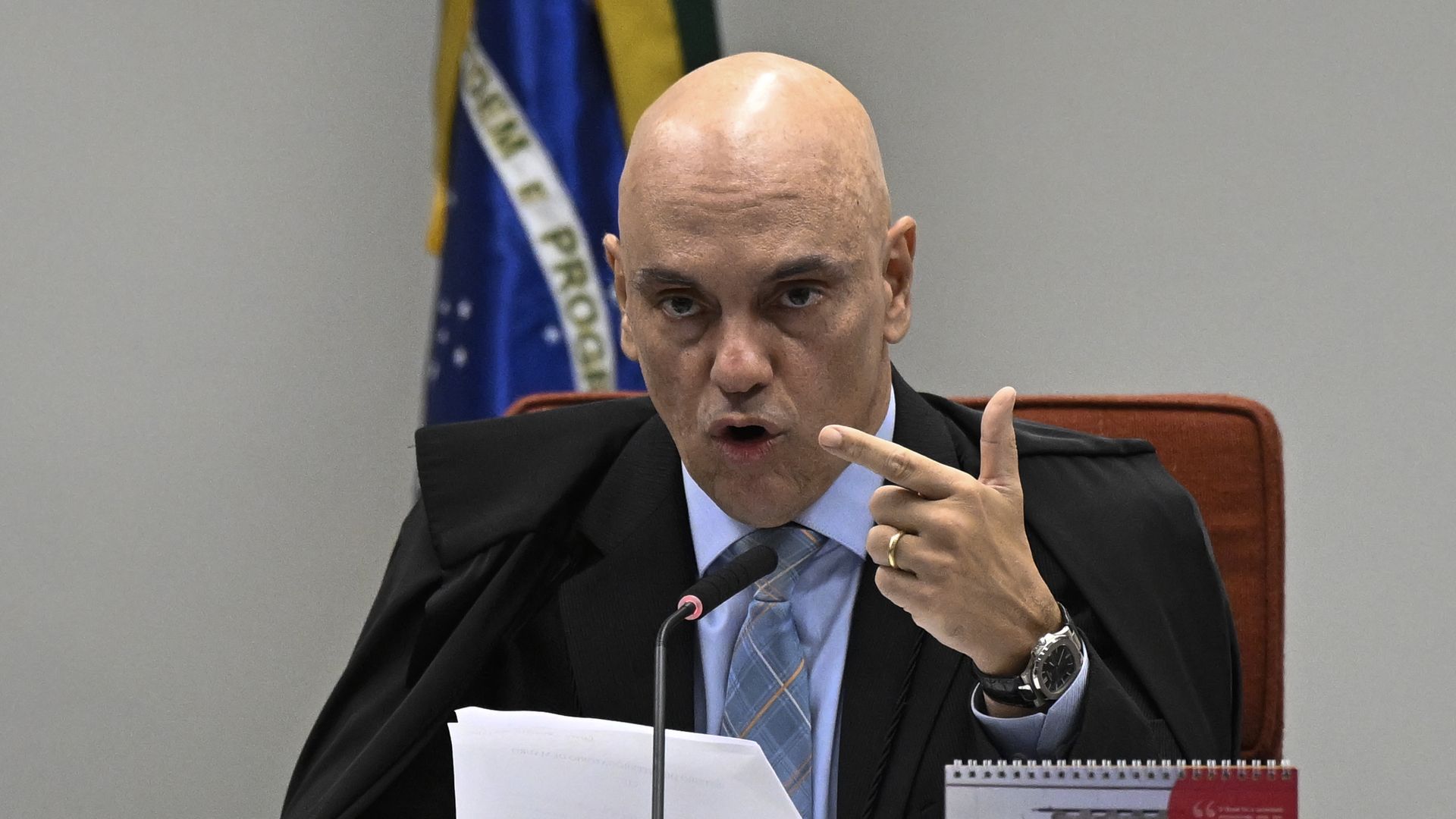
Secretary of State Marco Rubio announced late Friday the U.S. is revoking the visa of a Brazilian Supreme Court judge who oversaw the prosecution of former President Jair Bolsonaro and briefly banned Elon Musk's X in the country.
Why it matters: President Trump has repeatedly come to the aid of right wing allies across the globe, including Bolsonaro, calling them victims of ideological witch hunts. Trump threatened to hit Brazil with 50 percent tariffs in part for prosecuting Bolsonaro for an alleged coup attempt.
Why it matters: The rejection comes after nearly 400 Jewish groups urged the National Education Association (NEA) committee to reject a plan to no longer to use ADL material on antisemitism or Holocaust education.
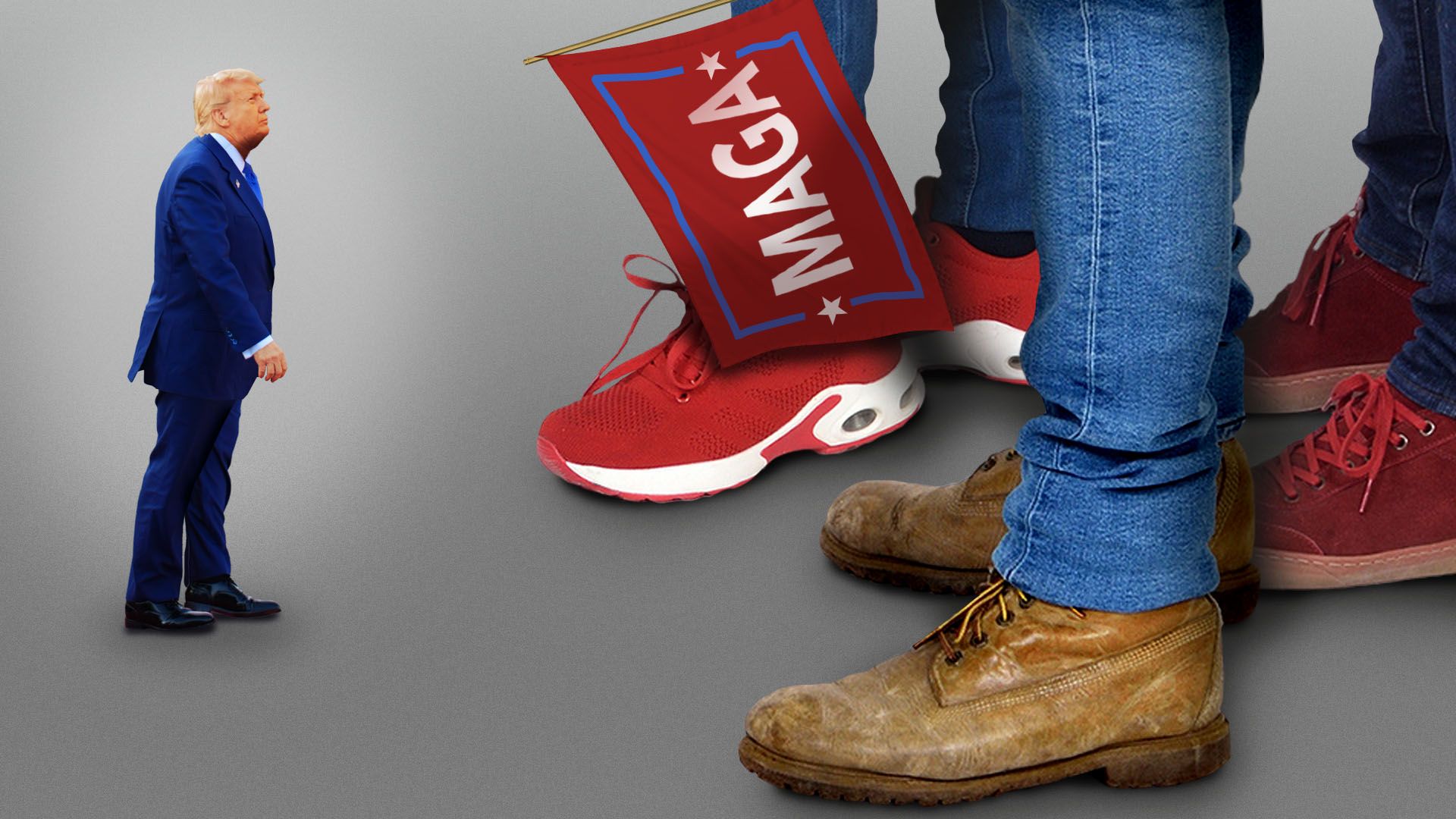
An aggressive pressure campaign forced President Trump to flinch on the Jeffrey Epstein case — exposing a rare moment of weakness inflicted not by his enemies, but by his most loyal supporters.
Why it matters: Forget resistance mounted by Democrats, moderate Republicans or even the courts. The most destabilizing opposition of Trump's second term has come from within: an online MAGA army known for its extreme devotion.
A growing number of Democratic-leaning states and cities are weighing proposals to ban federal immigration agents from wearing masks and require them to display IDs when making arrests.
Why it matters: Images of masked, armed agents in plain clothes grabbing people off the streets and rushing them into unmarked vehicles have alarmed many Americans — and put pressure on lawmakers to respond.
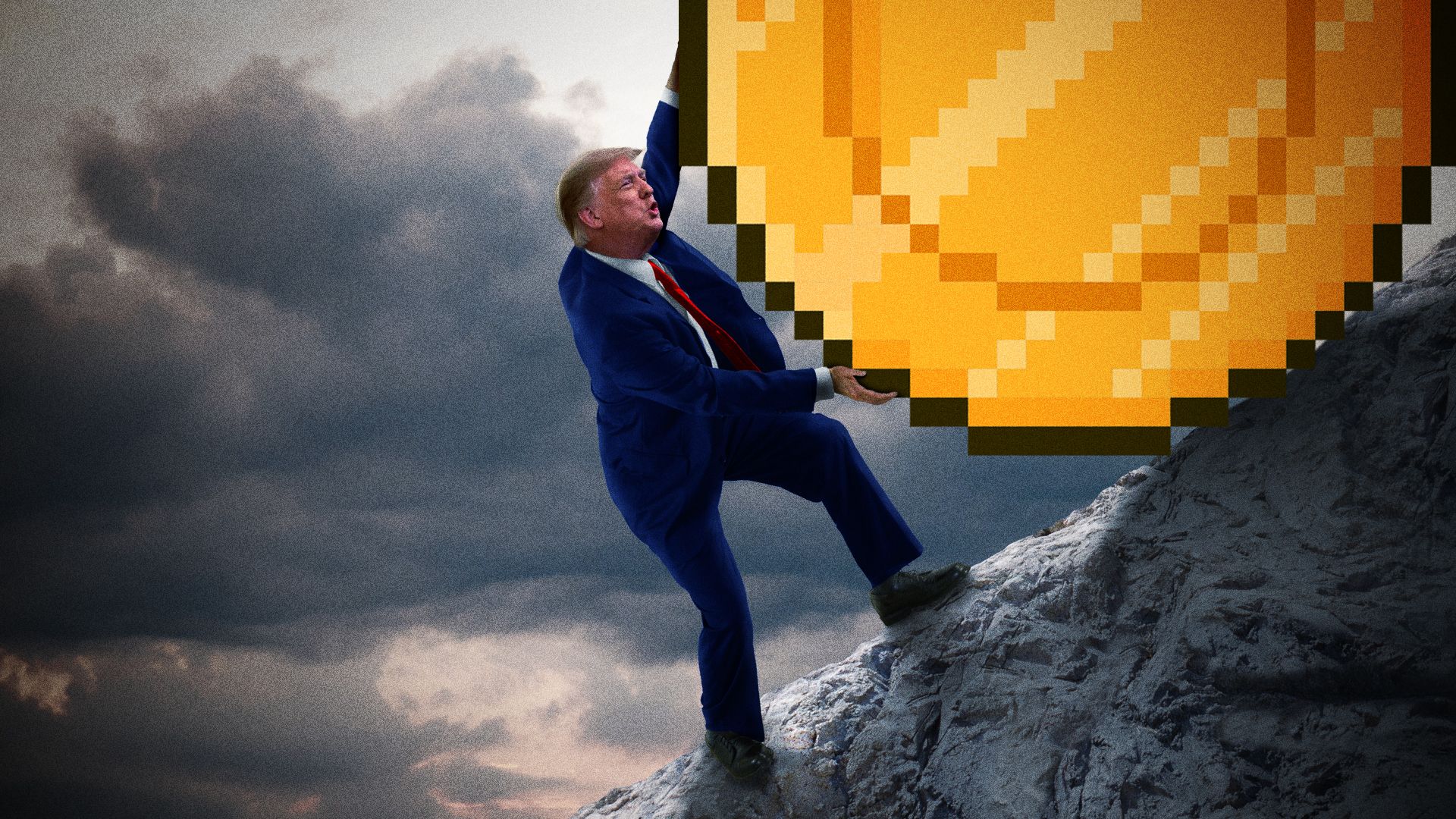
President Trump has signed into law the GENIUS Act, which will mean that many mainstream banks and fintechs will try to make stablecoins a part of everyday life in America soon.
Why it matters: With clear legal guidelines for the killer app of blockchains, dollar-backed tokens, lots of companies are going to soon jump into the business.
President Trump sued the Wall Street Journal on Friday over a story describinga "bawdy" birthday letter bearing his name that the outlet says was given to Jeffrey Epstein, new court filing shows.
The big picture: Trump had threatened to sue a day earlier, saying he personally warned the WSJ and owner Rupert Murdoch "that the supposed letter" was "a FAKE."