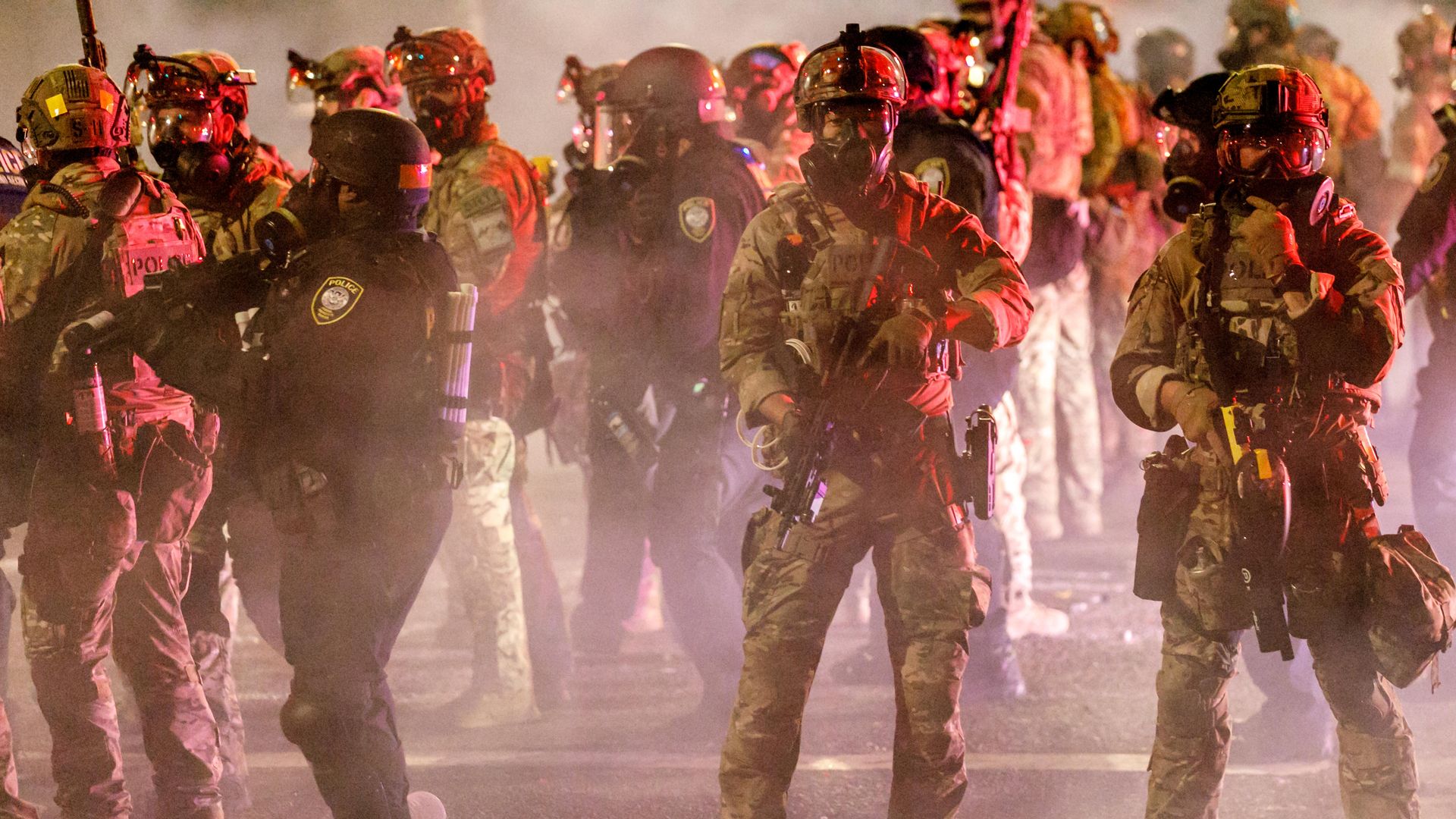
Why it matters: President Trump sent U.S. officers to Portland earlier this month in response to protests that followed the death of George Floyd in May. Officials have denounced the administration's use of federal agents to pull protesters into unmarked vehicles.
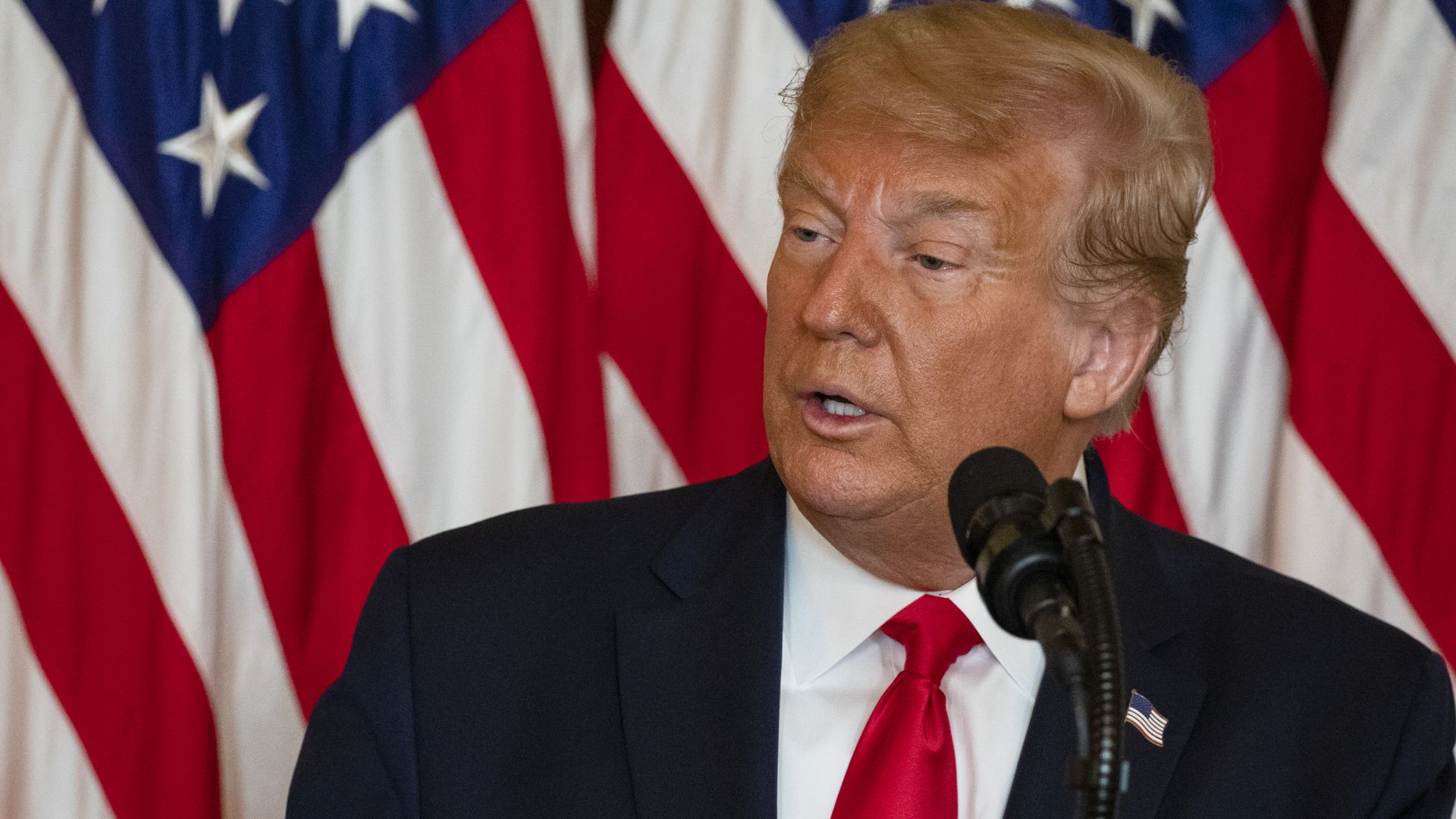
With 102 days until Election Day, the blue wave threatening to swamp President Trump's re-election chances keeps getting bigger and bigger.
Why it matters: We all know that anything can happen. But right now, every measurable trend is going against Trump — and with each day that passes, it gets increasingly harder for him to claw his way back.
President Trump on Friday signed executive orders that revive several of the administration's previous drug pricing ideas — including attempts to require Medicare to pay no more for drugs than the lowest prices paid by other countries and changing how drug rebates work within industry middlemen.
Reality check: The Trump administration has not enacted any major policies on drug prices. Today's executive orders on their own have limited authority and could take a long time to go into effect, if they go into effect at all.
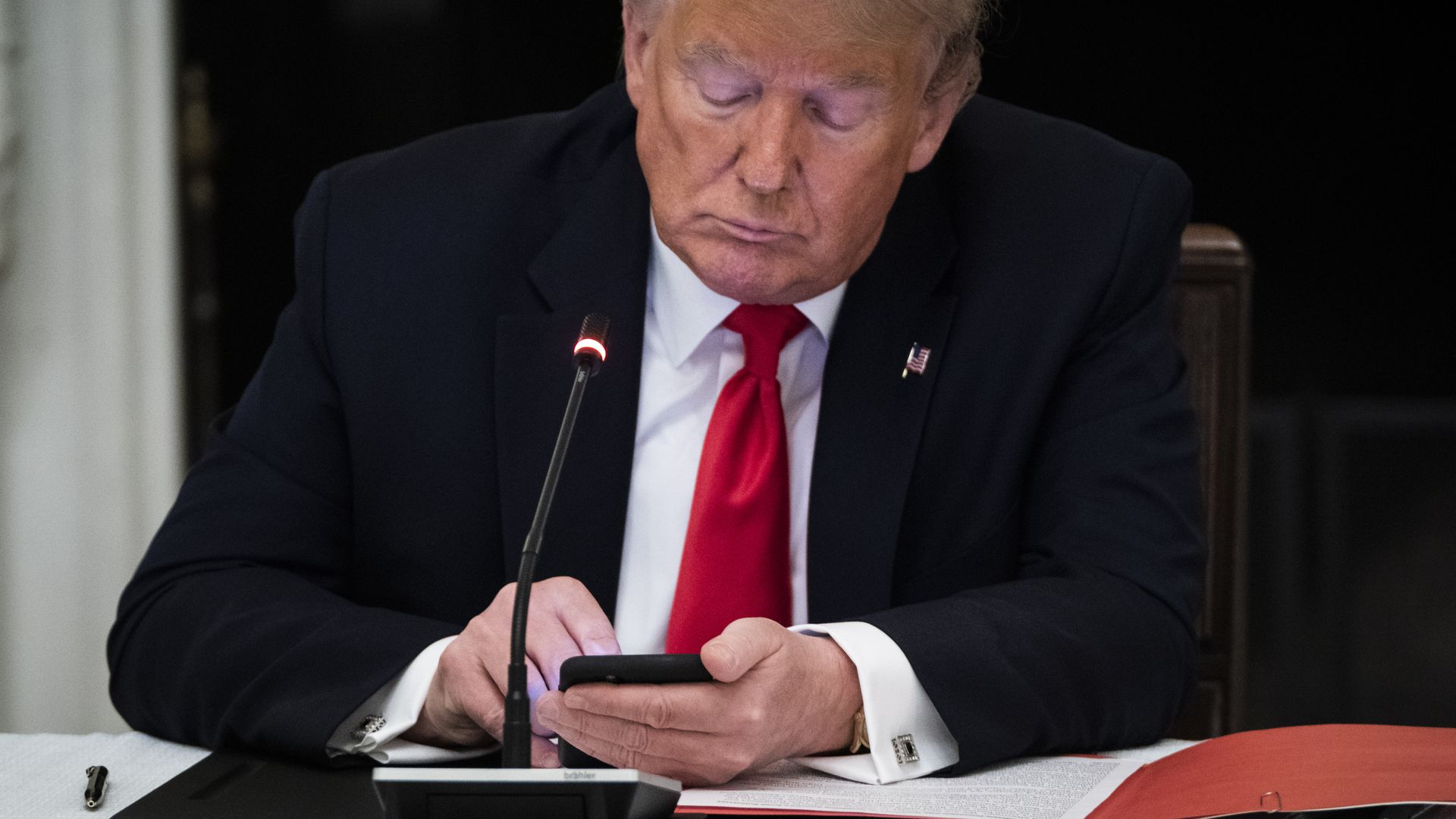
President Trump told Barstool Sports founder Dave Portnoy in an interview released Friday that he sometimes has regrets about his tweets and retweets.
Why it matters: Throughout his presidency, Trump has faced bipartisan criticism for his controversial comments on Twitter. He has also tested tech platforms' willingness to crack down on abuse and misinformation he spreads on his social media accounts.
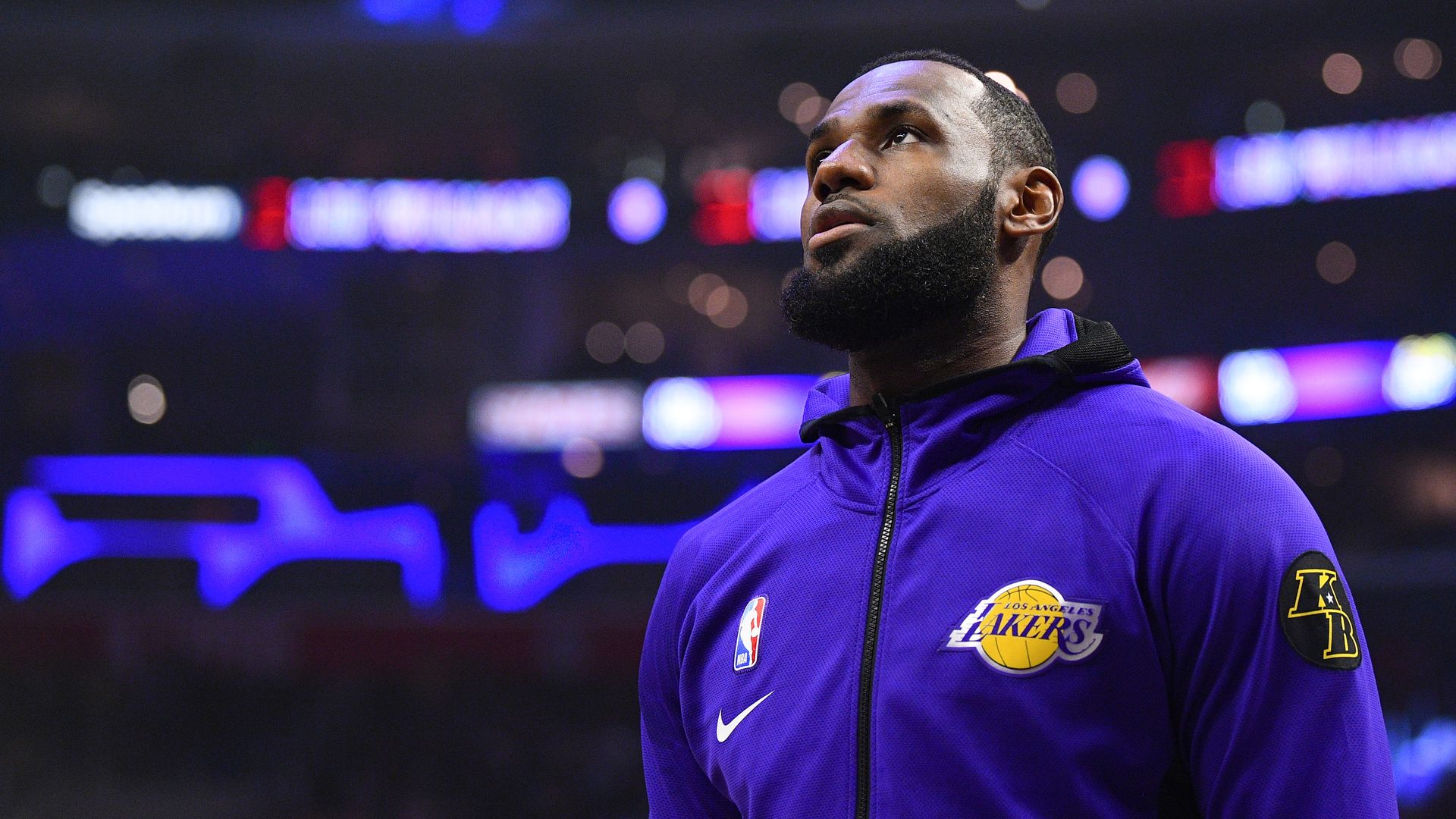
More Than A Vote, an organization launched by Lakers forward LeBron James and other Black athletes and entertainers, announced on Friday it will donate $100,000 to help pay the court debts and fees of ex-felons in Florida so they can register to vote in November's election, Politico reports.
Why it matters: After Florida voters approved a measure in 2o18 that restored felons' voting rights after they completed their sentences, Gov. Ron DeSantis (R) signed a law requiring convicted felons to pay outstanding fines and penalties to get their voting rights back.
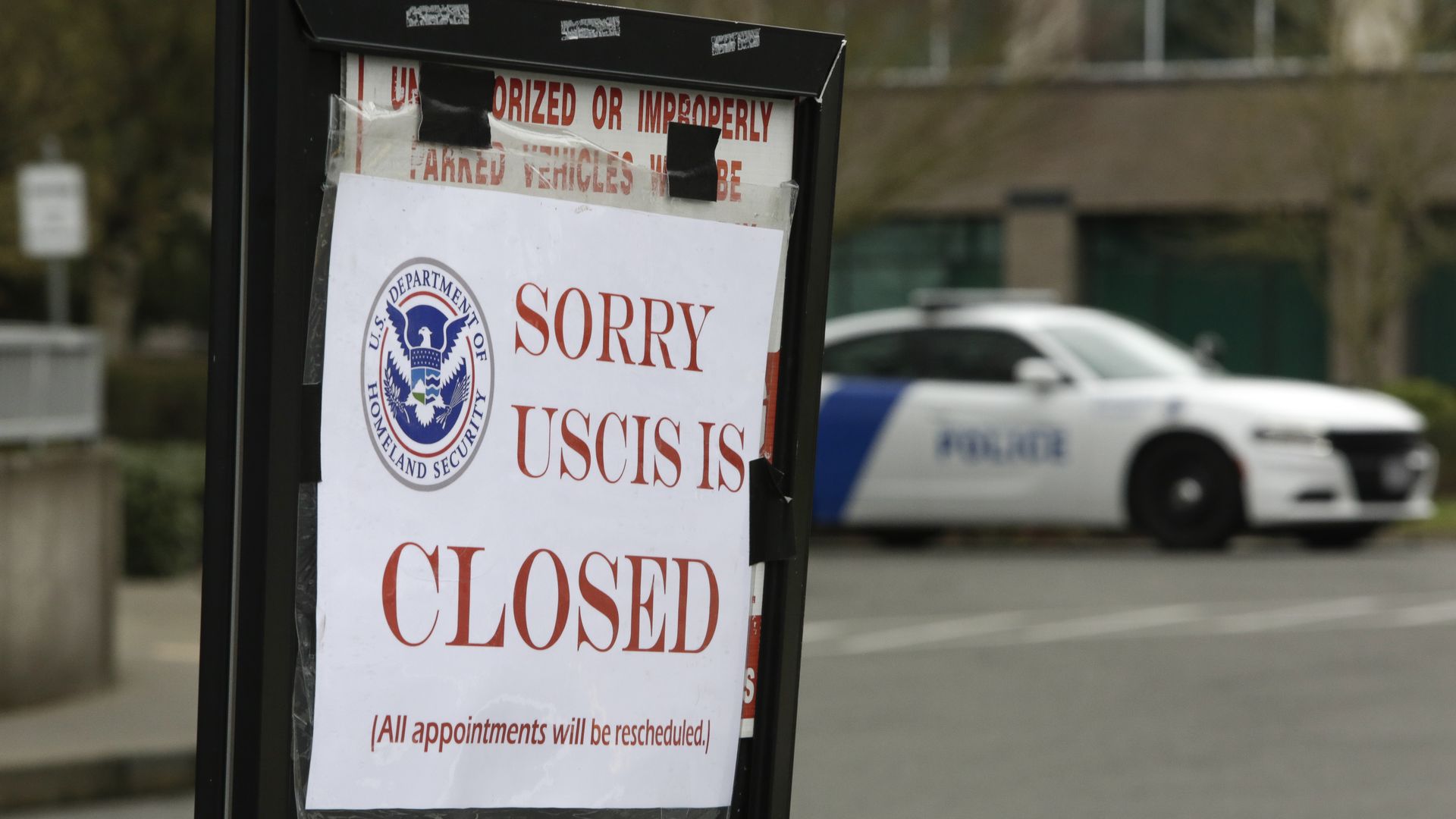
U.S. Citizenship and Immigration Services has delayed furloughing about 13,400 employees until August 30, spokesperson Jessica Collins said in a statement on Friday.
The big picture: The Trump administration has banned entry into the U.S. for foreigners on certain temporary work visas — including high-skilled H-1B visas — through the end of the year, Axios' Stef Kight reports.
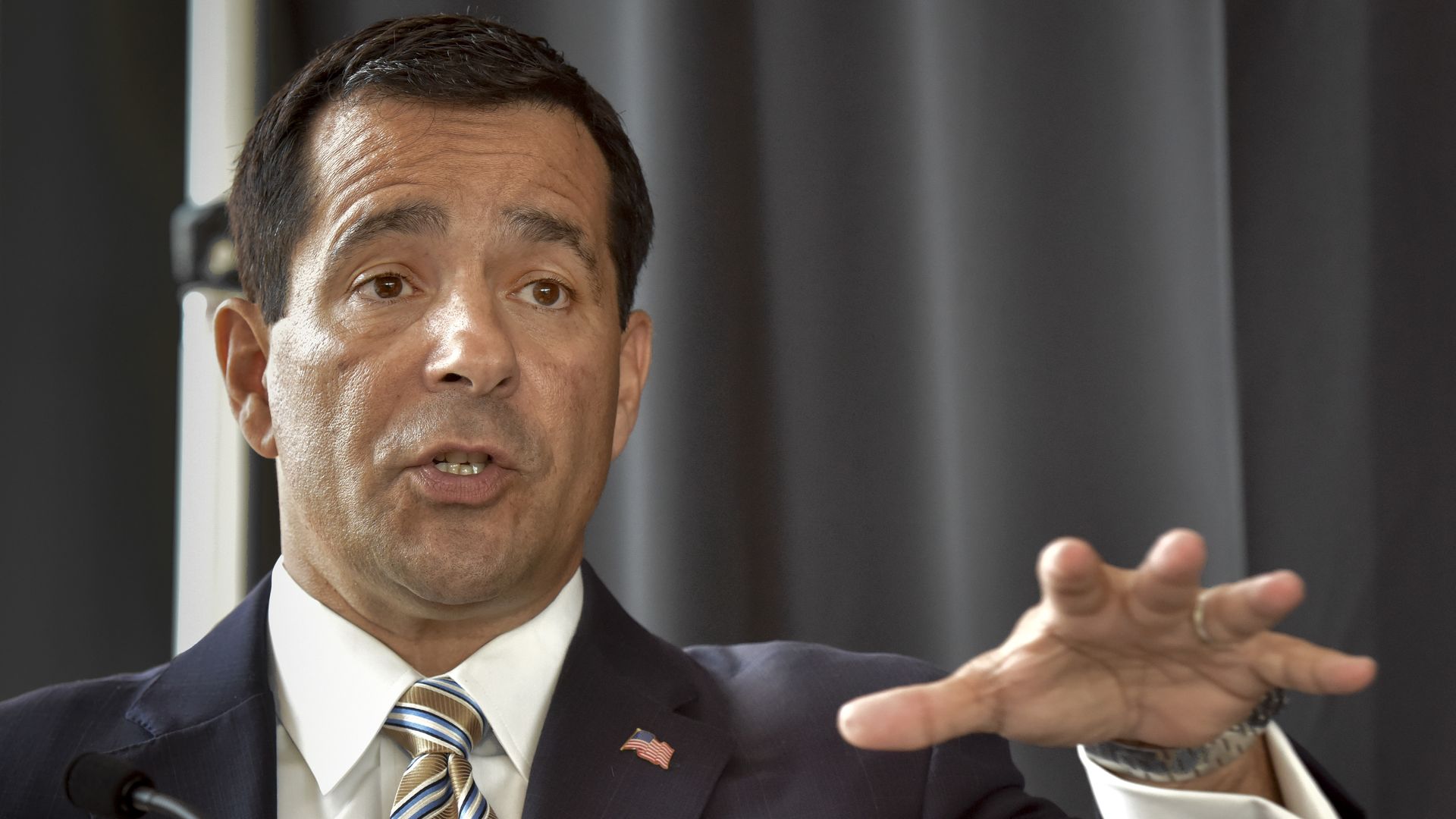
William Evanina, the nation's top counterintelligence official, said Friday that China, Russia and Iran present the most pressing threats for election interference in the 2020 presidential race.
Why it matters: November's election is set to see unprecedented use of vote-by-mail options amid the coronavirus pandemic, which could delay results and see baseless pushback from President Trump — potentially allowing foreign actors to sow discord.
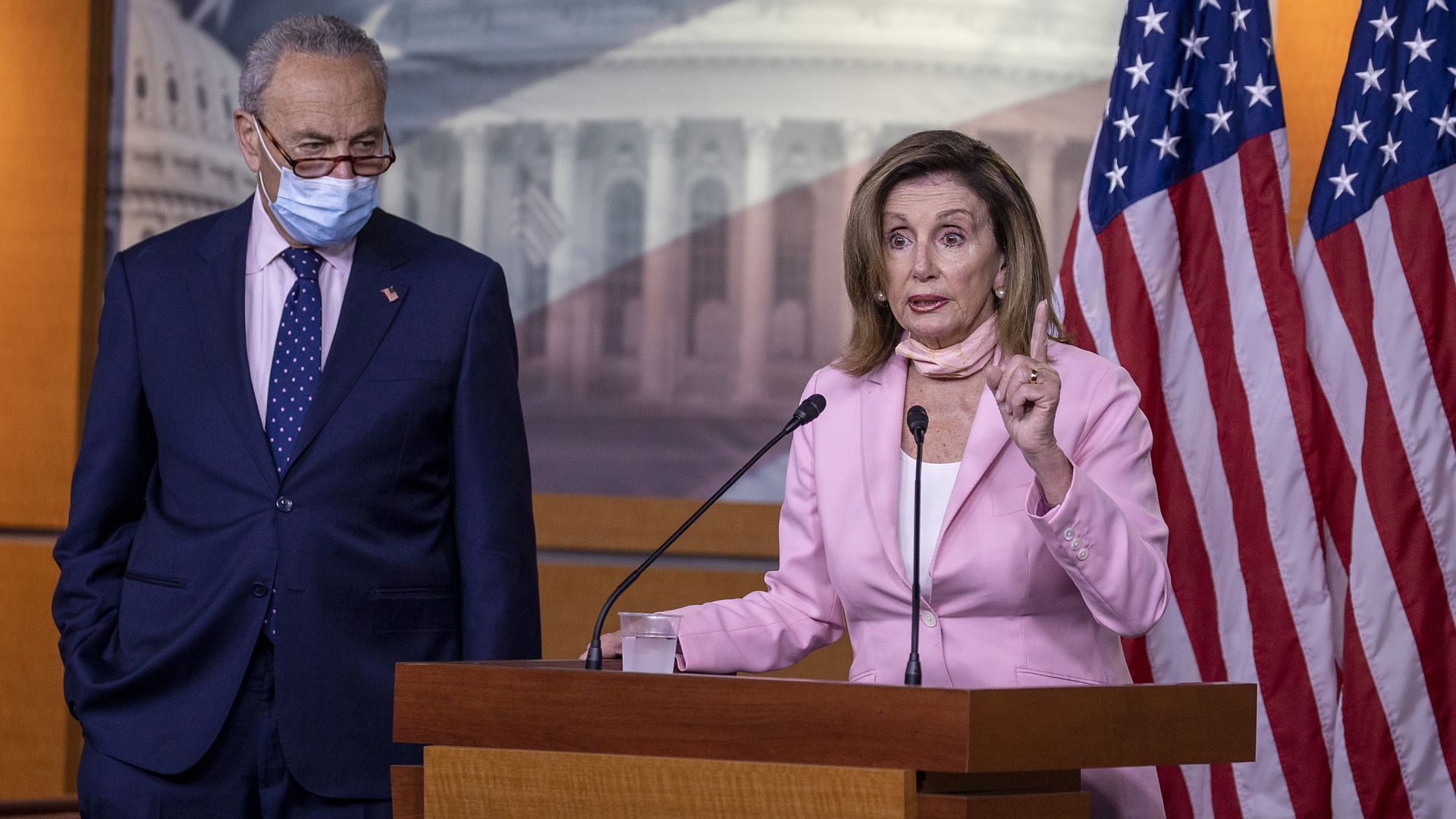
House Speaker Nancy Pelosi and Senate Minority Leader Chuck Schumer said Friday that "dithering" by the White House and Senate Republicans was to blame for not producing a coronavirus stimulus proposal.
Why it matters: The top Democrats are going on the offensive regarding the stimulus plan as expanded unemployment benefits are set to expire in the coming days.
Cook Political Report on Friday shifted its prediction of Florida's 2020 presidential election results from "toss up" to "leans Democratic."
Why it matters: It's yet another bad sign for President Trump's re-election chances from the respected prognosticator, which forecast the potential for "a Democratic tsunami" on Election Day earlier this month.
Several of the most politically vulnerable Senate Republicans are urging Majority Leader Mitch McConnell to include clean energy provisions in the next coronavirus economic recovery package.
Why it matters: The list of signatures is certainly a sign that vulnerable Republicans see a political upside in calling for clean energy policies. It also shows, once again, that energy politics can be quite regional, even in the era of hyper-partisanship.
The governors in four of the states hit hardest by the coronavirus have taken a massive hit in public approval over their handling of the pandemic, according to SurveyMonkey poll data shared exclusively with Axios.
Why it matters: Florida Gov. Ron DeSantis, Texas Gov. Greg Abbott, Arizona Gov. Doug Ducey, and Georgia Gov. Brian Kemp — all Republicans — saw their ratings take a nosedive this month as coronavirus cases skyrocketed in their states.
U.S. District Judge Michael Simon issued a temporary restraining order on Thursday blocking federal agents in Portland, Oregon, from arresting or using physical force against journalists and legal observers amid ongoing protests unless a crime has been committed.
Why it matters: The order restricts law enforcement officers from the departments of Homeland Security and of Justice operating in Portland, who have been accused of unlawfully arresting protesters.
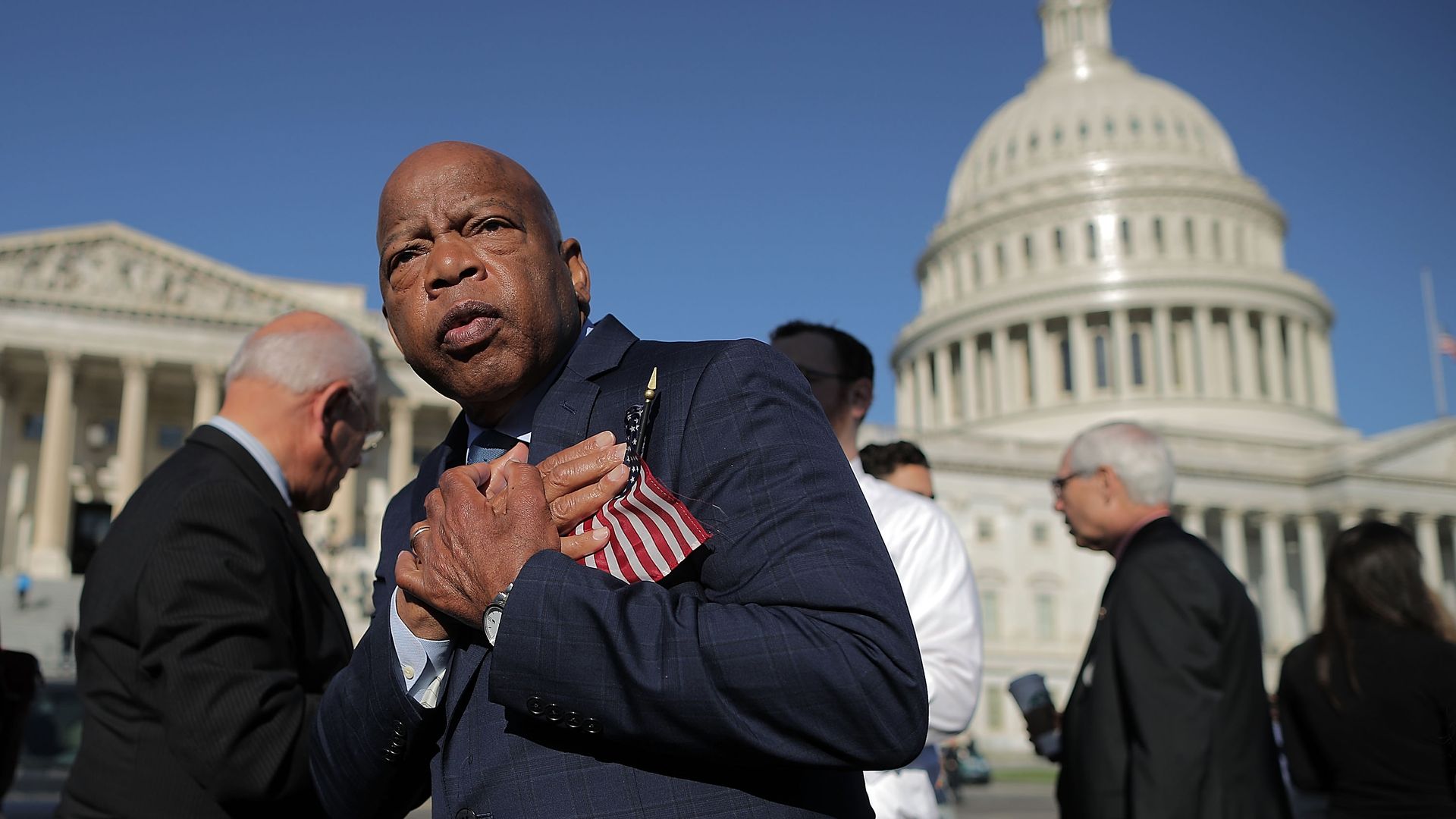
The late Rep. John Lewis, a civil rights icon, will lie in state at the Capitol Rotunda for a week starting Monday, House Speaker Nancy Pelosi and Senate Majority Leader Mitch McConnell announced Thursday.
Why it matters: Over 30 Americans have lied in state since 1852, making America's distinguished citizens available for public viewing, including the late Rep. Elijah Cummings, President George H.W. Bush and Sen. John McCain. Given COVID-19, Lewis will lie in state at the top of the East Front Steps of the Capitol for public viewing. Face masks are required and social distancing will be strictly enforced.