Axios Latino

😎 Hey, thanks for spending a few minutes of your Thursday with us!
- ✍🏼 Haven't subscribed yet? Wait no more!
👀 Puede leer este boletín en español aquí.
This newsletter, edited by Laurin-Whitney Gottbrath, is 1,361 words, a 5-minute read.
1 big thing: Latinas hope to help USWNT make history
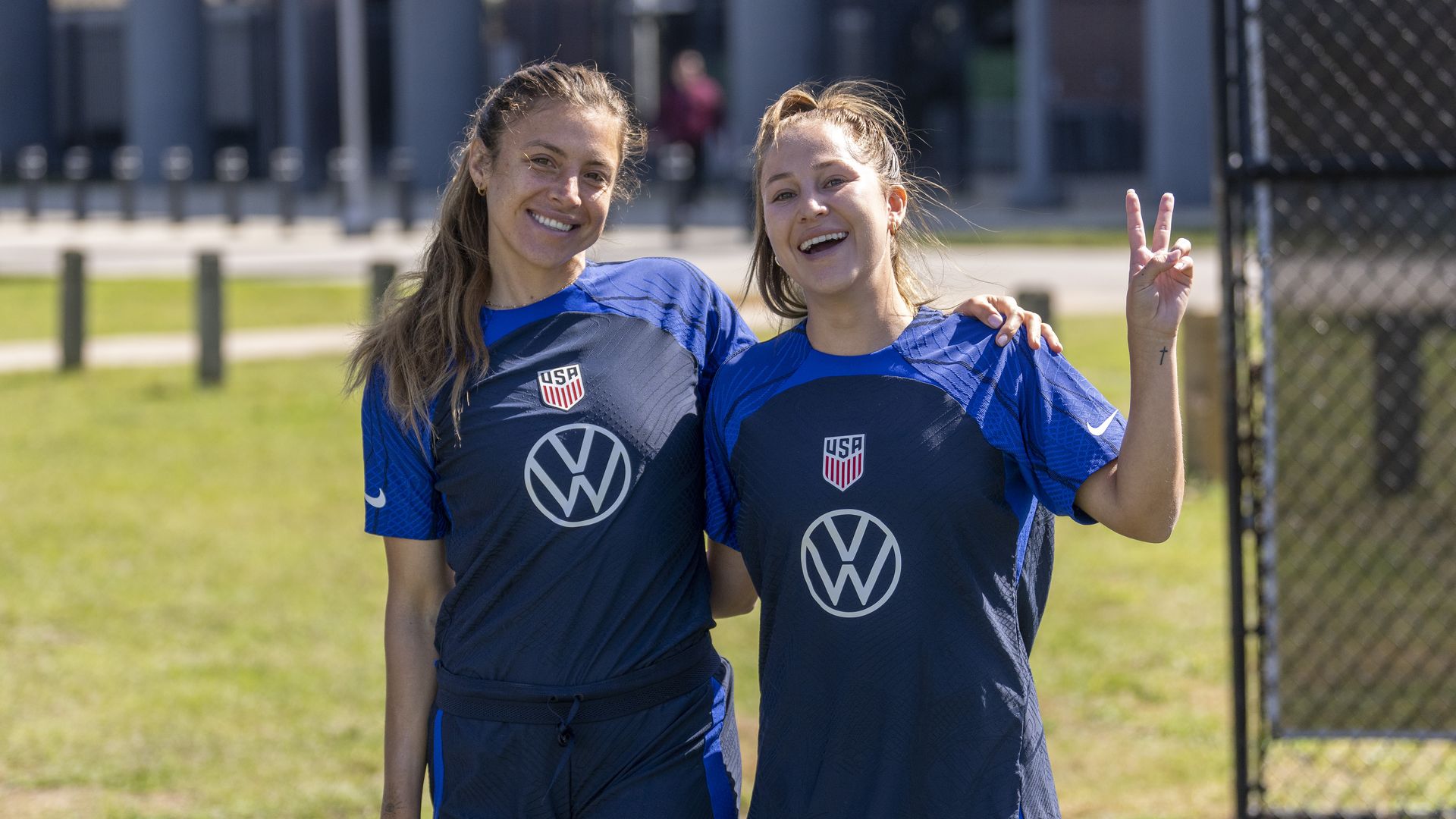
Sofia Huerta and Ashley Sanchez during USWNT training sessions in February. Photo: Brad Smith/ISI Photos/Getty Images
Two Latinas are among the players looking to extend the U.S. National Women's Team's World Cup winning streak in Australia and New Zealand this summer, Marina writes.
The big picture: Defender Sofia Huerta and midfielder Ashley Sanchez, who are both Mexican American, help make up the most diverse roster in the USWNT's history — a reflection of the changing U.S. demographics.
- Only two other Latinas — Stephanie Cox and Amy Rodriguez — have played on a U.S. national World Cup team.
What they're saying: Sanchez and Huerta tell Telemundo Deportes they were always proud of their Mexican heritage growing up in California and Idaho, respectively, but at times felt neither "Mexican enough" nor able to express their Hispanic side.
- Sanchez says soccer allowed her to connect with her roots and feel accepted as a Mexican American.
Between the lines: Huerta is among a growing crop of athletes with dual nationality who sometimes face hard decisions about which country to represent in international competitions.
- As a youth player, Huerta was part of the Mexico national team. But with a long-held dream to play for the U.S. at a World Cup, she asked to switch football associations.
- "Being on the U.S. team while having Huerta so visible in the back of my jersey is something so important to me because I feel in some ways like I get to represent both places that I'm passionate about," she says.
What to watch: A powerhouse in women's national soccer, the USWNT is aiming this summer to pull off a hat-trick — winning three consecutive World Cups — a feat no national men's or women's team has ever achieved.
- Costa Rica, Panama, Colombia, Argentina, Brazil, Canada, Haiti and Jamaica are the other teams hailing from the Americas in this year's tournament, which kicks off July 20.
2. Rep. Grijalva wants to help dual-language learners
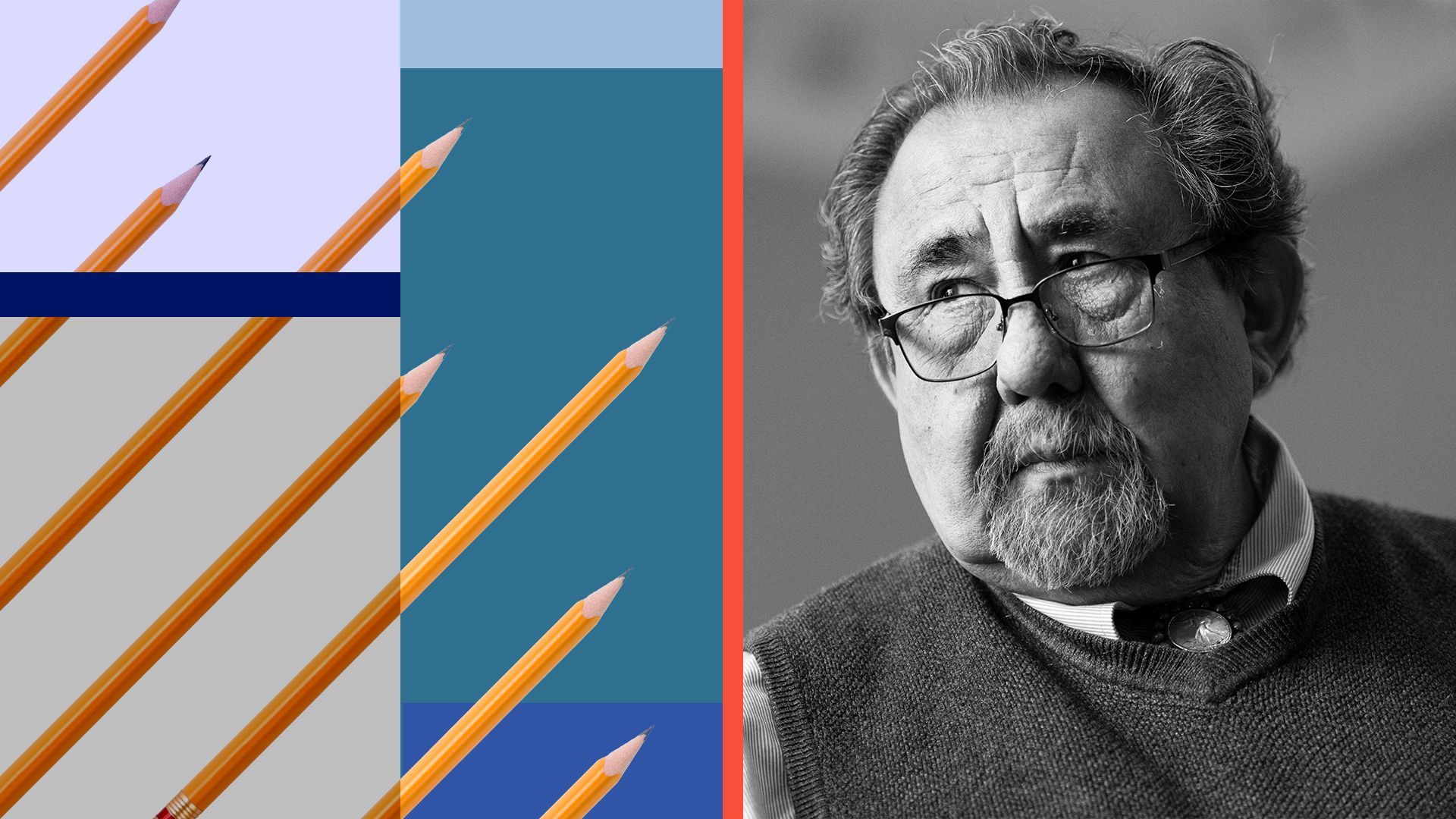
Photo illustration: Shoshana Gordon/Axios. Photo: Tom Williams/CQ-Roll Call, Inc via Getty Images
U.S. Rep. Rául Grijalva, the Arizona Democrat, knows his bills to improve public education and increase access for English language learners don't have much of a chance in this Congress — but he tells Astrid Galván he's still willing to try.
The big picture: Grijalva, who has served in Congress since 2003 and is known as one of the most liberal Democrats in the House, sits on the House Education and Labor Committee and is a ranking member of the House Natural Resources Committee.
Details: Grijalva this May introduced a package of bills aimed at improving dual-language learning and providing better resources to students who are learning English for the first time.
- A study in May found that English learners are increasingly left out of dual language immersion programs as these schools expand into wealthier and less accessible neighborhoods.
- The bills "collectively kind of represent a significant need that we have now in our community but we've had for the years past in the community," says Grijalva, adding that test scores show students haven't recovered from pandemic setbacks.
The other side: House Republicans, who control the chamber, appear more concerned with giving parents greater control over what's taught in public schools.
- The bill, which passed the House in May but is unlikely to pass in the Democratic-held Senate, would require schools to publish course studies and a list of library books, among other things.
3. Guatemala runoff gets a green light — for now
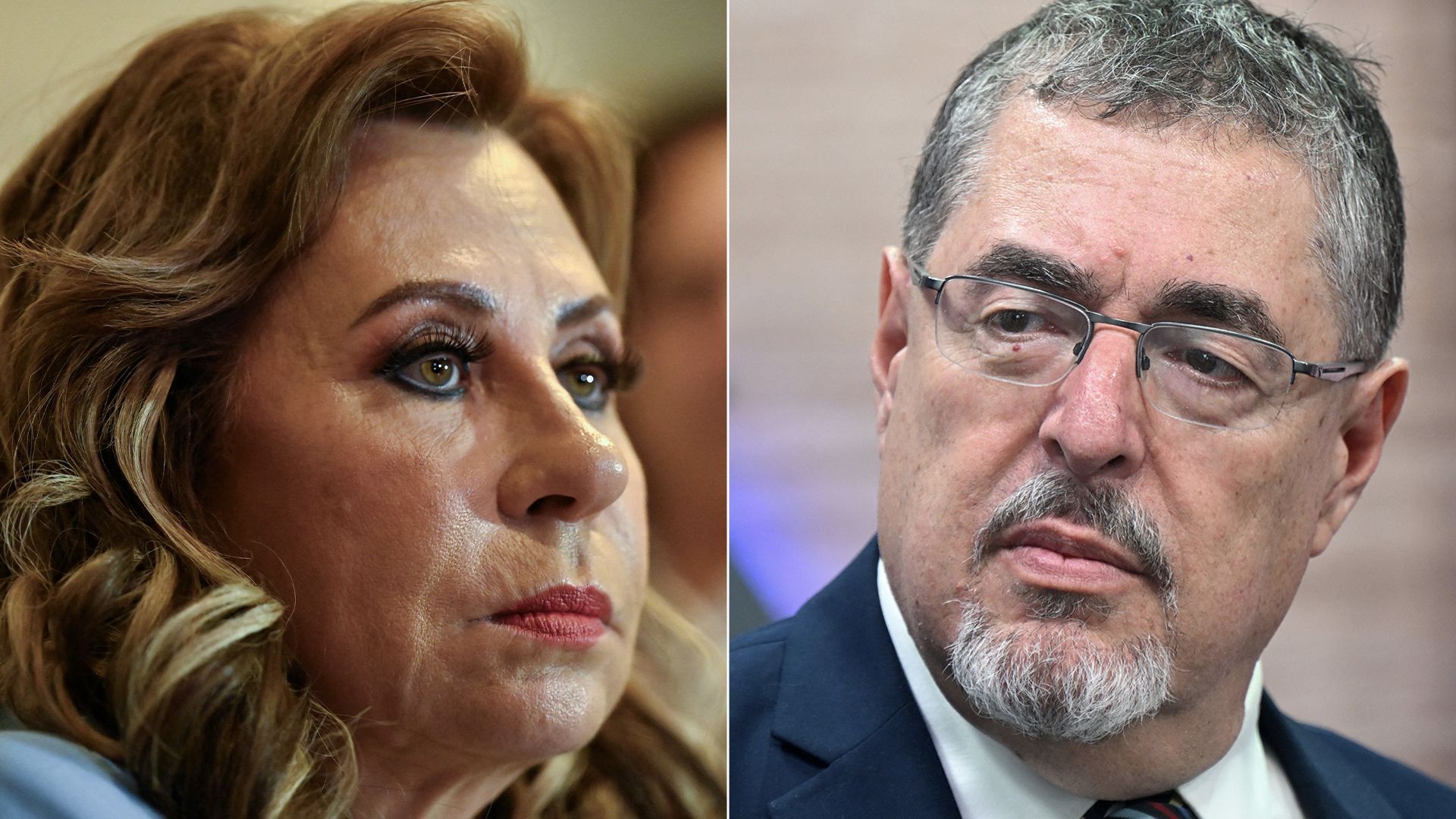
Guatemalan presidential candidates Sandra Torres and Bernardo Arévalo will face off in a runoff election an Aug. 20. Photos: Luis Acosta/AFP via Getty Images; Johan Ordóñez/AFP via Getty Images
The second-round presidential race between centrist Sandra Torres and social democrat Bernardo Arévalo in Guatemala is a go — at least for now, Marina writes.
Driving the news: The electoral court on Wednesday certified the results from the first round after a delay of more than two weeks.
- The confirmation caps off a dramatic period in which nine parties — most of which received only a single-digit share of the votes — demanded a partial recount, claiming without evidence that fraud had taken place.
- The Constitutional Court granted their request, despite calls from voters, local non-governmental groups, international organizations, and foreign governments to respect the will of the people.
- The recount ended last Friday with no substantial changes or proof of fraud, leading the electoral court to formally sign off on the results.
Yes, but: Just ahead of the electoral court's announcement, the attorney general's office said it's looking into whether to annul the party registration of Arévalo's Movimiento Semilla, claiming it received evidence the party falsified party members' signatures — an allegation the Semilla denies.
- Arévalo, a former diplomat and Congress member who ran on an anti-corruption platform, defied expectations in the first round.
- The electoral court said yesterday it had not been notified of the request to suspend the party so it could not speak to its validity.
- The head of the attorney general's office, Consuelo Porras, was designated as involved in significant corruption by the U.S. State Department last year.
What to watch: Arévalo and Torres, a former first lady with the National Unity of Hope party who campaigned on attracting investment and businesses, are expected to resume their campaigns ahead of the Aug. 20 vote while the matter with the attorney general's office is resolved.
4. Spanish-language toolkit for heat wave available

Illustration: Shoshana Gordon/Axios
Emergency response organizations hope new Spanish-language guides and toolkits will expand the reach of the resources available as the U.S. faces an intensifying heat wave, Astrid writes.
Driving the news: More than 113 million people in the U.S. are currently under threat from extreme heat, according to heat.gov. The rising temperatures can be especially dangerous for people who don't have access to critical safety information in their native tongue.
- That can include Latinos, who are already much more likely than others to live in what are known as urban heat islands — areas where pavement and buildings, coupled with a lack of foliage and other structures that provide shade, trap heat.
- They also represent the majority of farmworkers and day laborers — people who have to work outside.
- That's partly why Americares and Harvard's Center for Climate, Health, and the Global Environment teamed up to create Spanish-language tool kits that detail how extreme heat has an impact on various health conditions.
What they're saying: It's "more important than ever to have easy access to tools that protect health and empower patients — especially for Hispanic and Latino populations disproportionately impacted by climate change," says Nathaniel Matthews-Trigg, associate director of climate and disaster resilience for Americares.
State of play: The heat wave, driven by an elongated, persistent area of high pressure known as a heat dome and exacerbated by climate change, is expected to continue into next week in several parts of the U.S., especially the Southwest.
5. Stories we're watching
Illustration: Natalie Peeples/Axios
1. Three Argentine police officers were sentenced to life in prison this week after being convicted of murder with "racial hatred" as an aggravating factor — the first such case in the country's history.
- The officers killed 17-year-old Lucas González, an aspiring soccer player from a low-income neighborhood of Buenos Aires, in Nov. 2021.
- An investigation showed police planted a toy gun to make it appear as though González had been armed.
2. Deforestation has fallen in the Colombian and Brazilian regions of the Amazon, according to new data shared by those countries' environmental ministries after a joint leaders meeting on conservation.
6. 🪅 Pachanga: Gabriella Navas
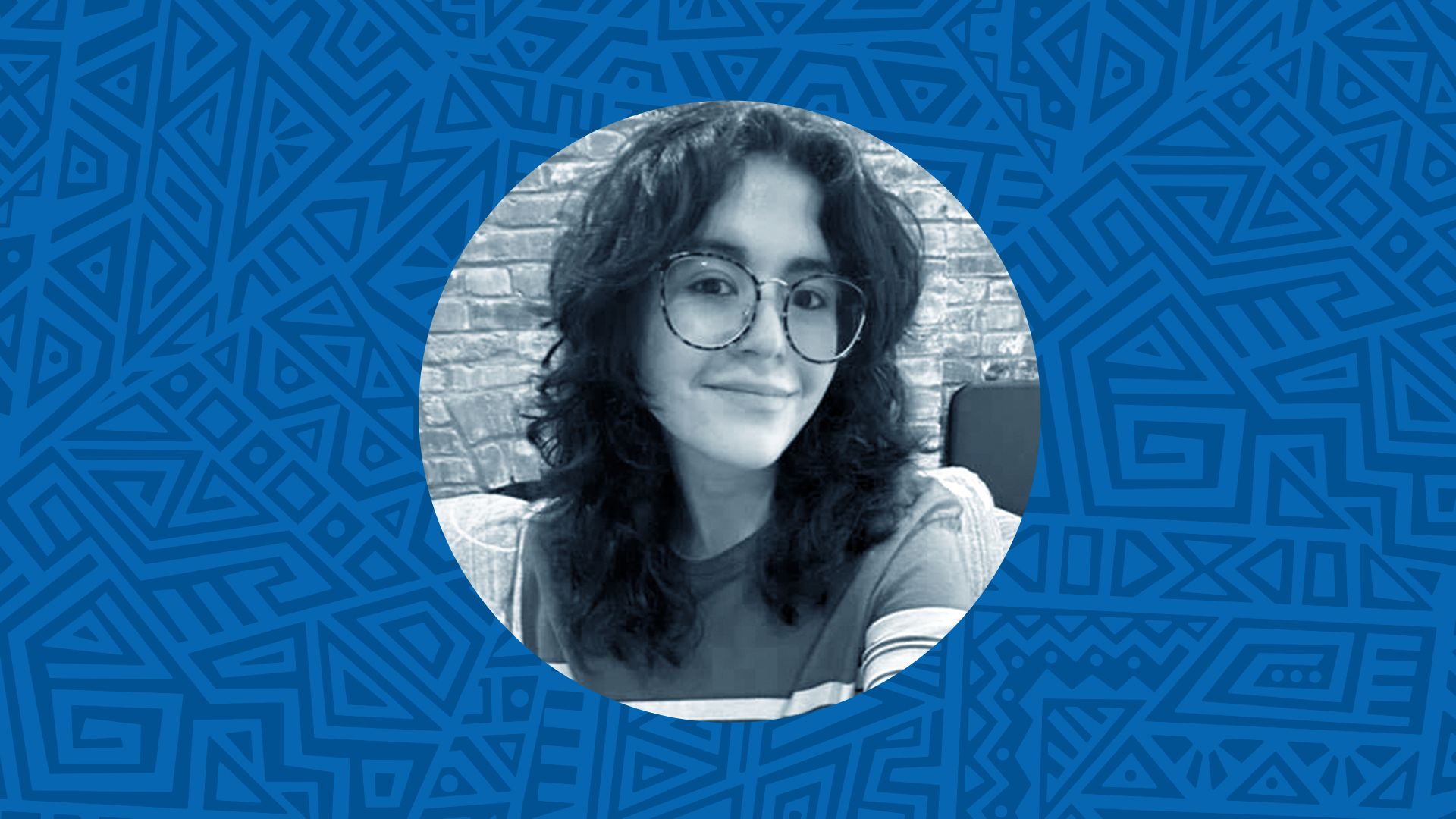
Photo Illustration: Axios Visuals. Photo: Courtesy of Melissa Navas.
Today we celebrate Gabriella (Gabi) Navas, a writer who is featured in “Sana, Sana: Latinx Pain and Radical Visions for Healing and Justice,” an anthology released this week.
- Gabriella hails from Jersey City, New Jersey, where her parents settled after leaving Puerto Rico.
- She's pursuing her MFA at Ohio State University.
Congrats on your many accomplishments, Gabriella!
Many thanks to copy editor Carlos Cunha and the Axios visual team for their contributions.
Sign up for Axios Latino
Keep tabs on the stories that most affect the U.S. Latino community on both sides of the border, a collaboration with Noticias Telemundo.