Axios Latino

November 07, 2024


Welcome back.
🪅 We love to feature our readers' latest accomplishments! Please send us your pachanga nominations by filling out this form.
👀 En español 👀
This newsletter, edited by Astrid Galván, is 1,407 words, a 5.5-minute read.
1 big thing: Trump sets GOP record with Latino voters

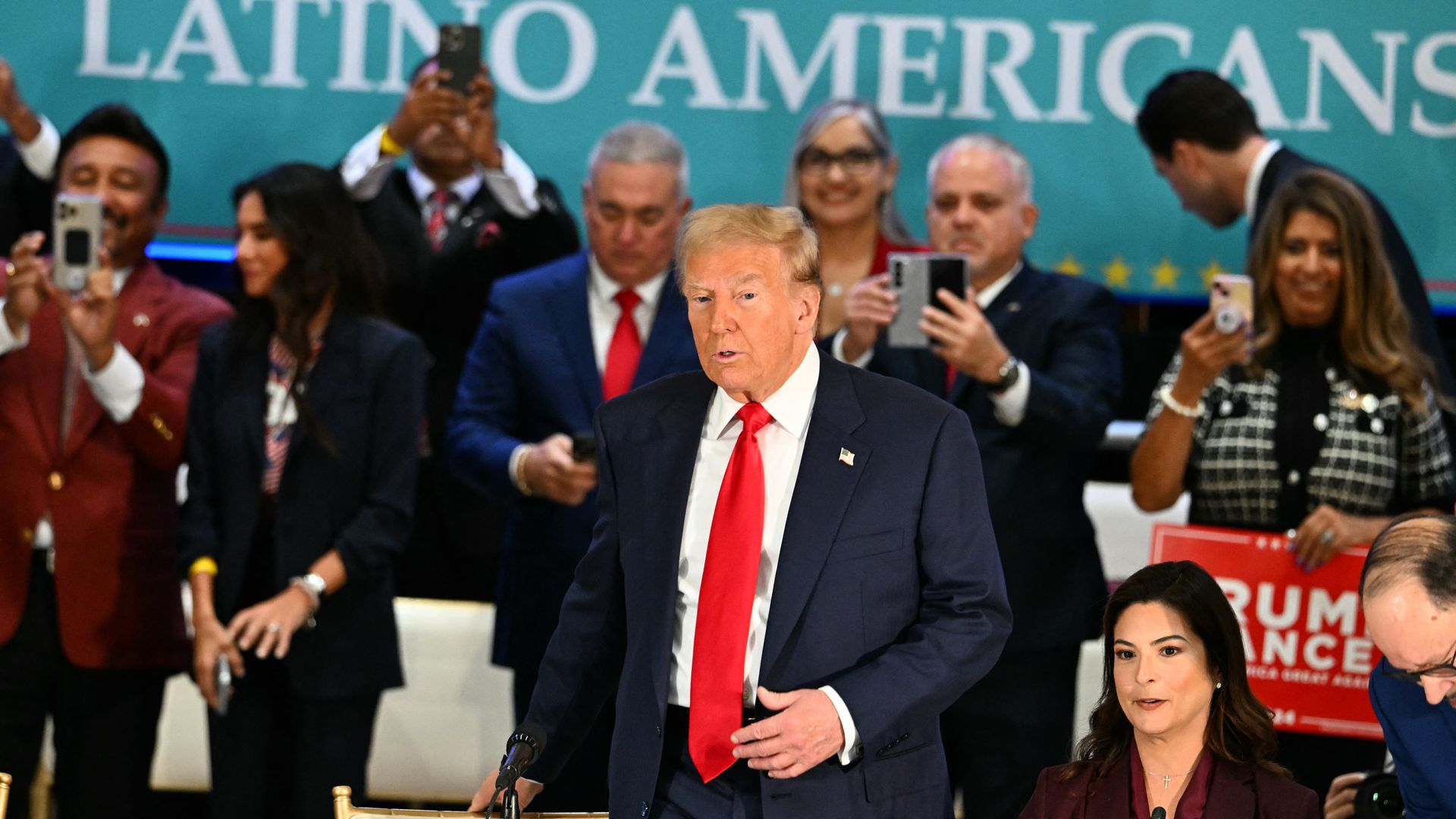
President-elect Donald Trump was backed by 46% of Latino voters Tuesday, surpassing Ronald Reagan and George W. Bush to win the biggest share of the national Latino vote by a Republican presidential contender in modern times, a new exit poll shows.
Why it matters: Trump's historic gains among Latino voters in a range of demographic voting blocs — particularly men — helped push Vice President Harris to the worst showing among Latinos (52%) for a Democratic presidential candidate in 20 years.
- Latino voters appeared to look beyond the racist rhetoric Trump has used to describe undocumented immigrants in an election in which the economy and inflation were top concerns of many voters.
By the numbers: Trump was propelled by Latino men: 55% said they voted for him, compared to 38% of Latinas, per an exit poll conducted by Edison Research.
- Trump's overall support among Latinos surpassed the 44% then-President George W. Bush, a Texan, received in 2004.
- President Ronald Reagan took 37% of the Latino vote in 1980 and 34% in 1984.
What they're saying: Democrats failed to give Latinos a clear economic message while Trump focused on it in all of his rallies and commercials, University of Houston political science professor Jeronimo Cortina tells Axios.
- "Latinos were saying, 'I don't care what Trump says. I want to be able to pay the bills. I want to be able to send my kid to college. I want to pay the mortgage, to afford a new car.' "
Trump also made more inroads with Latinos in areas once dominated by Democrats.
- Trump beat Harris 51-49 in Hidalgo County, in South Texas — a Mexican American stronghold that Biden won with 58% of the vote in 2020.
- In Cameron County, at the southern tip of Texas' Rio Grande Valley, Trump beat Harris, 53-47. Biden won the county with 56% of the vote.
University of Texas Rio Grande Valley professor Álvaro J. Corral says that although he expected Trump to make more inroads with Latinos, he's surprised by "the magnitude of the shift."
- "I think this is really a story of the headwinds that were obviously too much to overcome for Democrats structurally (and) with the economy," Corral says.
- He adds that most Latinos in South Texas are in the working class and that "even inflation that's trending downward is still not good."
2. Latinos' historically anti-immigrant past
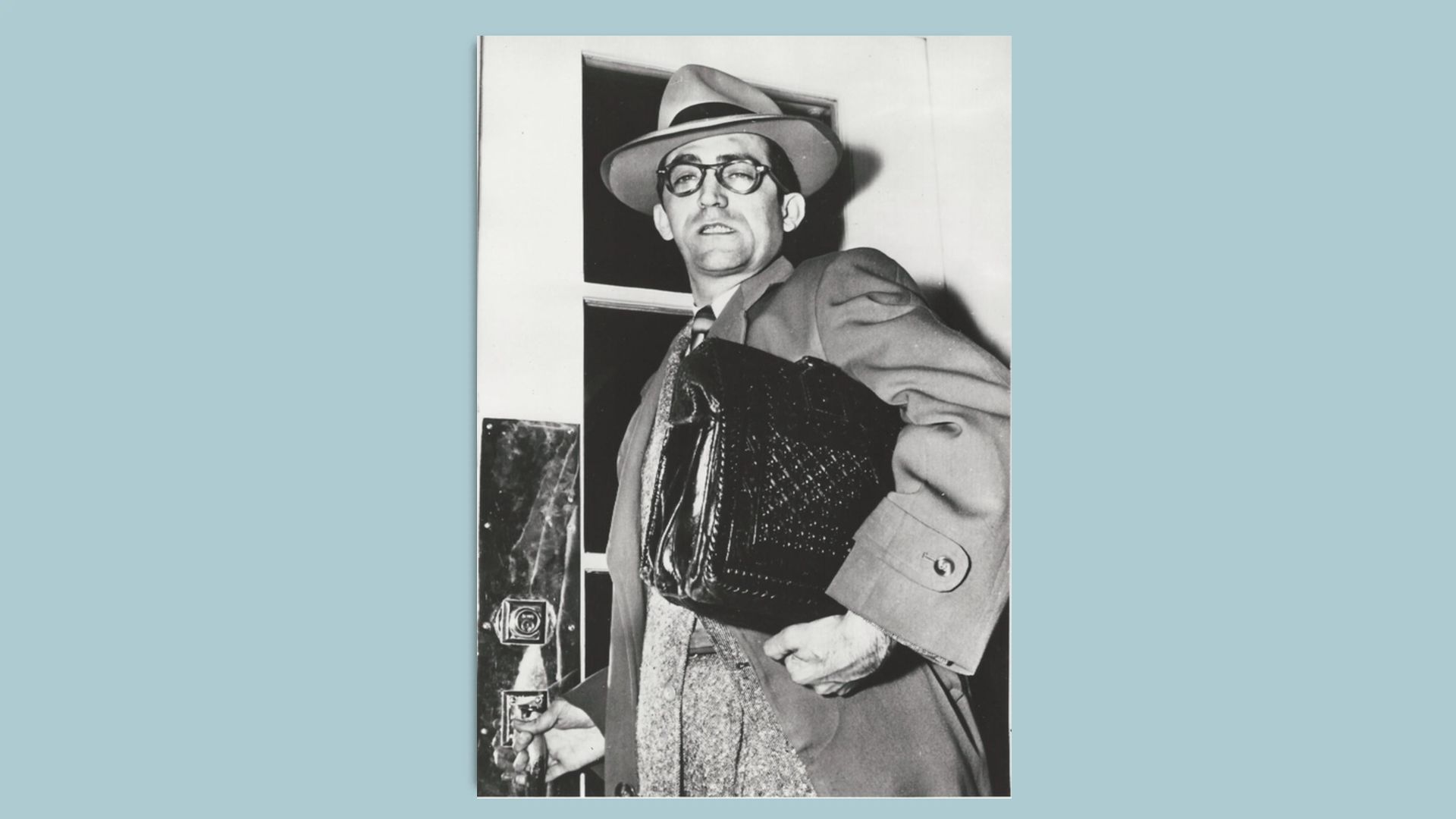
Growing Latino support for some of President-elect Trump's harsh immigration policies is nothing new: Decades ago, anti-immigrant sentiment was the status quo among many Latino civil rights leaders.
Why it matters: Trump's plans for mass deportations, which historically have swept up some Hispanic U.S. citizens, seem not to have prevented Latinos from helping him get elected.
State of play: Months before the election, an Axios-Ipsos Latino Poll in partnership with Noticias Telemundo found that the percentage of Latinos who say they support building a border wall and deporting all undocumented immigrants had jumped by at least 10 points since 2021.
- An Axios Vibes survey by The Harris Poll in April also found that 45% of Latinos surveyed supported mass deportations of undocumented immigrants.
What they're saying: Anti-immigrant sentiment among Latinos has existed since the 1930s, Brian Behnken, an Iowa State University history professor, tells Axios.
- "Folks in the border region or in Texas, (they) look at undocumented workers or undocumented people, and say, 'You know, you're making the rest of us look bad'."
Flashback: During the Mexican American civil rights movement of the 1950s, Latino civil rights leaders often pressed for deportations and limited migration over fear immigrants were depressing wages and taking jobs from poor Hispanic workers.
- Returning World War II Latino veterans joined civil rights organizations and emphasized their "Americanism" as a tactic to fight racial discrimination back home.
- Their push for anti-immigrant policies came as they challenged segregation and discrimination in federal courts and advocated for Latinos to register to vote.
Yes, but: Beginning with the Chicano Movement and later the anti-immigrant proposals of the 1990s, Latino civil rights groups shifted to support undocumented immigrants who were facing discrimination and began pushing for comprehensive immigration reform.
- Many of the largest and most prominent Latino civil rights groups advocate for immigrants' rights, and many have vowed to fight Trump's immigration proposals.
3. Senate gains Latinos, but House is undecided
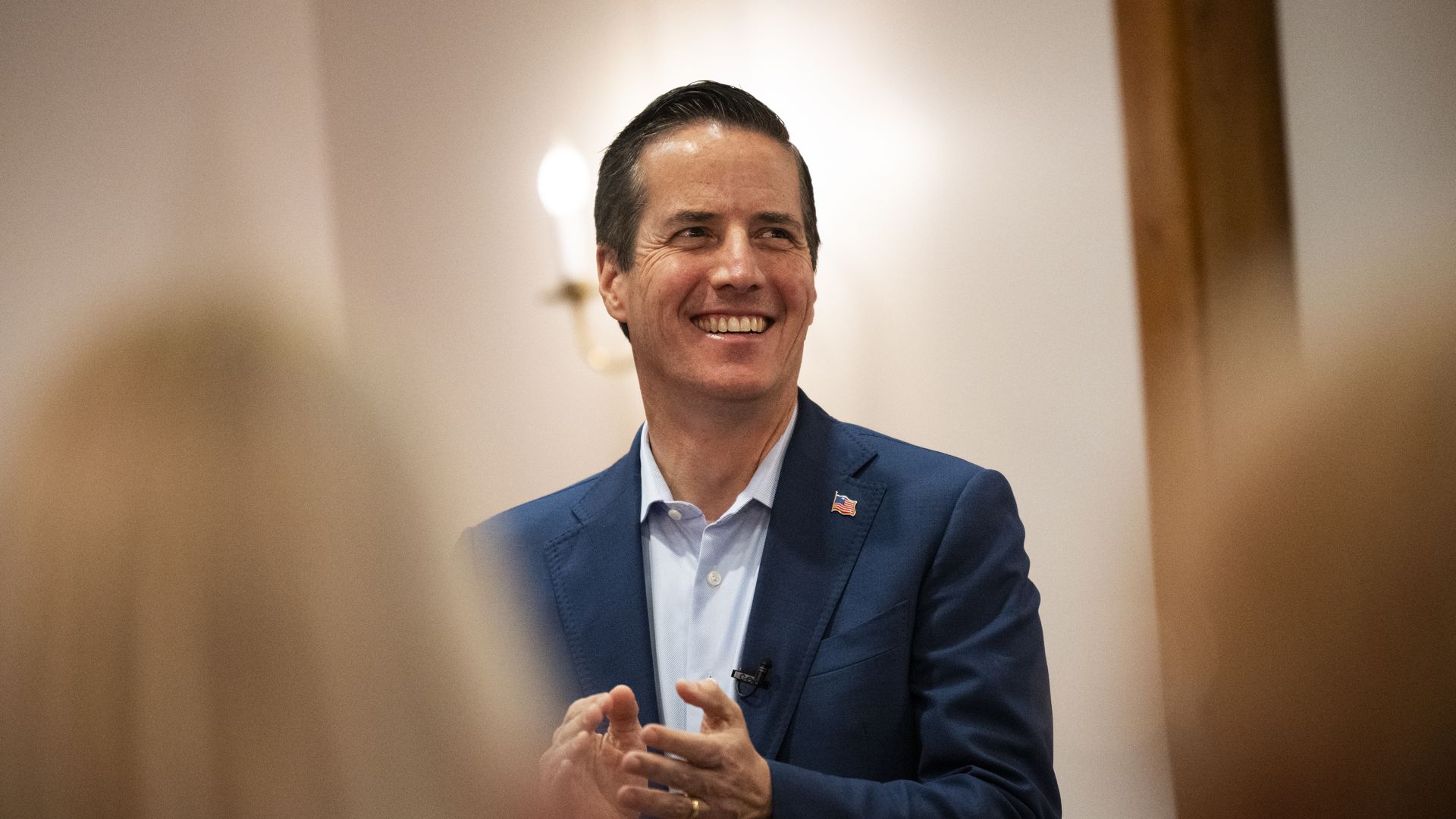
The number of Latinos in the U.S. Senate is increasing from five to six — or possibly seven, if Democratic U.S. Rep. Ruben Gallego wins his bid in Arizona.
The big picture: Latinos' power in the next Congress is still unclear because eight races in the House remain undecided.
State of play: Ohio businessman Bernie Moreno (R) ousted Democrat Sherrod Brown on Tuesday, becoming the state's first Latino senator.
- Texas Sen. Ted Cruz, a Republican, won decisively despite polls showing him neck and neck with his Democratic opponent, Colin Allred.
- Gallego is up 3 points over Republican challenger Kari Lake, but the race was too close to call as of this morning.
In the House, the AP has yet to call the races for U.S. Reps. Juan Ciscomani (R-Ariz.), Mike Garcia (R-Calif.), Yadira Caraveo (D-Colo.), Lori Chavez-DeRemer (R-Ore.), Anthony D'Esposito (R-N.Y.) and Marie Gluesenkamp Perez (D-Wash.).
- In Nebraska, Democrat Tony Vargas is down two points in his quest to become the state's first Latino member of Congress in a district that is only 13% Hispanic.
- In California, Democrat Rudy Salas is trying to unseat U.S. Rep. David Valadao, who is of Portuguese heritage. Neither race has been called.
- Rep. Gabriel Vasquez (D-N.M.), whose contest looked to be close, won handily.
Currently, there are 49 Latinos in the House.
4. Mexico's precarious standing with Trump

Mexico will need to carefully navigate its relationship with the U.S. in the second Trump administration given his promises of mass deportations, tariffs and threats to send American troops south of the border, experts say.
Why it matters: Mexico is the United States' largest trading partner, and the shared 1,950-mile border also means the bilateral relation is key for dealing with drug and arms trafficking as well as migration flows.
State of play: During the campaign, Trump suggested he'd consider invading or bombing Mexico to fight drug cartels.
- Earlier this week he also threatened to slap a 25% tariff on Mexican goods, which he claimed would help halt the flow of fentanyl through the border and pressure Mexico to do more to stem illegal immigration.
- Reality check: Tariffs might be hard to impose since Mexico, Canada and the U.S. have shared duty-free trade rules under the USMCA, which Trump himself negotiated during his first term.
What they're saying: Mexican President Claudia Sheinbaum "is facing a complicated scenario," Carin Zissis, editor-in-chief of Americas Society and Council of the Americas Online, tells Axios Latino.
Sheinbaum said yesterday she wasn't too worried about bilateral relations during another Trump term, emphasizing that there already is cooperation on issues like migration.
- "Flow to the shared border has fallen by 75% and there is coordination, like there is for issues like the flow of drugs or weapons … I trust the dialogue for this will continue," said Sheinbaum.
- She added work already is being done to strengthen Mexican consulates to support or advise "our (Mexican) sisters and brothers that live in the U.S." in the case of mass deportations.
5. Stories we're watching

1. Puerto Rico's new governor will be Jenniffer González, who won almost 40% of the votes on Tuesday.
- González, who belongs to the pro-statehood New Progressive Party and is the non-voting Puerto Rican representative in the U.S. Congress, campaigned with promises to lower living costs on the island.
2. A last-ditch effort in Mexico to stop a judicial reform that analysts say could break checks and balances and lead to partisan control of the courts failed on Tuesday.
- Seven Supreme Court members voted to discuss amendments to the reform, but eight votes were needed. The amendments would've made it so only some judgeships instead of all would be up for election.
🌨️ Russell is shoveling snow from the first winter storm in New Mexico.
💿 Marina is glad there's a new Cure album, "Songs of A Lost World."
🥳 Astrid is excited for her kids' joint birthday party this weekend!
Many thanks to Carlos Cunha, Alison Snyder and Axios Visuals for their help with this newsletter!
Sign up for Axios Latino