Axios AM

October 18, 2023

🛬 1 big thing: Biden lands amid chaos
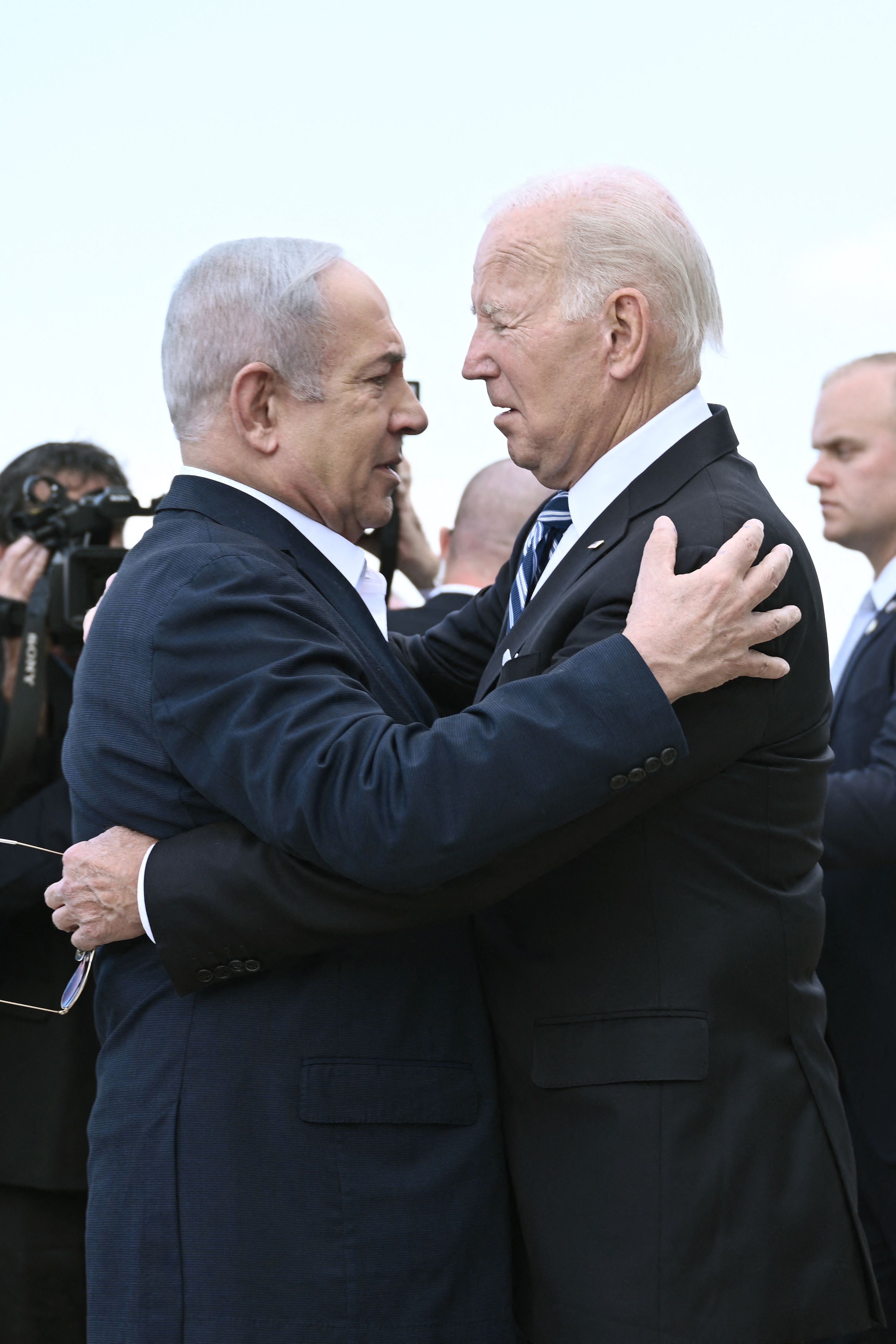
President Biden landed in Tel Aviv today to show solidarity with Israel in its war with Hamas, and to try to prevent the war from spreading.
- But the Middle East is already bubbling over with rage — and the war's shockwaves are increasingly tough to contain, Axios' Barak Ravid reports.
Why it matters: The past 24 hours feel like a turning point in a war where signs of escalation and rising tension are everywhere.
A deadly missile blast yesterday at a hospital in Gaza killed hundreds of Palestinians, Gaza officials said — and inspired protests throughout the Arab world.
- Hamas blamed Israel for the strike. Israel said it had evidence that another group, Palestinian Islamic Jihad, fired the missile.
Crucial context: Most Palestinians aren't members of Hamas, which controls the Gaza government.
🔭 Zoom out: Anger swept through the Arab world as images of those killed or wounded at the hospital hit TV and social media, complicating Biden's push for diplomacy.
- Reports in Arab media that cast the explosion as a massacre by Israel drove thousands of protesters to the streets of Ramallah, in the occupied West Bank.
- The protesters clashed with the Palestinian Authority's security forces and called for the resignation of Palestinian President Mahmoud Abbas.
- Abbas canceled his participation in a summit with Biden and the leaders of Egypt and Jordan that had been planned for this evening in Jordan — and was an in-person opportunity for Biden to press Arab leaders to contain the conflict.
- Biden now won't go to Jordan and will fly straight back to Washington from Israel.
What we're watching: Netanyahu's government and the Israeli military pushed hard against the Hamas accusations, and claimed to have evidence that a failed rocket launch by the Palestinian Islamic Jihad led to the explosion.
- The Israeli military said its initial investigation found there were no Israeli airstrikes in the area in the hour before the explosion.
An Israel Defense Forces spokesman claimed Israel has recordings of intercepted communications between Islamic Jihad militants that prove the organization was responsible.
2. Biden: It "appears" Israel didn't bomb hospital
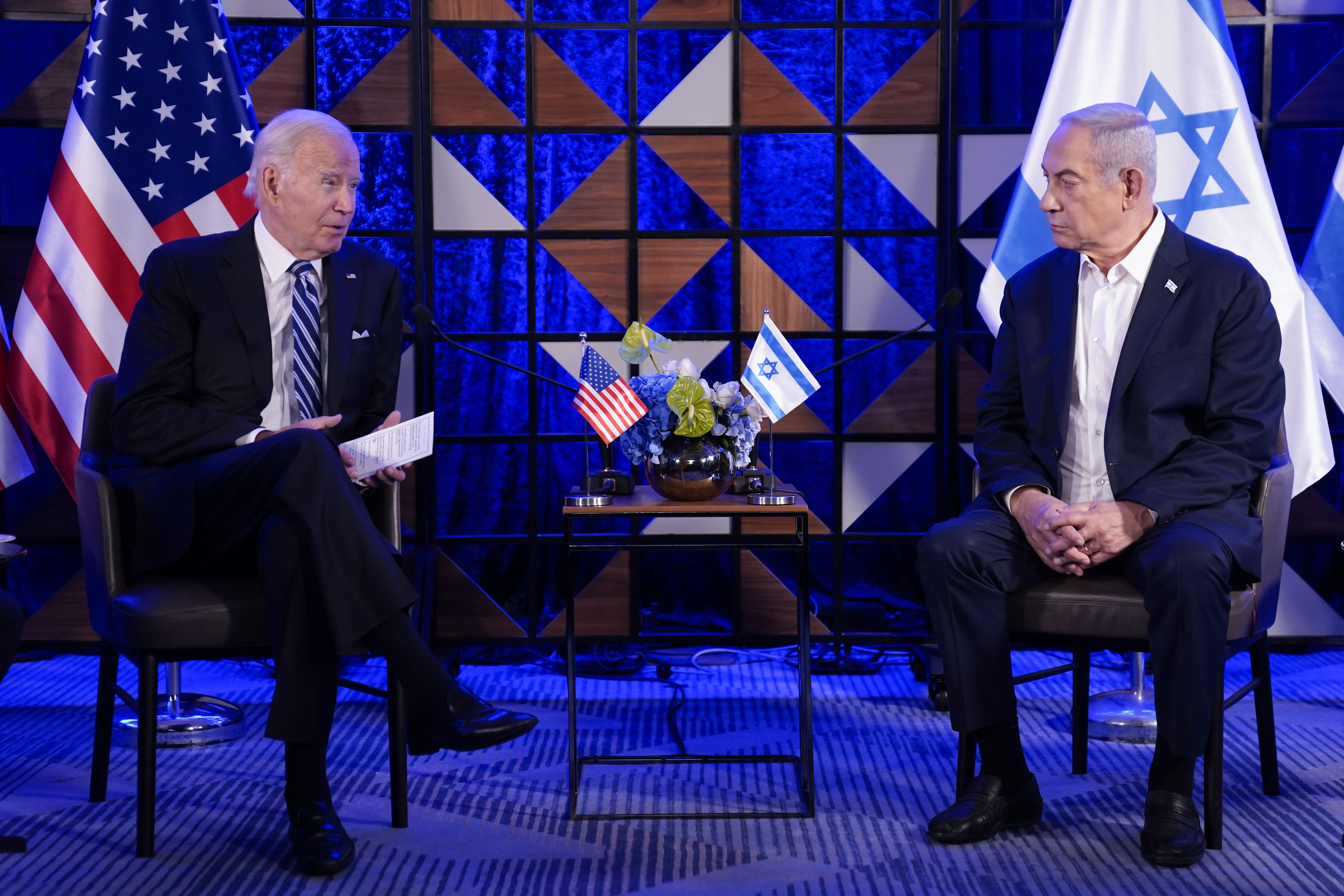
President Biden, in remarks just after landing in Israel, said "it appears" Israel was not responsible for the blast at a hospital in Gaza that the Hamas-controlled health ministry says killed hundreds of Palestinians.
- "Based on what I've seen, it appears as though it was done by the other team — not you. But there's a lot of people out there, not sure," Biden said.
Why it matters: The explosion at the hospital set off a furious response — including large protests in Jordan, Lebanon and elsewhere in the hours before Biden's arrival in the region.
- Palestinian officials said the Israeli military was behind the explosion, an attribution that was picked up by media across the region and around the world, including Axios.
3. 🏛️ Speaker (pro tem) McHenry?
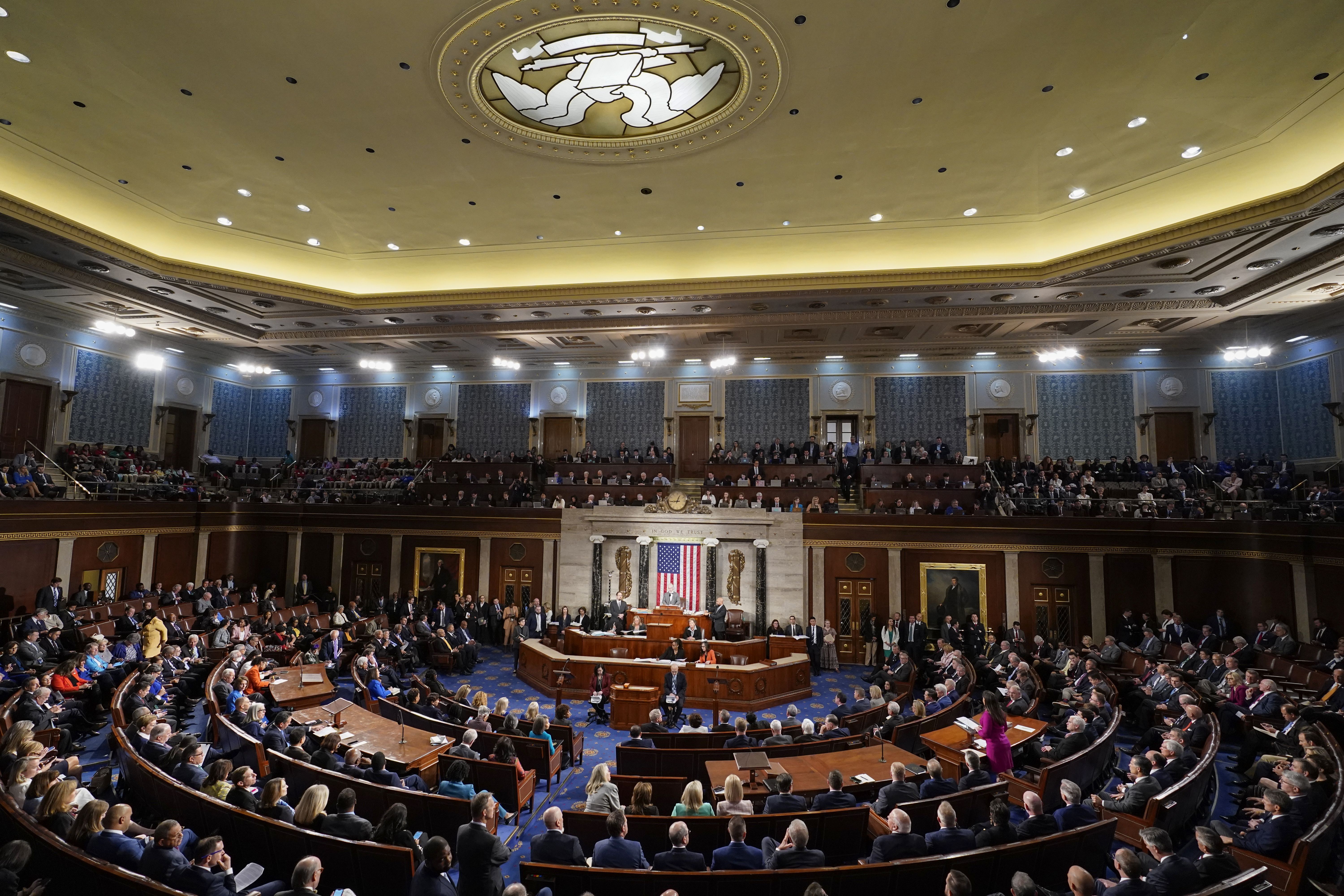
The Republican race for speaker has grown so wild, so uncertain, so contentious, the House just might settle for a de facto, short-term speaker in Rep. Patrick McHenry.
- Why it matters: Rep. Jim Jordan (R-Ohio) looks like the latest dead man walking through a speaker race that seems unwinnable. He got 200 votes, with 217 needed. Sources tell us his chances are dim.
The latest hot solution: Make Rep. Patrick McHenry (R-N.C.), 47, currently the chair-warming speaker pro tempore, a temporary speaker. He'd have basically the same power as a real-deal elected speaker but need Democratic votes to hold the gig temporarily.
- McHenry got two ironic endorsements late yesterday: former GOP speakers Newt Gingrich and John Boehner. Both were run out of office — just like Rep. Kevin McCarthy was a few weeks ago.
🔎 Between the lines: Punchbowl News notes that there's "essentially no difference between a speaker and a speaker pro tem":
"There is a question whether a speaker pro tem would be in the presidential line of succession. There are also questions about whether he could take part in other speaker functions that have evolved over the years — Gang of Eight intelligence briefings, for instance."
4. 🇨🇳 China pulls Putin closer

Russian President Vladimir Putin lauded China's Belt and Road Initiative during his visit to Beijing, where leaders from more than 130 countries are gathering for the largest international forum China has hosted since before the pandemic, Axios' Bethany Allen-Ebrahimian reports.
- Why it matters: The Belt and Road Forum shows the convening power Xi Jinping has built in the decade since he launched his signature foreign policy initiative — and the challenge China now poses as Xi envisions China as a rival global power to the U.S.
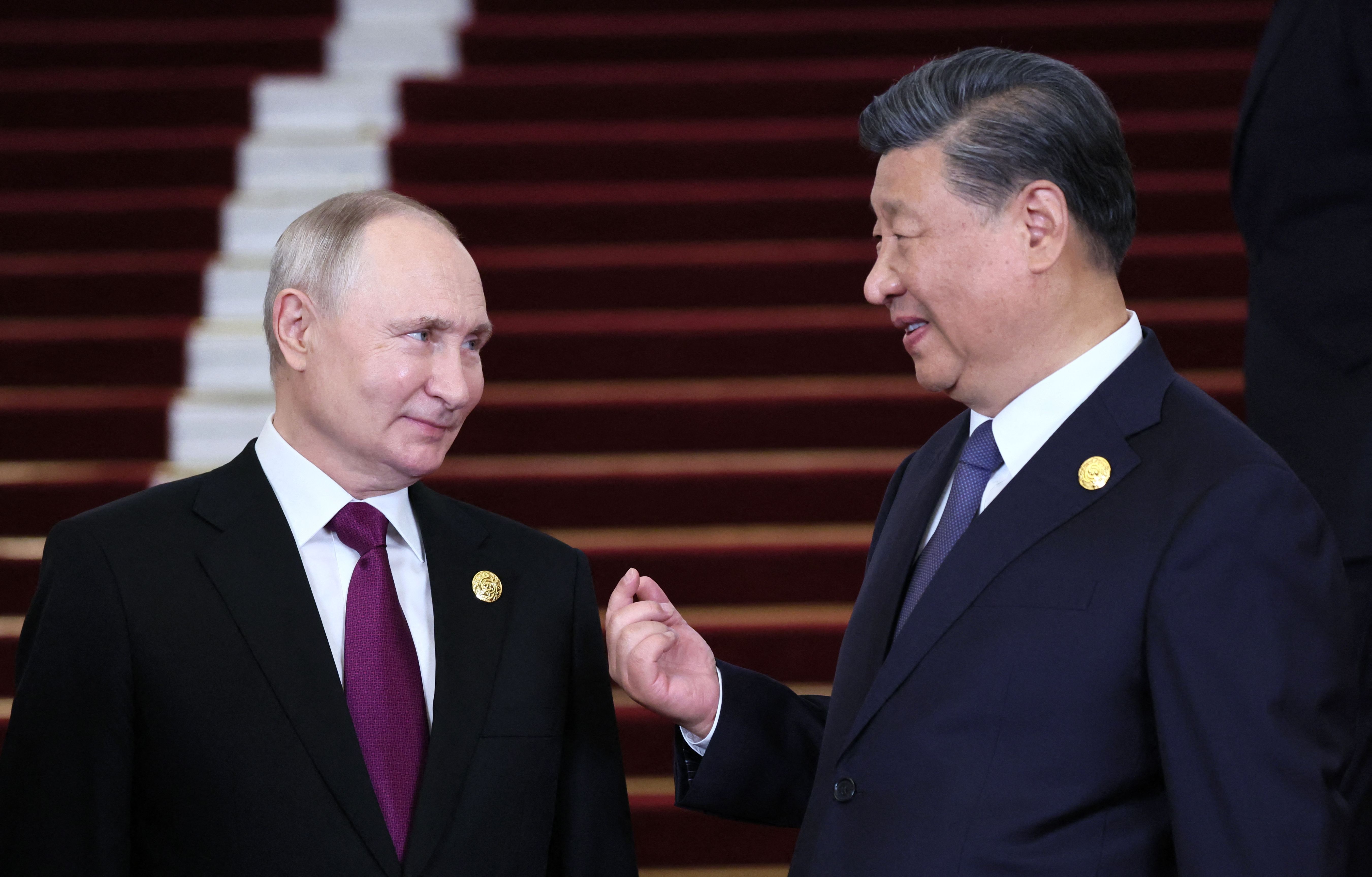
🔎 Between the lines: Putin echoed Beijing's talking points about Belt and Road.
🖼️ The big picture: Trade between China and Russia has risen dramatically over the past year, and is expected to reach $200 billion by the end of the year, according to Russian projections.
- "For Russia, it's very important to substitute the lost markets in the West," Yurii Poita, head of the Asia-Pacific section at Ukraine's Center for Army, Conversion and Disarmament Studies, told Axios.
- "It's very important to keep its economy afloat, especially ... to fuel the war."
5. Anti-Jewish, anti-LGBTQ hate crimes spike
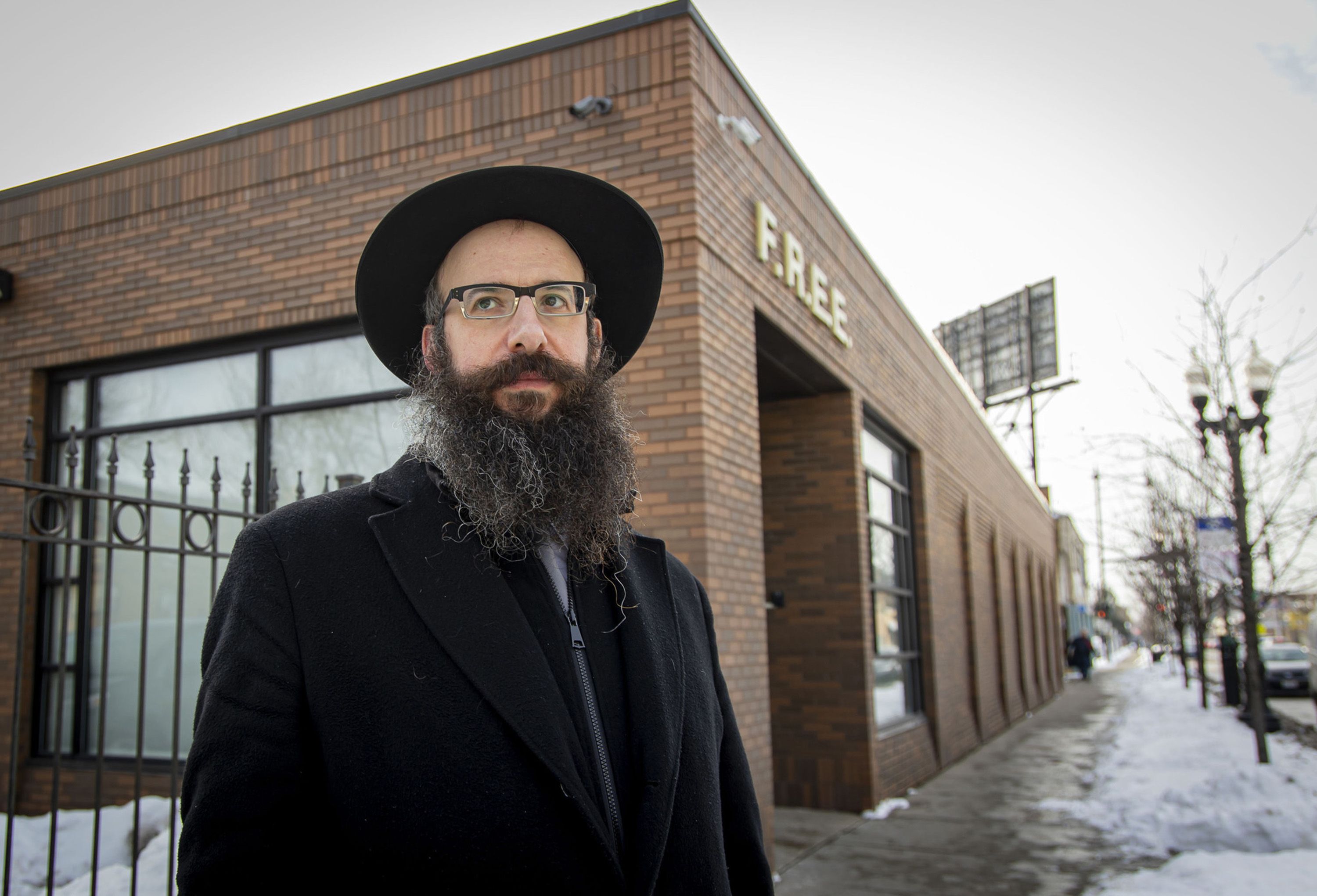
Anti-Jewish and anti-LGBTQ bias crimes jumped in 2022 amid an overall increase in hate crimes, Axios' Russell Contreras writes from new FBI data.
🧮 By the numbers: An Axios analysis of FBI data out this week found that anti-Jewish hate crimes jumped 36% in 2022 from the previous year.
- Anti-LGBTQ bias crimes rose 19% in a year, and anti-gay hate crimes involving just gay men increased 13%.
- Anti-Latino hate crimes went up 6%, and anti-Black bias crimes edged up 4%.
- Anti-Asian hate crimes fell dramatically — by 34% — as fears over the pandemic subsided.
6. 🎓 Universities struggle with war responses

Illustration: Aïda Amer/Axios
7. Insurance costs jump
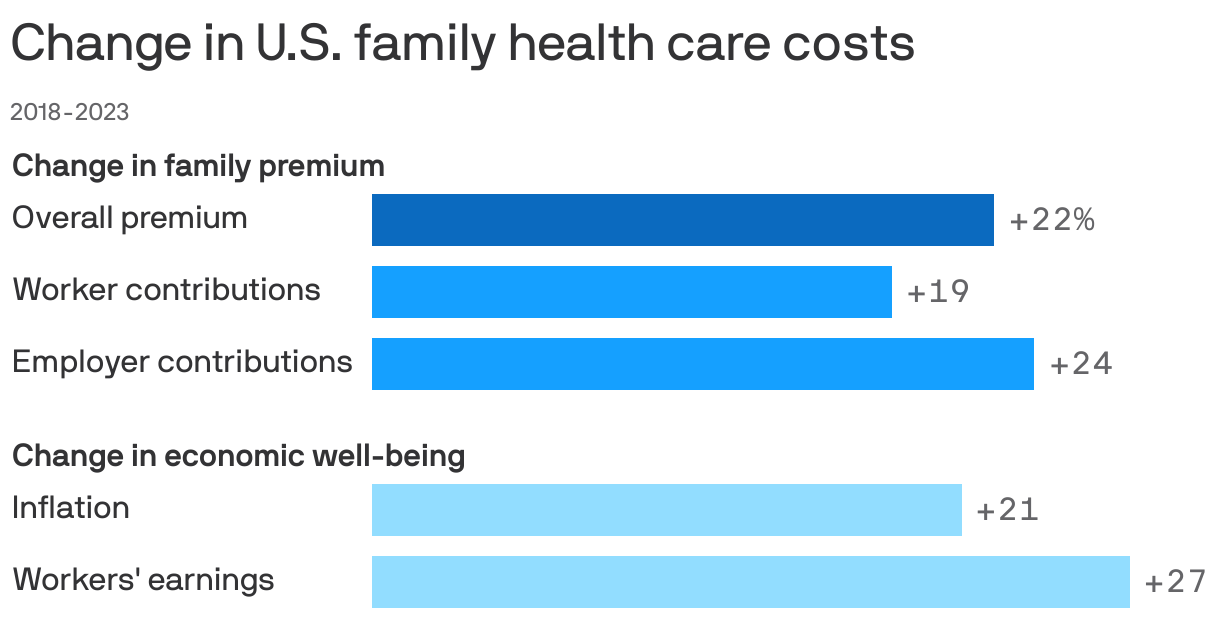
The average cost of workplace health insurance premiums for family coverage reached nearly $24,000 this year, jumping 7% from 2022, according to an annual Kaiser Family Foundation survey of employer-sponsored coverage.
- Why it matters: After a few years of largely flat growth, inflation appears to be driving a steady uptick in health care costs. Employers, with a tight labor market, are trying to limit how much they pass on to workers, Axios' Tina Reed reports.
8. 🍽️ Restaurants serve up AI
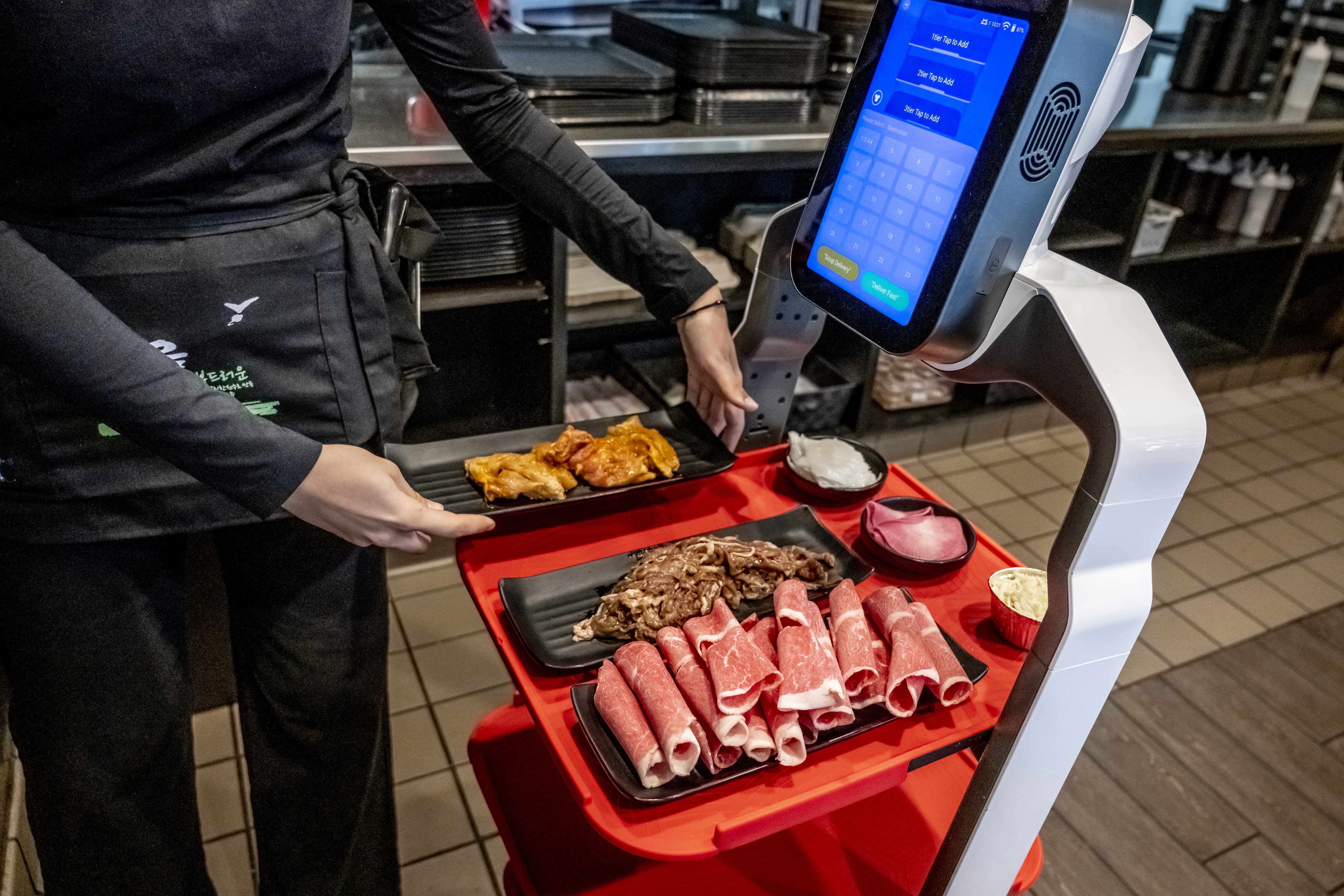
Wendy's, IHOP, Chipotle, Sweetgreen and other quick-serve restaurant chains are rapidly adding AI to their front- and back-of-house operations, Jennifer A. Kingson writes for Axios What's Next.
- Robot servers and bartenders interact with customers.
- Kitchen robots shoot kale into salads, fry tortilla chips and cook burgers.
What's happening: Wendy's teamed with Google Cloud to introduce voice automation at the drive-thru.
- IHOP also is working with Google Cloud, offering personalized recommendations to people who order online. (How about some hash browns with those blueberry pancakes? Bacon?)
- Chipotle is testing an automated system from a company called Hyphen that uses "intelligent dispensers" to plop toppings on bowls or salads ordered via an app.
- Sweetgreen acquired Spyce, a robotic food-prep company, and is using its technology to speed up service by preparing salads faster, as the Wall Street Journal reports.
Axios AM

Catch up with the most important news of the day