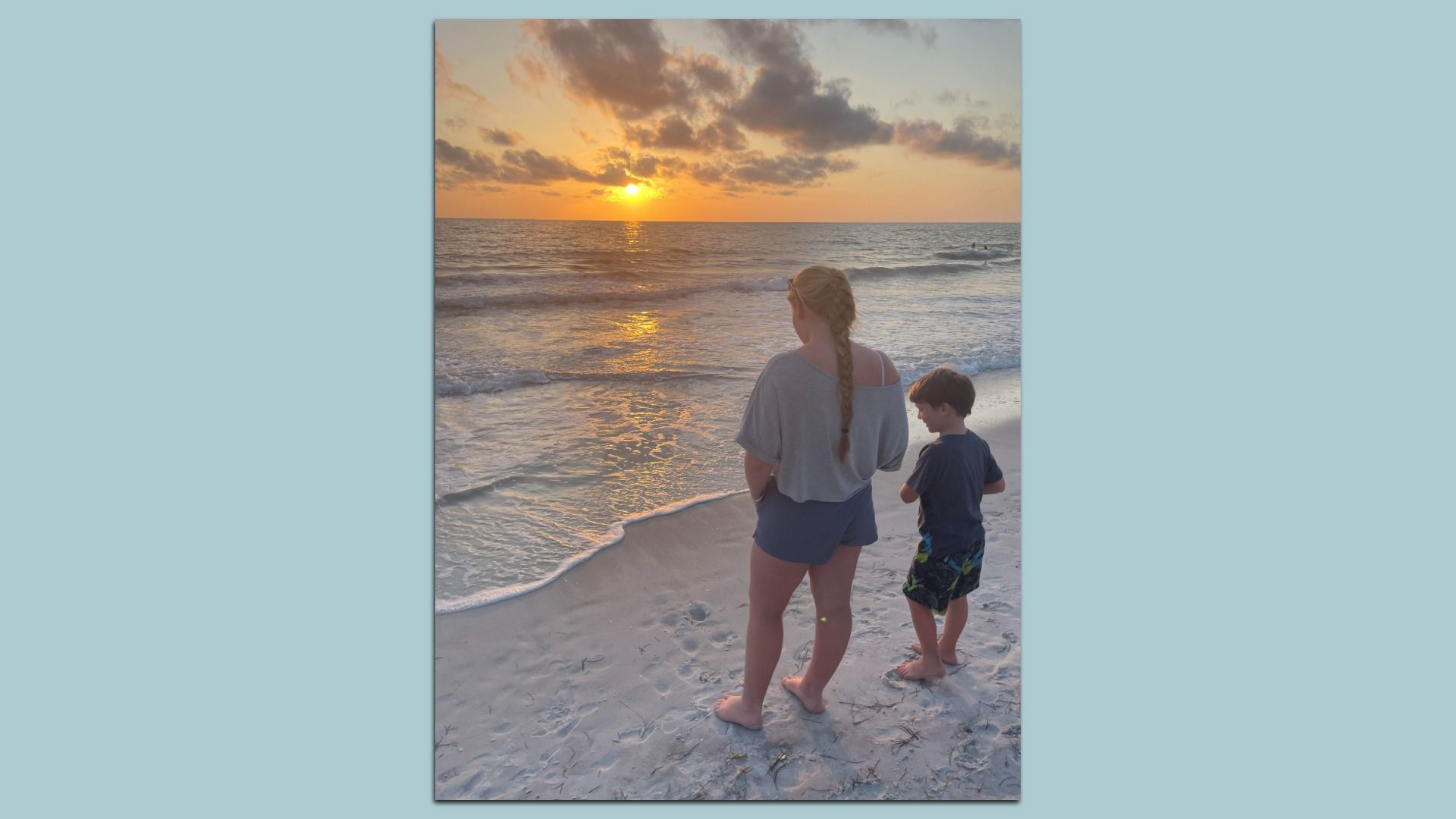
Inside the battle for Pinellas County's eroding beaches

Add Axios as your preferred source to
see more of our stories on Google.
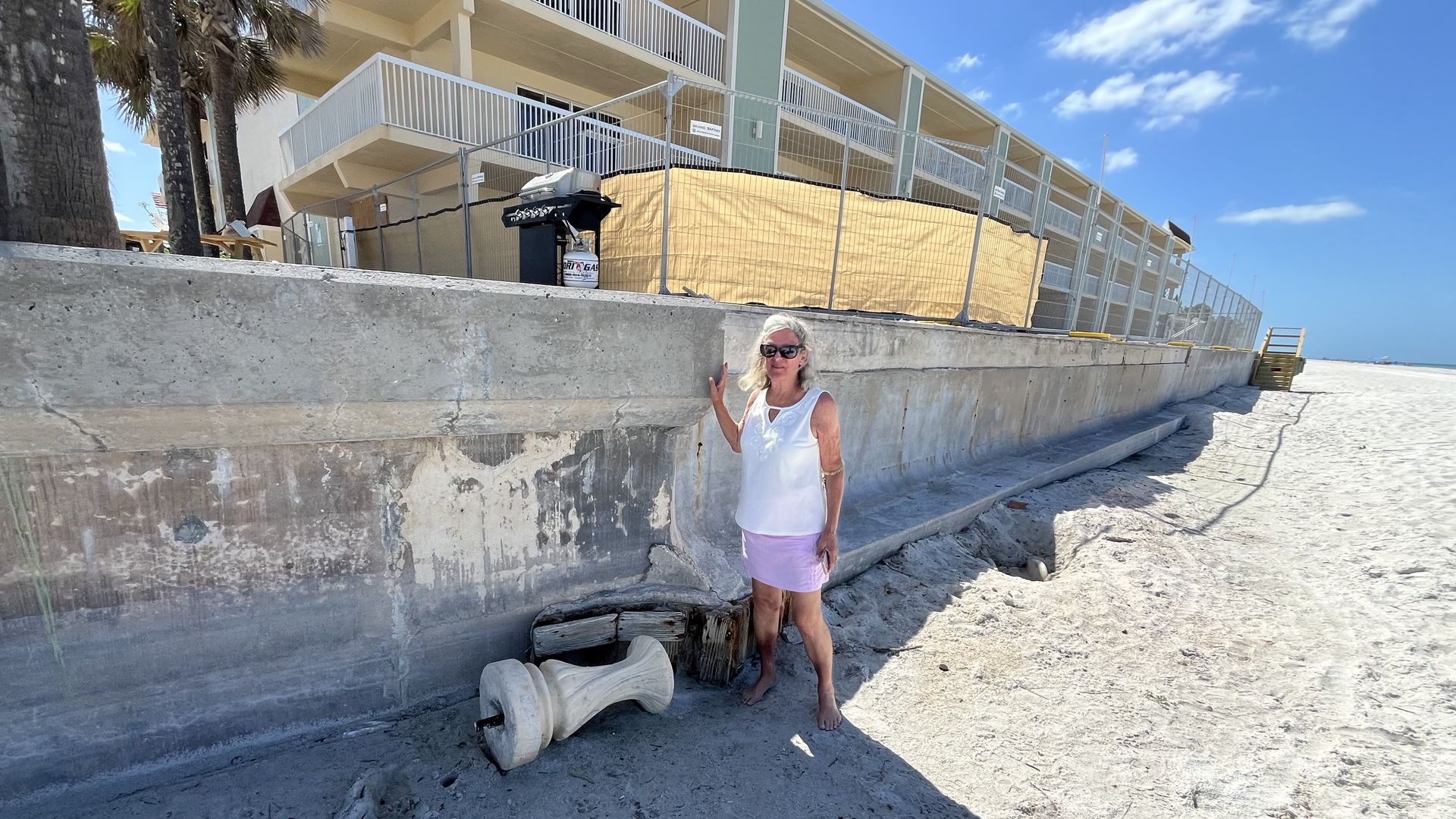
Catherine Smith stands beside the exposed seawall behind her condo building on Indian Rocks Beach. Photo: Kathryn Varn/Axios
Catherine Smith's pitch to her neighbors always includes her grandchildren.
- Each spring break, they trade in chilly New Hampshire for the white sand and turquoise water of Indian Rocks Beach, where Smith and her husband have owned a condo for 21 years.
- "We always hoped this would be our forever hangout," Smith told Axios.
Yes, but: That dream has felt imperiled over the last few months, as Smith has sent letters and knocked on doors trying to convince her neighbors to cooperate with county officials undertaking a massive beach restoration effort.
- As a key deadline neared, one property just steps away stood between Smith's narrowing sliver of beach and the help it desperately needed.
Why it matters: Similar tensions are playing out up and down Pinellas County's barrier islands as county officials gear up for long-overdue beach nourishment, the process of piping in sand to bolster the shoreline every five or so years.
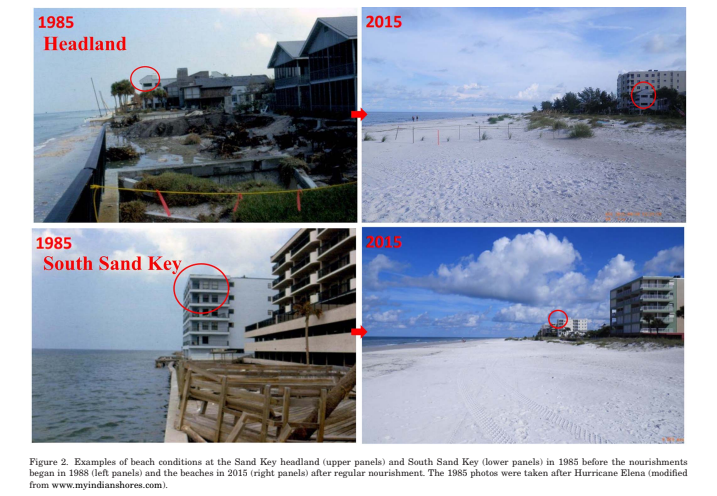
- A wide beach and healthy dune system strengthen shorelines as a first line of defense, but two years of punishing storms have left the beaches critically eroded — just as another hurricane season is about to begin.
What they're saying: "We don't have any margin of error," said University of South Florida Coastal Research Lab director Ping Wang, who has studied Florida's Gulf beaches for decades.
- "Nourishment is the only successful solution we have for beaches like this."
Friction point: At issue is a legal document called an easement that grants certain parties access to private property for a specific purpose.
How it works: Beach access is governed by an erosion control line set by the state. From that line to the water's edge is public beach. Toward land, it's private property.
- To provide the greatest level of protection to beach communities, the county needs access to the full beach, public works director Kelli Hammer Levy said.
- County officials are seeking construction easements, which grant contractors access to private land, specifically for nourishment and erosion control measures.
Between the lines: That's narrower in scope than easements mandated by the Army Corps of Engineers, which until recently handled the bulk of the cost and work that went into Pinellas' beach nourishment projects.
- In recent years, the Corps began requiring owners to sign wide-ranging easements that grant public access to and use of their land in perpetuity — and they mandated 100% participation.
- Beachfront owners already struggling to maintain privacy interpreted the requirement as a free-for-all for beachgoers to come onto their land.
- Nourishment stalled, and Pinellas officials decided to move forward with their own project while continuing to pressure the Corps for flexibility.
State of play: The county's easement doesn't request public access. And while nourishment works best when it's contiguous, officials are moving forward with the project whether they have 100% buy-in or not.
- Where they have enough easements to access about 1,500 feet of beach, they'll nourish, Hammer Levy said. They'll skip areas where they don't have enough, even if there are homeowners who have signed and desperately want sand.
- The largest project area, on Sand Key from Clearwater south to Redington Beach, consists of 461 easements.
The big picture: County officials embarked on a public education campaign, holding meetings, webinars and easement-signing events. They tried with little success to track down the humans behind corporate-owned investment properties.
- They published an interactive map showing which properties had and hadn't signed and encouraged residents to talk to their neighbors.
Zoom in: Smith estimates she mailed 50 letters and hand-delivered 100 more to her neighbors in Indian Rocks Beach. She knocked on doors and spoke to whoever would listen.
- Still, a holdout condo building a few doors down risked her building's participation in the project. She worries her neighbors don't understand the stakes.
- "Imagine you're on a sinking ship, and the water is coming up slowly, and then a guy comes by and gives you a rope," she said. "You better take the rope."
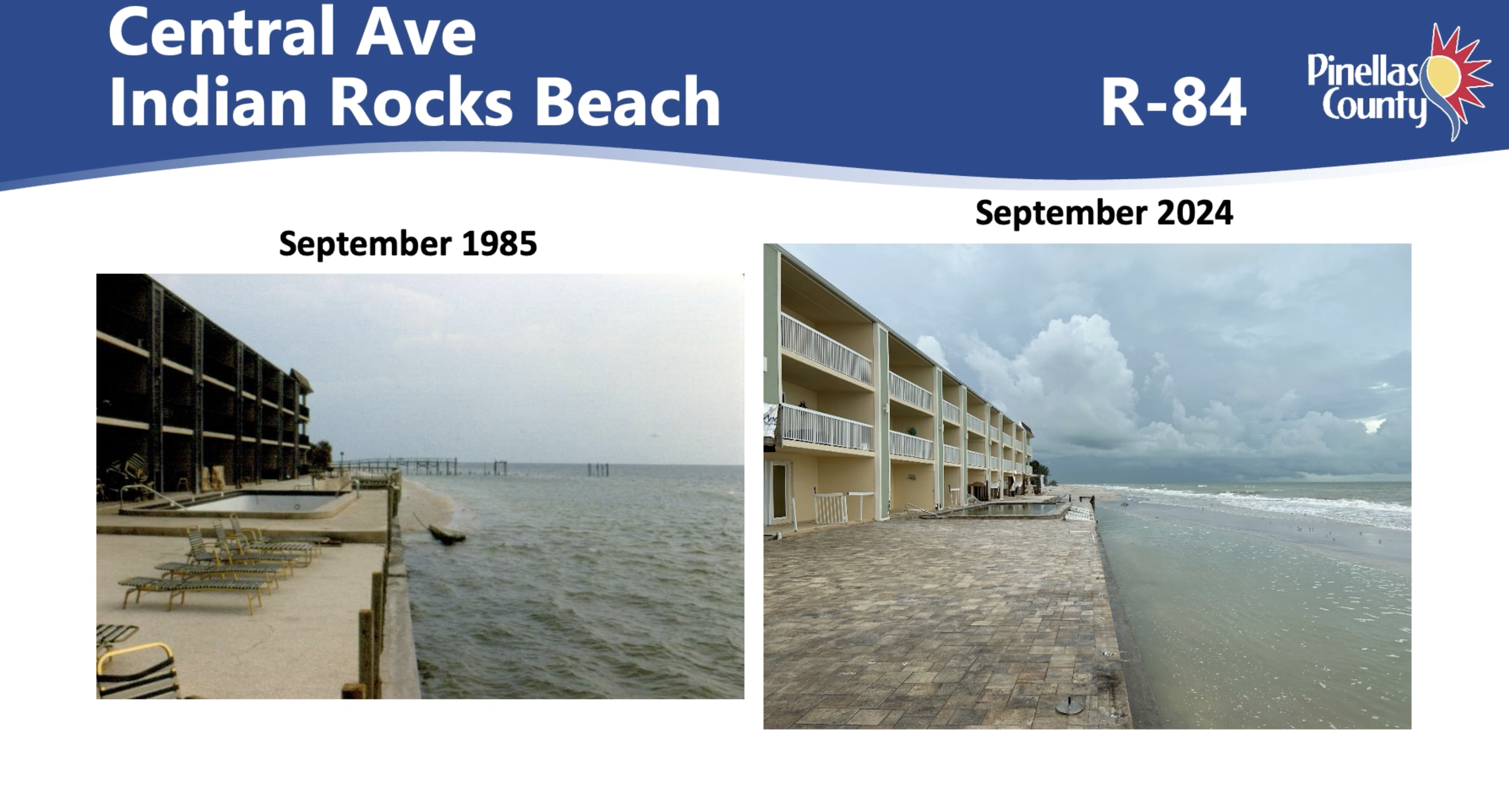
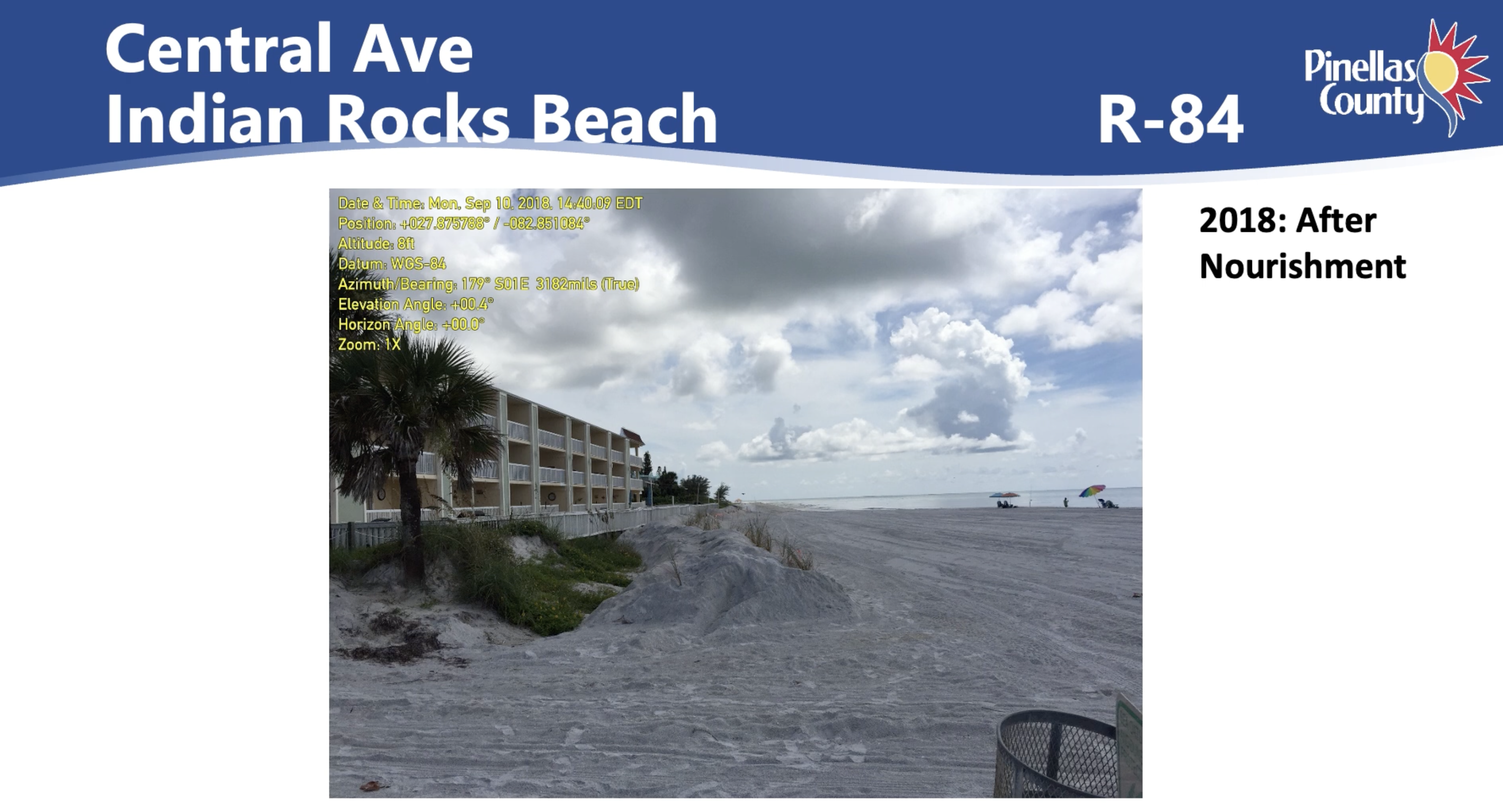
The other side: Pushback has ranged from residents who are too overwhelmed by rebuilding from last year's hurricane season to folks who worry the new sand could end up in their houses again, as happened in many beach communities with Helene, Hammer Levy said.
- For residents like Indian Rocks Beach homeowner Nancy Izor-Obarski, the need for more sand is clear, but the county's easement still goes too far.
- It's perpetual, meaning it has no set end date, which Hammer Levy said would allow the county to perform future nourishment without having to collect easements each time.
- "I don't know what the answers are, but I can tell you the county's made a mess out of this from the beginning," Izor-Obarski said, adding that she thinks they should have done more sooner to hold the Corps accountable.
The latest: As of this week, the county had collected 321 of the 461 Sand Key easements, or about 70%. Gaps remain in Indian Rocks, Indian Shores and Redington Shores.
What's next: The county will accept easements until officials pick a contractor to carry out the project. It's out to bid now, with responses due this week.
- The next opportunity for nourishment is 2030-31, Hammer Levy said. "That is a lot of hurricane seasons and winter fronts to get through without protection."
For Smith, at least, some good news arrived last week: Representatives from the holdout property near her condo signed an easement.
- She's relieved for herself, she said, but even more for her grandchildren.