Back-scratching services take off in Seattle area and the U.S.


Add Axios as your preferred source to
see more of our stories on Google.
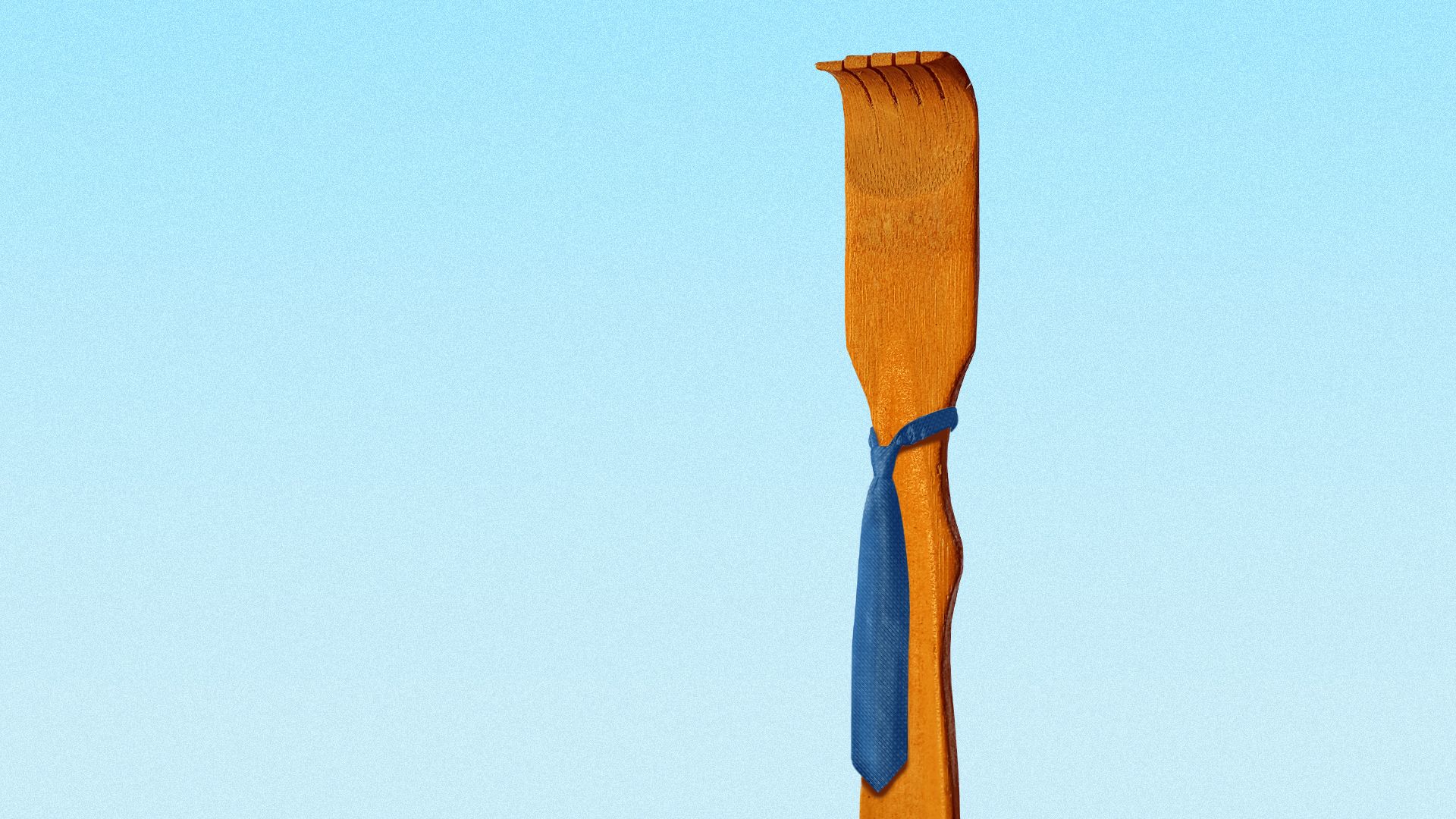
Illustration: Aïda Amer/Axios
Professional back scratching is now a thing.
Why it matters: What was once a private gesture between romantic partners or between parents and children is becoming a paid service — a sign of how many Americans are seeking human touch and connection amid growing loneliness and isolation.
Catch up quick: Viral TikTok and YouTube videos helped the niche take off.
- Now, similar services are popping up from Seattle to New Jersey to Los Angeles.
How it works: Typically, scratch therapy involves people using long nails to trace and scratch others' backs, scalps, arms and legs.
- In Seattle, you can get a 35-minute head and back scratching session for $60 at Symmetry Spa in Bitter Lake.
- At Luxe Scratch Lounge, a new scratch therapy spa in Oak Harbor owner Kerstin Rodriguez offers 15-minute sessions for $30, in addition to longer bookings.
What they're saying: The goal is to "help people relax and unwind and do it (in) a way that everybody could afford it," Rodriguez told the Whidbey-News Times.
- "It's not physical therapy. It's not medical at all," Rodriguez told the news outlet. "It's all sensation."
Yes, but: Some scratchers claim their work releases mood-boosting neurotransmitters, but "there's no research" that proves scratching's health benefits, according to Tiffany Field, professor and director of the Touch Research Institute at the University of Miami School of Medicine.
- And unlike massage therapists, scratchers aren't required to be certified.
Between the lines: Field's data shows that moderate-pressure massage can lead to lower cortisol, more serotonin, slower heart rate and better sleep.
- Light-pressure massage didn't have the same effects.
"I wouldn't say it doesn't work," Fields tells Axios.
- "Psychologically," Field says, it could be "very relaxing, because it's reminiscent of an early childhood pleasurable experience."
The bottom line: Back scratching may lack scientific proof, but it's tapping into real demand for intimacy in a touch-starved society.