A 10-year cosmic time-lapse has begun

Add Axios as your preferred source to
see more of our stories on Google.
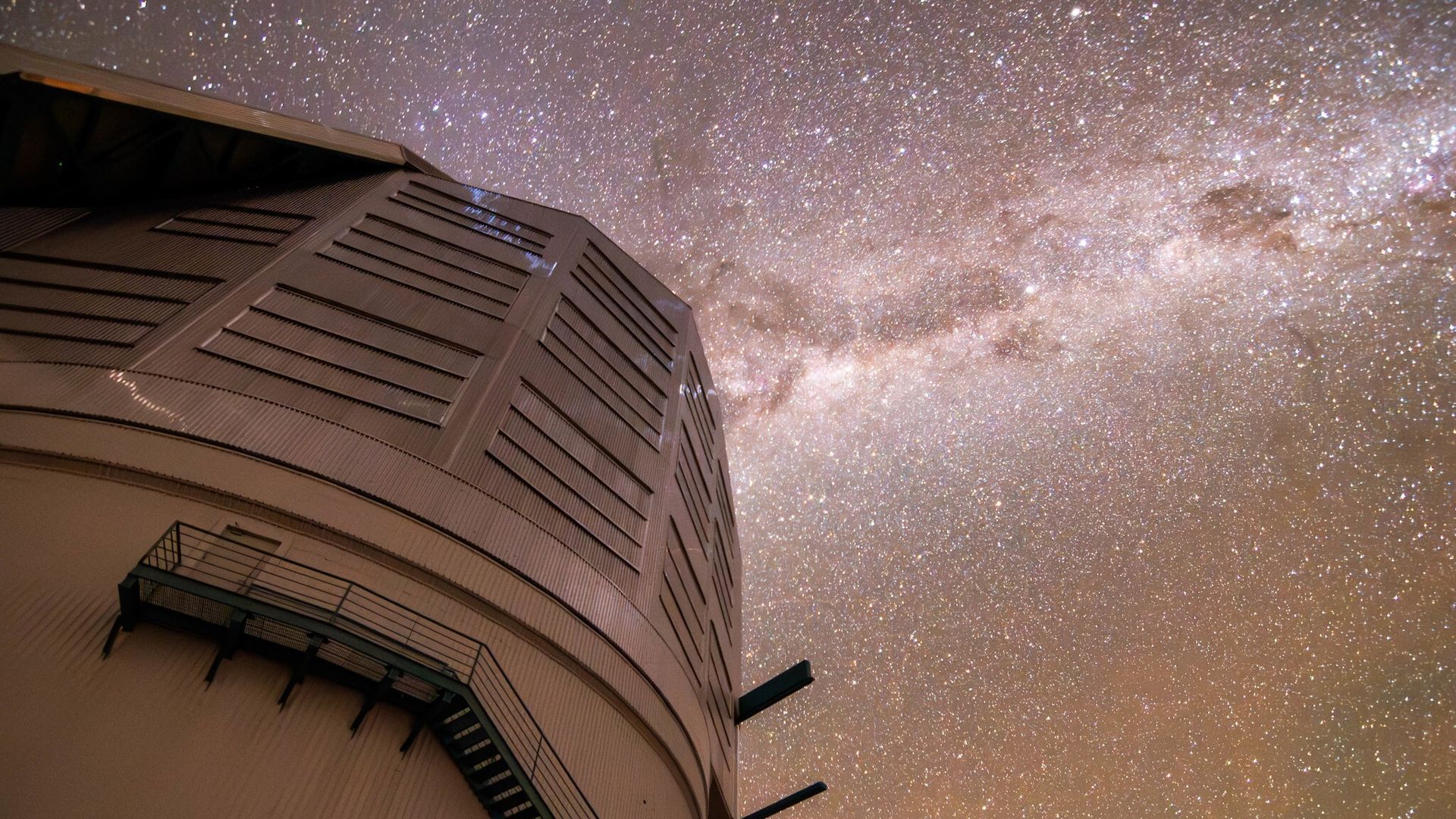
Surveying the stars. Photo: Observatorio Vera C. Rubin/Anadolu via Getty Images
A decade-long mission to capture the universe in cinematic motion has begun with University of Washington astronomers helping lead the way.
Why it matters: The project could transform our understanding of the universe by helping astronomers inventory the solar system, map the Milky Way and explore dark matter and dark energy.
Driving the news: The Vera C. Rubin Observatory in Chile began its Legacy Survey of Space and Time this summer, photographing the southern sky every few nights for the next decade.
- The Simonyi Survey Telescope's 3,200-megapixel camera — the world's largest digital camera — takes about 1,000 new images a night.
Zoom in: A team of about two dozen UW researchers and software developers spent a decade building the observatory's alert system, which detects changes in the night sky and alerts the world to what it found in minutes.
- Led by UW astronomy researcher Eric Bellm, the system compares new images with earlier views of the same patch of sky, flagging everything from moving asteroids to brightening stars.
- The alerts are public, allowing professional researchers, students and citizen scientists alike to explore them.
- UW astronomy professor Željko Ivezić, who has worked on the project since its early days more than two decades ago, now heads the survey.
Stunning stat: In just six weeks of observations, more than 11,000 previously unknown asteroids have been discovered, including 33 near-Earth objects and 380 objects beyond Neptune, according to UW researchers.
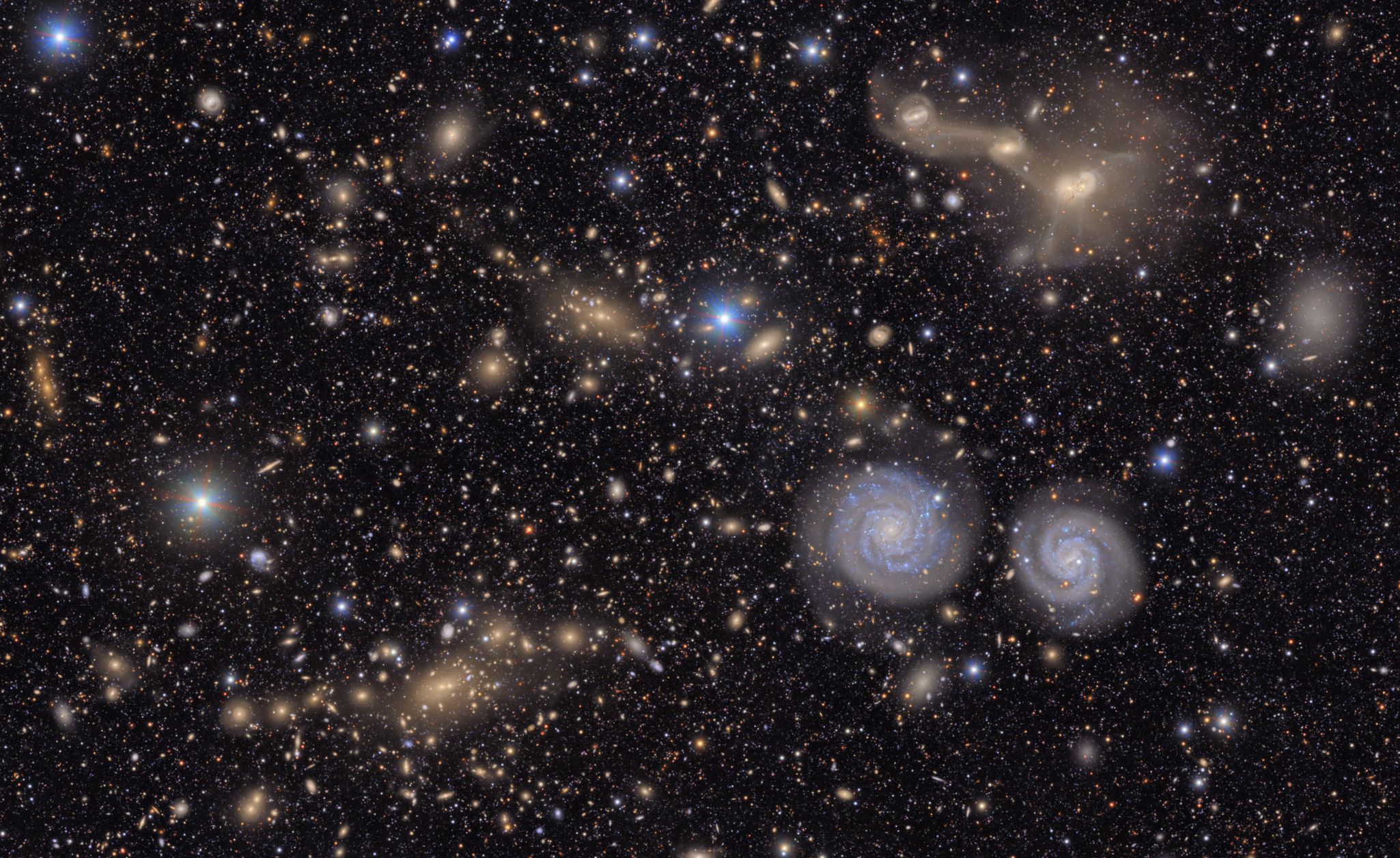
What they're saying: "Rubin will survey the sky at an unprecedented scale and allow us to find the most rare and unusual objects in the universe," Bellm has said.
- "It is amazing and humbling to be here at this time and place," Rubin Observatory director Bob Blum said of the survey's launch.
The big picture: The survey is expected to image more objects than all other optical observatories combined in human history in its first year alone.
- Over the decade, it will return to each point in the sky about 800 times, giving astronomers a chance to catch phenomena that unfold slowly or unpredictably — from pulsating stars and supernovas to things never before seen, per UW News.
What's next: The survey is expected to discover nearly 90,000 new near-Earth objects over its run, giving astronomers a much more complete picture of what's moving through our cosmic neighborhood.