Seattle pollen season keeps getting worse

Add Axios as your preferred source to
see more of our stories on Google.
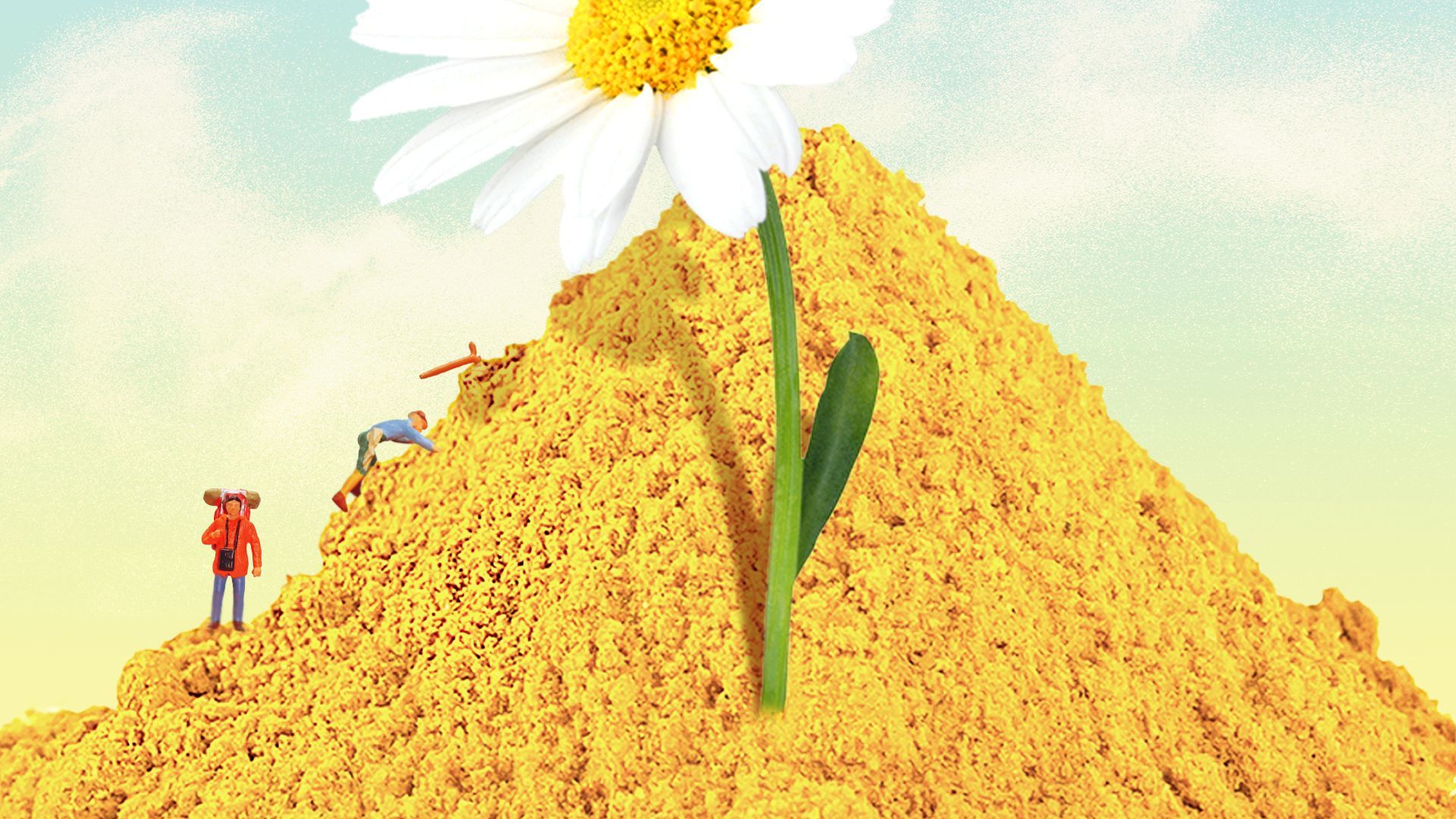
Illustration: Natalie Peeples/Axios
Seattleites heading into summer may want to stock up on tissues: A new allergy report found Western cities are climbing the rankings as pollen seasons grow longer and more intense.
Why it matters: Grass pollen is a major trigger for allergies, causing symptoms like sneezing, congestion and itchy eyes just as many people are spending more time outdoors.
The big picture: Cities in the Pacific Northwest have historically avoided the worst allergy rankings, which were often dominated by the Southeast, according to the 2026 report by the Asthma and Allergy Foundation of America.
- But several Washington metros — including Seattle and Spokane — climbed the rankings after experiencing pollen spikes and longer allergy seasons last year.
By the numbers: Seattle ranked No. 45 overall on the foundation's annual list of the most challenging places to live with allergies, up from 68th in last year's report.
- Spokane jumped from No. 82 last year to No. 9 this year.
- Boise was 95th and now it's No. 1.
Between the lines: Climate change is contributing to longer and more intense pollen seasons nationwide, researchers cited in the report say.
- They point to a combination of wetter winters, atmospheric rivers, warmer temperatures and drought conditions that can increase pollen production and extend allergy seasons.
What to know: The foundation recommends checking pollen forecasts before heading outdoors, keeping windows closed during peak pollen periods, showering after spending time outside and starting allergy medications before symptoms become severe.
The bottom line: If your allergies seem worse than usual, you're probably not imagining it.