Seattle's ghost signs preserve echoes of the past

Add Axios as your preferred source to
see more of our stories on Google.
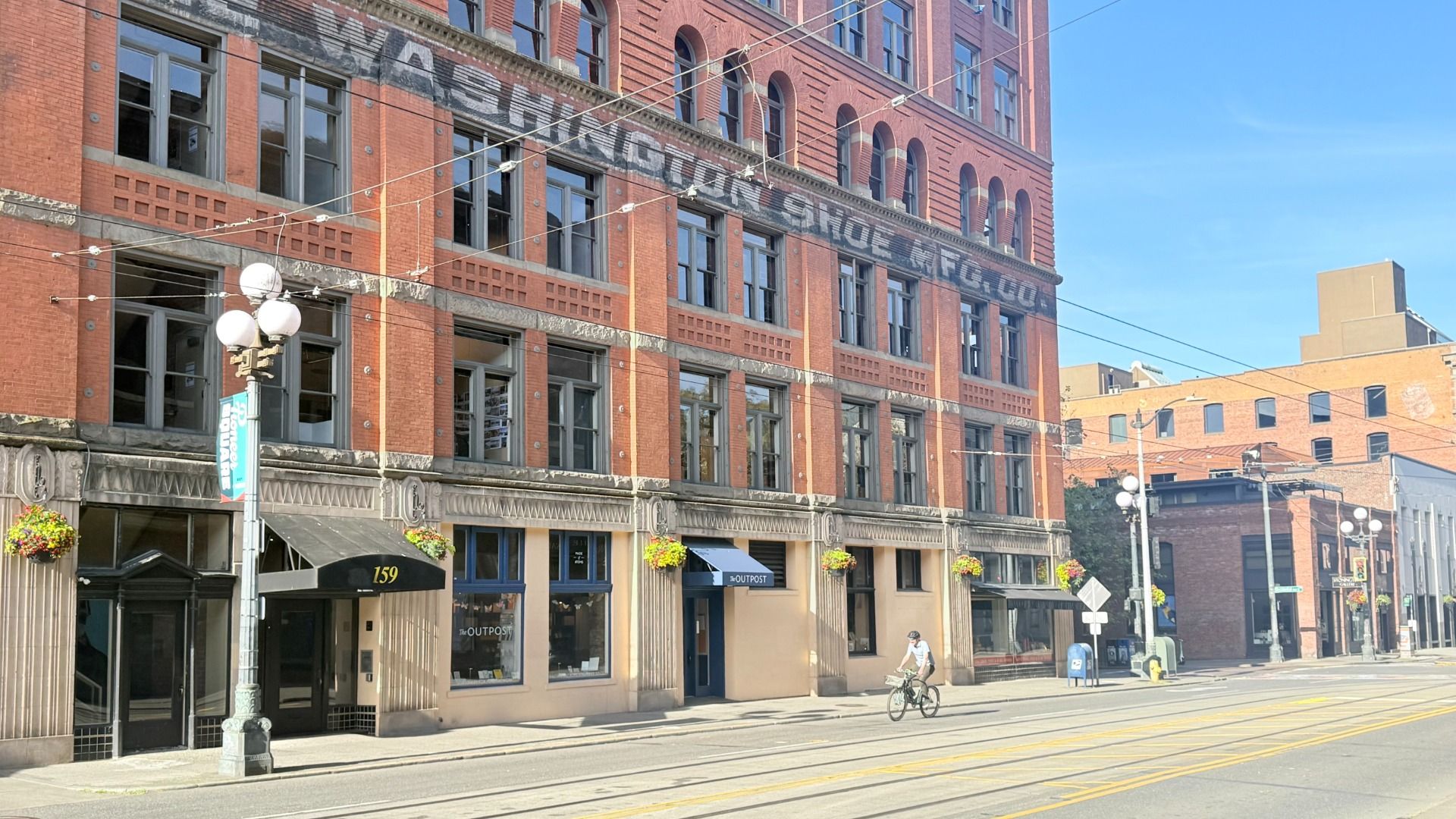
A fading sign for the Washington Shoe Manufacturing Co. is one of many ghost signs in Seattle's Pioneer Square. Photo: Melissa Santos/Axios
Along some of Seattle's oldest streets, you can still see painted advertisements from decades ago on the sides of buildings — some faded nearly beyond recognition. Seattle University professor emerita Marie Wong calls them ghost signs.
Why it matters: Many of these remnants of the early- and mid-20th century are in danger of being lost, Wong tells Axios — and Seattle has no policy specifically aimed at preserving them.
Catch up quick: In 2013, Wong led a group of Seattle University students on a project to document all the ghost signs in the Chinatown-International District and Pioneer Square.
- Her group found ghost signs on more than 50 buildings across the two neighborhoods, with some buildings bearing more than one.
What they're saying: The signs speak to modern buildings' past occupants, says Lisa Howard, executive director of the Alliance for Pioneer Square.
- "It reminds people there were people here before us and there was commerce here before the commerce of today," Howard tells Axios. "It gets people to look at the past in a way that they wouldn't if they didn't have that public reminder."
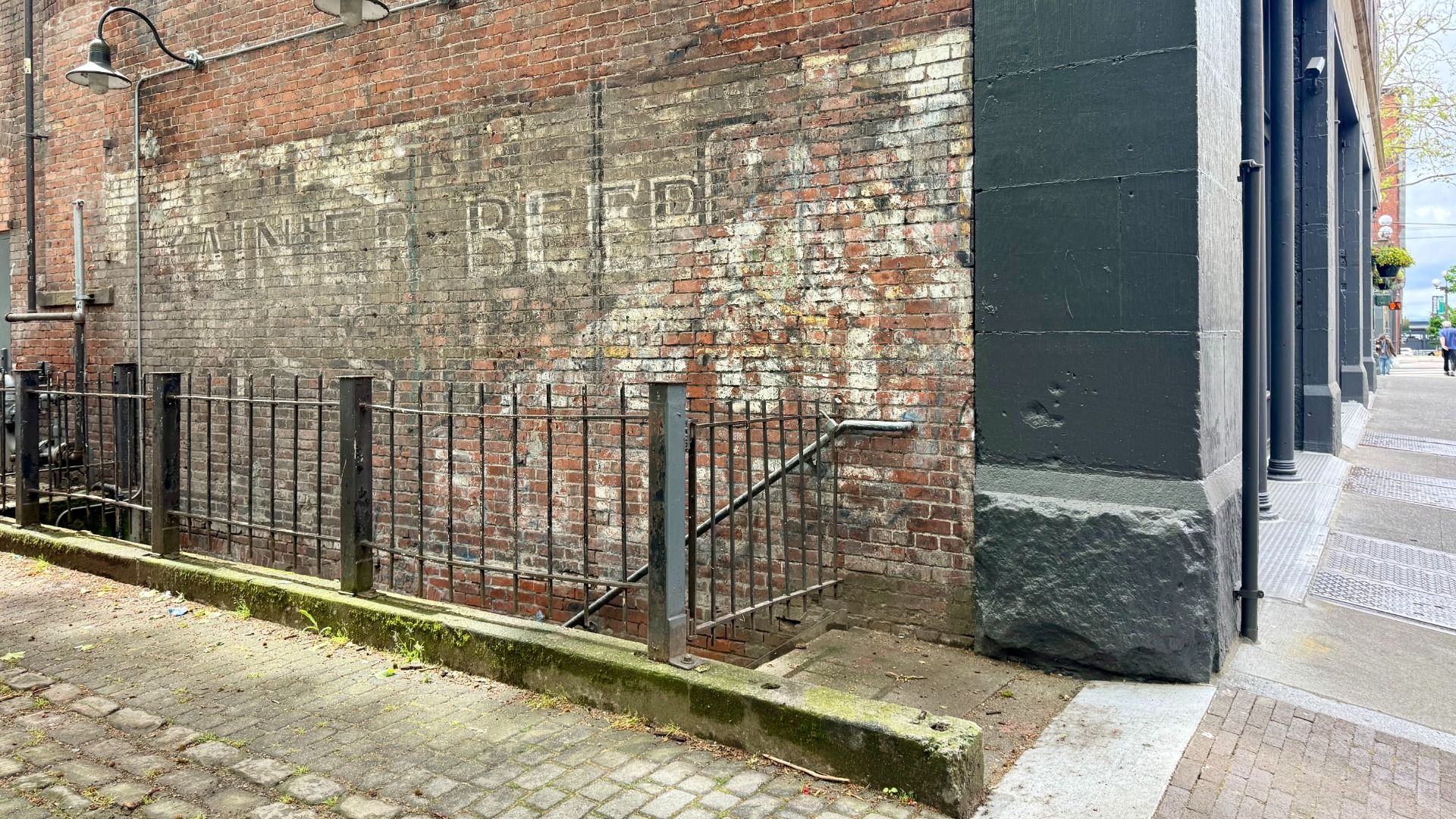
Zoom in: Seattle's ghost signs advertised everything from cigars to chewing gum to clothing. On the west side of Occidental Square, you can still see "Rainier Beer" painted in block letters on a brick wall.
- Around the corner, ghost signs advertise three businesses that once operated in the same building: Buttnick Manufacturing Co., Driftwood Sportswear, and Paul Bunyon Outerwear.
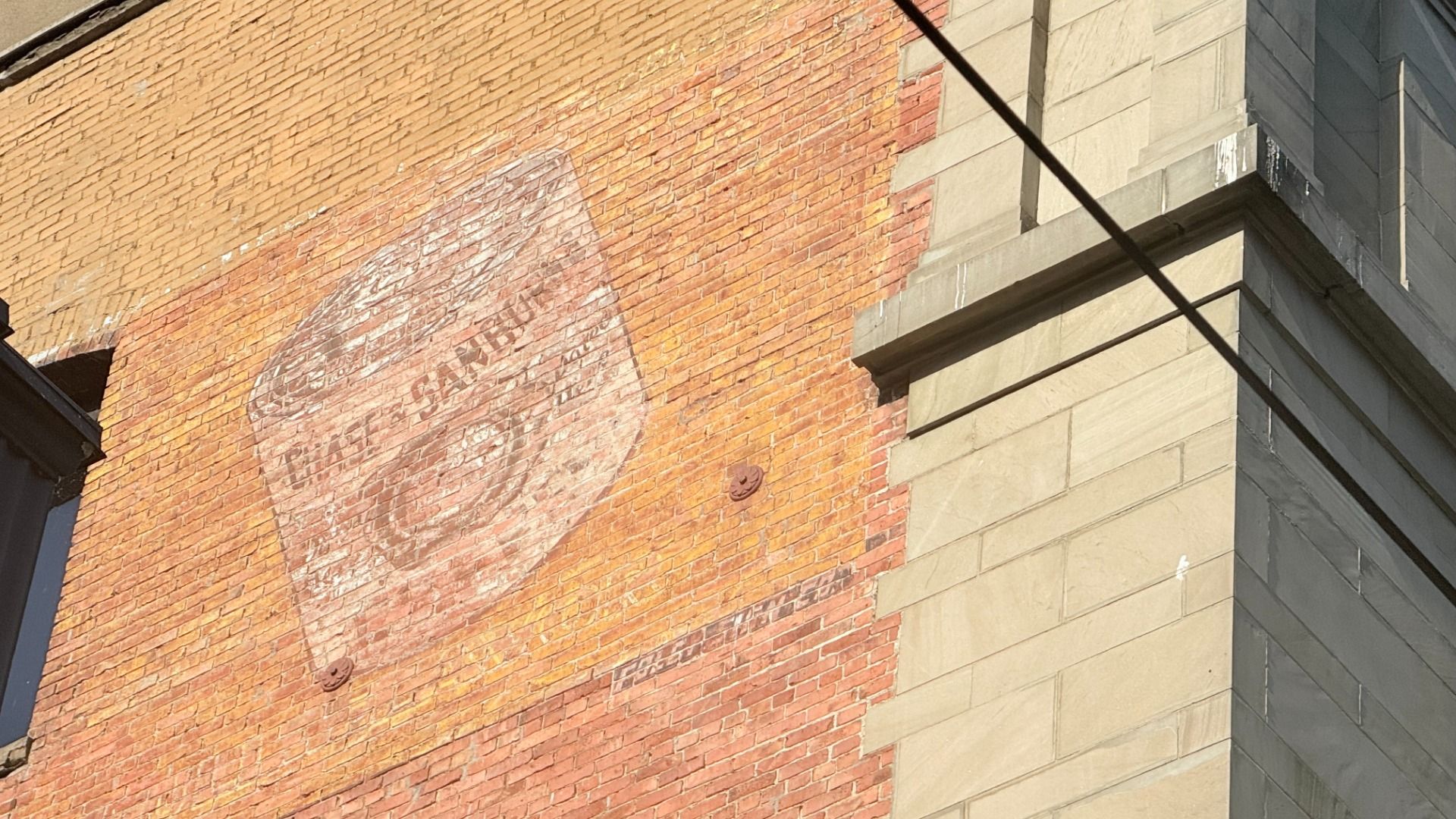
- Often, you have to look up. Near the streetcar stop on Occidental Avenue and South Jackson Street, a fading advertisement for Chase & Sanborn coffee still floats overhead, clinging to the alley side of a building. Wong's students dated the sign to the 1930s.
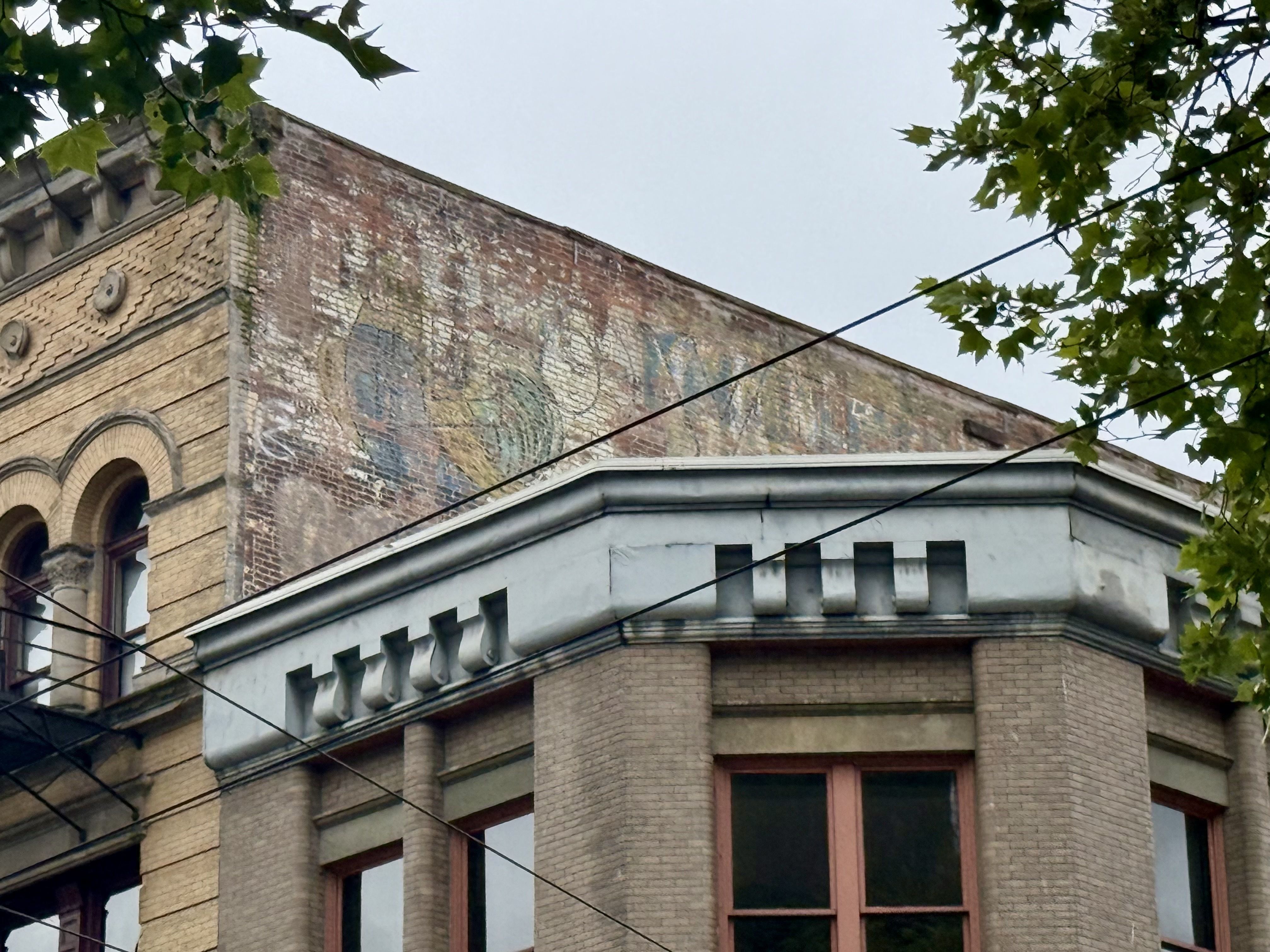
Yes, but: Many of the painted signs are disappearing under layers of graffiti or due to years of weather exposure, Wong says.
- Even some of the signs Wong and her students documented in 2013 are no longer visible.
- One example is on the building that once housed the Republic Hotel in the Chinatown-International District.
- A ghost sign for the Silver Dragon restaurant — which once advertised dancing, chop suey and chow mein — has been completely covered by graffiti.
- "I find that so heartbreaking," Wong says.
Between the lines: The city doesn't have a specific policy requiring building owners to maintain or preserve ghost signs over time, Zachary Pullin, a spokesperson for the Department of Neighborhoods, tells Axios.
- Any changes to the appearance of a building in a historic district, such as Pioneer Square and the Chinatown-International District, must be approved by a neighborhood review board — but each proposal is evaluated individually.
- That means ghost signs have no comprehensive protections outside that process.
Wong hopes that will change. "If Seattle could pass some kind of legislation, some kind of policy, we would actually be on the cutting edge to show other cities what could be done," she says.
- Without that, she warns, "we're going to keep seeing things lost."