Seattle park bird counts fell 21% in 19 years, report finds

Add Axios as your preferred source to
see more of our stories on Google.
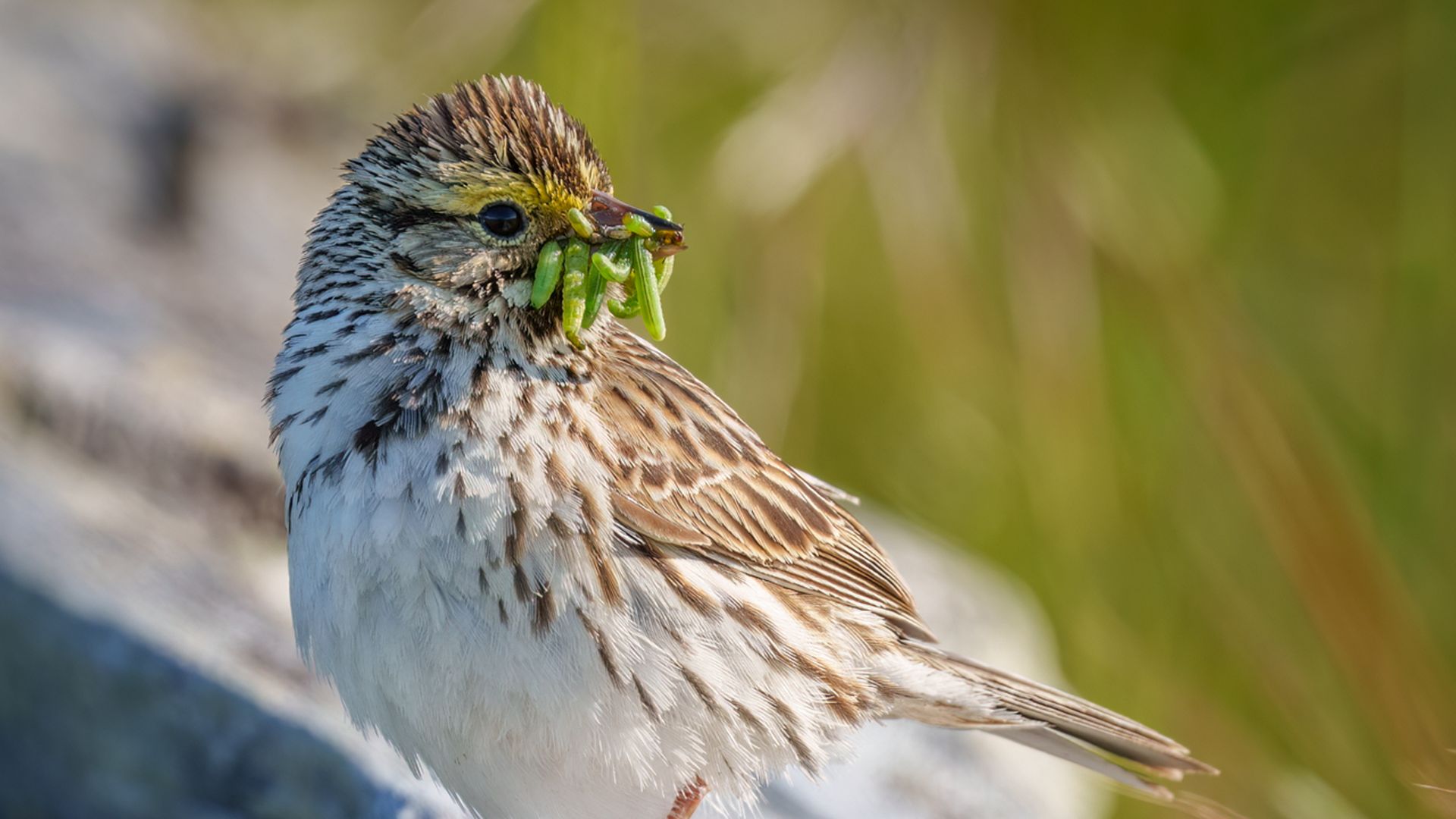
Savannah sparrow counts are down 72%. Photo: Sharon Wada/Courtesy of Birds Connect Seattle
Seattle's green spaces are losing their soundtrack, according to a new analysis showing bird counts dropping by 21% in our parks over 19 years.
Driving the news: The Birds Connect Seattle report mirrors broader bird losses across North America.
Yes, but: Bird counts track trends — not exact populations — and can be thought of as "uncalibrated thermometers" showing direction, not precise totals, lead researcher Joshua Morris told Axios.
By the numbers: Standardized bird counts from 2005 to 2023 showed widespread losses across six of eight Seattle-area parks, per the analysis.
- Total bird counts dropped 21%.
- 58% of species are declining, and species diversity is down 18%.
Zoom in: Washington Park Arboretum saw bird counts fall about 41%, Golden Gardens is down 36% and Discovery Park lost roughly a quarter of its feathered friends, per the report.
- Birds once seen in flocks of 50–100 are now showing up in significantly smaller numbers.
- Shorebirds and seabirds — like sanderlings, dunlins and brant — have almost completely disappeared from the surveys, Morris said.
- Common species like American robins, swallows and sparrows are also declining.
The big picture: The report says pressures from urban life are creating a "death by a thousand cuts" situation for local birds, such as:
- Habitat loss, including tree canopy and shoreline changes — Carkeek Park and the Washington Park Arboretum lost 16 acres of tree canopy in five years, Morris said.
- Heavy use of parks, especially meadows, and declining insect populations.
Case in point: A large cliff swallow colony at Magnuson Park collapsed after nesting sites on a building were removed — showing how even small design changes can ripple through ecosystems, Morris told Axios.
- Elsewhere, well-intentioned wetland restoration reduced open shoreline habitat that some birds rely on, he said.
Between the lines: Seattle's reputation as a "green" city doesn't fully match what's happening on the ground, Morris said.
- "There's that reputation… but it's a veneer," Morris said. "The birds are clearly sending us a warning."
What's next: Researchers want to better connect bird declines to specific changes — like development and tree loss — to understand what's driving the trends.
Simple steps can help our avian neighbors, Morris said:
- Keep cats indoors.
- Reduce pesticide use.
- Make windows safer for birds.
- Turn off lights at night.
Plus: "Go on a bird walk," Morris advised. "Learn their names and their songs… those connections build empathy."