Seattle walking tour revives legacy of "Green Book" sites

Add Axios as your preferred source to
see more of our stories on Google.
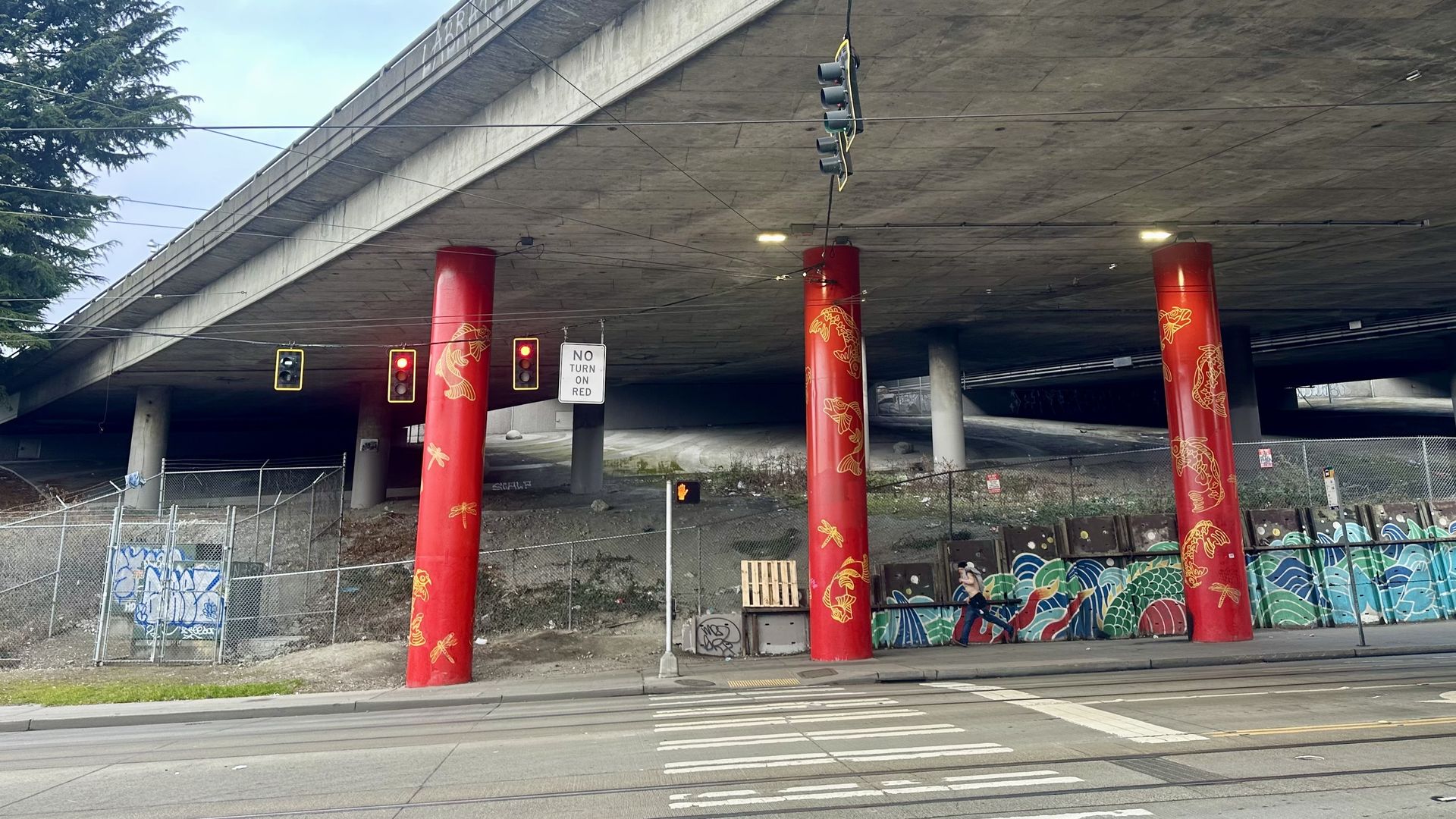
The former site of the Coast Hotel — a Seattle business once listed in the "Green Book" for Black travelers — is now dominated by a freeway overpass. Photo: Melissa Santos/Axios
Black travelers to Seattle used to rely on the "Green Book," a directory of Black-friendly businesses, to find places they could visit safely. Now, a self-guided walking tour helps people explore the history of those establishments and what became of them.
Why it matters: Many Seattle locations once featured in the "Negro Motorist Green Book" are no longer standing. But the audio tour — produced by Black & Tan Hall, an arts cooperative, event space and restaurant in Hillman City — helps their legacy live on.
Catch up quick: The "Green Book" was a directory of businesses where Black people knew they would be accommodated amid the segregation of the mid-20th century.
- Victor Green, a Harlem postal worker, used his network of fellow postal workers to compile a nationwide list of hotels, restaurants, gas stations, barber shops and other businesses that welcomed Black customers — including several spots in Seattle.
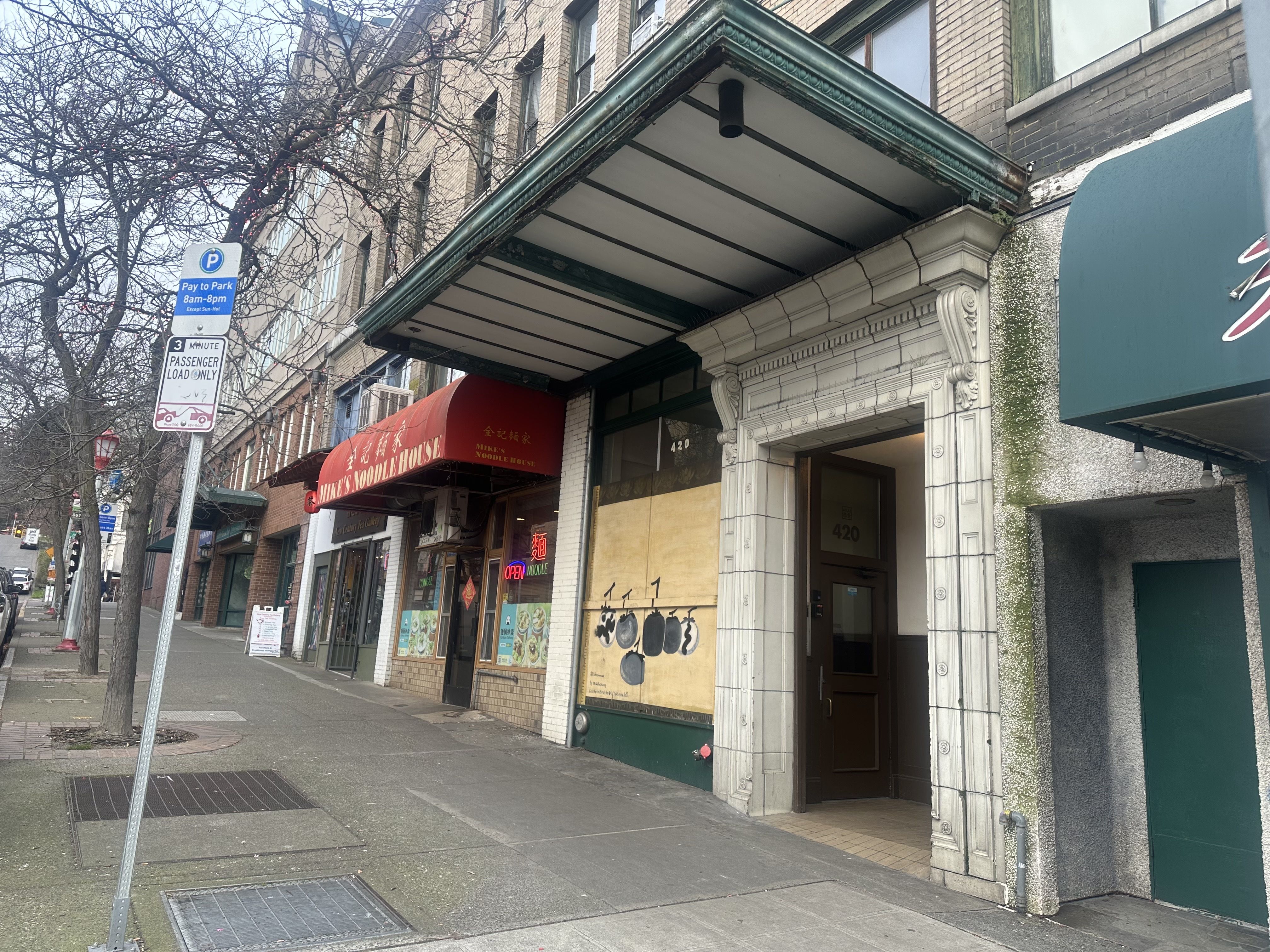
Zoom in: The Seattle walking tour, which includes pictures and descriptions of former "Green Book" sites along and near South Jackson Street, helps connect local residents with history that may no longer be visible, Maria McDaniel, a member of Black & Tan Hall, told Axios.
- A range of Seattle businesses were included in the various editions of the "Green Book," which was published from 1936-1967.
- "I remember Jackson Street being really like a jazz alley," said McDaniel, recalling the array of Seattle restaurants, nightclubs and hotels that catered to Black customers when she was growing up.
- "A lot of them are gone — they're no longer there, which is sad."
What they're saying: One important takeaway is that racist treatment of Black customers wasn't limited to the Jim Crow South, Ashley Harrison, another member of Black & Town Hall, told Axios.
- While the "Green Book" directory started as an East Coast publication, "over time, it expanded and came all the way out West — and there was a strong need for it here, too," Harrison said.
- "It becomes a really important story to how we understand this place where we live and what shaped it."
Between the lines: Part of the tour illustrates how public infrastructure projects encroached on minority neighborhoods.
- One of the featured "Green Book" sites, the former Coast Hotel, is now home to an Interstate 5 freeway overpass.
- "Interstate highways across the country often bulldozed right through Black, Jewish, low-income, or working class neighborhoods, and Seattle was no exception," the tour says.
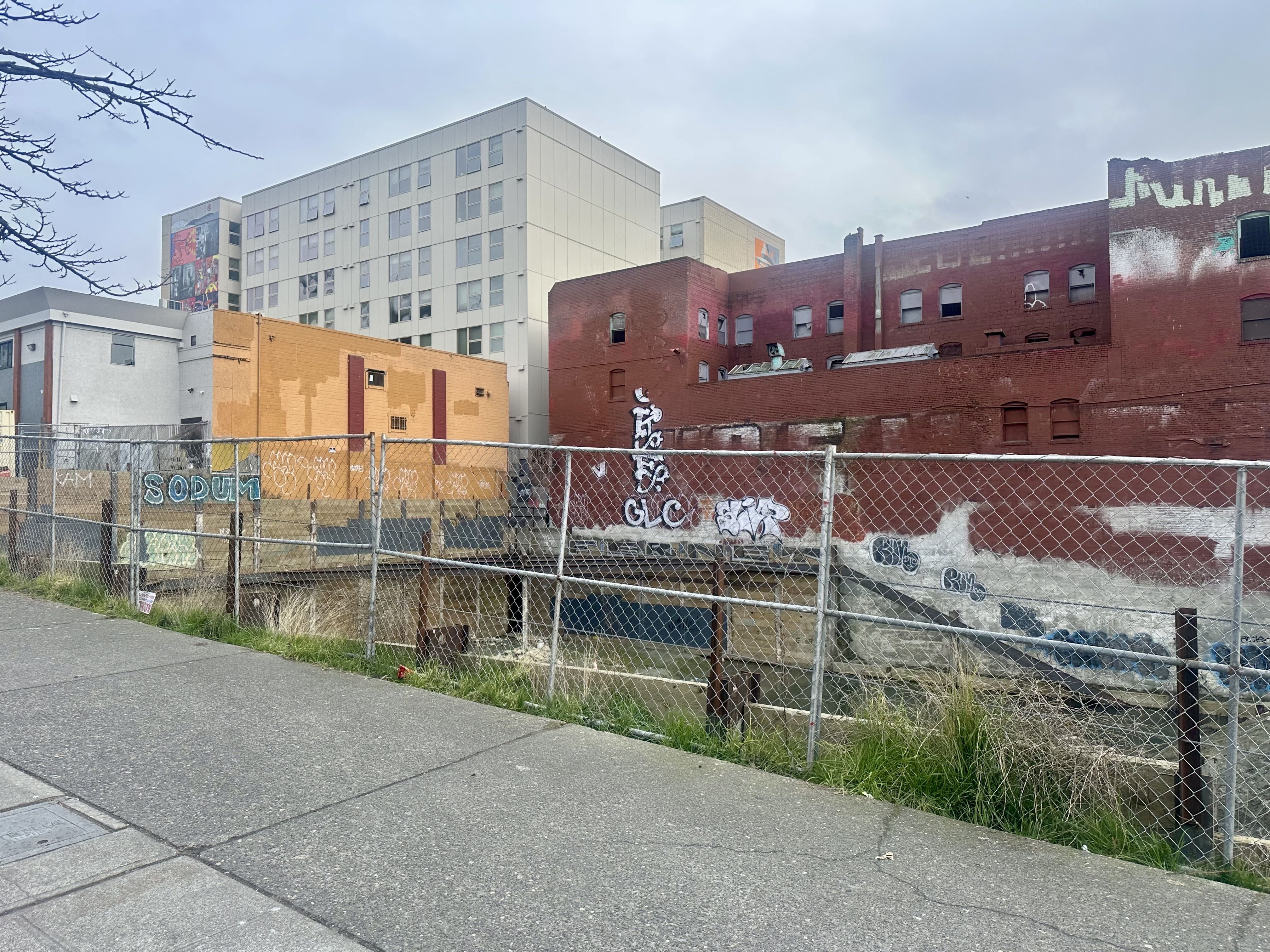
Another theme is how Seattle's Asian American, Jewish and Black residents coexisted in the Chinatown–International District during the 20th century.
- The tour notes that racist housing laws and covenants largely restricted areas north of Yesler Way to white Christians.
Between the lines: The route includes some sites that weren't listed in the official "Green Book," but that were still important gathering places for Seattle's Black residents.
- One of those was the original Black & Tan Club, a jazz venue that operated for about five decades at 12th Avenue South and South Jackson Street.
- The nightclub was known for welcoming Black patrons and performers, as well as customers of other races — a spirit of inclusivity the present-day Black & Tan Hall works to continue.
How it works: You can download an app or use a browser to take the self-guided Seattle "Green Book" walking tour.
- The route begins at Seattle's King Street Station and ends at Washington Hall on 14th Avenue South.
You can also check out Black & Tan Hall, located at 5608 Rainier Ave. S., for performances, food and drinks.