
Touch-screen kiosks may come to Seattle streets

Add Axios as your preferred source to
see more of our stories on Google.
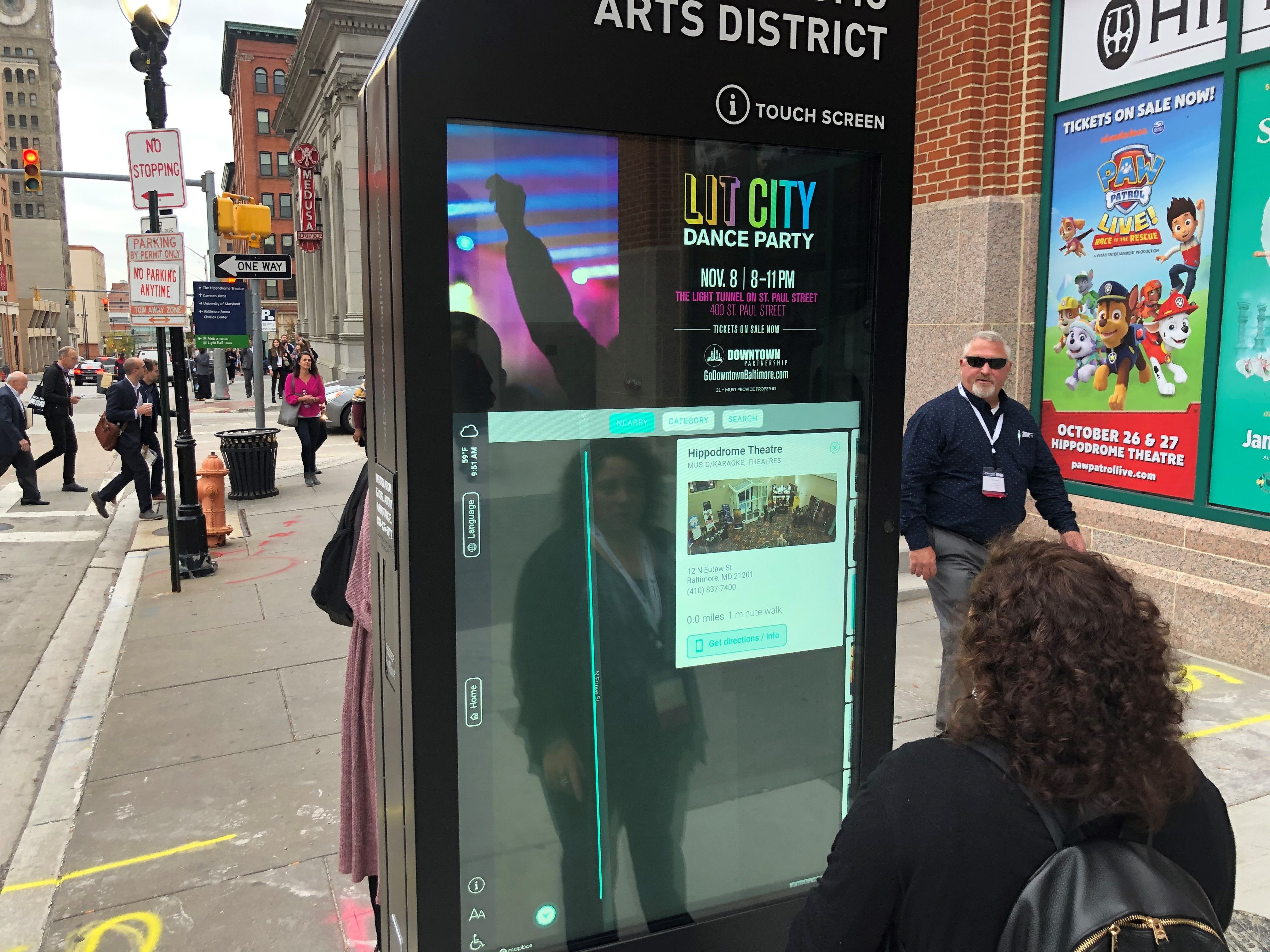
Seattle officials are debating whether to install dozens of digital kiosks, each measuring over 8 feet tall, in public spaces downtown and in business districts.
Why it matters: Supporters of adding the interactive kiosks say they'll relay valuable way-finding tips and public safety messages, along with information about local events and restaurants.
- But they'll also be vehicles for digital ads — and privacy advocates worry they could one day be used to record passersby or collect people's data.
Catch up quick: The Seattle City Council is considering legislation to allow 30 of the touch-screen kiosks to be installed downtown before next summer's 2026 FIFA World Cup events.
- Another 50 kiosks could be installed after that, with some potentially going up in business improvement areas in Ballard, SoDo, West Seattle and the U-District.
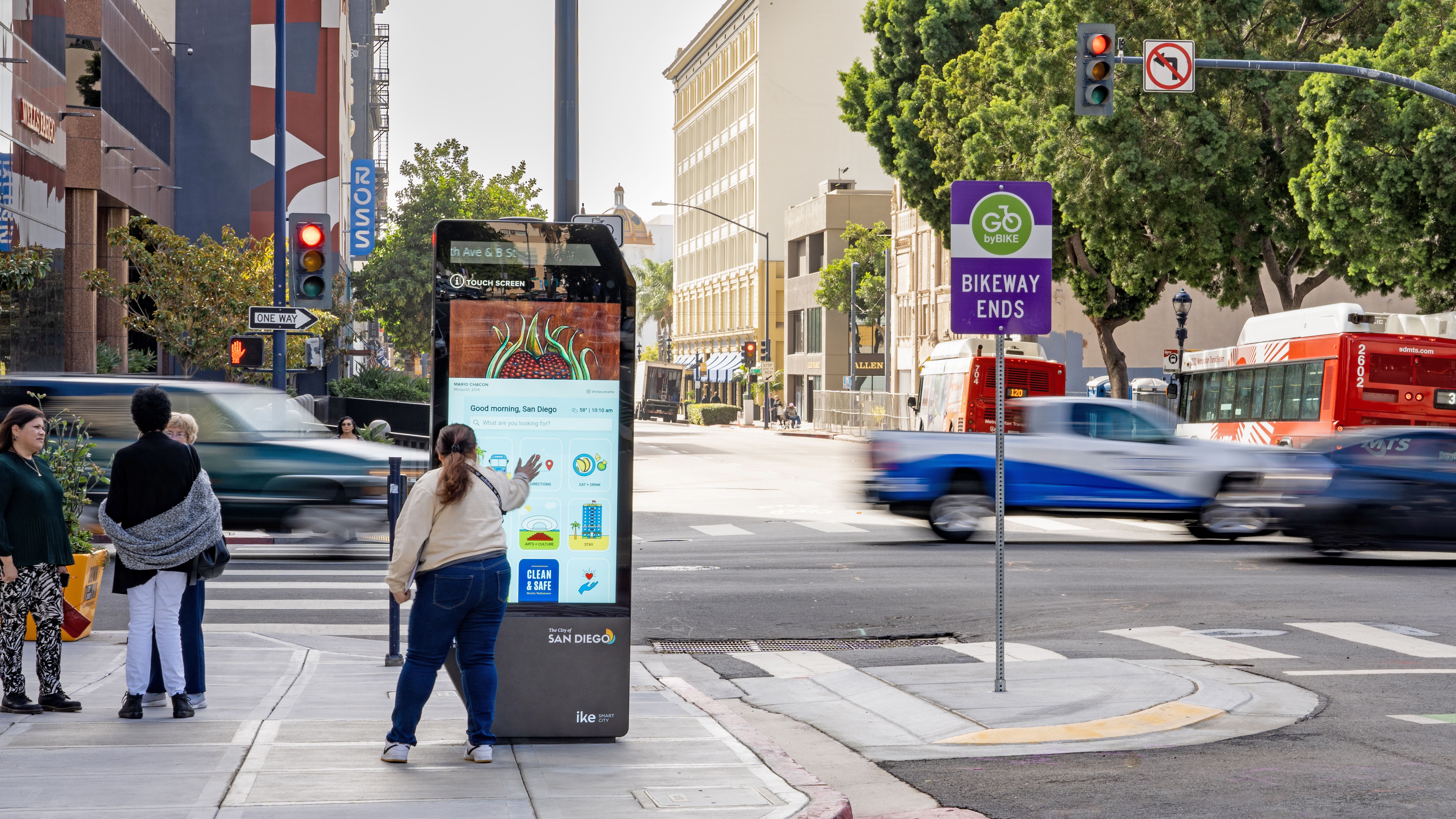
Zoom in: Each digital kiosk would measure 8.25 feet tall by 3.15 feet wide and would be equipped with apps to help people find local attractions and transit service.
- When not in active use, the kiosks will cycle through eight digital slides, seven of which could be private advertisements.
- The kiosks, which can translate information into multiple languages, would also act as free Wi-FI hubs and could be used to call 911.
What they're saying: Jon Scholes, president and CEO of the Downtown Seattle Association, told Axios that the technology could help "people discover and engage with the urban area," including by finding events and businesses "that they may not even know to search for."
- Each kiosk's content would be customized to show what's directly nearby, he said.
- They'd go up in public rights-of-way, adjacent to sidewalks and roadways.
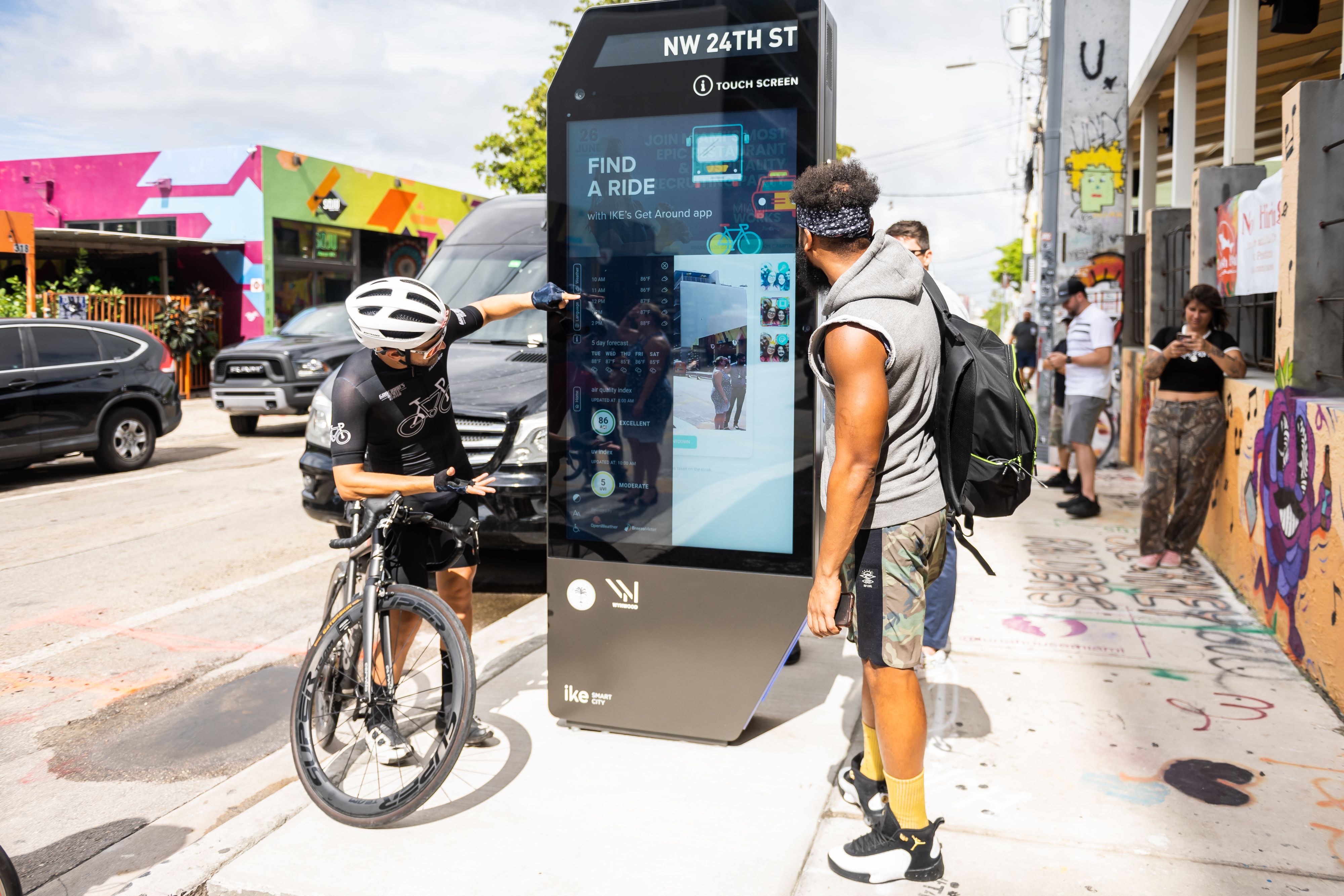
Between the lines: Scholes said Seattle's kiosks wouldn't include security cameras. At most, they'll have a manually operated selfie camera, he said. (A city memo says those photos wouldn't be retained.)
- But Tee Sannon of the ACLU of Washington told KUOW there's a danger of "mission creep" should the kiosks go up. "It's easy to then start adding new features that could be invasive," Sannon said.
- With that in mind, "strong forward-looking policies and protections should be in place before any kiosk is installed," Caedmon Magboo Cahill, the ACLU-WA's policy advocacy director, said in an emailed statement to Axios.
The big picture: Kiosks made by the same company are used in about 20 other cities, including San Diego, Baltimore, Miami and Denver, Scholes said.
Follow the money: The Downtown Seattle Association, which would run the kiosk program at no cost to the city, expects to collect about $1.1 million per year in advertising revenue from the first 30 kiosks.
- That money would go toward downtown improvement efforts, Scholes said, with any additional revenue to be directed back to the city.
What's next: The Seattle City Council could vote in early June on a resolution that would grant "conceptual approval" for the kiosk program.
- Council members would then have to approve an ordinance with more specifics about how the kiosks would be deployed, which could also happen next month.