5 takeaways from Salt Lake City and County's lawsuit to stop detention center

Add Axios as your preferred source to
see more of our stories on Google.
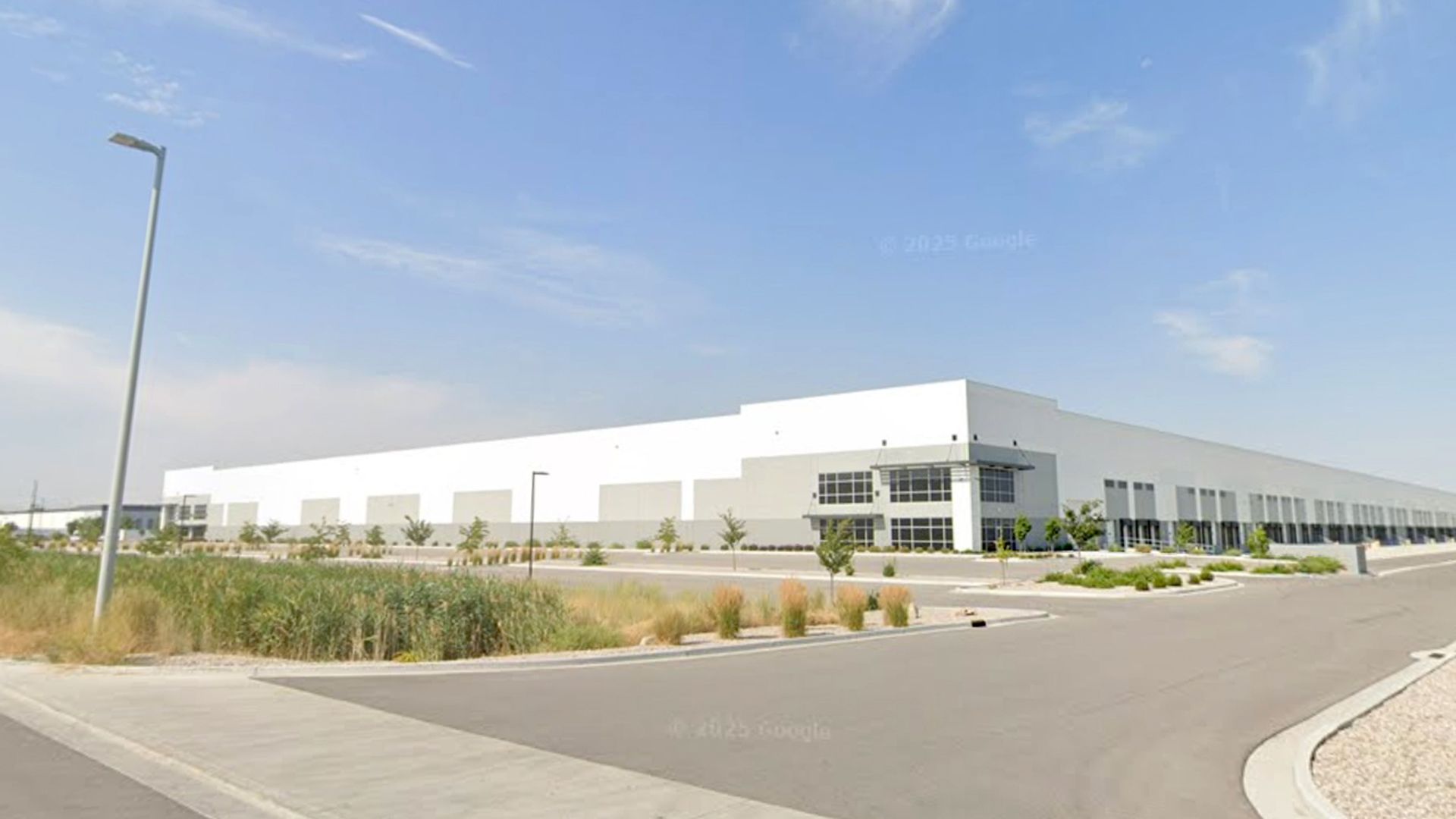
Warehouse at 6020 W. 300 South in Salt Lake City. Screenshot: Google Maps
Salt Lake City and Salt Lake County sued the federal government Monday in an attempt to stop a massive immigration detention center designed to hold up to 10,000 people.
Why it matters: ICE's plan to convert newly purchased warehouses into detention centers has drawn strong condemnation from community leaders and residents, who view the centers as inhumane and a strain on resources.
The latest: City and state officials across the nation are fighting back with the limited legal tools they have.
Catch up quick: In March, ICE purchased an 833,000-square-foot warehouse on the west side for $145.4 million.
- The agency plans to convert it into an immigration detention center to serve as a western hub.
What they're saying: "Salt Lakers are legally entitled to public review and reasoned decision-making on major actions by the federal government," Mayor Erin Mendenhall said in a statement.
- "As with any transition, we are reviewing agency policies and proposals," a Department of Homeland Security spokesperson said Tuesday in a statement to Axios.
Here are five takeaways from the lawsuit:
1. "Ground zero" for measles
Utah is facing a measles outbreak, and the lawsuit argues the crowded detention center could act as "ground zero" for more infections.
Case in point: During the height of the COVID-19 pandemic, ICE reported more than 10,000 cases among detainees at its facilities fueled by tight living quarters and shared common spaces, per the U.S. Government Accountability Office.
2. ICE is rushing to open the facility
An ICE memo released in February, and cited in the lawsuit, said the agency plans to "activate" all warehouse conversions by Nov. 30.
Zoom in: That gives the federal government a relatively short window to convert the Salt Lake City warehouse.
- Plus, the lawsuit argues the feds failed to conduct a public environmental review before purchasing the warehouse.
3. The city's resources are already strained
The warehouse uses 5,600 gallons of water per day, and the city estimates it would require 1 million to 2 million gallons each day if it were to become a detention center.
- The lawsuit argues the facility would "cripple already limited resources" amid statewide drought conditions.
- It would also stress the city's sewage system, per the lawsuit.
The latest: In late May, the city said it received an incomplete application from ICE for utility services, with some details listed as "TBD."
4. Lawsuit cites Maryland case
A federal judge in April extended a pause on a similar-size facility, meant to hold between 500 and 1,500 people, in Maryland.
- While the lawsuit is pending, Maryland Gov. Wes Moore called it a "major and welcome step forward."
- The Maryland lawsuit also argues that the federal government bypassed environmental reviews of the facility's potential impacts.
5. Republicans left in the dark
Five Republicans on the Salt Lake County Council said they weren't informed of the lawsuit before it was filed.
What they're saying: "There are questions about the mayor's objective, the legal strategy, and the expected costs of this lawsuit," the GOP council members said in a joint statement.