Amid Ballerina Farm's raw milk scrutiny, Utah lawmakers could roll back regulations

Add Axios as your preferred source to
see more of our stories on Google.
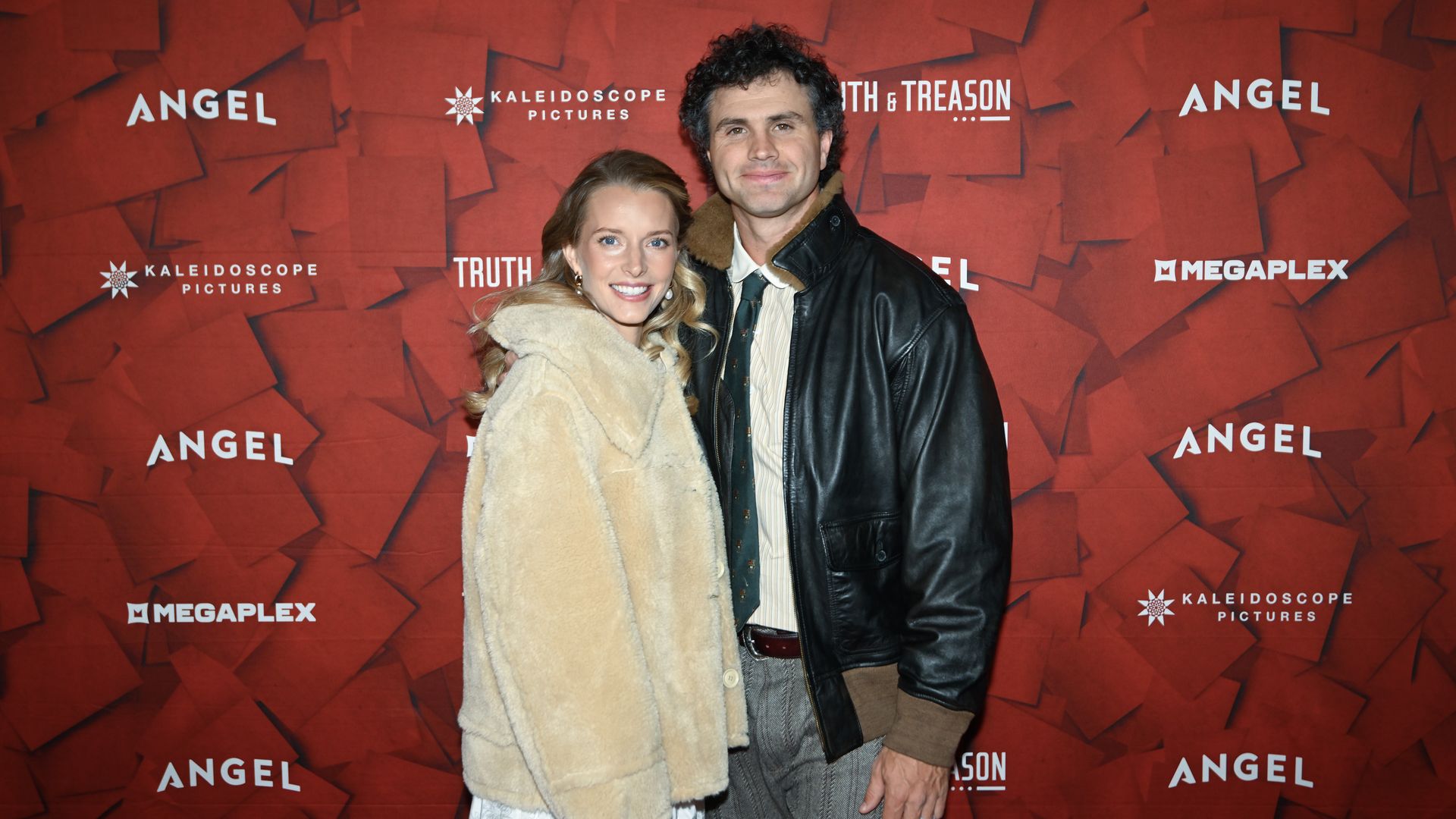
Hannah and Daniel Neeleman, influencers and owners of Ballerina Farm in Utah, at a 2025 film premiere in Sandy. Photo: Alex Goodlett/Getty Images for Angel
Utah lawmakers are considering rolling back regulations on raw milk sales.
The intrigue: The measures are being debated as the nation's eye turns to the online sensation Ballerina Farm, which discontinued raw milk sales after inspectors found elevated bacteria levels in its products.
Threat level: Food-related infections, such as salmonella, E. coli, listeria and campylobacter, are 150 times more likely for those who drink raw milk compared with those who drank pasteurized milk, per the Utah Department of Health and Human Services.
- Children, older adults and pregnant people are at especially high risk of serious illness.
- In the past 10 years, two Utahns have died from illnesses related to raw milk consumption, a local health official told lawmakers last week.
The big picture: Raw milk has gained popularity among wellness influencers and as a politically conservative cultural in-group signifier, touted by figures like Health and Human Services Secretary Robert F. Kennedy Jr.
Driving the news: Three bills are trickling through legislative committees, two of which would make it easier for Utahns to sell raw milk.
H.B. 179, introduced by Rep. Kristen Chevrier (R-Highland), would remove the state's raw milk permits, only requiring producers to notify state agriculture officials that they intended to sell it.
- Producers would have to test milk — but they wouldn't have to share the results, so bacteria limits would be self-enforced. Inspections or other state action would happen only after an illness outbreak — unlike present law, which allows the state to halt sales based on testing alone.
- It would open the door to resale by third parties — and producers who sell it directly from their farms would face even fewer requirements.
S.B. 217, sponsored by Sen. Kirk Cullimore (R-Draper), would define raw milk as a "homemade food product," effectively removing it from state regulation.
- Caveat: The bill passed out of committee, but Cullimore said he might withdraw the measure if other bills reduced milk regulation.
What they're saying: H.B. 179 "deliberately assigns primary safety responsibility to producers and removes the government from routine operational oversight," Chevrier said in a committee hearing last week, where the measure passed unanimously.
Meanwhile, a third bill, by Rep. Mike Kohler (R-Midway), would allow third-party sellers but increase penalties for raw milk safety violations; it hasn't yet been heard in a committee.
The other side: Under S.B. 217, state officials couldn't track an illness outbreak to a producer to stop sales of contaminated milk, Amber Brown, a deputy state agriculture commissioner, said in a hearing Wednesday.
- Even with the notification requirement in H.B. 179, the bill would remove steps for recalling contaminated milk under current law, Brown said last week.
- The eliminated costs of permit enforcement likely would shift to investigations into illness outbreaks "that are inevitably going to occur," added Kirk Benge, director of eastern Utah's TriCounty Health Department.
Context: KPCW reported last week that raw milk sold by internet mega-star Hannah Neeleman — aka Ballerina Farm — exceeded the allowed levels of coliform bacteria, which includes E. coli, in their May and June 2025 tests.
- "Producing raw milk takes careful planning from a facility and infrastructure standpoint," the farm told KPCW in a statement. "Unfortunately, we learned this after the fact."
Catch up quick: Neeleman had been a raw milk evangelist, claiming it helped her skin and promoting its sale from the Ballerina Farm store in Kamas.
Zoom out: The report went viral this week, as celebrity media outlets shared the findings.
- Ballerina Farm did not immediately respond to Axios' request for comment.
By the numbers: Federal researchers in 2022 found that states that allow raw milk sales in stores had rates of related illness outbreaks nearly four times higher than those that only allow sales on the producer's farm.