How the Challenger tragedy became a decision-making parable

Add Axios as your preferred source to
see more of our stories on Google.
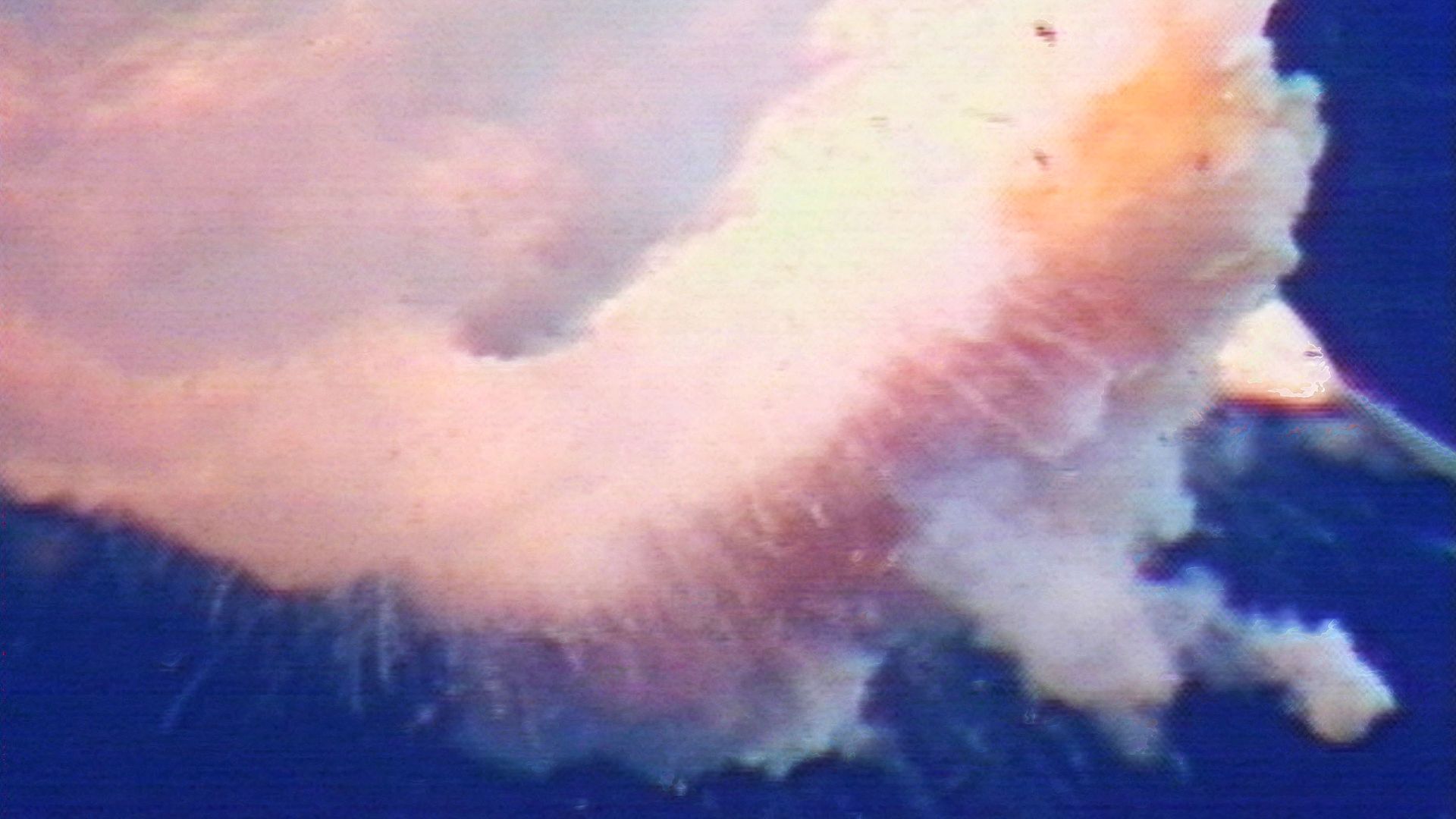
The Space Shuttle Challenger explodes Jan. 28, 1986, over Cape Canaveral, Florida. Photo: CNN via Getty Images
Forty years ago this week, the space shuttle Challenger exploded shortly after launch, shocking viewers around the world — and making Utah's burgeoning aerospace industry an object of national scrutiny.
The intrigue: The explosion was caused by faulty O-rings made by a Utah company — whose employees had tried desperately to stop the shuttle launch.
- This is Old News, where we reverse-engineer the pivotal moments in Utah's history.
What drove the news: On Jan. 28, 1986, astronomy-watchers, schoolchildren and a space-enthusiastic Reagan administration tuned in to watch the Challenger launch.
- Less than two minutes after liftoff, the shuttle caught fire on live TV.
Zoom in: Hot gas escaped from a rocket booster and burned into the main fuel tank, where the liquid hydrogen and oxygen ignited. The shuttle broke apart, and the compartment carrying the seven-member crew plunged 65,000 feet into the Atlantic Ocean.
Breaking point: The gas leaked through joints designed to be sealed by rubber O-rings that had stiffened in the morning's record-cold temperatures at Cape Canaveral, Florida.
Threat level: At Morton Thiokol, an Ogden-based NASA contractor that supplied the boosters, the engineers who designed the O-rings begged managers — both in Utah and at NASA — to delay the launch.
- Multiple tests over the years had shown a flaw in the rings, and the cold temperatures heightened the risk of failure, engineers warned.
Between the lines: NASA was under heavy — if self-inflicted — pressure to get Challenger into the sky.
- The launch had already been delayed several days, and cameras were rolling as the heavily promoted mission stalled.
Zoom out: Aerospace was a high priority under then-President Reagan, who inherited the "space race" as the Cold War persisted. He charged NASA with creating a "fully operational and cost-effective" system to provide "routine access to space."
- By 1986, NASA was scrambling to meet a promised launch schedule that investigators later described as "overambitious."
Inside the room: "I am appalled by your recommendation," former Thiokol engineer Roger Boisjoly recounted a NASA administrator saying after the O-ring team persuaded the company to try to delay the launch for a warmer day.
- "My God, Thiokol," he recalled another NASA manager saying. "When do you want me to launch — next April?"
Follow the money: Thiokol's managers withdrew their objections "to accommodate a major customer," investigators wrote.
What they said: "I fought like hell to stop that launch," Boisjoly told NPR less than a month after the explosion. "I'm so torn up inside I can hardly talk about it, even now."
The big picture: Before Challenger, NASA was seen as invincible — a distillation of American exceptionalism.
- Afterward, it became a cautionary tale of groupthink and overconfidence.
The bottom line: The explosion changed not only NASA but also engineering, corporate culture and how we assess risk.