If you hate escape rooms, Salt Lake's Himitsu Station is for you

Add Axios as your preferred source to
see more of our stories on Google.
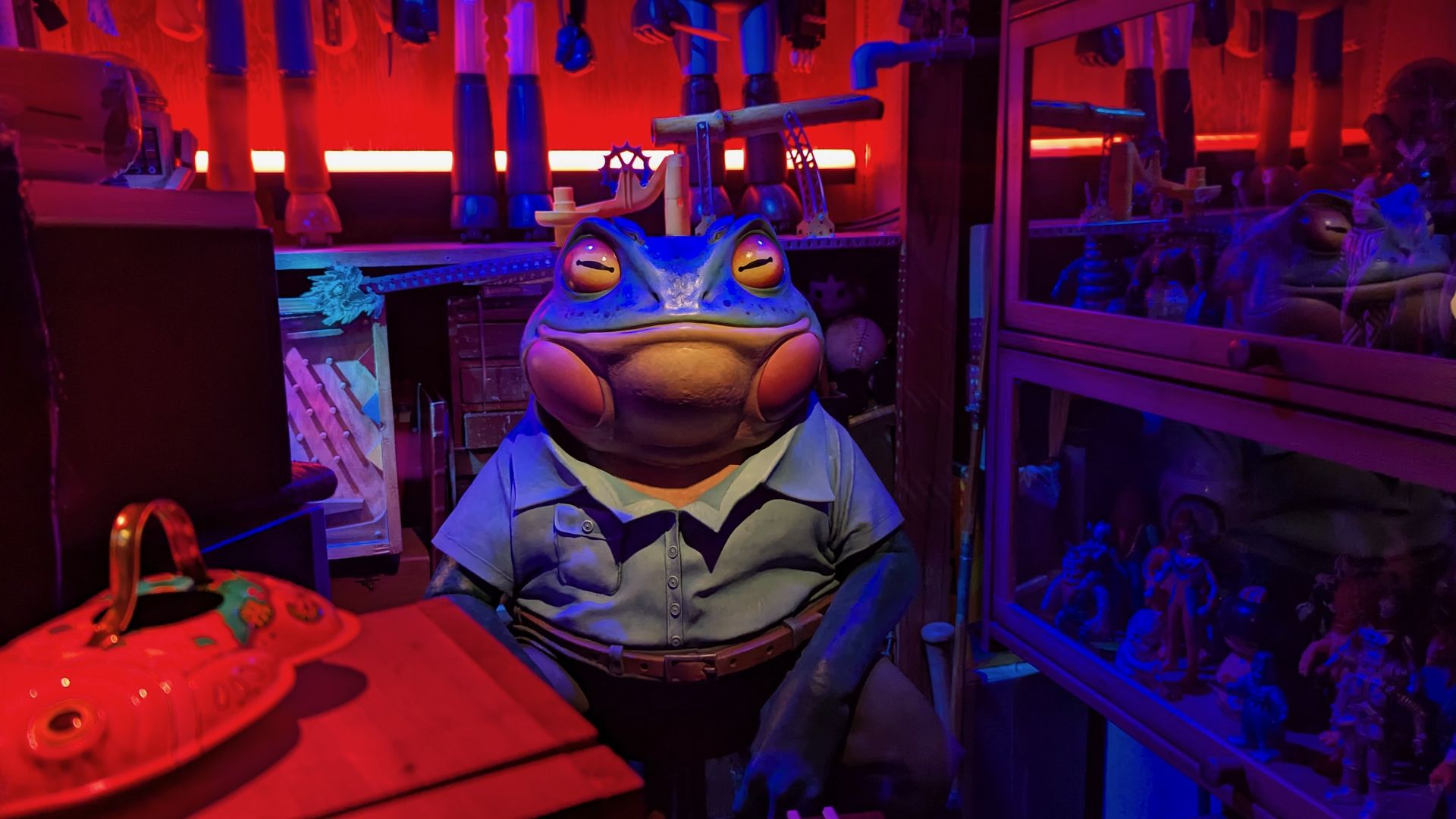
A shopkeep in Himitsu Station shares information in a vintage electronics market. Photo: Erin Alberty/Axios
Snacks, animatronics and elaborate sets make the Tokyo-themed Himitsu Station a standout in Salt Lake's escape room scene.
- But it's the rules of this game that make the popular newish attraction a great reentry into the polarizing craze of the 2010s.
How it works: Groups of eight players descend from the station lobby into a Japanese subway market to search for clues that guide them through a mystical underground world beneath downtown SLC's Peery Hotel.
The big picture: Escape rooms — immersive story games where groups of about four to eight players try to solve puzzles to unlock clues and, eventually, the exit — exploded in popularity from about two dozen in 2014 to more than 2,300 in 2019.
- After losses during the COVID-19 pandemic, the number has held steady around 2,000, according to Room Escape Artist, a group of industry watchers.
Yes, but: Over the years, the quality of the experience has varied wildly from game to game, leaving some players with a bad taste in their mouths.
- Some may have encountered unclear instructions or unreasonably difficult puzzles, leaving them stuck on one task while burning through their time limit — typically 60 minutes.
- Others may have found a sequence of puzzles that gives only one person at a time something to do.
- And some have found locks and mechanisms broken from overuse.
The bottom line: A player who paid $50 to stand in a room with janky latches and incomprehensible hints probably won't try it again.
- "We predict that the low end of the market is a bigger threat to the longevity of the industry than a pandemic or an economic downturn," a Room Escape Artist report concluded.
Driving the news: Enter Himitsu Station, an escape room where you can't "lose."
- Rather than ending the hour disappointingly surrounded by locked doors and unfinished puzzles, groups are ushered from area to area to keep the story moving even if they haven't solved every riddle.
- Teams win points for the puzzles they do solve — and can find extra points hidden like Easter eggs.
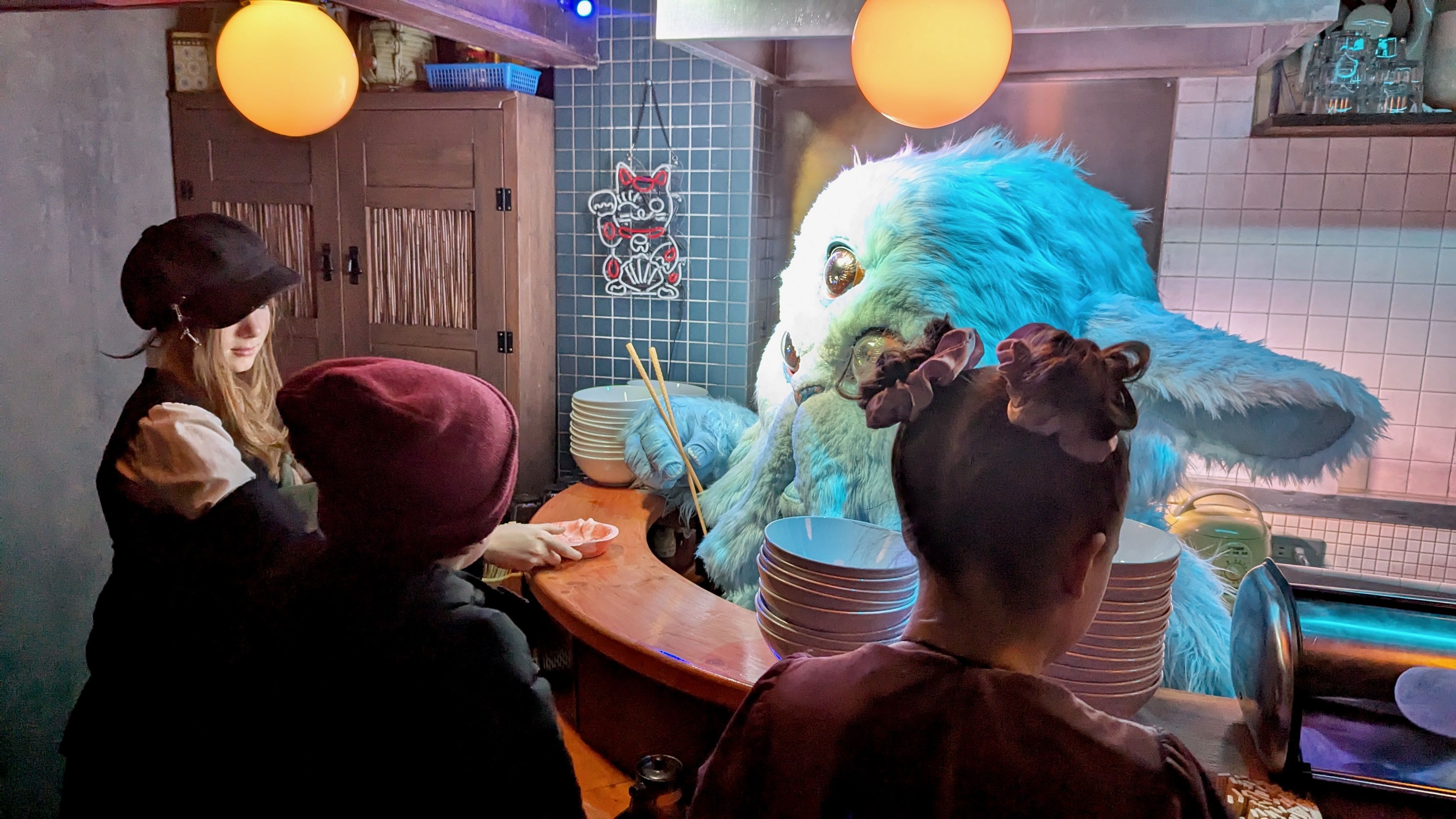
The intrigue: Escape rooms must schedule as many people as possible to turn a profit, so they can't give players unlimited time to ponder.
- That means conventional escape rooms often make money at the expense of player morale.
- By making points the goal, rather than a final "escape," Himitsu Station avoids that hazard.
Erin's thought bubble: My family wants to return and try to beat our score — making it the first escape room we've ever wanted to attempt twice.
Follow the money: Tickets are $65 per person midweek and $75 on weekends.
- That's on the high end for escape rooms, but the production value and game design are worth it, in my opinion.
The fine print: Himitsu Station is popular, and to keep the "passengers" moving through, you may find yourself teamed with strangers to fill the eight-person time slot.
- Fortunately, my family was grouped with seasoned escapees who noticed when I was lining up a combination lock upside-down.