125 years ago, Utah's deadliest single catastrophe killed 200

Add Axios as your preferred source to
see more of our stories on Google.
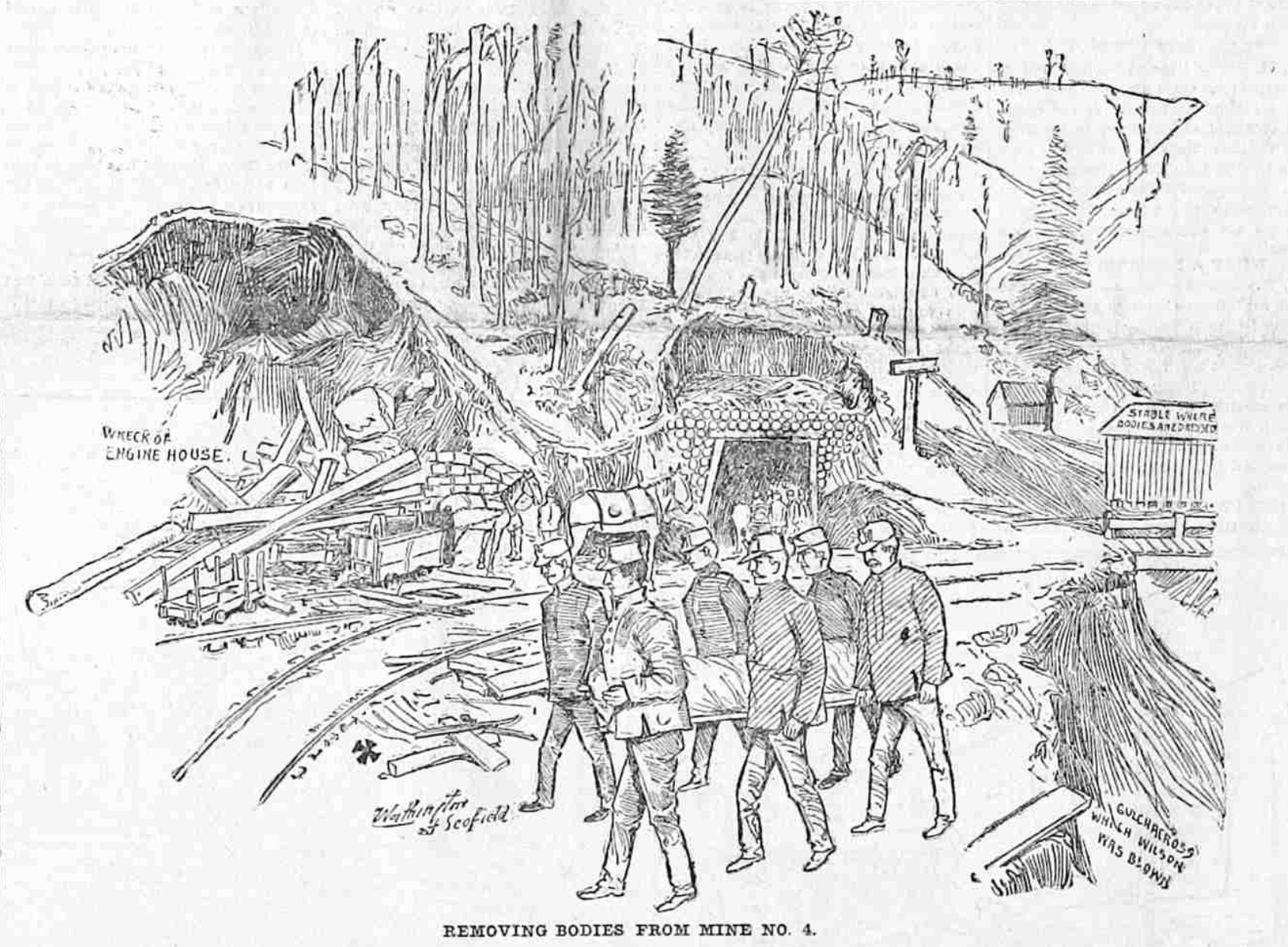
Thursday is the 125th anniversary of the explosion that killed at least 200 people at a Scofield mine in Carbon County.
The big picture: In the lists of Utah's natural disasters, crashes, and industrial catastrophes, we cannot find a higher body count from a single event.
- May 1, 1900 was likely Utah's deadliest day in recorded history.
What happened: Just before 10:30am, 10, 25-pound kegs of black powder detonated, igniting the coal dust that hung in the air of the Winter Quarters No. 4 mine — as well as about 20 other kegs. Many of the workers in the mine died immediately from the blast.
- Those in an adjacent mine tried to flee through the nearest exit — which was the No. 4 mine, where the toxic gas from the explosion killed them.
Haunting: There weren't enough coffins in Utah to bury everyone who died.
- Caskets had to be shipped in from Denver.
The intrigue: Locals — and at least one state official — accused the Pleasant Valley Coal Company of negligence, but state investigators cleared the company of wrongdoing.
- The explosion contributed to mining strikes in the subsequent years.
By the numbers: The official death toll was 200, though miners and other locals said the count was closer to 250.
- Hundreds of children were orphaned.
Zoom out: It was the deadliest mining disaster at that point in U.S. history.
- The Monongah Mine explosion seven years later eclipsed it and remains the nation's deadliest, killing 362.
- The 1947 explosion of the SS Grandcamp at the port of Texas City, Texas was the deadliest industrial accident in U.S. history. The ship was carrying about 2,300 tons of ammonium nitrate when a fire broke out, killing 581 people.
The latest: About 20 people live in Scofield now.
- A monument at the cemetery honors the miners who died.