Why Salt Lake is protesting to the music of May Day

Add Axios as your preferred source to
see more of our stories on Google.
Protesters around Utah are joining in nationwide International Workers' Day rallies against what organizers say is President Trump's "war on working people."
The big picture: Rallies against the Trump administration have built momentum as he faces sinking approval ratings and Americans increasingly witness the ramifications of his policies.
- Thousands of people gathered around Utah on April 5, and similar Saturday rallies have continued in Salt Lake and other cities.
What they're saying: "This May Day we are fighting back," national protest organizers wrote on their website.
- "We are demanding a country that puts our families over their fortunes —public schools over private profits, healthcare over hedge funds, prosperity over free market politics."
By the numbers: More than 70,000 protesters are expected to rally at marches, town halls and other actions against the "billionaire takeover" of the federal government, organizers said.
- More than 1,100 protest events are scheduled in nearly 1,000 cities across all 50 states.
Catch up quick: May Day is a labor celebration in much of the world, dating back to Chicago's Haymarket Affair in 1886.
- The days-long protest over working conditions ended in a deadly confrontation with police and a crackdown on demonstrators. Commemorations caught on worldwide and continue to this day.
The latest: Demonstrators in Salt Lake are harnessing the city's major — but oft-forgotten — contributions to protest music.
- A May Day celebration in Millcreek's Canyon Rim Park will feature live music, a sing-along of protest and labor songs, and food trucks from 6 to 9:30pm.
- Song lyrics are online.
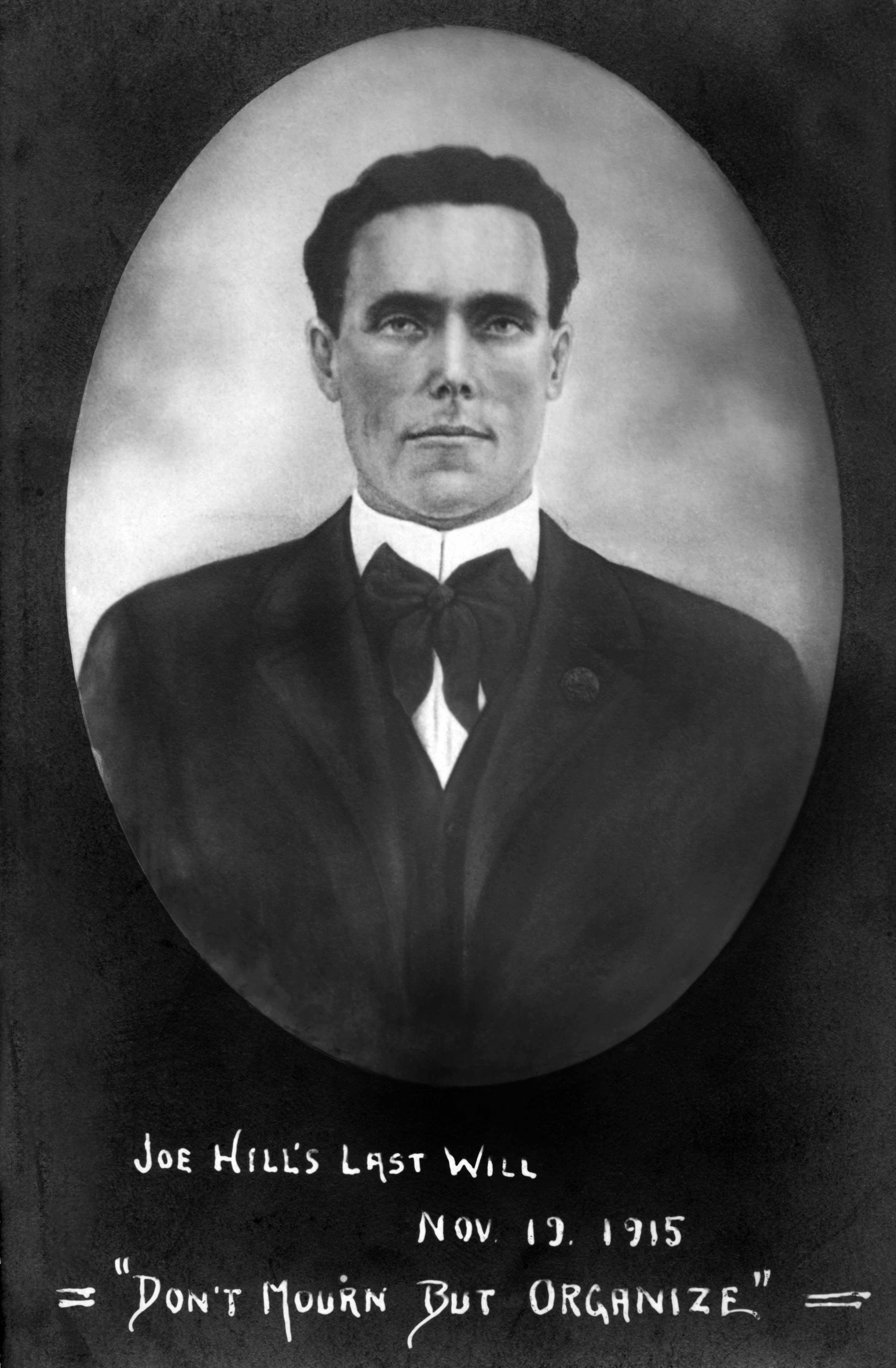
The intrigue: One of the biggest contributors to American protest music was Joe Hill, the Salt Lake City labor organizer and troubadour who was executed by firing squad at the old Sugar House prison in 1915.
- Hill was a miner and organizer with the Industrial Workers of the World — aka the "Wobblies" — when police arrested him in 1914 after a grocery store shootout that left the owner dead.
- The circumstantial case against Hill was fairly strong, but there was some forensic evidence in his favor and signs of bias during his trial.
Listen in: His songs — and songs about him — are widely performed to this day.
- You can hear them in this playlist.