Four takeaways from Utah international student visa lawsuit

Add Axios as your preferred source to
see more of our stories on Google.
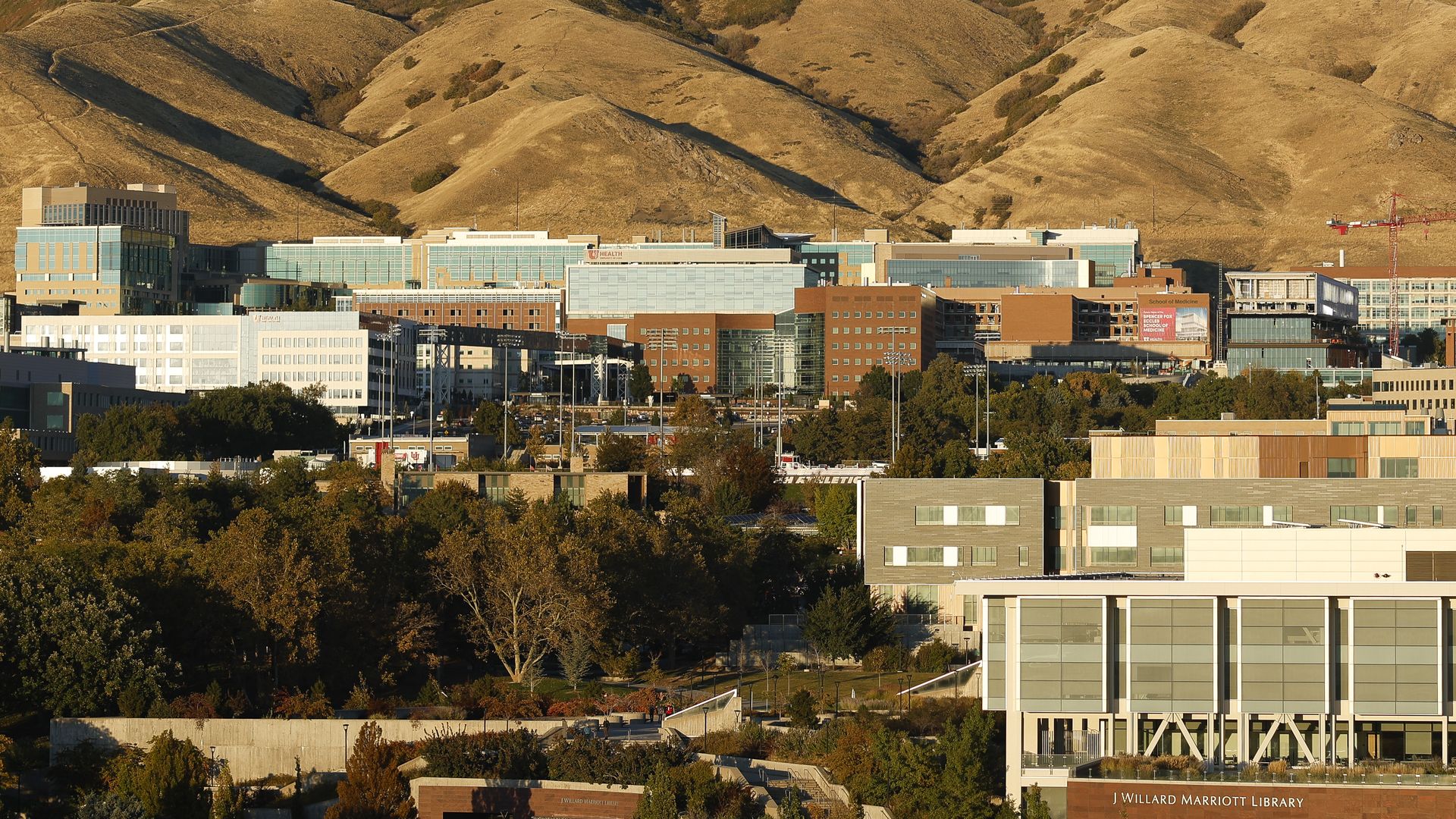
A new lawsuit filed by the ACLU of Utah alleges the Trump administration illegally revoked international students' visas. Photo: Aaron M. Sprecher/Getty Images
The ACLU of Utah filed a federal lawsuit against the Department of Homeland Security on Friday, accusing the agency of violating the rights of international students when it revoked their visas without explanation this month.
Why it matters: The sudden visa revocations could not only force students out of school and work but also expose them to arrest, detention and deportation, the lawsuit alleges.
State of play: The ACLU filed the complaint on behalf of eight anonymous international students — from China, Japan, Mexico and Nigeria — attending Utah schools, including BYU-Idaho.
- U.S. Attorney General Pam Bondi, Homeland Security Secretary Kristi Noem and U.S. Immigration and Customs Enforcement acting director Todd Lyons were named as defendants.
The big picture: More than 1,000 foreign students across the U.S. have had their visas or statuses voided by the Trump administration, CNN reports, and many are challenging the revocations in court.
- The Trump administration has claimed that some students lost their status because they were linked to pro-Palestinian protests. Others have had their visas taken away for past crimes, traffic violations, and unknown reasons.
Zoom in: As of April 11, 22 students at the University of Utah have had their visas canceled, according to university officials. Over 50 students have been impacted statewide.
Yes, but: "A few university students' changes in status have not been connected to a clear, specific interaction with law enforcement, and they face an uncertain path to restoring their right to study in the U.S.," University of Utah president Taylor Randall said a statement this month.
What they're saying: "It is a privilege to be granted a visa to live and study in the United States of America," DHS assistant secretary Tricia McLaughlin said in a statement.
- "When you break our laws and advocate for violence and terrorism, that privilege should be revoked."
The latest: During his monthly news conference last Thursday, Utah Gov. Spencer Cox told reporters he had reached out to the Trump administration to gather more information about the revoked visas.
- "We've asked them to give us a little bit of a heads-up when these things are happening," Cox said, adding that some students were found to have criminal backgrounds, while others were not.
Here are four takeaways from the Utah lawsuit:
1. DHS revoked the F-1 visas of international students for "unknown and unspecified reasons," per the lawsuit.
- Attorneys argue the students had no criminal history that gave the defendants a legal basis for terminating their visas.
2. Students were not given the chance to contest the terminations, according to the complaint.
- Attorneys argue DHS violated the students' due process rights under the Fifth Amendment.
3. Attorneys are seeking a temporary restraining order to reinstate the students' records from the Student and Exchange Visitor Program (SEVIS), a database that tracks their compliance to maintain their visa status.
- The lawsuit alleges Immigrations and Customs Enforcement illegally deleted the students' records from the registry.
4. Students can apply for reinstatement through U.S. Citizenship and Immigration Services, but the lawsuit alleges the defendants have informed multiple schools that they will deny those applications.
The bottom line: International students in most major Utah universities and colleges have been affected.