Imperiled Glen Canyon loses protectors amid Trump staff cuts at Lake Powell


Add Axios as your preferred source to
see more of our stories on Google.
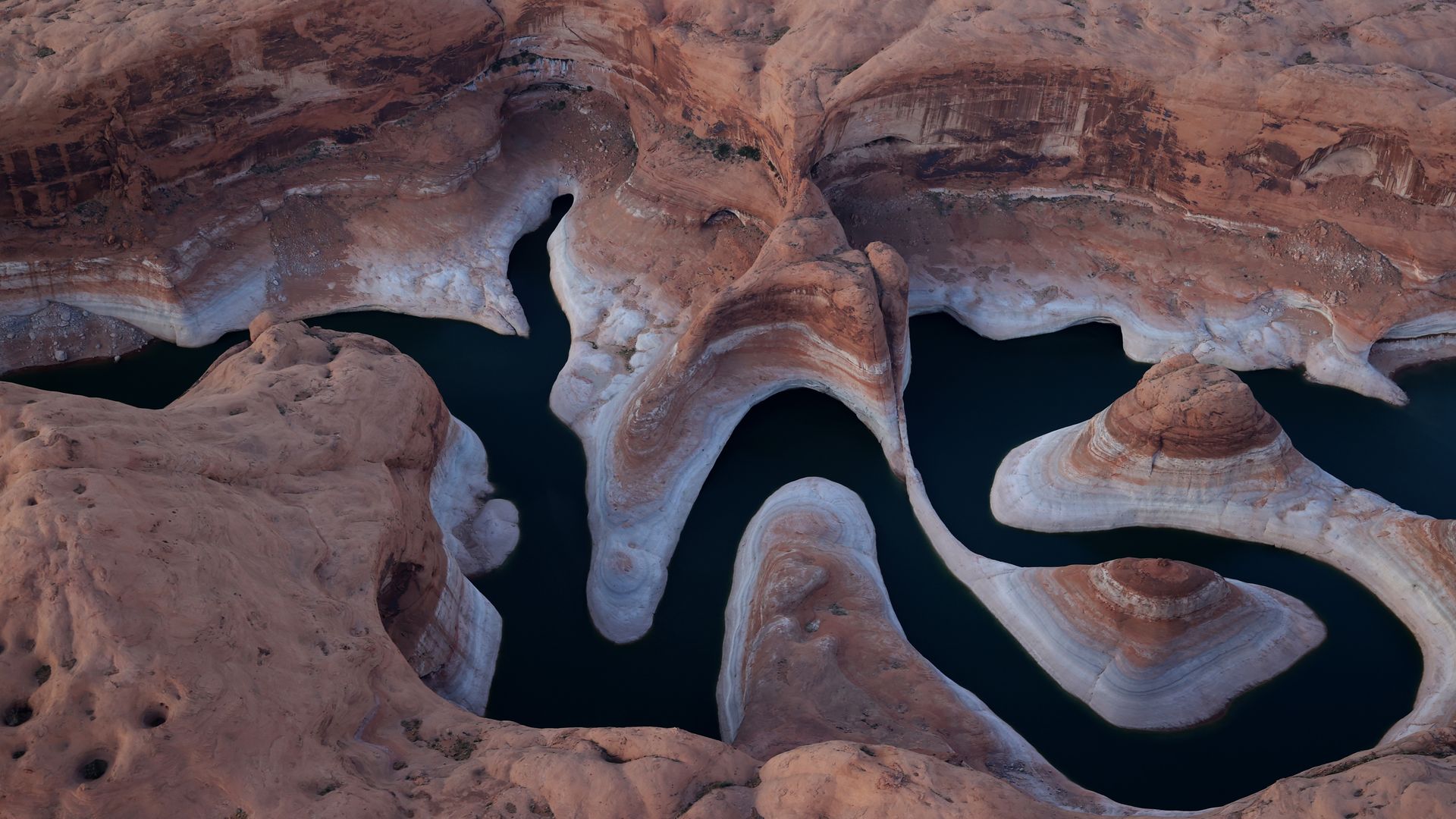
Lake Powell snakes through Glen Canyon National Recreation Area at the Utah-Arizona border. Photo: Justin Sullivan/Getty Images
Glen Canyon National Recreation Area has lost a dozen employees amid the Trump administration's purge of federal employees, per an unofficial tally shared with Axios by a U.S. park ranger.
Why it matters: Glen Canyon, which holds Lake Powell, is now Utah's most-visited site operated by the National Park Service, surpassing Zion — which lost a similar number of employees.
- The firings have left fewer workers to do critical jobs ahead of the busy summer travel season, including lifesaving search-and-rescue missions.
The big picture: 756 U.S. national park workers had been fired as of Tuesday, according to a spreadsheet shared with Axios by a ranger who requested anonymity to protect their job and employment prospects.
- The count is based on reports from hundreds of rangers and other park workers in multiple online groups. Other sources have been compiling their own tallies.
Zoom in: The NPS unit that oversees Arches, Canyonlands, Hovenweep and Natural Bridges lost three workers, per the document.
- Three were dismissed at Bryce Canyon, with another at Dinosaur National Monument.
- The tally counts one layoff at Capitol Reef, though a separate count found two workers terminated.
Catch up quick: Glen Canyon is home to particularly sensitive ecosystems and archeological sites that have been threatened since the U.S. Bureau of Reclamation dammed the Colorado River there in the 1960s.
- Each year about 2 million people go boating there. That makes it a risky vector for invasive species like quagga and zebra mussels, smallmouth bass and green sunfish — all of which have been found downstream of the dam, where the river flows through the Grand Canyon and into Lake Mead.
- Lake Powell has been receding, leaving its shores vulnerable to invasive plants that crowd out native species.
- Meanwhile, erosion and vandalism have imperiled ruins that date back more than 10,000 years.
Threat level: Many of the employees fired at Glen Canyon were working to protect the park against those specific hazards, per the ranger's report.
- They include: an archeologist, two aquatic invasive species techs, a fisheries biologist, a geologist and an arborist.
Caveat: The ranger's data is crowdsourced, so the document likely undercounts the full breadth of the firings.
- For example, it identified 11 firings at Zion, while the Association of National Park Rangers tallied 13.
- The National Parks Conservation Association (NPCA), an independent parks advocacy group, says more than 1,000 park staffers were fired on Feb. 14.
By the numbers: Glen Canyon had 131 full-time employees as of 2023, per the most recent NPS budget projections.
- That was down 30 from 2018. During the same years, visitation grew from 4.2 million to 5.2 million.
Zoom out: The hardest-hit parks include Florida's Everglades National Park (15 workers fired), Virginia's Shenandoah (15) and New Mexico's Carlsbad Caverns (14), per the tally.
The other side: NPS is lifting the hiring freeze for seasonal workers, who are integral to operations at southern Utah's parks.
- Yes, but: It's unclear how many of those workers found other employment while the freeze was underway. At Zion, for example, they are needed as the busy spring break season begins this month.
What they're saying: NPS plans to "embrace new opportunities for optimization and innovation in workforce management," a spokesperson said in a statement.
- NPS did not provide an official count of firings by park and did not comment on the tally in the spreadsheet.
The latest: The Trump administration is also canceling leases for building space used by the NPS.
- Per an analysis by the NPCA, one of those leases is for the U.S. Geological Survey's Southwest biological science center, which houses some management and administrative staff who support NPS sites in southeast Utah and coordinate emergency responders in the region's wild lands.