Motorcycle volunteers keep Hood to Coast safe

Add Axios as your preferred source to
see more of our stories on Google.
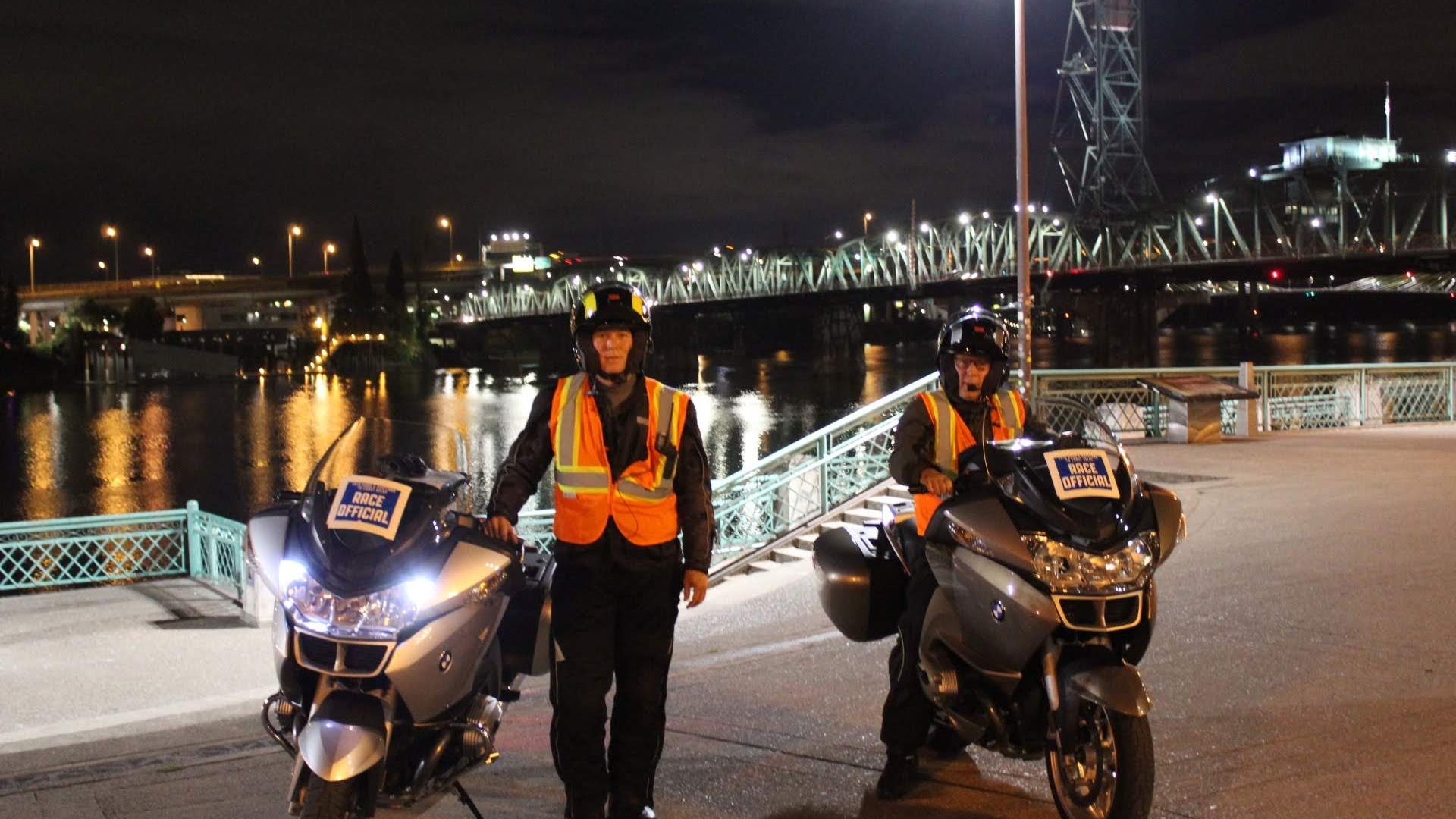
Watchful eyes on wheels. Photo: Courtesy of Gary Wasserman
As thousands lace up for the start of Hood to Coast Friday at Timberline Lodge, another group will be preparing to to make sure all those runners finish safely.
Why it matters: For nearly 30 years, Eyes on Wheels – a group of volunteers on motorcycles — have been conducting safety patrols on the western part of the race course.
- Hood to Coast gathers more than 10,000 runners on teams of eight to 12 to complete the nearly 200-mile relay from Mount Hood to Seaside over the course of two days.
Catch up quick: The patrols formed after three runners were groped on the course near Scappoose in 1996, Gary Wasserman, secretary with Eyes on Wheels, told Axios.
- The following year, a group of six Nike employees and their spouses patrolled the section and the response from runners was immense, with thousands emailing the race organizers to say how much safer they felt, Wasserman said.
State of play: Eyes on Wheels has fielded 34 riders this year to keep tabs on the runners from Portland to Seaside, a section often traveled in the dead of night.
- "Most of it is pitch black," Wasserman said. "There's only a few places where there are even street lights."
- The riders act as an extra set of eyes to make sure the runners are safe and no one interferes with the race.
What they're saying: The riders haven't encountered anything like the assaults in the 90s recently, but the patrollers stay busy, Wasserman said.
- They've dealt with hostile residents who live on the race course, tipped-over Porta Potties, injured runners and even a wayward bow hunter who put a scare into some racers.
- Wasserman said the presence of the riders — decked out with safety vests and radios — acts as a bit of a security blanket.
- "It's like when you were a kid, and you were worried there were monsters in the closet," he said. "Having the light on is sort of your way of making yourself comfortable, and so that's kind of the role we play."
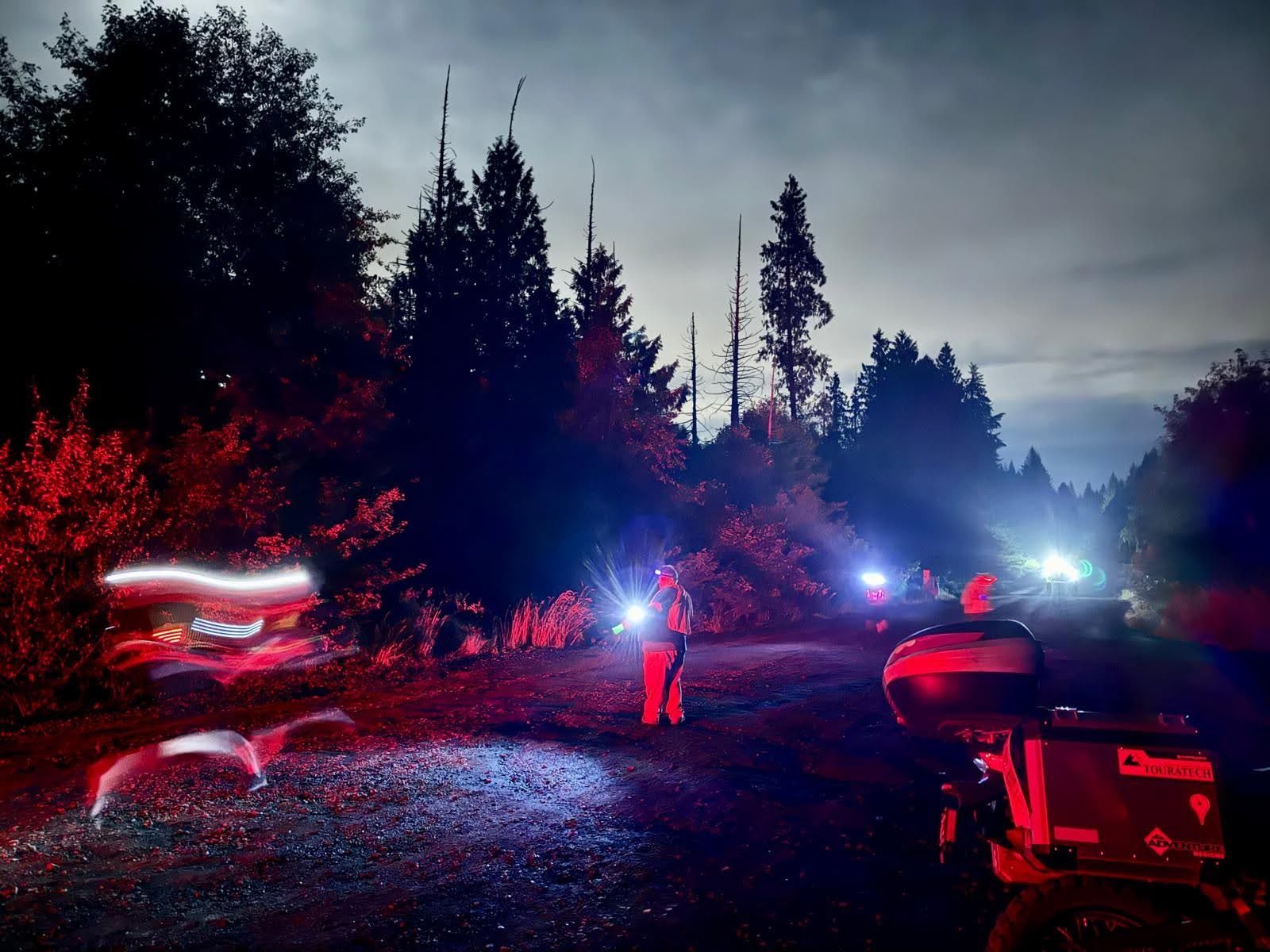
The bottom line: Organizing a large group of riders to patrol different legs of the race throughout the night can be a logistical nightmare, Wasserman said, but it's all worth it.
- "When people stop us and say, 'Thank you so much for being there,' … When you get that kind of feedback, you just want to keep doing it."