Pacific Northwest needs massive power boost

Add Axios as your preferred source to
see more of our stories on Google.
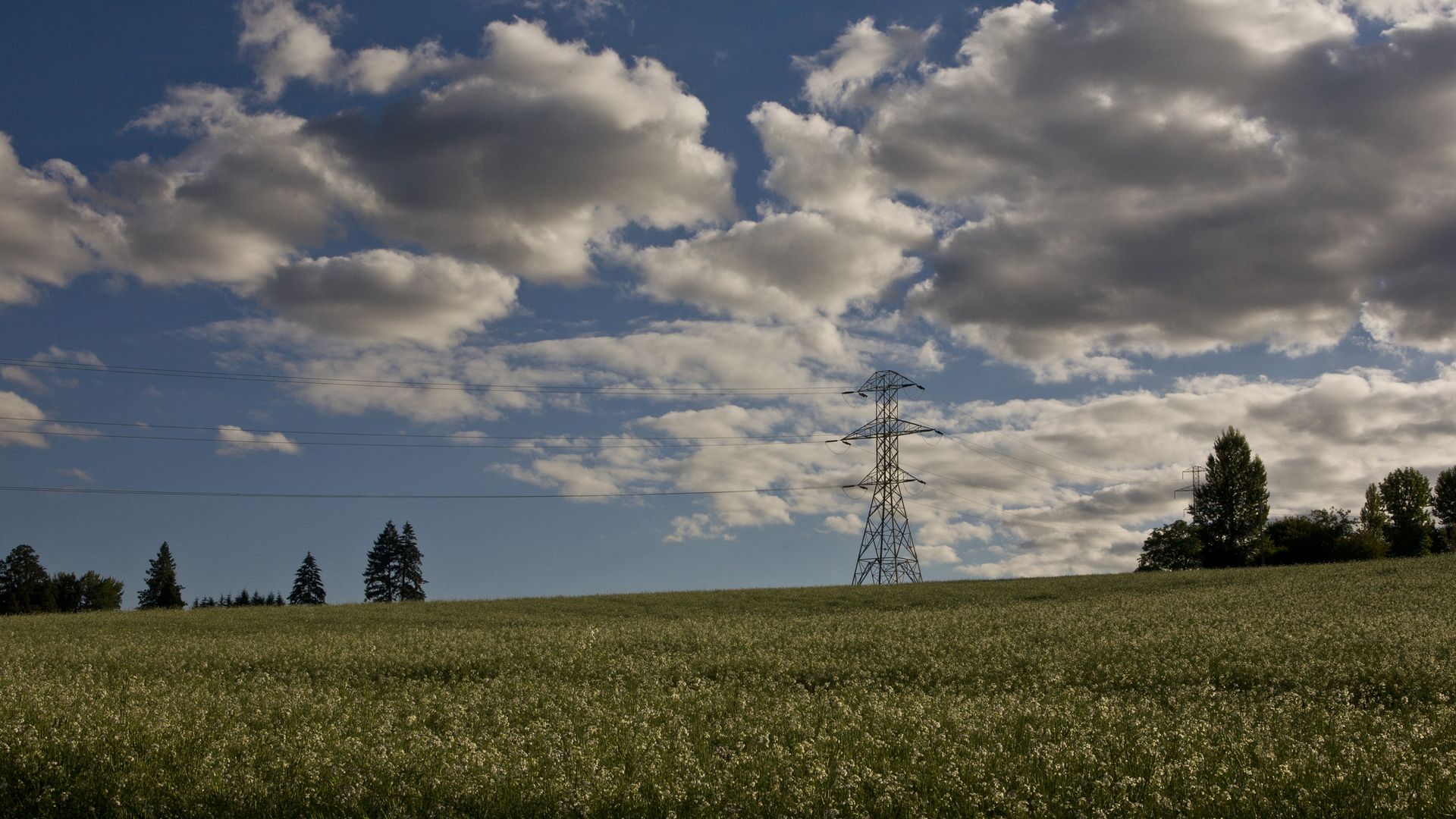
We're gonna need a bigger tower. Photo: George Rose/Getty Images
The Pacific Northwest will need to add a tremendous amount of new power over the next six years to keep the lights on for all of its residents, according to a new federal draft report.
Why it matters: Population growth, data centers and electrification are expected to send the region’s electricity demand soaring.
Driving the news: The Northwest Power and Conservation Council, which plans for the region's energy needs across Oregon, Washington, Idaho and Montana, released its draft Ninth Power Plan last week.
By the numbers: To keep up with demand, the Pacific Northwest will need an additional 11 gigawatts of new generating capacity by 2032 — roughly as much annual power-generating capacity as Oregon has today.
- Most of that — 9.2 gigawatts — will come from renewables like wind and solar, while 2.1 gigawatts will need to come from natural gas power plants.
- The region will also need to add 5 gigawatts of storage capacity.
Plus: It will need to cut demand by about one gigawatt through energy efficiency, per the report.
For reference, one gigawatt is enough to power up to 750,000 homes simultaneously under normal conditions.
Reality check: It took the region a decade to add the last 10 gigawatts of power, per OPB.
- Oregon and Washington also have some of the slowest rates of clean energy adoption in the country, per ProPublica.
- And that was before the Trump administration pulled back tax breaks and other forms of support for renewable energy projects.
Zoom out: The challenge only grows from here.
- Power demand is expected to potentially double over the next 20 years.
Follow the money: Meeting that demand will require more than $2 billion in investment from renewable energy developers and utilities.
- It's a tall ask given power bills have already risen considerably since 2021.
What’s next: The report is still just a draft and the public will have multiple chances to weigh in before it’s finalized, either online or at a series of public meetings.