How to stay safe in the backcountry

Add Axios as your preferred source to
see more of our stories on Google.
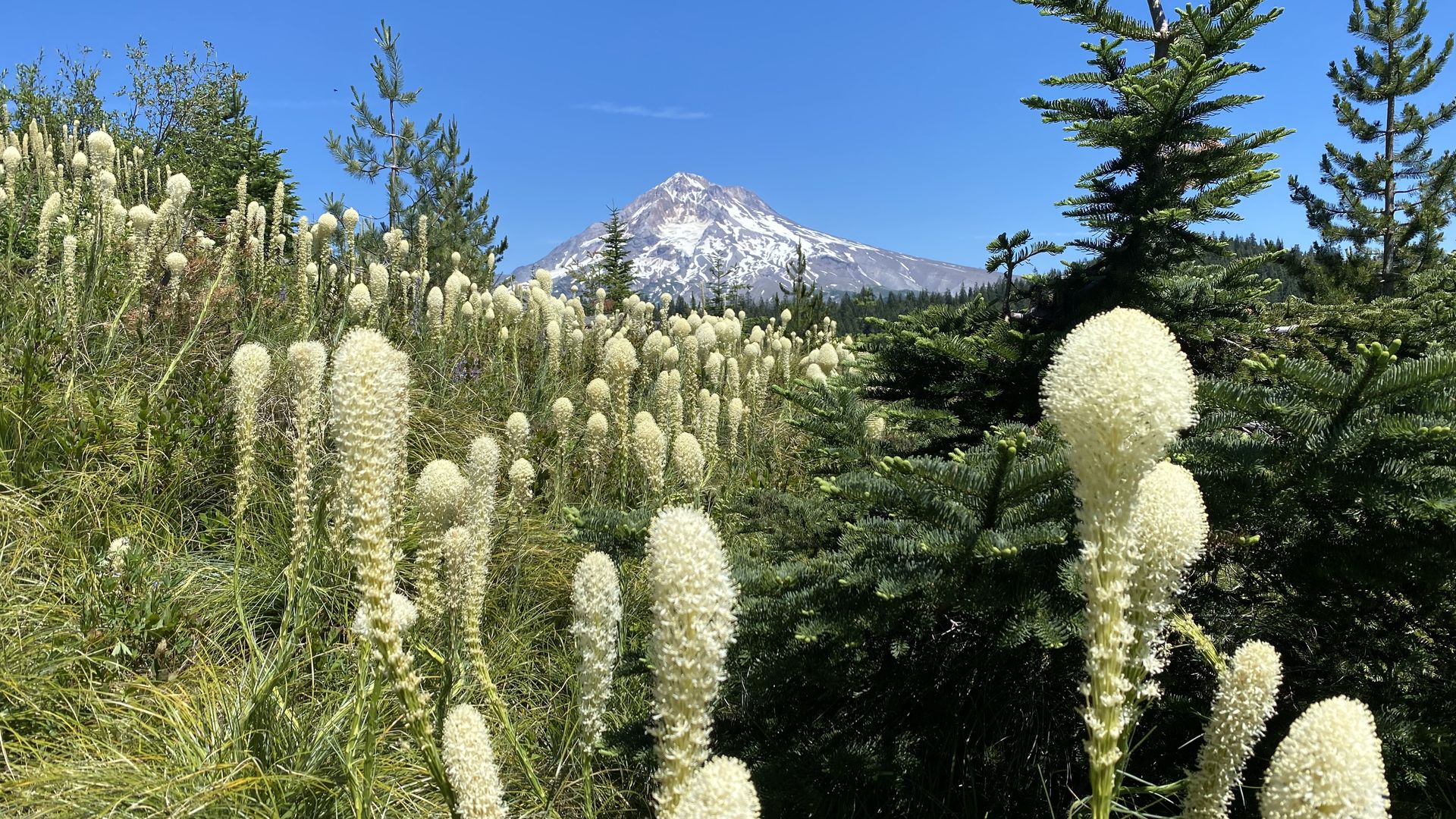
The backcountry is a great place to find yourself, but a terrible place to find yourself lost. Photo: Kale Williams/Axios
The weather's warming up, the backcountry is calling, and there are some simple things you can do to prevent your next adventure from becoming a search-and-rescue mission.
Why it matters: More and more people get lost, injured or stranded in the backcountry every year because they failed to plan or didn't bring the right equipment.
The big picture: Backcountry rescue calls have increased sharply as more people seek remote outdoor experiences they see on social media, Christopher Van Tilburg, the Crag Rats Mountain Rescue medical director, told Axios.
- Up until about 2013, the organization responded to fewer than a dozen calls per year.
- These days, the Crag Rats average around 50 rescue missions annually, primarily on Mount Hood and in the Columbia River Gorge, as people chase that perfect selfie in front of a waterfall or remote vista.
What they're saying: "A very common issue is people going on trails when they're not fully informed of the trail route and conditions, and they don't have good navigation," Van Tilburg said.
- "They see it on social media, and they think, 'Oh, that's a cool trail,' and they go hike it, and they just didn't really research it very well," he said.
Zoom in: The most important thing you can bring with you on any outdoor adventure — whether it's a day hike or a multi-day trek — is knowledge.
- Know your route: Download a map to your phone and bring a paper map just in case. Check out recent reviews of the route on sites like AllTrails for the most up-to-date conditions. Tell someone where you're going and when you'll be back.
- Know what you need: Bring the right amount of food and water (plus some extra, just in case) as well as a first aid kit. Having a way to communicate in places with no service is a big plus too.
- "Bring enough gear to spend the night out, even if it's an uncomfortable night," Van Tilburg said.
Know the weather: Keep a close eye on forecasts for where you're heading so you don't get caught in an unexpected snowstorm, wildfire smoke or a heat wave.
- Perhaps most importantly, know your limits: Outdoor adventures often involve testing personal boundaries, but understanding your capabilities is essential to staying safe.
💭 Kale's thought bubble: I've never needed backcountry rescue, but I've come close.
- When I first got into backpacking about 10 years ago, I asked an outdoorsy friend for a good overnight trip to ease myself into it.
- I got a map, but didn't spend enough time looking at the distance and elevation gain, both of which ended up being about double what I expected.
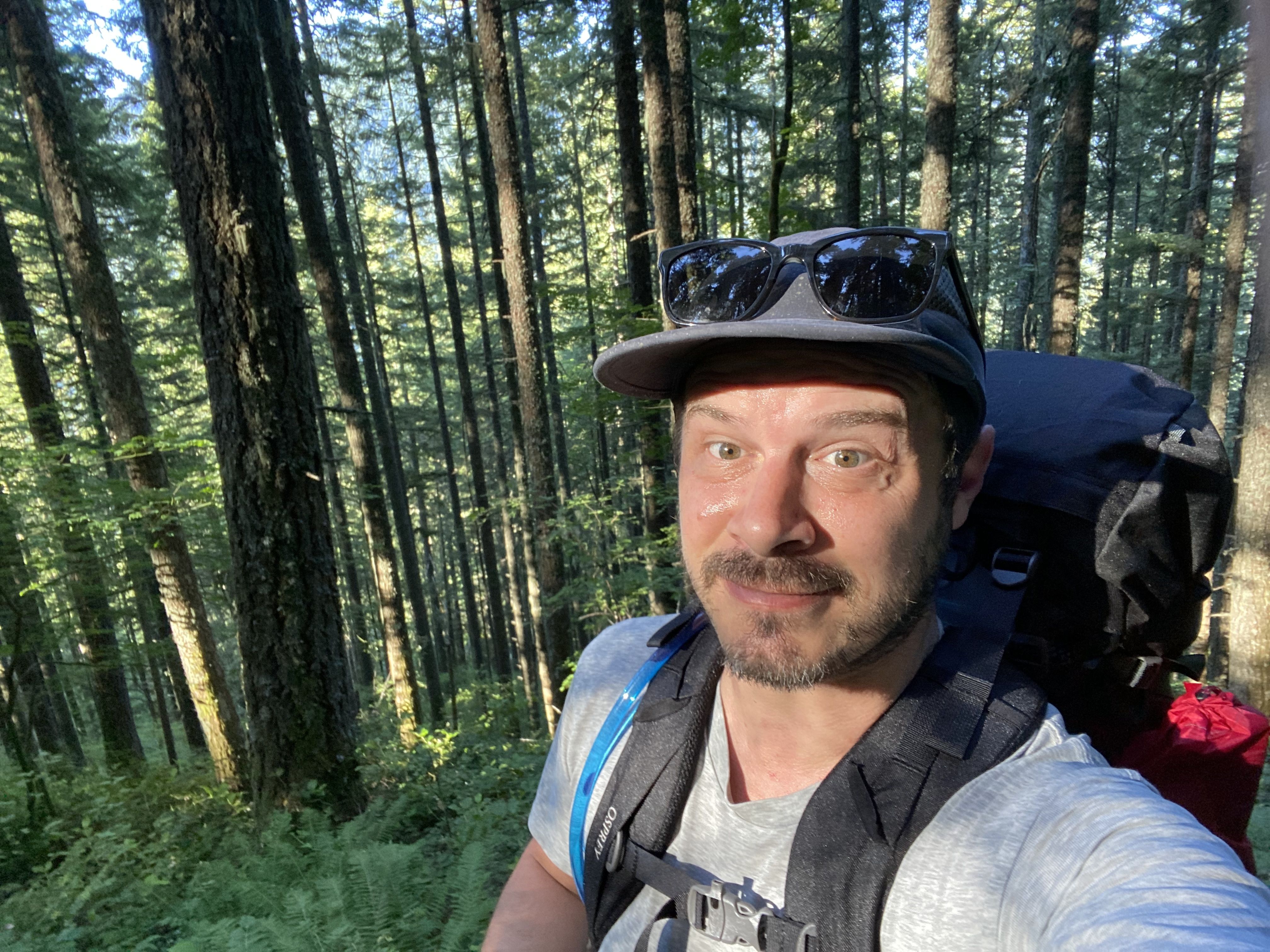
- About 3 miles in, I started to question whether I could actually make it to my destination. I did, but it was a grueling hike, one I could have avoided with a little research.
The bottom line: Van Tilburg stressed that the Crag Rats are "happy to go help people" but you'll be happier if they don't have to.