Recycling gets an AI upgrade in Portland

Add Axios as your preferred source to
see more of our stories on Google.
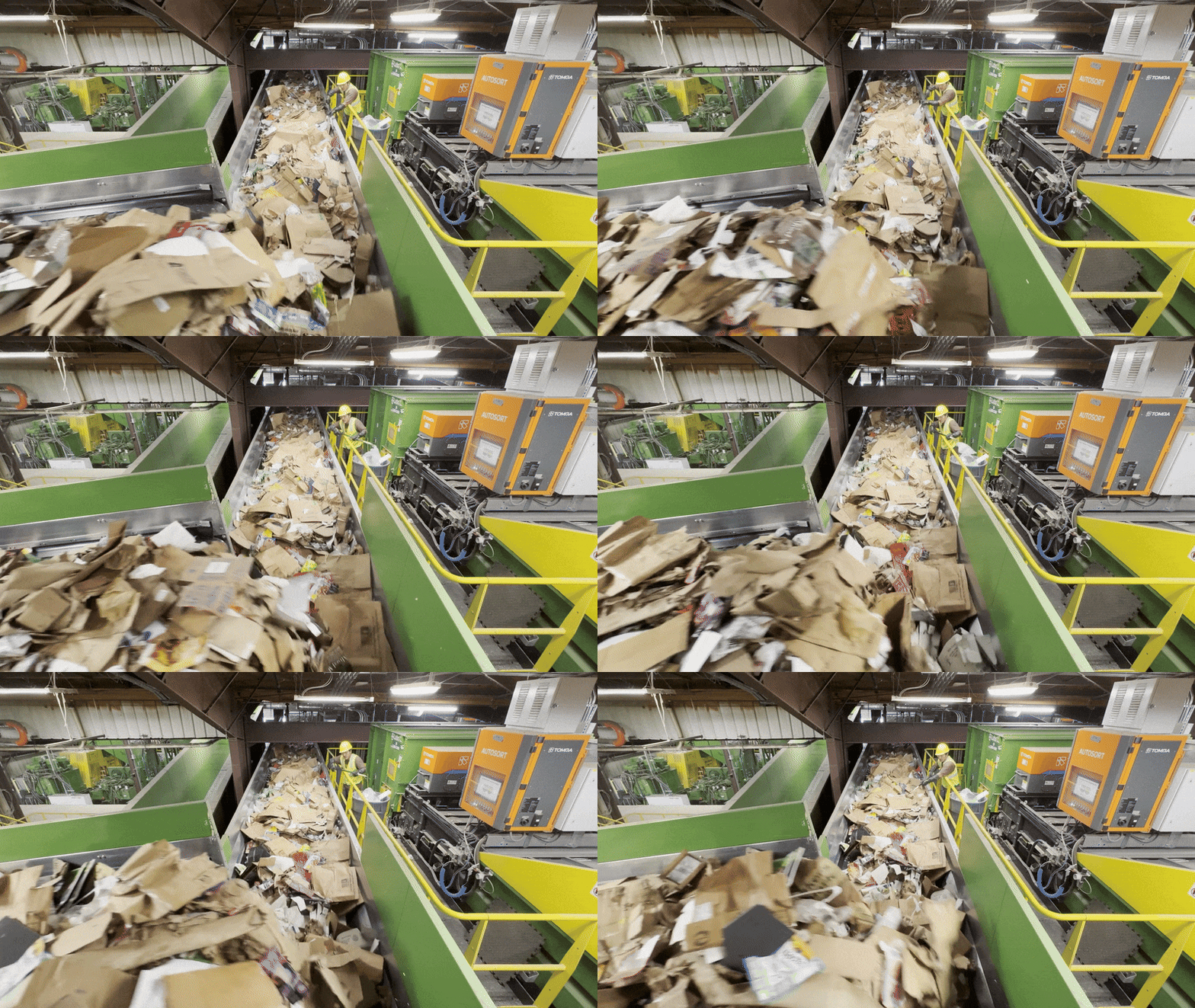
Waste Management's new North Portland recycling facility features an AI-assisted maze of conveyor belts and high-tech machines to make sure that your recycling ends up where it belongs and that greasy to-go boxes and other nonrecyclables are culled from the herd.
Why it matters: The $47 million facility opened this month and is the company's latest move to combat the narrative that recycling is broken.
- "We're giving everything that comes through here a second chance at having a second life," Logan Nelson, with Waste Management's recycling operations team, told Axios.
Zoom in: Quality control starts the minute drivers dump their loads, with staff pulling out garden hoses, string lights and anything else that could jam the processing machines.
- From there, paper, cardboard, bottles and cans speed through 94 conveyor belts, where screens and magnets separate the useful from the waste.
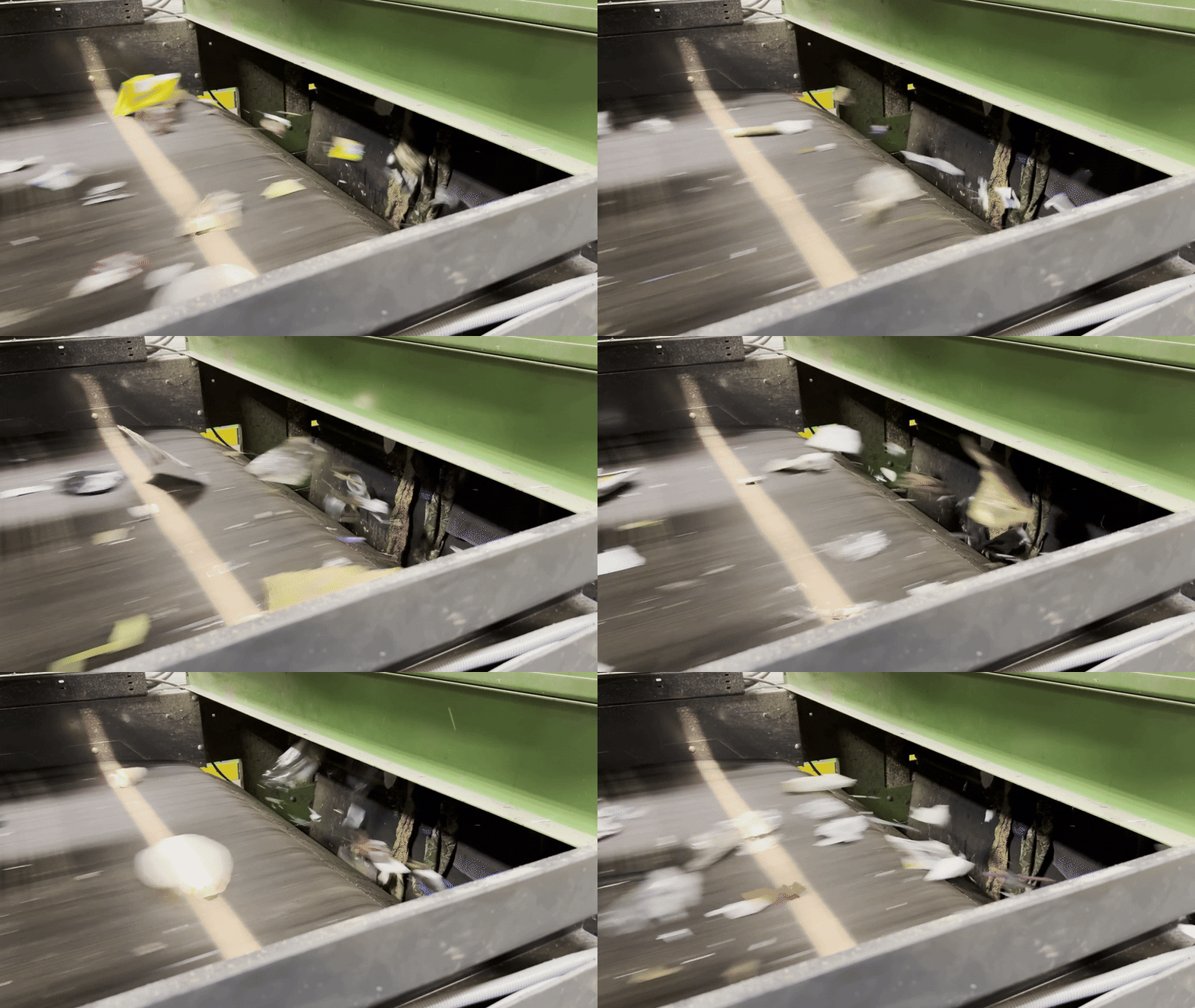
- Then comes the tech: Materials pass under AI-powered optical scanners that detect anything that doesn't belong — like plastic bottles and jugs — and then blast those items from the stream with air jets.
- "They're the Ferraris of recycling," Nelson said.
Catch up quick: Such efforts to separate the recyclable wheat from the unrecyclable chaff have been a long time coming.
- For years, the recycling industry has been plagued by "wish-cycling" — well-intentioned people tossing questionable materials in the bin thinking they're helping the environment.
- But contaminated materials are harder to recycle — and more of them end up in landfills.
- That's part of what prompted Oregon lawmakers to pass the Recycling Modernization Act — which, among other outcomes, led to Waste Management's new investment.
Between the lines: What you can and cannot recycle isn't always intuitive.
- In Multnomah County, paper envelopes are good to go, but shredded paper is a no-no.
- Glass bottles are recyclable, but drinking glasses go in the trash.
- Most plastic bottles with a neck are fine, but plastic takeout containers? Not so much.
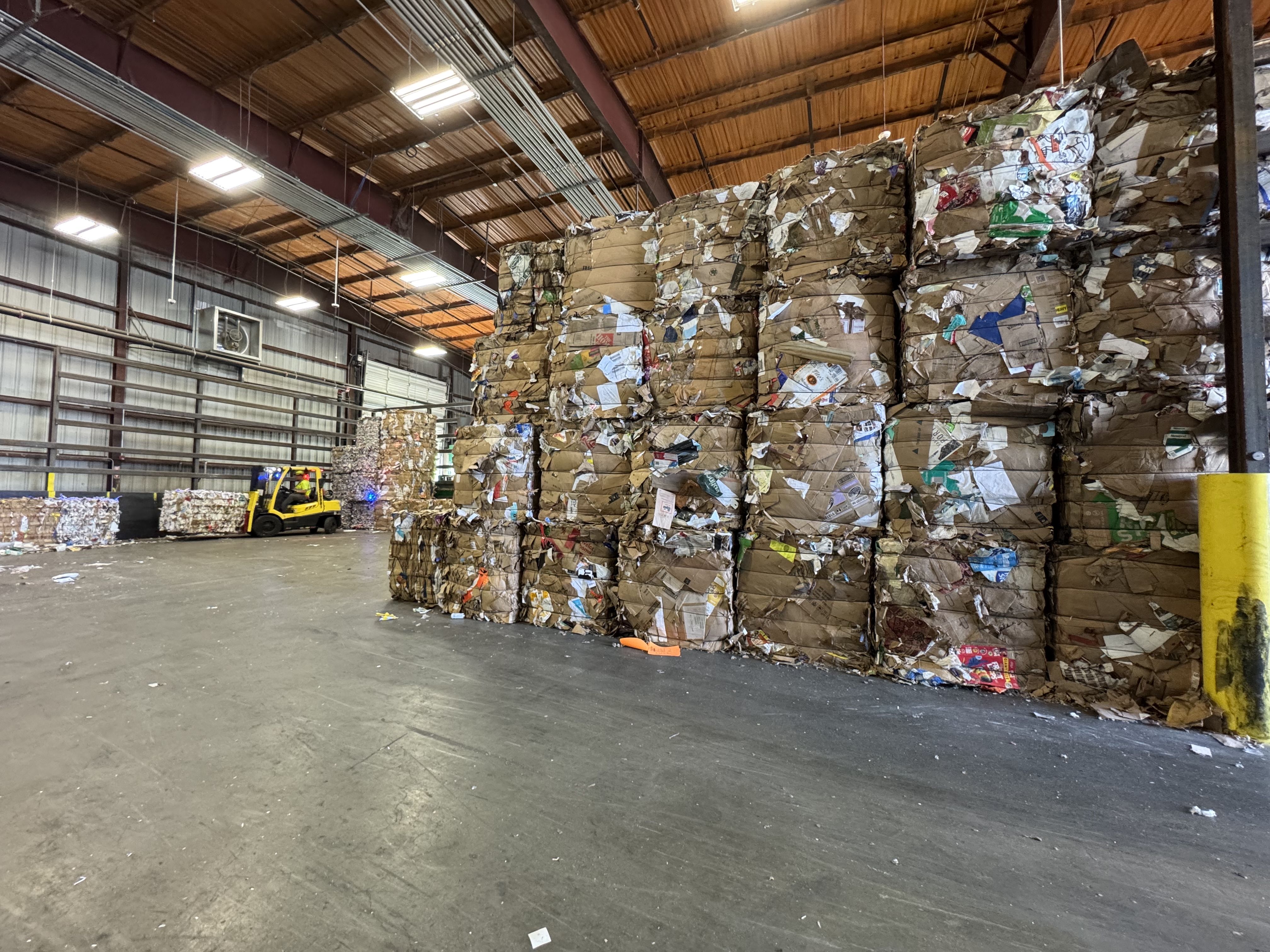
The bottom line: Once the materials are sorted, they're baled up and sent out to start their second lives.
- "People don't think it's real," Jackie Lang, a spokesperson for Waste Management, told Axios. "They think the materials are being landfilled. This should validate for Oregonians that recycling is real — it works when we all work together."