Trump nixes NW salmon pact, setting stage for new court fight

Add Axios as your preferred source to
see more of our stories on Google.
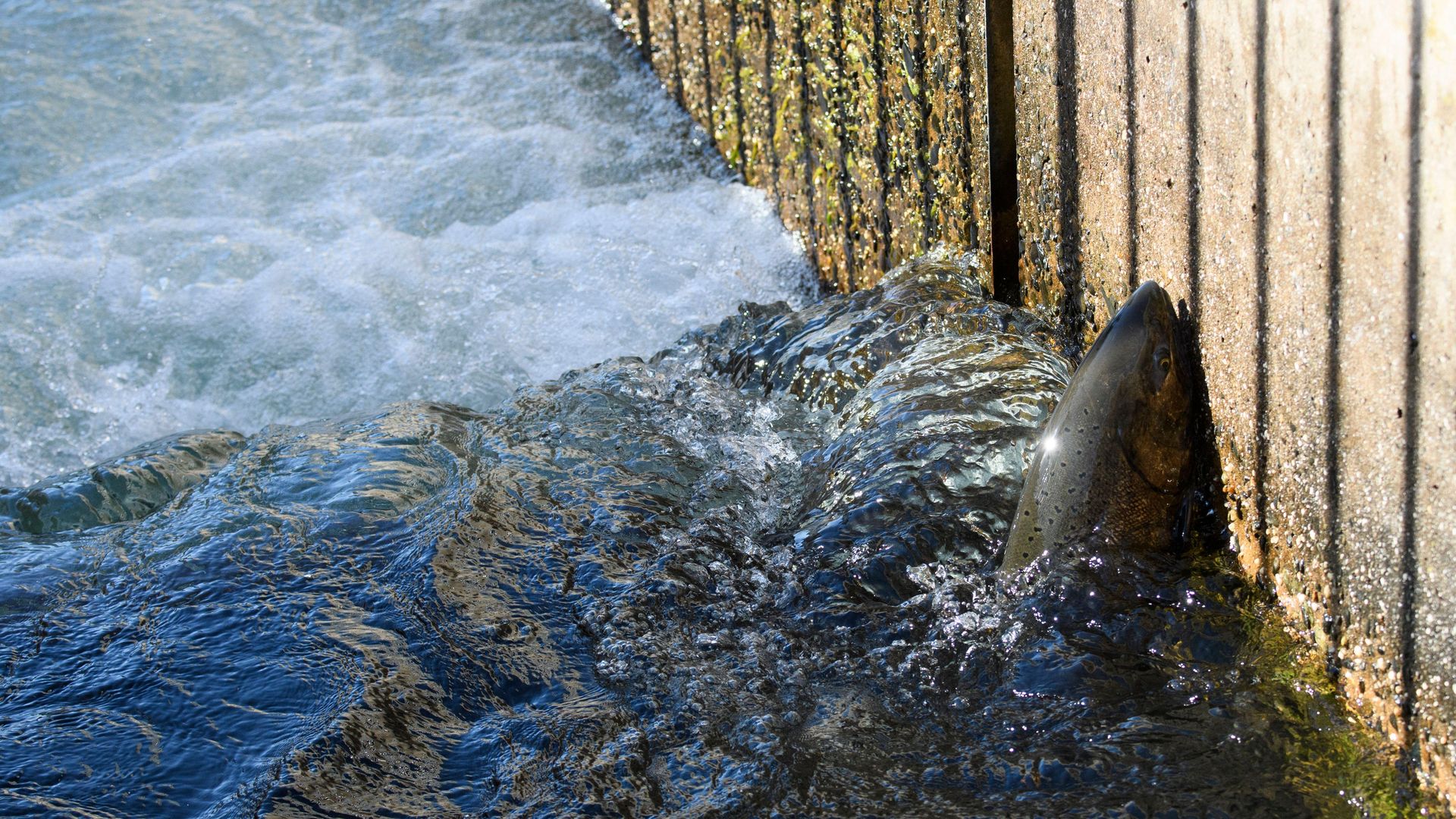
The future of salmon recovery in Oregon is uncertain. Photo: Patrick T. Fallon/AFP via Getty Images
The Trump administration's recent withdrawal from a landmark agreement likely sends the fate of salmon recovery in the Columbia Basin back to court.
Why it matters: The pact — known as the Resilient Columbia Basin Agreement — put a five-year stay on litigation brought by several Northwest tribes and environmental advocates over the federal government's operation of dams in the region.
Catch up quick: In 2023, the Biden administration announced it would dedicate $1 billion over the next decade to salmon restoration and tribal-led clean energy projects throughout the basin.
- The agreement stopped short, however, of calling for the breaching of four dams on the Lower Snake River, which has long been a goal of groups looking to help salmon.
- On June 12, Trump issued a memorandum canceling the agreement and calling it "radical environmentalism."
What they're saying: "The Administration's decision to terminate these commitments echoes the federal government's historic pattern of broken promises to tribes," Yakama Tribal Council Chairman Gerald Lewis said in a written statement.
The other side: Some saw the agreement as the first step toward breaching the dams, though, a move that some have said would imperil hydropower, irrigation for agriculture, and shipping on the Columbia.
- "This withdrawal is a necessary course correction toward energy reliability, affordability, and transparency," the Northwest Public Power Association, a hydropower advocacy group, said in a written statement.
The bottom line: With the fight over salmon likely headed back to the courts, Lewis said the Yakama Nation was "deeply disappointed" by the decision and that prolonged litigation would do nothing to help salmon.
- "Courtroom battles cannot provide the innovative, holistic solutions we need," he said. "This termination will severely disrupt vital fisheries restoration efforts, eliminate certainty for hydro operations, and likely result in increased energy costs and regional instability."