Where to find Black historical landmarks in Portland

Add Axios as your preferred source to
see more of our stories on Google.
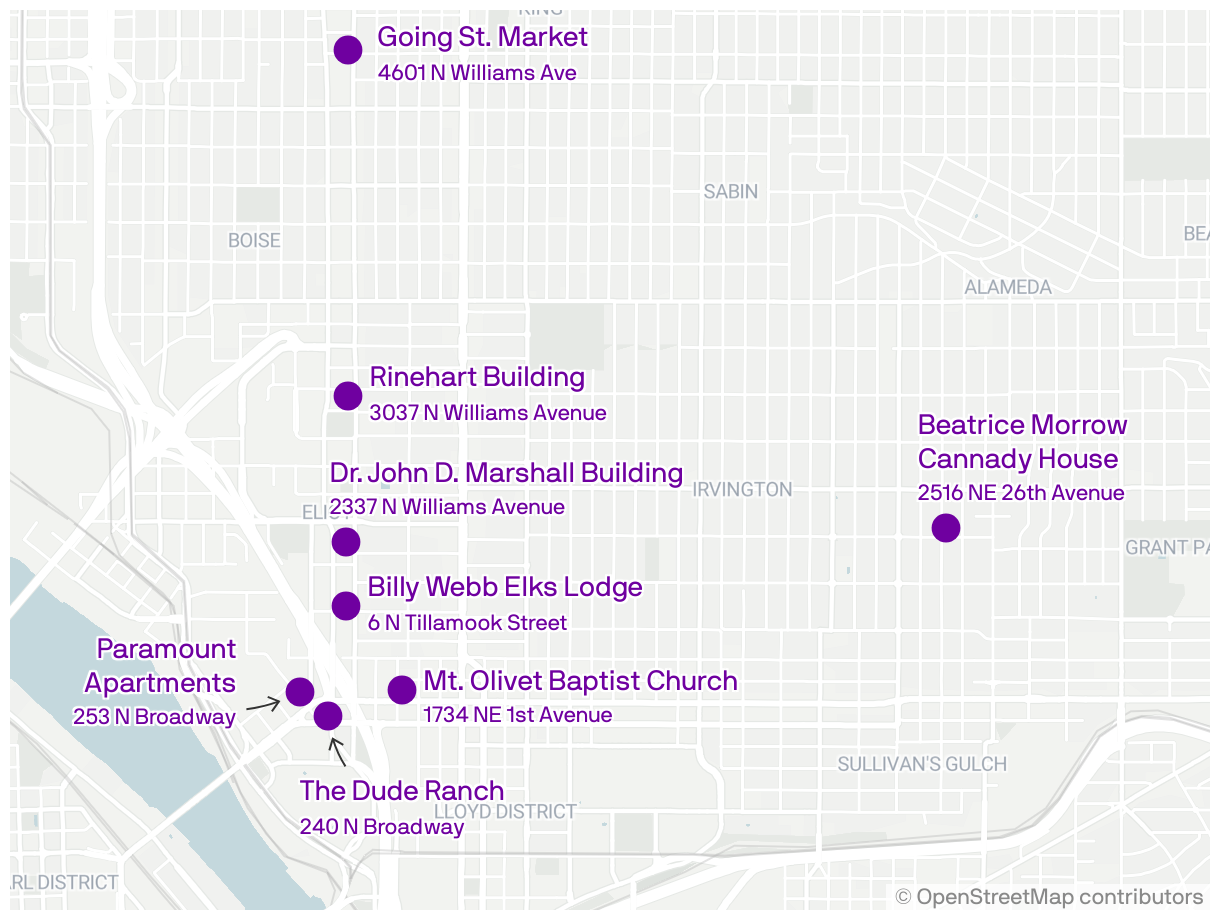
Portland's earliest Black history dates to 1850, and though some of the community's early homes, businesses and gathering places have been erased due to 20th-century urban renewal projects, many remain.
Why it matters: These sites tell stories about grassroots civil rights movements, entertainment and culture, as well as how Black Portlanders lived.
What they're saying: "They serve as a monument for our children," Kimberly Moreland, a historian and lead researcher of Albina Preservation Initiative, told Axios. "Preserving the remnants is very important to show the fun and joy that a thriving Black community provided.
- "We still belong and made an amazing contribution to the city, and you can, too."
Here are several landmarks that hold significance in Portland's history.
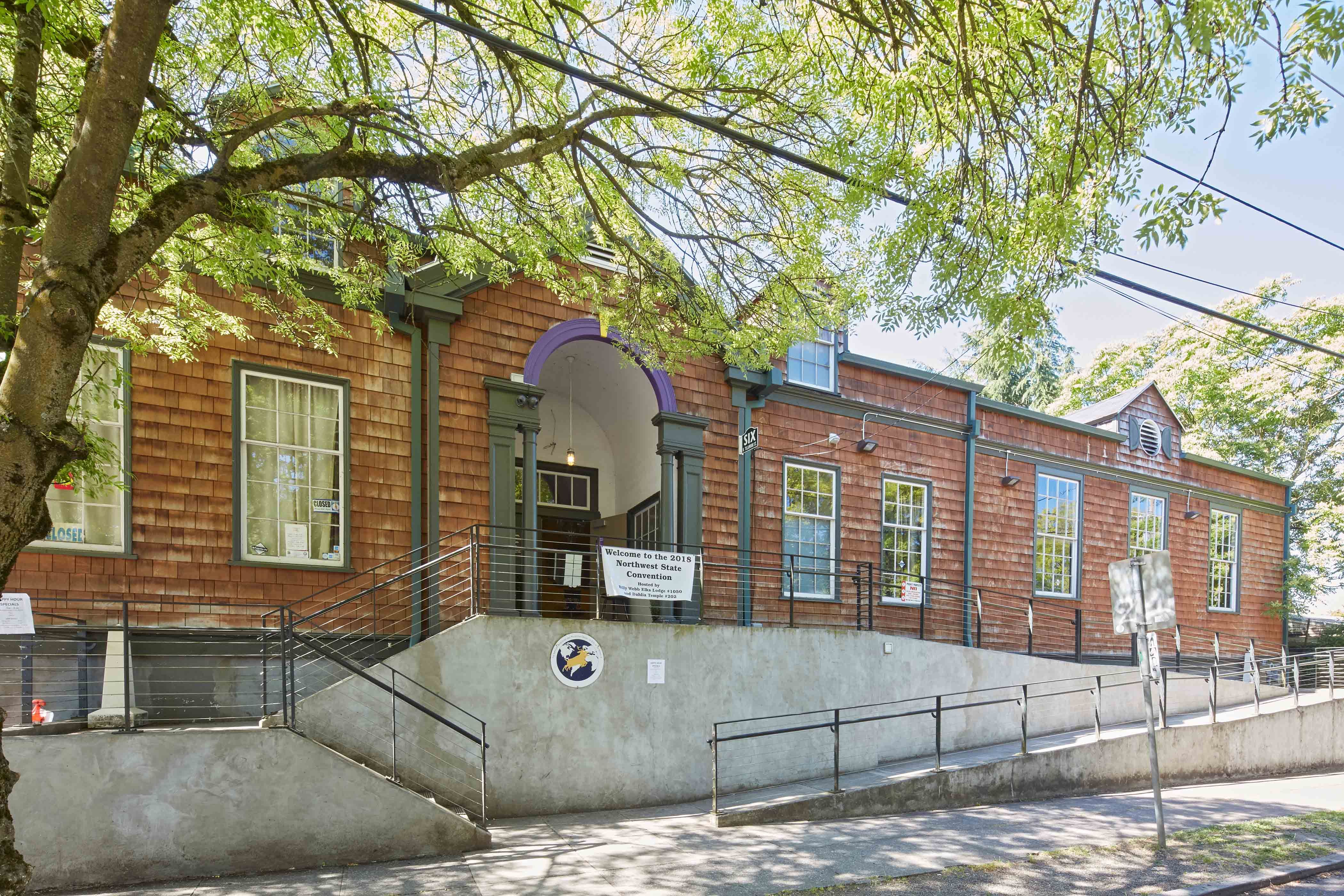
Billy Webb Elks Lodge
6 N. Tillamook St.
Built in 1926, this Colonial Revival-style building housed the African American branch of the YWCA and a meeting place for civil rights groups like the NAACP and Urban League. Survivors of the 1948 Vanport flood also came here.
- A fire tore through the building in 2021 — it's still standing but remains closed as community members work to restore it.
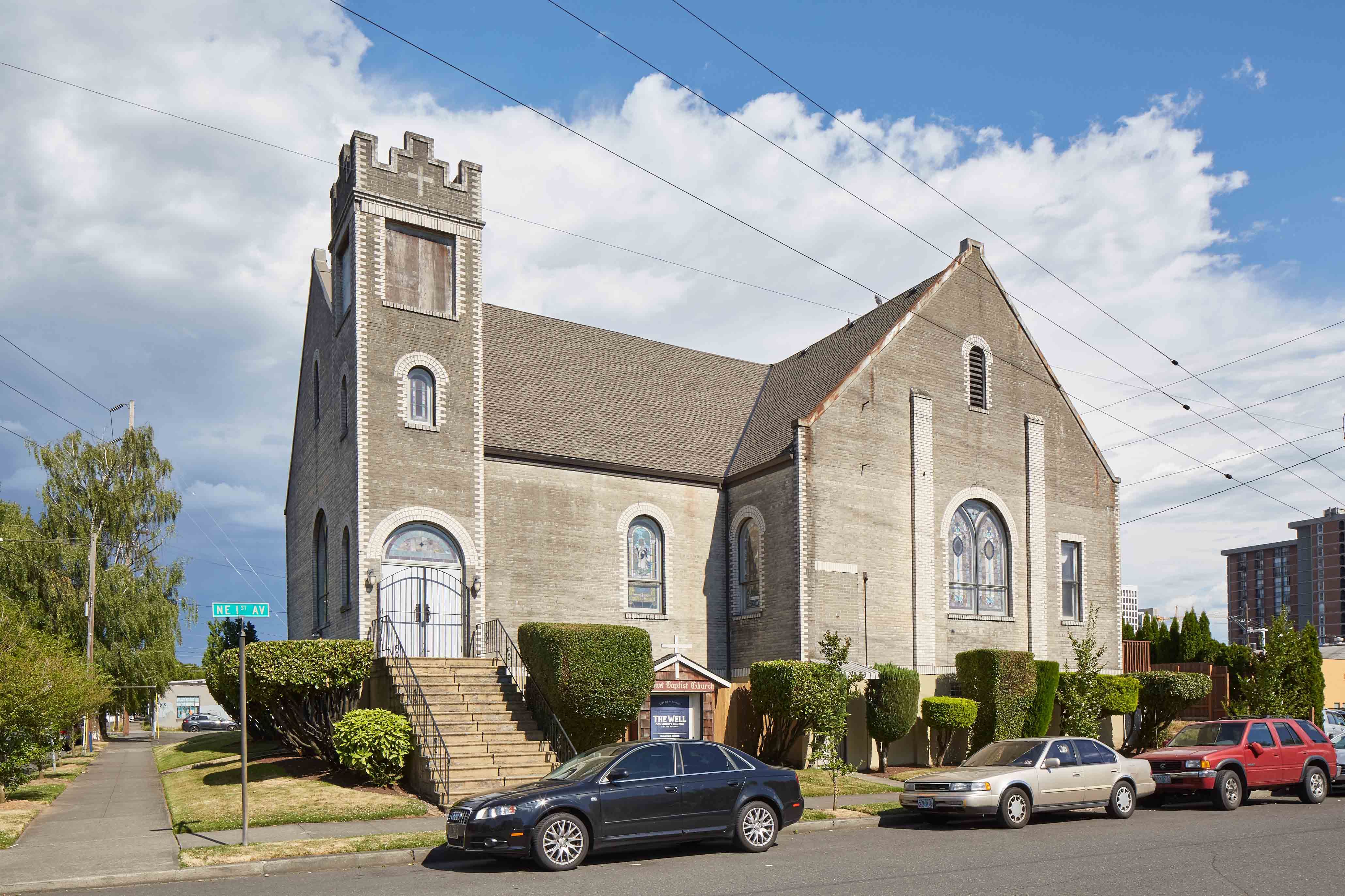
Mount Olivet Baptist Church
1734 NE 1st Ave.
This church was Portland's first Black congregation and is the oldest place of worship in Lower Albina. It hosted activists including Asa Philip Randolph and Marcus Garvey.
Dr. John D. Marshall Building
2337 N. Williams Ave.
During the 1970s, the Portland chapter of the Black Panther Party provided medical and dental services here for those who were underserved in the city's health care system. The Black-owned newspaper The Skanner also operated from here for two decades.
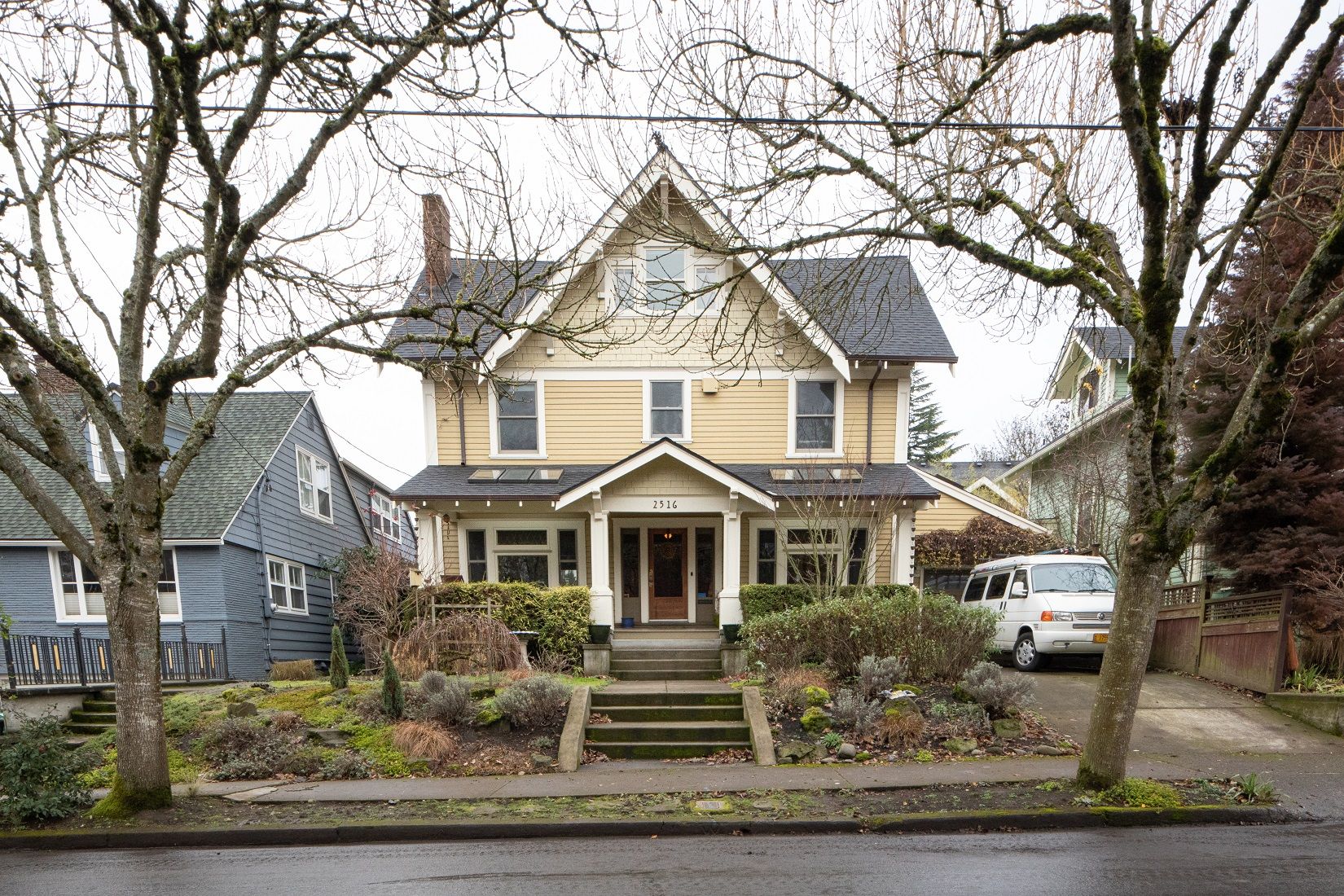
Beatrice Morrow Cannady House
2516 NE 26th Ave.
Known for her outspoken stance against the Ku Klux Klan's prominence in the city, Morrow Cannady was also publisher of The Advocate newspaper. She hosted interracial tea parties and was the first Black woman to earn a law degree in Oregon.
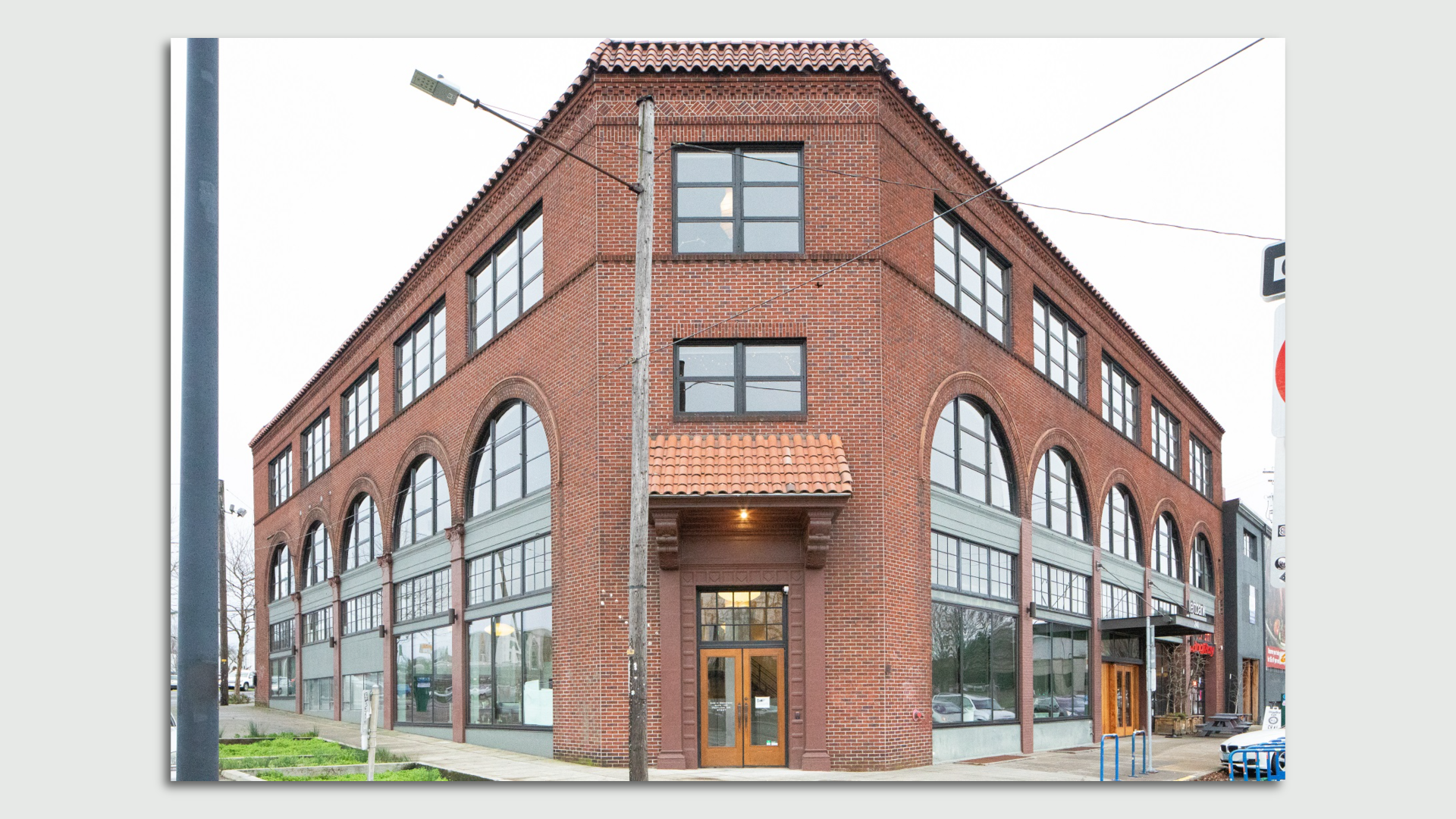
The Dude Ranch
240 N. Broadway
This spot secured itself as the epicenter of jazz in Portland shortly after World War II even though it was open for only one year. Acts like the Nat "King" Cole trio, Lionel Hampton, Coleman Hawkins and Art Tatum all made stops here.
- Now, the Leftbank Project occupies the space.
Paramount Apartments
253 N. Broadway
One of the only surviving buildings near the complete clearance of Lower Albina due to the construction of I-5 and the Memorial Coliseum, this spot was home for many Black Portlanders in the early 1900s.
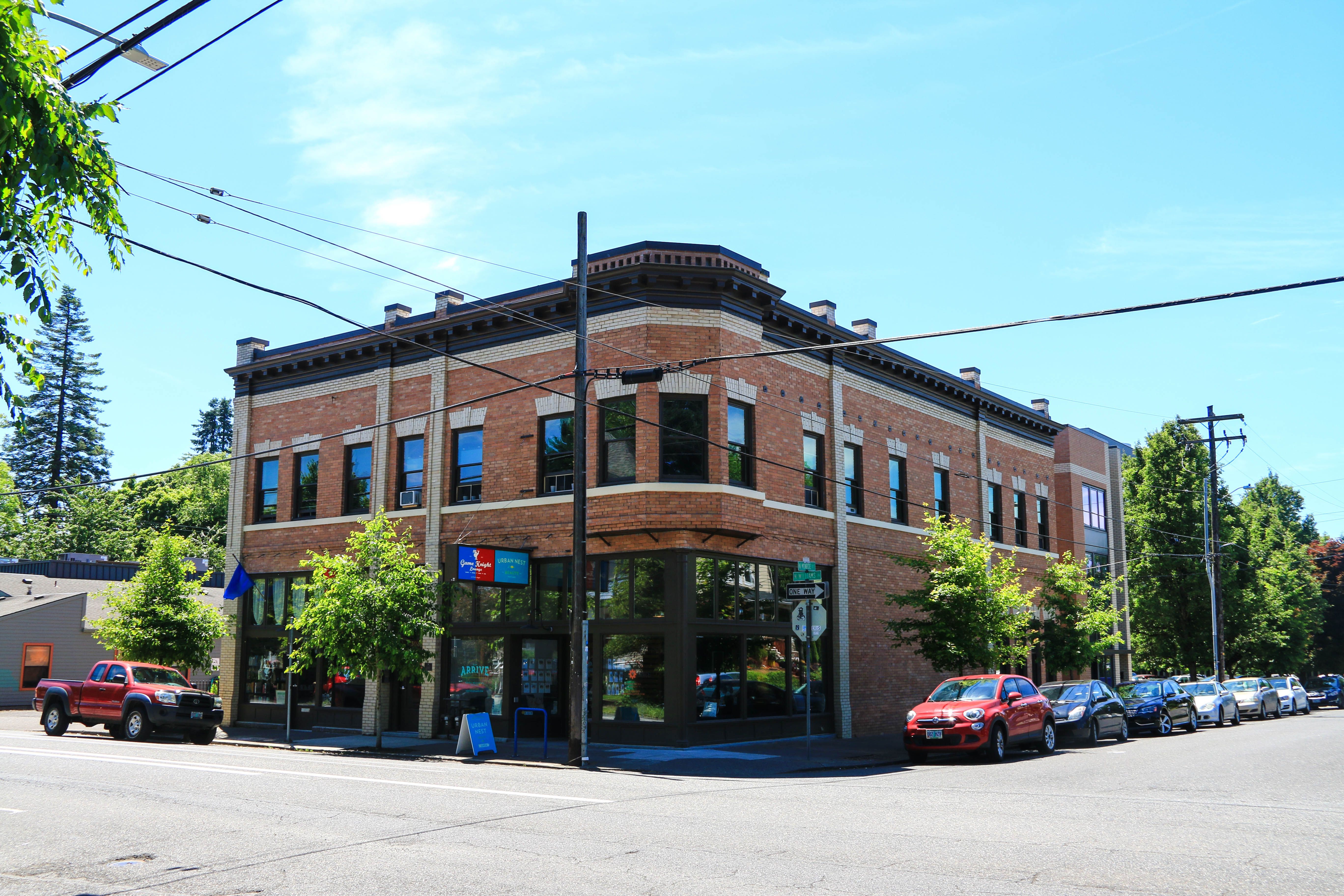
Rinehart Building
3037 N. Williams Ave.
The Cleo Lilliann Social Club and Rudy's Billiards are just two of the Black-owned businesses that have operated out of this streetcar-era brick building — a stalwart icon of Portland's Black enterprise since 1910.
Going Street Market
4601 N. Williams Ave.
This unassuming corner bodega has been in Black ownership since the 1950s, when the Maxey family operated a small grocery store and barbershop.